

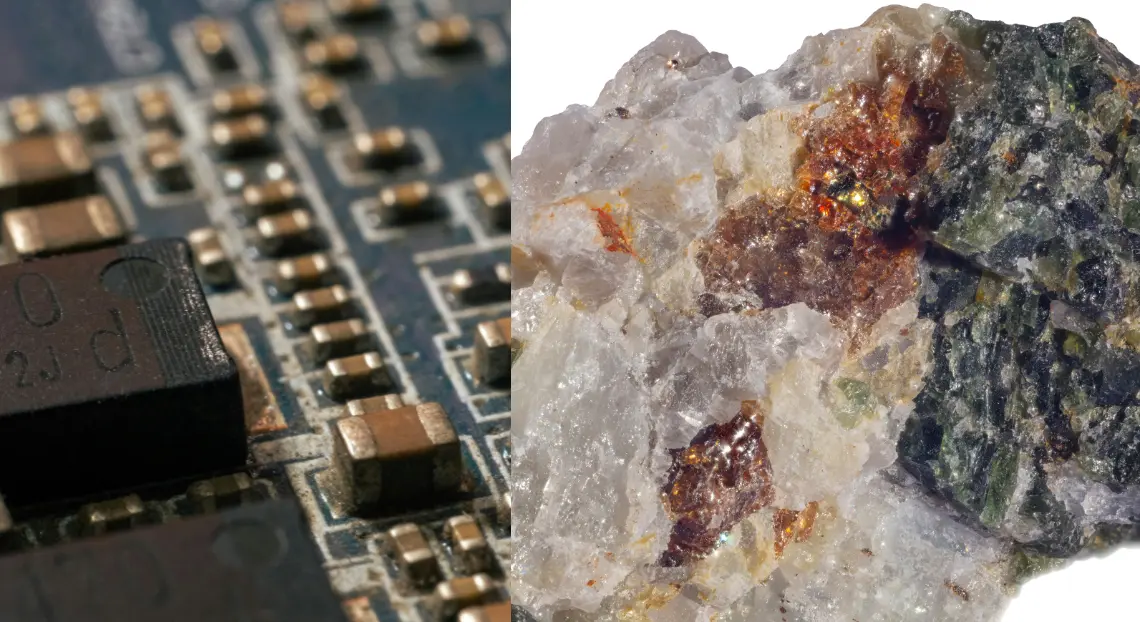
What is Silicon?
Silicon is a chemical element that is widely found in nature. It has the symbol Si and atomic number 14. It is one of the most common elements on Earth and is mainly found in sand, rocks, and minerals.
Silicon is classified as a metalloid, which means it has properties of both metals and non-metals. It is not as hard or shiny as metals, but it is also not as weak as non-metals. This unique nature makes silicon useful in many industries.
One of the most important features of silicon is that it works as a semiconductor. This means it can control the flow of electricity, which is why it is widely used in electronic devices like computers and mobile phones.
In simple terms, silicon is a natural element that plays a key role in both nature and modern technology.
Where Silicon is Found in Nature?
Silicon is one of the most common elements found on Earth. It makes up about 27–28% of the Earth’s crust, which makes it the second most abundant element after oxygen. This means silicon is present almost everywhere around us, especially in soil, rocks, and natural landforms.
Silicon in Earth’s Crust
Most of the silicon on Earth is found in the outer layer called the crust. It is a major part of many natural materials that form the ground, mountains, and soil. Silicon is also present in small amounts in water, air dust, and even in some plants and living organisms.
Silicon in Sand, Quartz and Rocks
Silicon is commonly found in materials like sand, quartz, and different types of rocks. Sand mainly contains a compound called silica, which is made of silicon and oxygen. Quartz is one of the purest natural forms of silica and is widely found in nature.
Many rocks such as granite, sandstone, and clay also contain silicon in the form of minerals called silicates. These minerals are spread across almost all types of land and are a major part of the Earth’s surface.
Silicon is Not Found in Pure Form
Silicon is not found in its pure or free form in nature. This is because it easily reacts with oxygen and other elements. As a result, it forms stable compounds like silica and silicates.
In simple terms, silicon is found everywhere around us, but always in combined form, mainly with oxygen. This is why materials like sand and rocks are the main natural sources of silicon.
Physical and Chemical Properties of Silicon
Silicon has unique physical and chemical properties that make it useful in many industries, especially electronics and construction. These properties come from its atomic structure and the way its atoms are bonded together.
Hard and Brittle Solid Nature
Silicon is a hard and brittle solid at room temperature. It does not bend like metals. Instead, it breaks or cracks easily when force is applied. This brittle nature means it cannot be shaped by hammering or bending.
Its hardness comes from strong bonds between its atoms. These bonds hold the structure tightly, which makes silicon strong but also easy to break under stress.
Appearance and Crystal Structure
Pure silicon has a dark grey or bluish-grey color with a slight metallic shine. It usually exists in a crystalline form, where atoms are arranged in a fixed pattern.
This crystal structure is similar to diamond. Each silicon atom is connected to four other atoms with strong bonds. Because of this structure, silicon has high strength and stability.
Semiconductor Property
One of the most important properties of silicon is that it is a semiconductor. This means it can conduct electricity, but not as easily as metals like copper.
Its electrical conductivity can be controlled by adding small amounts of other elements. This property makes silicon ideal for use in electronic devices such as chips, transistors, and solar cells.
Chemical Stability and Reactivity
Silicon is chemically stable under normal conditions. It does not react easily with water or air. When exposed to oxygen, it forms a thin protective layer of silicon dioxide on its surface.
This layer protects it from further reaction, which makes silicon durable. However, at high temperatures, silicon can react with elements like oxygen, carbon, and nitrogen to form different compounds.
In simple terms, silicon is strong, stable, and has controlled electrical behavior, which makes it very useful in both industrial and electronic applications.
Types of Silicon Materials
Silicon is not used in just one form. It is available in different materials, and each type has different properties and uses. The three main types are elemental silicon, silica, and silicones.
Elemental Silicon and Its Uses
Elemental silicon is the pure form of silicon. It is a hard, grey solid with a crystalline structure. This form is mainly produced by heating silica at high temperature to remove oxygen.
Pure silicon is widely used in the electronics industry. It works as a semiconductor, which means it can control the flow of electricity. Because of this, it is used to make computer chips, microprocessors, and solar cells.
Elemental silicon is rarely found in nature in pure form. It is mostly obtained through industrial processing and then used in high-tech applications.
Silica (Silicon Dioxide) in Nature
Silica, also called silicon dioxide (SiO₂), is the most common form of silicon found in nature. It is present in sand, quartz, and many types of rocks.
Silica has a strong and stable structure made of silicon and oxygen atoms. It is hard, heat-resistant, and does not react easily with most chemicals.
This material is widely used in making glass, cement, ceramics, and construction materials. Because it is easily available, silica is the main source used to produce pure silicon.
Silicones and Their Applications
Silicones are man-made materials made from silicon, oxygen, carbon, and hydrogen. They are not elements but synthetic compounds formed through chemical processes.
Silicones are flexible, heat-resistant, and water-resistant. They can be in the form of liquids, gels, or rubber-like materials.
They are used in many products such as sealants, lubricants, medical items, and personal care products. Their stability and safety make them useful in both industrial and everyday applications.
In simple terms, elemental silicon is used in electronics, silica is found in nature, and silicones are used in daily products.
How Silicon is Processed and Extracted?
Silicon is not found in pure form in nature, so it must be extracted from materials like silica, which is mainly found in sand and quartz. The process used to produce silicon is done at very high temperatures and involves several steps.
Extraction of Silicon from Silica
The main raw material for silicon is silica (SiO₂), which comes from sand or quartz. To extract silicon, silica is heated with carbon materials such as coal or coke in a special furnace. This process is called carbothermic reduction.
At very high temperatures, usually above 1800°C, oxygen is removed from silica, and silicon is formed. The basic chemical reaction is:
SiO₂ + 2C → Si + 2CO
The silicon produced at this stage is in liquid form and is then cooled to form solid silicon. This initial product is called metallurgical-grade silicon, which is about 98–99% pure.
Basic Industrial Process Overview
In industries, the process is carried out in a large electric furnace. High-purity quartz and carbon are mixed and heated continuously.
Inside the furnace, strong heat breaks the bond between silicon and oxygen. The molten silicon collects at the bottom and is removed from the furnace. At the same time, gases like carbon monoxide are released as by-products.
After cooling, the silicon is crushed or shaped depending on its use. This form is suitable for many industrial applications such as alloys and chemicals.
Conversion to High-Purity Silicon
For advanced uses like electronics and solar panels, silicon needs to be much purer. The metallurgical-grade silicon goes through further purification steps.
One common method is to convert silicon into a chemical form, purify it, and then convert it back into solid silicon. This process removes impurities and produces high-purity silicon used in semiconductors.
In simple terms, silicon is extracted from sand using heat and carbon, then refined to get the purity needed for different applications.
Uses of Silicon in Everyday Life
Silicon is used in many parts of daily life, even if we do not always notice it. It is used in electronics, energy, construction, and personal care products. Its unique properties make it useful in both simple and advanced applications.
Use of Silicon in Electronics
Silicon is widely used in electronic devices because it works as a semiconductor. It can control the flow of electricity, which makes it suitable for making electronic components. Silicon is used to produce computer chips, microprocessors, and integrated circuits.
These components are found in mobile phones, laptops, televisions, and many other digital devices. Silicon wafers are the base material used to build these circuits, which help devices process and store information.
Use of Silicon in Solar Panels
Silicon is also used in solar energy systems. Solar cells are made from specially treated silicon that can convert sunlight into electricity.
When sunlight hits the silicon surface, it creates an electric current. This is how solar panels generate power for homes, industries, and large solar plants. Silicon is widely used in this field because it is stable, efficient, and easily available.
Use of Silicon in Glass and Construction
Silicon is present in materials like sand and silica, which are used in construction. Silica is a key material in making glass, concrete, bricks, and ceramics.
Glass used in windows, bottles, and screens is made by heating silica at high temperatures. Silicon compounds are also used in cement and building materials, which help make strong and durable structures.
Use of Silicon in Cosmetics and Personal Care
Silicon-based compounds called silicones are used in cosmetics and personal care products. These materials are smooth, stable, and safe for use on skin and hair.
They are commonly found in creams, lotions, shampoos, and makeup products. Silicones help improve texture, spreadability, and water resistance of these products.
In simple terms, silicon is an important part of everyday life, from electronic devices to buildings and personal care items.
Role of Silicon in Technology and Electronics
Silicon plays a key role in modern technology. Almost every electronic device we use today depends on silicon in some form. Its ability to control electricity makes it the base material for digital systems.
Importance of Silicon as a Semiconductor
Silicon is widely used because it is a semiconductor, which means it can both conduct and block electricity when needed. This property allows it to control the flow of electric current.
Unlike metals, silicon does not allow free flow of electricity all the time. Its conductivity can be adjusted by adding small amounts of other elements. This makes it possible to turn electrical signals on and off.
Because of this controlled behavior, silicon is used to create basic electronic components like transistors, diodes, and integrated circuits, which are the building blocks of modern electronics.
Use of Silicon in Computer Chips and Smartphones
Silicon is the main material used to make computer chips. These chips are made on thin slices called silicon wafers. Millions to billions of tiny transistors are built on these wafers.
These transistors act like small switches that control electrical signals. This helps devices process data, store information, and perform calculations.
Smartphones, laptops, and tablets all use silicon-based chips to run applications, manage memory, and control system functions. Without silicon, these devices would not work.
Role of Silicon in Digital Devices and Computing
Silicon is at the core of modern computing systems. It is used in devices such as computers, televisions, medical equipment, and communication systems.
Semiconductors made from silicon are used in circuits that handle data processing, signal control, and power management.
In simple terms, silicon makes it possible for digital devices to work faster, smaller, and more efficiently. It is the main reason behind the growth of modern technology and computing.
Silicon in Industrial Applications
Silicon is widely used in many industries because of its strength, heat resistance, and chemical stability. It plays an important role in construction, manufacturing, automotive, aerospace, and chemical industries.
Use of Silicon in Construction and Manufacturing
In the construction industry, silicon is mainly used in the form of silica and silicates. These materials are key parts of concrete, cement, bricks, and glass. They help make buildings strong and durable.
Silicon-based materials are also used in sealants, adhesives, and coatings. These materials protect buildings from water, heat, and weather damage.
In manufacturing, silicon is used to produce a wide range of products such as glass, ceramics, and industrial tools. Its heat resistance and strength make it suitable for heavy industrial use.
Use of Silicon in Automotive and Aerospace
Silicon is used in the automotive and aerospace industries mainly in the form of aluminum-silicon alloys. These alloys are strong, lightweight, and heat-resistant.
In cars, these materials are used to make engine parts, pistons, and other components. They help improve fuel efficiency by reducing the weight of the vehicle.
In aerospace, silicon-based alloys are used in aircraft parts because they can handle high temperatures and stress while keeping the structure light and strong.
Use of Silicon in Chemical and Material Industries
Silicon is an important raw material in the chemical industry. It is used to produce silicones, which are used in sealants, lubricants, coatings, and insulation materials.
It is also used in metallurgy, where it helps remove oxygen from metals during production and improves the quality of steel and alloys.
In simple terms, silicon supports many industries by improving strength, durability, and performance of materials used in everyday products and large-scale manufacturing.
Benefits of Silicon
Silicon offers many benefits that make it one of the most widely used materials in the world. Its strength, efficiency, and wide usability make it important in both industrial and electronic applications.
Strength and Durability of Silicon Materials
Silicon has a strong internal structure that gives it good mechanical strength. It can handle pressure and maintain its shape over time. This makes it useful in materials like glass, concrete, and industrial components.
Silicon is also resistant to heat and corrosion. It can stay stable even at high temperatures and does not break down easily when exposed to chemicals.
Because of these properties, silicon-based materials last longer and require less maintenance. This improves the life of products used in construction, manufacturing, and heavy industries.
Energy Efficiency in Electronics
Silicon is highly efficient in electronic applications because it works as a semiconductor. It can control the flow of electricity, which helps reduce energy loss in devices.
Electronic components made from silicon, such as transistors and integrated circuits, are designed to use power efficiently. This helps devices like computers, smartphones, and solar panels perform better while using less energy.
Silicon also supports stable performance over time, which improves the reliability of electronic systems. Its ability to handle heat and electrical load makes it suitable for long-term use in modern technology.
Wide Industrial Applications of Silicon
One of the biggest benefits of silicon is its wide range of uses across industries. It is used in electronics, construction, automotive, energy, and chemical industries.
Silicon is easy to find and relatively low in cost because it is one of the most abundant elements on Earth. This makes it suitable for large-scale production and industrial use.
It can also be processed into different forms like silica, silicones, and alloys, which increases its usability. Its balance of strength, stability, and performance makes it a reliable material for many applications.
In simple terms, silicon is strong, efficient, and widely used, which makes it one of the most important materials in modern industries.
Limitations and Safety Aspects of Silicon
Silicon is widely used and generally safe, but it also has some limitations and safety concerns. These mainly depend on the form in which silicon is used and how it is handled.
Limited Use of Pure Silicon in Daily Life
Pure silicon is not commonly handled in everyday life. It is mainly used in controlled industrial environments such as electronics manufacturing. This is because pure silicon is hard and brittle, and it requires special processing before it can be used in products.
In most daily applications, silicon is used in combined forms like silica or silicones. These forms are easier to use and safer for regular handling. As a result, people usually interact with processed silicon materials rather than pure silicon itself.
Health Risks of Silica Dust Exposure
One of the main safety concerns related to silicon comes from silica dust, which is a form of silicon dioxide. This dust is created when materials like sand, stone, or concrete are cut or broken.
Very fine silica dust particles can become airborne and enter the lungs when inhaled. These particles can go deep into the lungs and cause serious health problems over time.
Long-term exposure to silica dust can lead to diseases such as silicosis, lung cancer, and other breathing problems. These conditions can be severe and may develop after years of exposure.
This risk is mainly seen in industries like construction, mining, and manufacturing where dust exposure is high.
Safety of Processed Silicon Materials
Silicon is generally safe when used in processed forms. Materials like silica in food and silicones in personal care products are considered safe for normal use. Studies show that silicon compounds used in food and daily products do not harm the body when used properly.
The main risk comes from inhaling fine dust, not from normal use of solid or processed materials.
In simple terms, silicon is safe in most everyday uses, but proper care is needed when dealing with fine dust or industrial processes.
Conclusion
Silicon is one of the most important elements found on Earth. It is widely available in nature, mainly in the form of silica and silicates. Even though it is not found in pure form, it can be processed and used in many useful ways.
Its unique properties, such as strength, stability, and semiconductor behavior, make it useful in both basic and advanced applications. Silicon plays a key role in electronics, solar energy, construction, and many industrial processes. From mobile phones and computers to buildings and glass, silicon is part of everyday life.
At the same time, it is important to handle certain forms like silica dust with care. When used properly in processed forms, silicon is safe and reliable.
In simple terms, silicon supports modern life in many ways and continues to be a key material for future technology and industrial growth.