
What is RTV Silicone vs Silicone Sealant?
What is RTV Silicone?
RTV silicone stands for Room Temperature Vulcanizing silicone. It is a type of silicone that cures (hardens) at normal room temperature. Before curing, it comes as a paste or liquid. After curing, it becomes a flexible rubber-like material.
RTV silicone is known for its strong bonding, flexibility, and resistance to heat, water, and chemicals. It is widely used in automotive work, electronics, and industrial applications where durability is important.
What is Silicone Sealant?
Silicone sealant is a ready-to-use product used to seal gaps, joints, and cracks. It is commonly used in homes and construction work to prevent water, air, or dust from passing through.
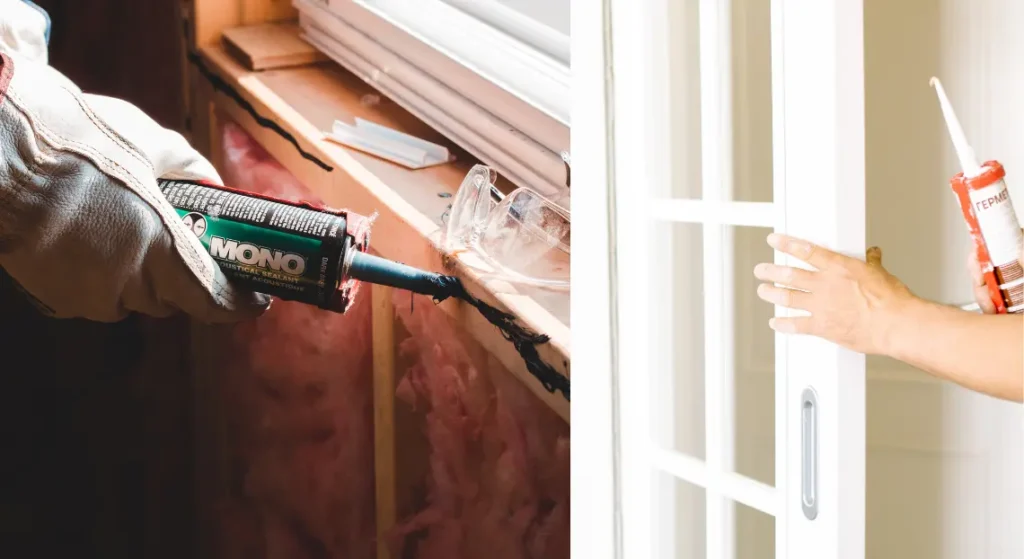
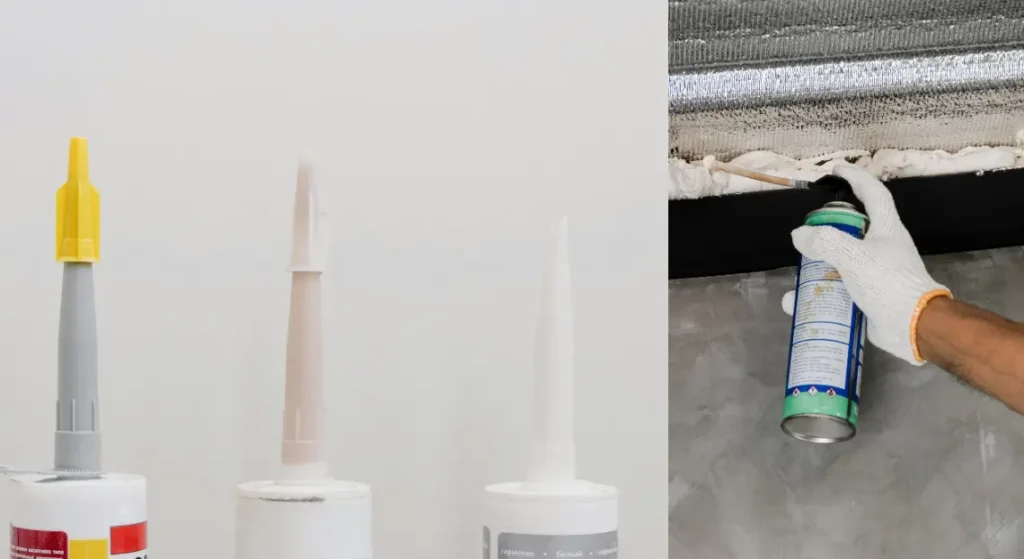
It comes in a tube or cartridge and is easy to apply using a sealant gun. Silicone sealant is flexible, waterproof, and long-lasting, making it suitable for areas like bathrooms, kitchens, windows, and doors.
Key Difference in Simple Words
RTV silicone is a type of silicone material that cures at room temperature, while silicone sealant is a product used for sealing.
In simple terms, RTV silicone is the material, and silicone sealant is how that material is used in practical applications. Many silicone sealants available in the market are actually made using RTV silicone.
RTV Silicone vs Silicone Sealant: Core Differences at a Glance
Here is a quick comparison to understand the main differences:
| Feature | RTV Silicone | Silicone Sealant |
| Definition | A type of silicone that cures at room temperature | A product used to seal joints, gaps, and cracks |
| Use | Used in industrial, automotive, and technical applications | Used in household, construction, and general sealing work |
| Curing | Cures at room temperature when exposed to moisture | Usually also cures at room temperature after application |
| Strength | High strength, suitable for heavy-duty use | Moderate strength, suitable for general use |
| Flexibility | Highly flexible and durable | Flexible but mainly for sealing purposes |
In short:
RTV silicone is more about the material and performance, while silicone sealant is about practical use for sealing jobs.
Composition and Material Difference
RTV Silicone Composition and Material
RTV silicone is made from silicone polymers, mainly based on a silicon–oxygen (Si–O) structure. These polymers give it flexibility and stability. Along with this, manufacturers add fillers, curing agents, and catalysts to control how it behaves.
The curing system is an important part of RTV silicone. It usually includes chemicals like acetoxy, alkoxy, or other compounds that react when exposed to moisture. This reaction forms a strong, rubber-like structure.
Because of this composition, RTV silicone can handle high temperature, pressure, and harsh environments. It is designed more for performance and durability rather than just sealing simple gaps.
Silicone Sealant Composition and Material
Silicone sealant is also made from silicone polymers, mainly polydimethylsiloxane (PDMS). Along with this base, it contains fillers, crosslinking agents, catalysts, and other additives.
These added materials help improve properties like adhesion, flexibility, and resistance to water and weather. Some sealants also release small by-products like acetic acid or alcohol during curing, depending on the type.
Silicone sealant is usually pre-mixed and ready to use. Its composition is balanced to make it easy to apply, smooth, and suitable for everyday sealing work.
How Composition Affects Performance?
The difference in composition directly affects how both materials perform. RTV silicone has a more controlled and engineered formulation, which makes it stronger and more resistant to heat, chemicals, and stress.
Silicone sealant, on the other hand, is designed for ease of use and general-purpose sealing. It still offers good flexibility and water resistance, but it is not always as strong as high-grade RTV silicone.
In simple terms, RTV silicone is built for performance, while silicone sealant is designed for easy and practical use.
Curing Process and Drying Time Comparison
How RTV Silicone Cures at Room Temperature?
RTV silicone cures through a reaction with moisture present in the air. Once it is applied, the outer surface starts reacting first and forms a thin layer. This is called the “skin” stage. After that, the curing process slowly moves from the surface to the inner part.
This type of curing is known as moisture curing. It does not need heat, which is why it works at normal room temperature. The curing speed depends on humidity, temperature, and thickness of the applied layer. Higher humidity and warm conditions help it cure faster.
How Silicone Sealant Cures After Application?
Silicone sealant also cures in a similar way. It reacts with moisture in the air and forms a flexible rubber seal. After application, the surface becomes dry first, while the inner material continues to cure.
Most sealants form a surface layer within a short time, but full curing takes longer. The curing happens from outside to inside, so thicker layers take more time. The process must not be disturbed during this stage to get proper sealing strength.
Drying Time and Working Time Difference
RTV silicone usually forms a surface skin within 10 to 45 minutes and becomes touch-dry within 1 to 2 hours. Full curing for a normal layer takes about 24 hours, but maximum strength can take a few days depending on conditions.
Silicone sealant also shows similar timing. It becomes dry to touch in about 30 to 60 minutes, but full curing usually takes 24 to 48 hours. In thicker applications, it may take even longer.
The main difference is not in basic curing time but in application use. RTV silicone is often used in controlled or technical work where curing conditions are more important. Silicone sealant is used in general work, where ease of use matters more.
In simple terms, both cure in a similar way, but RTV silicone is used where controlled curing and performance matter more, while silicone sealant is used for simple and everyday sealing jobs.
Strength, Flexibility, and Durability Comparison
Strength Comparison Between RTV Silicone and Silicone Sealant
RTV silicone is known for its strong bonding and better performance in demanding conditions. After curing, it forms a tough rubber-like material that can handle stress, vibration, and movement without breaking easily. This makes it suitable for automotive parts, machinery, and industrial sealing where strength matters.
Silicone sealant also provides good bonding, but its strength is moderate. It is designed more for sealing gaps rather than holding heavy loads or handling high pressure. It works well for windows, tiles, and joints, but it is not meant for heavy-duty applications.
In simple terms, RTV silicone is stronger for technical use, while silicone sealant is strong enough for general work.
Flexibility and Elasticity Comparison
Both RTV silicone and silicone sealant are flexible, but RTV silicone offers higher flexibility in many cases. It can stretch and return to its original shape without cracking. This helps it handle vibration, expansion, and temperature changes.
Silicone sealant is also flexible and can handle small movements in joints and surfaces. It is designed to stay elastic over time, which helps prevent cracks in areas like bathrooms and windows.
The main difference is that RTV silicone performs better in high movement or stress conditions, while silicone sealant works well for normal movement.
Long-Term Durability and Performance
RTV silicone offers high durability, especially in harsh conditions. It resists heat, moisture, chemicals, and weather, which helps it last longer in industrial and outdoor environments. It is made for long-term performance where failure is not acceptable.
Silicone sealant also has good durability and can last for years in normal conditions. It resists water, UV light, and weather, which makes it suitable for home and construction use. However, in extreme conditions, it may not perform as well as high-grade RTV silicone.
In simple words, RTV silicone is more durable for tough conditions, while silicone sealant is reliable for everyday use.
Heat and Chemical Resistance Comparison
Heat Resistance Levels of RTV Silicone and Silicone Sealant
RTV silicone is designed to handle high temperatures. Most standard RTV silicones can work in a wide range from around -50°C to 250°C, and some high-temperature grades can go up to 300°C or more.
This makes RTV silicone suitable for engines, machinery, and industrial equipment where heat is high and constant. It also remains stable even when temperature changes frequently.
Silicone sealant also has good heat resistance, but it is usually lower compared to high-grade RTV silicone. General-purpose silicone sealants can handle around 150°C to 200°C in most cases.
This level is enough for household use like kitchens, bathrooms, and windows, but not ideal for very high-heat environments.
Chemical and Weather Resistance Comparison
RTV silicone offers strong resistance to many chemicals such as oils, fuels, coolants, and industrial fluids. It can also resist mild acids and bases, which helps it perform well in automotive and industrial use.
It also has good weather resistance. It can handle moisture, UV exposure, and outdoor conditions without breaking down easily.
Silicone sealant also provides good resistance to water, weather, and basic chemicals. It works well in wet areas and can handle rain, sunlight, and normal cleaning chemicals. However, its resistance is more suitable for light to moderate conditions, not heavy industrial exposure.
Which Performs Better in Extreme Conditions?
RTV silicone clearly performs better in extreme conditions. It is made to handle high heat, strong chemicals, and continuous stress without losing its properties. This is why it is used in engines, heavy equipment, and industrial systems.
Silicone sealant is reliable for everyday use but is not built for extreme environments. It performs well in homes and construction, but may fail under very high heat or strong chemical exposure.
In simple words, RTV silicone is better for harsh and extreme conditions, while silicone sealant is suitable for normal and everyday use.
Application and Usage Comparison
Where RTV Silicone is Commonly Used?
RTV silicone is used in applications where strength, heat resistance, and durability are important. It is widely used in automotive work for sealing engine parts, making gaskets, and fixing components that face high temperature and pressure. It is also used in electronics to protect parts from moisture, dust, and vibration.
In industrial areas, RTV silicone is used for sealing machinery, bonding different materials, and even making molds. It performs well in situations where there is constant stress, movement, or exposure to chemicals. Because it cures into a strong and flexible rubber, it is suitable for both indoor and outdoor technical use.
Where Silicone Sealant is Commonly Used?
Silicone sealant is mainly used for general sealing work in homes and construction. It is commonly applied around sinks, bathtubs, showers, and kitchen areas to prevent water leakage. It is also used to seal gaps in windows and doors to block air and moisture.
In construction work, silicone sealant is used for filling cracks, sealing joints, and improving insulation. It is also used in simple repair work where ease of use is important. Its flexibility helps it handle small movements in surfaces without cracking.
Silicone sealant is popular because it is easy to apply and works well for everyday tasks where extreme performance is not required.
Which One to Use for Different Situations?
The choice depends on the type of work and conditions. RTV silicone is a better option when the job involves high heat, pressure, vibration, or exposure to chemicals. It is suitable for automotive, electrical, and industrial use where strong and long-lasting performance is needed.
Silicone sealant is a better choice for simple sealing tasks in homes and buildings. It works well for waterproofing, gap filling, and general repairs where ease of application is more important than high strength.
In simple terms, use RTV silicone for heavy-duty and technical work, and use silicone sealant for everyday sealing and repair jobs.
Ease of Use and Application Method
How to Apply RTV Silicone Properly?
RTV silicone needs proper surface preparation before use. The surface must be clean, dry, and free from oil, dust, or old material. This step is important to get good bonding.
After cleaning, RTV silicone is applied using a caulking gun, spatula, or directly from a tube. It is spread evenly on the surface or between parts. In many applications like engines, parts are joined while the silicone is still wet. This helps it form a tight seal when it cures.
Once applied, it is usually smoothed using a tool or finger to remove extra material and ensure proper contact. Then it is left to cure at room temperature without disturbance. The process needs some care, especially in technical work, because wrong application can affect performance.
How to Apply Silicone Sealant Easily?
Silicone sealant is easier to apply and is designed for simple use. First, the surface is cleaned and dried properly. Then the sealant tube is placed in a caulking gun, and the nozzle is cut at an angle for smooth flow.
The sealant is applied along the gap or joint in a continuous line. After that, it is smoothed using a finger or tool to get a clean finish. This step also helps in better sealing.
The process is simple and does not require much technical knowledge. It is commonly used in homes for sealing joints in bathrooms, kitchens, and windows.
Which is Easier for Beginners to Use?
Silicone sealant is easier for beginners. It is ready to use, simple to apply, and does not need much precision. Even first-time users can handle it without much difficulty.
RTV silicone requires more care during application. It is often used in technical or mechanical work where correct amount, timing, and placement are important.
In simple words, silicone sealant is best for easy and quick use, while RTV silicone needs more attention and is better for skilled or technical work.
Cost and Availability Comparison
Price Range Difference Between RTV Silicone and Silicone Sealant
RTV silicone comes in a wide price range depending on quality and use. Basic small tubes used for simple work can cost very low, while high-performance industrial grades are much more expensive. For example, small RTV silicone packs can start from around ₹30–₹50, while standard tubes are often in the range of ₹150–₹500.
On the other hand, high-end or specialized RTV silicone used in electronics or industrial work can go up to a few thousand rupees.
Silicone sealant also comes in a similar range, but general-purpose sealants used for home and construction work are usually affordable. Most standard cartridges are priced in the mid-range and are cheaper compared to high-grade RTV silicone.
In simple terms, RTV silicone can be both cheap and expensive depending on its type, while silicone sealant is usually budget-friendly for common use.
Availability in the Market
Silicone sealant is easily available in the market. It can be found in hardware shops, construction stores, and online platforms. It is widely used in homes, so it is easy to find different brands and types for different needs.
RTV silicone is also available in the market, but its availability depends on the type. Basic RTV products are easy to find, but specialized industrial or high-performance grades are mostly available through specific suppliers or online stores.
This means silicone sealant is more common for everyday users, while RTV silicone may require more effort to find for technical applications.
Value for Money Comparison
RTV silicone offers better value when high performance is required. It lasts longer and performs better in heat, pressure, and harsh conditions. Even if the cost is higher, it reduces the chance of failure in critical applications.
Silicone sealant offers good value for simple and daily use. It is affordable, easy to apply, and works well for sealing gaps and joints in homes.
In simple words, RTV silicone gives better value for heavy-duty work, while silicone sealant gives better value for normal and everyday use.
Advantages and Disadvantages
RTV Silicone Advantages and Limitations
RTV silicone offers strong performance in many demanding conditions. One of its main advantages is its ability to handle high temperature and harsh environments without losing its properties. It also has good resistance to chemicals, moisture, and ageing, which makes it reliable for long-term use.
Another key benefit is its flexibility. After curing, it forms a rubber-like material that can handle movement, vibration, and stress without cracking. It also creates a strong and tight seal, which is useful in automotive and industrial work.
However, RTV silicone also has some limitations. It can be more expensive, especially in high-performance grades. It may not stick well to all surfaces, and in some cases, surface preparation is required for proper bonding.
Once cured, it becomes difficult to remove, which can be a problem during repairs or replacement. Some types may also release by-products during curing, which can affect nearby materials.
Silicone Sealant Advantages and Limitations
Silicone sealant is widely used because it is easy to apply and works well for general sealing. It provides good adhesion to many surfaces like glass, metal, and tiles. It also offers strong resistance to water, weather, and UV light, making it suitable for indoor and outdoor use.
Another advantage is its flexibility. It can handle small movements in joints and gaps without cracking. It also has a long service life and can last for many years in normal conditions.
On the downside, silicone sealant has lower mechanical strength compared to high-grade RTV silicone. It is not suitable for heavy-duty or high-stress applications. Some types also have low tear strength and may not perform well under strong mechanical load.
In some cases, paint does not stick well to silicone sealant, and certain types may release acidic by-products during curing.
In simple words, RTV silicone is better for high-performance and technical use, while silicone sealant is better for simple and everyday sealing work.
RTV Silicone vs Silicone Sealant: Which One is Better
Which is Better for Home Use?
For home use, silicone sealant is the better choice in most cases. It is easy to apply, affordable, and works well for sealing gaps in bathrooms, kitchens, windows, and doors. It provides good waterproofing and can handle normal temperature and weather conditions without any problem.
RTV silicone can also be used at home, but it is usually not needed for simple tasks. Its performance is higher than required for basic sealing work, so using it may increase cost without much extra benefit.
Which is Better for Industrial and Heavy-Duty Use?
For industrial work, RTV silicone is the better option. It is designed to handle high stress, pressure, and harsh environments. It offers strong bonding, better durability, and higher resistance to heat and chemicals.
It is commonly used in machinery, equipment, and production systems where failure is not acceptable. Silicone sealant, in comparison, is not strong enough for such demanding conditions and is mainly used for light to moderate applications.
Which is Better for Automotive Applications?
RTV silicone is clearly the better choice for automotive use. It is widely used for sealing engine parts, making gaskets, and handling vibration and heat inside vehicles. It can withstand high temperature and constant movement without cracking.
Silicone sealant is not ideal for engine or mechanical parts because it does not offer the same level of strength and heat resistance. It may work for minor sealing, but not for critical components.
Which is Better for Waterproofing and Sealing?
For general waterproofing, silicone sealant is the better option. It is specially designed to seal joints and prevent water leakage in everyday situations. It works well in wet areas and offers good resistance to moisture and weather.
RTV silicone can also provide waterproof sealing, but it is mainly used when extra strength or resistance is needed. For simple sealing tasks, silicone sealant is more practical and easy to use.
Final Answer: Which One is Better
There is no single “better” option for all situations. The right choice depends on the type of work.
RTV silicone is better for high-performance, automotive, and industrial use, while silicone sealant is better for home, construction, and everyday sealing work.
When to Choose RTV Silicone vs Silicone Sealant?
Choose RTV Silicone for High Heat and Heavy-Duty Work
RTV silicone is the right choice when the job involves high temperature, pressure, or strong mechanical stress. It works well in engines, machinery, and industrial equipment where materials face constant heat and vibration. It also performs better when there is contact with oil, fuel, or chemicals.
Another important point is curing performance. RTV silicone cures by reacting with moisture in the air and forms a strong rubber layer from the outside to the inside. This makes it reliable for tight sealing in technical applications.
If the job is critical and failure can cause damage, RTV silicone is the safer option.
Choose Silicone Sealant for Home and General Use
Silicone sealant is best for simple and everyday tasks. It is widely used for sealing gaps in bathrooms, kitchens, windows, and doors. It provides good waterproofing and can handle normal weather conditions without any issue.
It also cures with moisture from the air and forms a flexible seal over time. The process is simple, and it does not require special tools or skills.
For small repairs, gap filling, and waterproof sealing, silicone sealant is more practical and cost-effective.
Quick Decision Guide for Common Situations
The choice becomes easy when you match the product with the situation. For engine repair, gasket making, or high-heat areas, RTV silicone is the better option. It can handle stress, heat, and chemicals without breaking down.
For sealing bathroom joints, fixing window gaps, or stopping water leakage, silicone sealant is the better choice. It is easy to apply and works well for these conditions.
If the surface will face strong movement, pressure, or harsh conditions, RTV silicone should be used. If the work is simple, low-stress, and focused on sealing only, silicone sealant is enough.
In simple words, use RTV silicone for performance and strength, and use silicone sealant for easy and everyday sealing work.
Common Mistakes to Avoid When Choosing Between Them
Choosing the Wrong Product for the Job
One of the most common mistakes is selecting the wrong product without understanding the actual need. Many people use silicone sealant for high-temperature or heavy-duty work where RTV silicone is required. This can lead to failure, leaks, or damage over time.
On the other hand, using RTV silicone for simple home sealing can increase cost without adding real benefit. The choice should always depend on the application, not just availability or habit.
Ignoring Surface Preparation Before Application
Another major mistake is applying either material on dirty or wet surfaces. Dust, oil, or moisture can prevent proper bonding and cause early failure. Even high-quality silicone will not stick well if the surface is not clean and dry.
Proper cleaning and drying of the surface is necessary for both RTV silicone and silicone sealant to work correctly.
Applying Too Much or Too Little Material
Using the wrong amount of material is also a common problem. Too much sealant can create uneven surfaces and weak joints, while too little can leave gaps and cause leaks.
A thin and even layer is always better for proper sealing and long-term performance.
Not Considering Temperature and Environment
Many users ignore the working conditions such as temperature, humidity, and exposure to chemicals. RTV silicone and silicone sealant both depend on proper environmental conditions for curing.
Very high or very low temperatures can affect curing speed and bonding strength. Choosing a product without checking its working limits can lead to poor results.
Rushing the Curing Process
Another mistake is not giving enough time for curing. Many people use the sealed part before it is fully cured, which can break the seal or reduce strength.
Both RTV silicone and silicone sealant need proper curing time to achieve full performance.
Final Note
Most problems happen due to wrong selection or improper use.
In simple words, choose the right product, prepare the surface well, apply correctly, and allow proper curing time to avoid common mistakes.
Conclusion
RTV silicone and silicone sealant are closely related, but they are not the same. RTV silicone is a type of silicone material designed for high performance. It offers strong bonding, high heat resistance, and long-term durability. Silicone sealant is a ready-to-use product mainly used for sealing gaps and joints in everyday applications.
The main difference comes down to use. RTV silicone is better for automotive, industrial, and heavy-duty work where strength and resistance matter. Silicone sealant is better for home use, construction, and simple sealing tasks where ease of use is important.
Both materials cure in a similar way and offer good flexibility and water resistance. However, their performance level and purpose are different. Choosing the right one depends on the job, working conditions, and required strength.
In simple words, use RTV silicone when you need high performance, and use silicone sealant when you need easy and reliable sealing for daily use.
Frequently Asked Questions (FAQs)
What is the main difference between RTV silicone and silicone sealant?
RTV silicone is a type of silicone material, while silicone sealant is a product used for sealing gaps and joints.
Is RTV silicone stronger than silicone sealant?
Yes, RTV silicone is generally stronger and better for heavy-duty and high-temperature use.
Can silicone sealant handle high temperature?
It can handle moderate heat, but not as high as RTV silicone.
Can RTV silicone be used for home sealing?
Yes, but it is usually not needed for simple home tasks.
Which is better for bathroom sealing?
Silicone sealant is better because it is easy to use and works well in wet areas.
Is RTV silicone waterproof?
Yes, RTV silicone is waterproof and also resistant to moisture and weather.
How long does RTV silicone take to cure?
It usually takes about 24 hours for basic curing, but full strength may take longer.
How long does silicone sealant take to dry?
It becomes touch-dry in about 30–60 minutes and fully cures in 24–48 hours.
Can I use silicone sealant for engine repair?
No, it is not suitable for engine parts. RTV silicone is the better choice.
Which one is easier to use for beginners?
Silicone sealant is easier to use and more suitable for beginners.