
Introduction: RTV Silicone vs Silicone
Silicone is a flexible material made from silicon, oxygen, carbon, and hydrogen. It is used in many forms like rubber, sealants, oils, and gels. You can find silicone in products such as sealants, medical items, kitchen tools, and industrial parts. It is known for its heat resistance, flexibility, and durability.
RTV silicone is a type of silicone that cures at room temperature. RTV stands for “Room Temperature Vulcanizing.” It starts as a paste or liquid and turns into rubber without the need for heat. It is mainly used for sealing, bonding, and making gaskets.
People often get confused between the two because RTV silicone is part of the silicone family. The word “silicone” is used as a general term, while RTV silicone is a specific type used for practical, ready-to-use applications. In simple words, all RTV silicone is silicone, but not all silicone is RTV.
RTV Silicone vs Silicone: Composition and Material Structure
Silicone Composition and Structure
Silicone is a polymer made from repeating units of silicon and oxygen atoms. These atoms form a strong backbone called a siloxane chain (Si–O–Si). Each silicon atom is also attached to organic groups like methyl or phenyl, which give flexibility to the material.
This structure makes silicone different from normal plastics. Most plastics have a carbon-based backbone, but silicone has a silicon-oxygen backbone. Because of this, silicone can handle high and low temperatures, resist water, and stay stable for a long time.
Silicone is not just one material. It can be made into fluids, resins, or rubber depending on how the polymer chains are arranged and connected. The final structure depends on the manufacturing process and the level of crosslinking between chains.
RTV Silicone Composition and Structure
RTV silicone is made from the same basic silicone polymers, but it includes extra components that allow it to cure at room temperature. It contains silicone base polymers, fillers, and a curing system such as catalysts or crosslinking agents.
The curing process starts when the material reacts with moisture in the air or when two components are mixed. This reaction creates crosslinks between polymer chains, turning the soft material into a solid rubber structure.
Some RTV silicones release small byproducts like acetic acid or alcohol during curing, depending on the type of crosslinking system used.
Key Material Difference
The main difference is in how the structure is formed and activated. Silicone is the base material with a stable polymer structure. RTV silicone is a ready-to-use system where the same structure is designed to form and harden at room temperature through a chemical reaction.
In simple terms, silicone is the raw material, while RTV silicone is a modified form that includes curing agents to quickly create a usable rubber structure.
RTV Silicone vs Silicone: Types and Variants
Main Types of Silicone Materials
Silicone is not a single product. It is available in different types based on how it is processed and cured. The most common types are HTV, LSR, and RTV.
HTV silicone means high-temperature vulcanizing silicone. It is a solid material that needs heat and pressure to cure. It is mostly used in industrial manufacturing for making strong rubber parts. It offers high strength and durability, which makes it suitable for heavy-duty applications.
LSR stands for liquid silicone rubber. It is a liquid form of silicone that is processed using injection molding. It usually comes in two parts and cures with the help of heat and a catalyst. LSR is widely used in medical, food-grade, and precision products because it flows easily and gives accurate shapes.
RTV silicone is also a type of silicone, but it is different because it cures at room temperature. It is mainly used for sealing, bonding, and small-scale applications instead of mass production.
Types of RTV Silicone
RTV silicone is further divided into two main types based on how it cures.
RTV-1 is a one-component system. It is ready to use and cures when exposed to moisture in the air. It usually cures from the outside surface toward the inside. This type is commonly used as sealants and adhesives because it is simple to apply.
RTV-2 is a two-component system. It requires mixing a base material with a curing agent before use. After mixing, it cures through a chemical reaction and forms a more uniform and stronger rubber. It is often used for mold making, casting, and industrial applications.
Key Difference in Types and Categories
The main difference is in classification. Silicone includes many types like HTV, LSR, and RTV, each designed for different processes and uses. RTV silicone is only one category within this larger group.
In simple terms, silicone has multiple variants for different industries, while RTV silicone is a specific variant mainly used for easy, room-temperature applications.
RTV Silicone vs Silicone: Curing Process
How Silicone Cures in Different Forms
Silicone does not have one single curing method. The curing process depends on the type of silicone used. Some types need heat, while others need special conditions.
For example, high-temperature silicone (HTV) cures only when heat and pressure are applied. It is usually processed at high temperatures, often above 150°C, to form a strong and stable rubber.
Liquid silicone rubber (LSR) also needs heat to cure. It is injected into molds and then heated to complete the curing process quickly. This method is used in large-scale manufacturing because it gives fast and consistent results.
In general, standard silicone materials require controlled conditions like heat, pressure, or catalysts to complete curing. This makes them suitable for factory production, but not always practical for direct or on-site use.
How RTV Silicone Cures at Room Temperature
RTV silicone is designed to cure without heat. It hardens at normal room temperature through a chemical reaction.
In one-part RTV silicone, curing starts when the material reacts with moisture in the air. It usually begins from the outer surface and slowly moves inward.
In two-part RTV silicone, curing starts when two components are mixed together. This creates a chemical reaction that forms a solid rubber structure.
Depending on the type, curing can take a few minutes to several hours, and full curing may take up to a day.
Practical Difference in Real Use
The main difference is in ease of use and application. Standard silicone types need machines, heat, and controlled setups, so they are mainly used in factories.
RTV silicone can be used directly without special equipment. It can be applied by hand and cures on its own, which makes it ideal for sealing, repairs, and small jobs.
In simple terms, silicone often needs a controlled process to cure, while RTV silicone is made for simple and direct use at room temperature.
RTV Silicone vs Silicone: Properties and Performance
Flexibility and Elasticity Comparison
Both silicone and RTV silicone are flexible materials, but their performance depends on formulation and use. Standard silicone is known for its high flexibility and elasticity. It can bend, stretch, and return to its original shape without damage, even after long use.
RTV silicone also offers good flexibility, but it is usually designed for sealing and bonding. It can stretch and handle movement, but its mechanical strength may be slightly lower than some industrial silicone types.
Heat Resistance and Temperature Range
Silicone performs very well in extreme temperatures. Most silicone materials can handle both very high and very low temperatures without losing their properties. In many cases, it can work from below -50°C to above 200°C.
RTV silicone also has strong heat resistance, but the exact limit depends on the type and additives used. Many RTV silicones can handle temperatures around 200°C or more, which is enough for sealing and gasket applications.
Chemical and Environmental Resistance
Silicone has excellent resistance to chemicals, water, UV light, and oxidation. It does not react easily with most substances, which makes it stable in harsh environments.
RTV silicone also shows strong chemical resistance. It can resist oils, acids, moisture, and weather conditions. This makes it suitable for outdoor sealing and industrial use.
Durability and Lifespan
Silicone is highly durable and maintains its properties for a long time. It does not crack easily and performs well under stress, heat, and environmental exposure.
RTV silicone is also durable, especially for sealing and bonding. It resists aging and keeps its flexibility over time, but its strength may vary based on formulation.
Ease of Use and Application
Silicone materials used in industries often require machines, heat, and controlled processes. This makes them less convenient for direct use.
RTV silicone is easy to use. It can be applied directly and cures on its own at room temperature. This makes it ideal for repairs, sealing, and quick applications.
In simple terms, both materials offer strong performance, but silicone is more versatile for industrial use, while RTV silicone is easier and more practical for direct applications.
RTV Silicone vs Silicone: Applications and Uses
Where Silicone Is Commonly Used
Silicone is used in many industries because of its strength, stability, and resistance to heat and chemicals. It is widely used in manufacturing, medical, and industrial applications.
In industrial use, silicone is used to make gaskets, seals, insulation parts, and molded components. These parts are often made using heat-cured silicone because it gives high strength and long life. It is also used in automotive and aerospace industries where parts must handle heat and pressure.
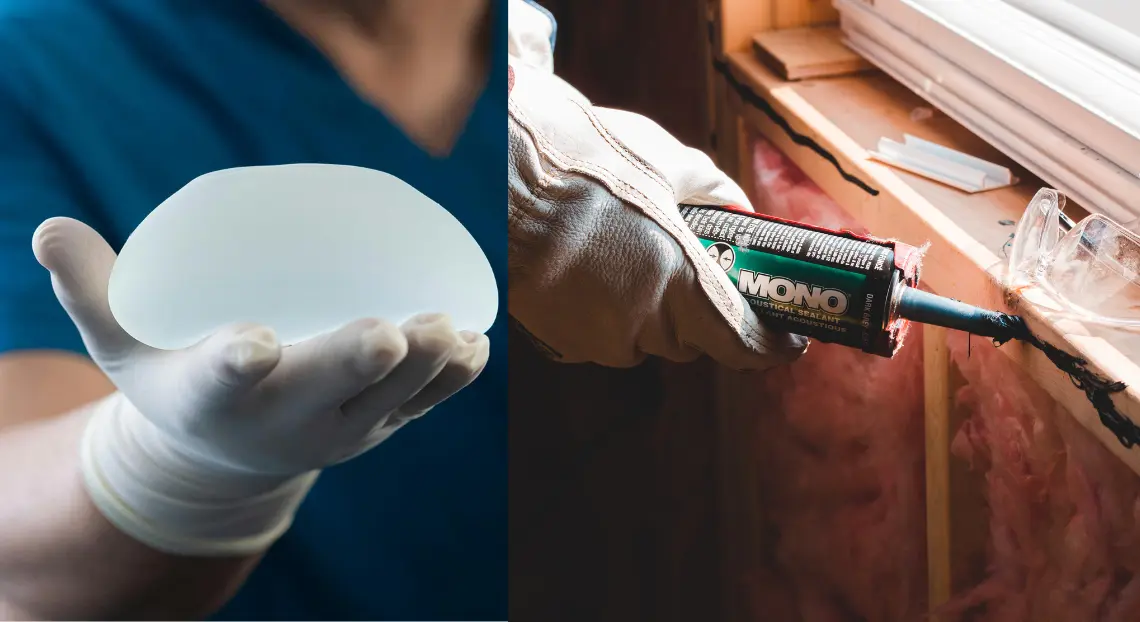
In the medical field, silicone is used in products like tubing, implants, and medical devices. It is safe, flexible, and does not react easily with the body.
In manufacturing, silicone is used for making precise parts using processes like injection molding. Liquid silicone rubber is commonly used where accuracy and clean finishing are required, such as in food-grade and healthcare products.
Overall, silicone is mainly used in factory production where controlled processes and high performance are required.
Where RTV Silicone Is Commonly Used?
RTV silicone is mainly used for sealing, bonding, and repair work. It is popular because it is easy to apply and cures at room temperature.
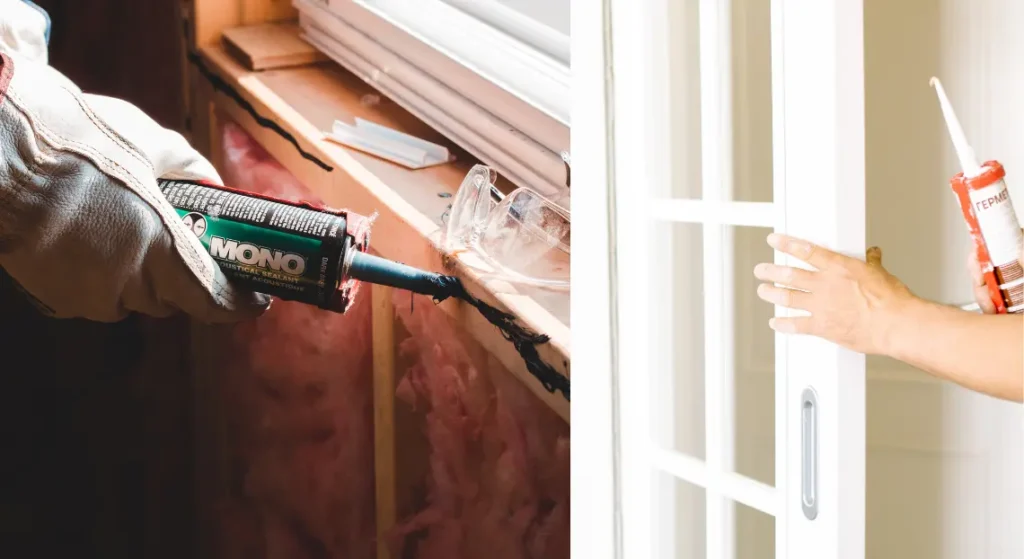
One of the most common uses is as a sealant. It is used to seal joints, gaps, and surfaces to protect against water, air, and dust. It is widely used in construction, plumbing, and household repairs.
In the automotive industry, RTV silicone is used for gasket making and sealing engine parts like valve covers and oil pans. It can handle heat, vibration, and oil exposure.
RTV silicone is also used in electronics to protect components from moisture and dust. In addition, it is used for mold making, DIY projects, and small repairs because it is simple to use and does not need special equipment.
Side-by-Side Application Difference
The main difference is in how and where they are used. Silicone is mainly used in industrial production where strength, precision, and large-scale manufacturing are important.
RTV silicone is used in practical, everyday applications like sealing, repairing, and bonding. It is designed for direct use without machines or heat.
In simple words, silicone is used to make products, while RTV silicone is used to fix, seal, and assemble them.
RTV Silicone vs Silicone: Advantages and Limitations
Benefits and Drawbacks of Silicone
Silicone offers many advantages because of its stable structure. It can handle a wide range of temperatures without losing its shape or properties. It also shows strong resistance to chemicals, moisture, and weather, which makes it reliable in harsh conditions. Silicone keeps its flexibility for a long time and does not crack easily. These properties make it useful in industrial, medical, and high-performance applications.
Another benefit is its long lifespan. Silicone products can work for years without major changes in performance. It also has good insulation properties, which is useful in electrical and electronic applications.
However, silicone also has some limitations. It has lower tear strength and can get damaged under high mechanical stress or friction. It is not the best choice for heavy load or high-wear environments.
Silicone is also more expensive compared to many other rubber materials. In addition, some types may not resist certain fuels or strong solvents, which can limit their use in specific conditions.
Benefits and Drawbacks of RTV Silicone
RTV silicone has clear advantages in practical use. It is easy to apply and cures at room temperature, so no special equipment is needed. This makes it useful for sealing, bonding, and repair work. It also provides good flexibility, weather resistance, and chemical resistance, which helps in long-term sealing applications.
RTV silicone forms strong, waterproof, and airtight seals. It can handle heat and environmental exposure, which makes it suitable for automotive, construction, and electrical uses.
At the same time, RTV silicone has some limitations. It usually has lower mechanical strength compared to heat-cured silicone, so it is not ideal for heavy structural use.
Some types may not stick well to certain surfaces, which can affect bonding performance. Once cured, it can also be difficult to remove.
In simple terms, silicone is stronger and more durable for industrial use, while RTV silicone is easier to use but better suited for sealing and light applications.
RTV Silicone vs Silicone: Cost and Availability
Cost Difference Between Silicone and RTV Silicone
The cost of silicone and RTV silicone depends on type, grade, and application. In general, standard silicone materials are more cost-effective, especially in large-scale production. This is because they are produced in bulk and use simpler formulations.
RTV silicone is usually more expensive per unit. This is because it includes added curing agents, special additives, and ready-to-use formulation. These features increase production cost. High-performance RTV types, such as those used in automotive or electronics, can cost even more due to better quality and specific properties.
However, in small jobs or repair work, RTV silicone can be more cost-effective. It does not need machines, heat, or setup cost, which reduces overall expense for short-term or small-scale use.
Market Availability and Supply
Both silicone and RTV silicone are widely available in the market. Silicone materials are supplied in many forms like rubber sheets, liquids, and molded parts. These are mostly available through industrial suppliers and manufacturers.
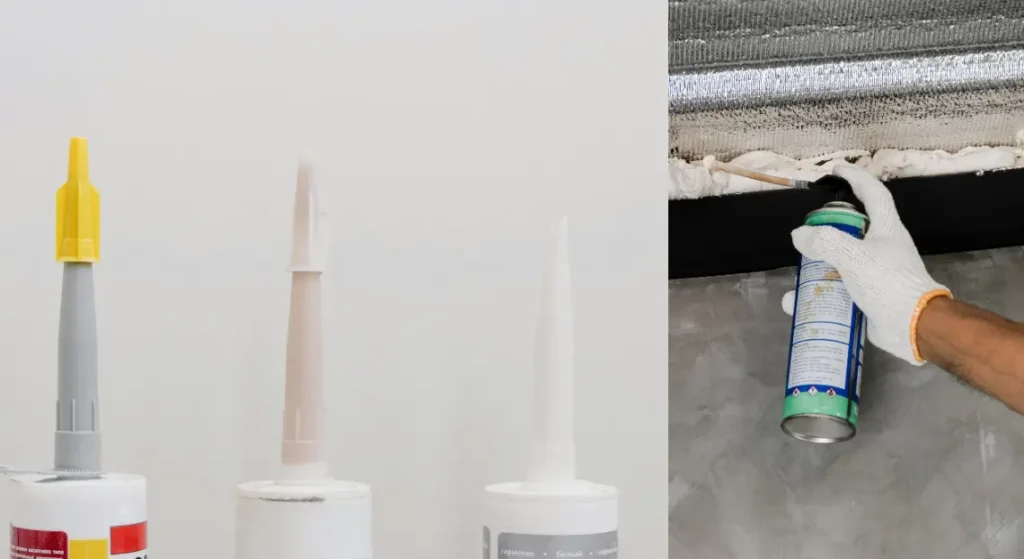
RTV silicone is easily available in ready-to-use forms such as tubes, cartridges, and kits. It is commonly sold in hardware stores, automotive shops, and online platforms. This makes it more accessible for general users and small businesses.
Some specialized RTV silicones, such as medical-grade or high-temperature types, may have limited availability and may require specific suppliers or bulk orders.
Ease of Purchase and Use
Silicone materials used in industries are not always easy to purchase for regular users. They may require bulk orders, technical knowledge, and processing equipment.
RTV silicone is simple to buy and use. It is sold in small packaging and can be applied directly without special tools. This makes it suitable for repairs, sealing, and DIY work.
In simple terms, silicone is more cost-effective for large-scale production, while RTV silicone is easier to buy and use for small and direct applications.
RTV Silicone vs Silicone: Common Mistakes to Avoid
Confusing Silicone with Sealant
One of the most common mistakes is thinking that all silicone products are sealants. Silicone is a material, while sealants are just one form of it. Not every silicone product is made for sealing or bonding. Using the wrong type can lead to poor results, such as weak joints or failure under stress.
For example, industrial silicone materials are designed for manufacturing, not for direct application. On the other hand, RTV silicone is made for sealing and repair work. Choosing the wrong form can cause problems like poor adhesion or early failure.
Choosing the Wrong Curing Type
Another common mistake is selecting the wrong curing system. Some silicone types need heat and controlled conditions, while RTV silicone cures at room temperature.
Using heat-cured silicone in a situation where no equipment is available will not work. In the same way, using RTV silicone for high-strength industrial parts can lead to weak performance. Each type is designed for a specific curing process.
In two-part RTV silicone, incorrect mixing can also stop proper curing. If the ratio is wrong, the material may stay soft or not harden at all.
Ignoring Application Requirements
Many failures happen because users ignore basic application needs. Surface preparation is one of the biggest factors. Applying silicone on dirty, oily, or wet surfaces can reduce bonding strength and cause leaks.
Another issue is uneven application. Too much or too little material can create gaps or weak sealing.
Curing conditions also matter. Temperature, humidity, and curing time affect performance. Rushing the curing process can lead to weak bonding and early failure.
In simple terms, most mistakes happen due to wrong product choice, poor surface preparation, and ignoring curing conditions. Choosing the right type and following proper steps helps avoid these problems.
Conclusion
RTV silicone and silicone are closely related, but they are not the same. Silicone is a broad material used in many forms across industries, while RTV silicone is a specific type designed to cure at room temperature.
The main difference comes down to usage and convenience. Standard silicone types are used in manufacturing and require heat or special processes to cure. RTV silicone is made for direct use, especially for sealing, bonding, and repair work.
Both have strong properties like flexibility, heat resistance, and durability. However, silicone is better for high-performance and industrial applications, while RTV silicone is better for simple, practical use.
In simple terms, choose silicone when you need strength and large-scale production. Choose RTV silicone when you need an easy, ready-to-use solution for sealing or fixing.
Frequently Asked Questions (FAQs)
What is the main difference between RTV silicone and silicone?
RTV silicone is a type of silicone that cures at room temperature, while silicone is a general material with many types.
Is RTV silicone stronger than regular silicone?
RTV silicone is not always stronger. Heat-cured silicone types are usually stronger for industrial use.
Can RTV silicone be used as a sealant?
Yes, RTV silicone is commonly used as a sealant for joints, gaps, and surfaces.
Does silicone always need heat to cure?
No, some types like RTV silicone cure at room temperature, while others need heat.
Where is RTV silicone mainly used?
It is mainly used for sealing, bonding, repairs, and gasket making.
Is RTV silicone waterproof?
Yes, RTV silicone forms a waterproof and airtight seal after curing.
Can RTV silicone handle high temperatures?
Yes, many RTV silicones can handle high temperatures, but limits depend on the type.
Is silicone safe for medical use?
Yes, certain medical-grade silicone types are safe and widely used in healthcare.
Can RTV silicone be removed after curing?
It can be removed, but it is difficult and may require tools or chemicals.
Which is better for DIY work, RTV silicone or silicone?
RTV silicone is better for DIY work because it is easy to apply and cures without heat.