
What is Marine Caulk?
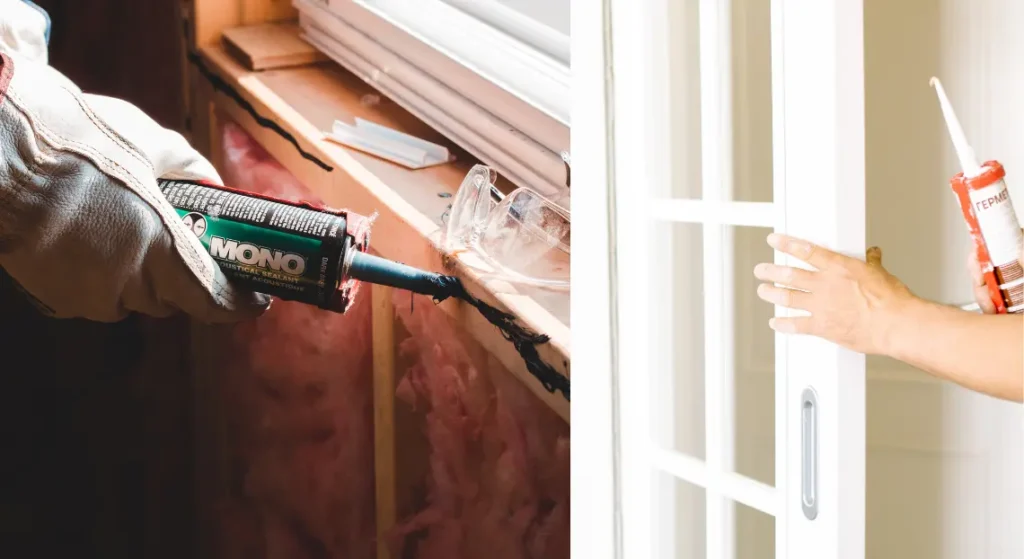
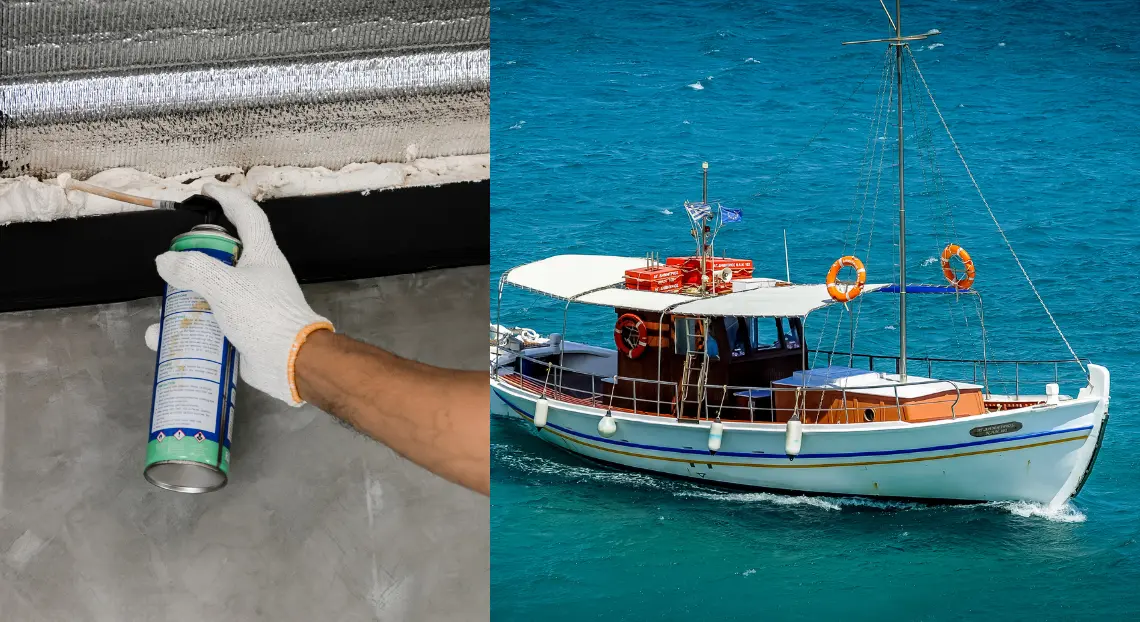
Marine caulk is a waterproof sealing material used to fill gaps, joints, and seams in boats and other marine structures. It helps prevent water, moisture, air, and dirt from entering openings that can cause leaks or damage over time. Marine caulk is specially designed to handle harsh marine conditions such as saltwater exposure, sunlight, rain, humidity, and constant movement.
The main purpose of marine caulk is to create a strong and flexible seal between surfaces. It is commonly used around boat decks, hull seams, windows, hatches, and marine hardware. Unlike regular household caulk, marine caulk is made to stay durable even when exposed to water and changing weather conditions for long periods.
Marine caulk protects boats and marine surfaces by blocking water penetration and reducing the risk of corrosion, rot, cracking, and structural damage. Its flexible nature also allows it to absorb vibrations and movement without breaking the seal. This helps improve the durability, safety, and lifespan of marine equipment and structures.
How Marine Caulk Seals Gaps and Joints?
Marine caulk works by filling empty spaces, joints, and small gaps between two surfaces. After application, the caulk spreads into the opening and forms a tight seal as it cures. This seal blocks water, air, dust, and moisture from entering the surface. It also helps hold different parts together and reduces the chance of leaks in boats and marine structures.
Marine caulk is commonly used around boat decks, hull seams, windows, hatches, screws, and marine fittings. These areas are often exposed to water and movement. Without proper sealing, water can slowly enter the structure and cause corrosion, wood rot, mold, or damage to internal materials. Marine caulk helps prevent these problems by creating a durable waterproof barrier.
Waterproof and Flexible Protection
One of the most important features of marine caulk is its waterproofing ability. Marine environments involve constant exposure to rain, waves, splashing water, and humidity. Marine caulk is specially made to resist water penetration even in harsh conditions. Unlike standard household sealants, marine caulk can maintain its seal for a long time without breaking down easily.
Marine caulk also stays flexible after curing. Boats naturally move, vibrate, and flex because of waves, engine vibration, and temperature changes. A rigid sealant can crack under this movement, but marine caulk can stretch and return to shape without losing adhesion. This flexibility helps the seal remain strong even during continuous motion.
Resistance to Saltwater, Sunlight, and Vibration
Marine caulk is designed to handle harsh outdoor conditions. It resists saltwater, UV rays, weather changes, and mechanical stress that can weaken normal sealants. Saltwater can cause corrosion and damage weaker materials, while sunlight can dry out or crack ordinary caulk. Marine caulk is made to stay durable under these conditions and protect marine surfaces for longer periods.
Main Features of Marine Caulk
Marine caulk is made to handle harsh marine conditions and provide reliable sealing performance for boats and outdoor marine structures. Its special properties help protect surfaces from water damage, weather exposure, and constant movement.
Waterproof Sealing Performance
One of the main features of marine caulk is its strong waterproof sealing ability. It fills gaps, seams, and joints to stop water from entering the surface. This helps prevent leaks, moisture buildup, mold growth, wood rot, and corrosion inside boats and marine equipment. Marine caulk keeps the sealed area protected even during continuous exposure to water and humidity.
UV and Weather Resistance
Marine caulk is designed to resist sunlight, rain, wind, and changing weather conditions. Constant UV exposure can damage ordinary sealants and cause cracking or drying over time. Marine caulk stays stable and durable even under strong sunlight and outdoor conditions. This makes it suitable for long-term marine use.
Flexibility Under Movement and Vibration
Boats and marine structures experience regular movement from waves, engine vibration, and temperature changes. Marine caulk remains flexible after curing, allowing it to expand and contract without cracking. This flexibility helps maintain a strong seal even when surfaces move or vibrate continuously.
Strong Bonding Strength
Marine caulk provides strong adhesion to materials such as fiberglass, wood, metal, plastic, and glass. It forms a tight bond between surfaces and helps keep joints sealed for long periods. Good adhesion also improves the durability and stability of marine fittings and components.
Resistance to Saltwater Damage
Saltwater can quickly damage weak sealants and exposed surfaces. Marine caulk is specially made to resist saltwater exposure and reduce the risk of corrosion and material damage. This makes it reliable for both freshwater and saltwater environments.
Long-Lasting Surface Protection
Marine caulk offers durable protection against moisture, weather, and wear. When properly applied and maintained, it can last for years and help extend the life of boats, marine hardware, and sealed surfaces.
Common Types of Marine Caulk
Different types of marine caulk are available for different sealing and repair needs. Each type has its own properties, advantages, and limitations. Choosing the right marine caulk depends on the surface material, water exposure, flexibility needs, and application area.
Silicone Marine Caulk
Silicone marine caulk is one of the most commonly used sealants for marine applications. It is known for its waterproof sealing, flexibility, and strong resistance to sunlight and weather. Silicone caulk works well on glass, plastic, ceramic, and metal surfaces.
It is mainly used for sealing boat windows, hatches, and above-waterline areas. Silicone marine caulk remains flexible for long periods and handles temperature changes well. However, it usually cannot be painted and may not provide the strongest bond for heavy structural applications.
Polyurethane Marine Caulk
Polyurethane marine caulk is a strong and durable sealant used in many heavy-duty marine applications. It creates a tough bond and offers excellent resistance to water, vibration, and movement. This type of caulk is commonly used for hull seams, deck fittings, and below-waterline sealing.
Polyurethane caulk provides high strength and long-lasting performance. It also bonds well with fiberglass, wood, and metal surfaces. However, it can be difficult to remove once cured because of its strong adhesive properties.
Polysulfide Marine Caulk
Polysulfide marine caulk is known for its excellent resistance to fuel, oil, chemicals, and saltwater. It is often used in wooden boats, deck seams, and fuel tank areas where chemical resistance is important.
This type of marine caulk stays flexible and durable under harsh marine conditions. It also provides good weather resistance. One limitation is that it usually takes longer to cure compared to some other marine sealants.
Hybrid Polymer Marine Caulk
Hybrid polymer marine caulk combines the flexibility of silicone with the strength of polyurethane. It offers strong adhesion, UV resistance, weather durability, and paintability.
This type of marine caulk is used in both interior and exterior marine sealing applications. It works on many different surfaces and provides balanced performance for general marine use.
Common Uses of Marine Caulk
Marine caulk is used in many sealing and waterproofing applications in boats, ships, RVs, and outdoor structures. It helps prevent water leaks, protects surfaces from moisture damage, and improves the durability of marine equipment. Different types of marine caulk are used depending on the location and sealing requirements.
Sealing Boat Decks
Marine caulk is widely used for sealing boat decks and deck joints. Small gaps can form between deck sections because of movement, vibration, and weather exposure. Marine caulk fills these gaps and creates a waterproof seal that helps stop water from entering the deck structure. This helps reduce the risk of wood rot, corrosion, and internal damage.
Sealing Hull Joints and Seams
Boat hulls contain many seams and joints that are constantly exposed to water pressure and movement. Marine caulk helps seal these areas and prevents leaks from developing. Strong marine sealants are often used below the waterline because they can handle continuous water exposure and vibration.
Installing Marine Hardware
Marine hardware such as railings, cleats, screws, and fittings must be sealed properly during installation. Marine caulk is applied around mounting holes and hardware bases to stop water from entering the surface. This helps protect the surrounding material from moisture damage and corrosion.
Sealing Windows and Hatches
Boat windows, hatches, and portlights require waterproof sealing to prevent water leaks during rain or rough water conditions. Marine caulk creates a flexible seal around these openings and helps maintain long-term protection against moisture and weather exposure.
Repairing Small Cracks and Gaps
Marine caulk is also used for repairing small cracks, gaps, and damaged seams in boats and marine equipment. It helps restore waterproof protection and prevents the damage from spreading further.
RV and Outdoor Waterproofing Applications
In addition to boats, marine caulk is commonly used in RVs, trailers, docks, and outdoor equipment. Its waterproof and weather-resistant properties make it suitable for sealing roofs, joints, windows, and exterior surfaces exposed to moisture and sunlight.
Marine Caulk vs Regular Caulk
Marine caulk and regular household caulk may look similar, but they are made for very different conditions. Marine caulk is specially designed for boats, marine equipment, and outdoor areas exposed to water, sunlight, vibration, and harsh weather. Regular caulk is mainly used for indoor household sealing jobs such as bathrooms, kitchens, windows, and small wall gaps.
Difference in Water Resistance
The biggest difference between marine caulk and regular caulk is water resistance. Marine caulk is made to handle continuous exposure to freshwater, saltwater, humidity, and heavy rain. It creates a strong waterproof seal that can stay effective even in harsh marine environments. Some marine sealants are also suitable for below-waterline applications where constant water contact is common.
Regular household caulk is usually water-resistant, not fully waterproof for long-term marine exposure. It may work in bathrooms or kitchens, but constant contact with water can weaken the seal over time. This can lead to cracks, peeling, leaks, and moisture damage.
Difference in Durability and Flexibility
Marine caulk is built to resist UV rays, saltwater, temperature changes, and vibration. Boats constantly move because of waves and engine vibration, so marine caulk stays flexible after curing and can handle surface movement without cracking. It also provides stronger adhesion to materials such as fiberglass, metal, wood, and plastic.
Regular caulk is not designed for this type of stress. Many standard household caulks become brittle, shrink, or lose adhesion when exposed to outdoor marine conditions for long periods.
Why Regular Caulk Is Not Suitable for Marine Use?
Using regular household caulk on boats or marine structures can cause sealing failure and water leaks. It may not resist saltwater, sunlight, or continuous moisture exposure properly. Marine-specific sealants are specially formulated for these harsh conditions and provide longer-lasting protection and better performance.
Marine Caulk vs Marine Silicone
Marine caulk and marine silicone are closely related, but they are not exactly the same. Marine caulk is a general term used for different types of marine sealants, while marine silicone is one specific type of marine caulk made with silicone-based material. Marine caulk can include silicone, polyurethane, polysulfide, and hybrid polymer sealants. Each type is designed for different sealing and waterproofing needs in marine environments.
Main Difference Between Marine Caulk and Marine Silicone
The main difference is in the material composition and performance. Marine silicone is mainly designed for flexible waterproof sealing and weather resistance. It works well on glass, plastic, ceramic, and some metal surfaces. Silicone sealants stay flexible for long periods and handle UV exposure and temperature changes very well.
Other marine caulks, especially polyurethane and polysulfide sealants, are usually stronger and more durable for heavy-duty marine applications. They provide better adhesion and are often used for structural sealing, deck fittings, hull seams, and below-waterline applications. Some marine caulks can also be painted, while most silicone sealants cannot.
Best Uses for Marine Silicone
Marine silicone is commonly used for sealing boat windows, hatches, portlights, and above-waterline areas. It is a good choice when flexibility, waterproofing, and UV resistance are the main requirements. Silicone is also easier to apply and works well in areas with light movement and weather exposure.
Best Uses for Other Marine Caulks
Polyurethane marine caulk is commonly used for strong bonding and permanent sealing jobs. It is suitable for hull joints, deck hardware, and areas exposed to heavy stress and vibration. Polysulfide marine caulk is often used in wooden boats and fuel-related areas because of its chemical and fuel resistance.
Choosing between marine silicone and other marine caulks depends on the surface material, water exposure, flexibility needs, and strength requirements.
How to Choose the Right Marine Caulk?
Choosing the right marine caulk is important for getting a strong and long-lasting seal. Different marine sealants are made for different surfaces and conditions. Selecting the wrong product can lead to leaks, weak bonding, or early seal failure. Several factors should be considered before choosing a marine caulk.
Check Surface Material Compatibility
Marine caulk should be compatible with the material being sealed. Boats and marine structures are made from fiberglass, wood, aluminum, metal, plastic, and glass. Some sealants bond better with certain materials than others. Silicone marine caulk works well on glass and plastic surfaces, while polyurethane sealants usually provide stronger bonding on fiberglass, wood, and metal.
Consider Above or Below Waterline Use
The sealing location is another important factor. Some marine caulks are designed only for above-waterline applications such as windows, hatches, and deck fittings. Other heavy-duty sealants are suitable for below-waterline areas where constant water exposure is common. Below-waterline applications require stronger waterproofing and higher durability to handle continuous moisture and pressure.
Choose the Right Flexibility Level
Boats constantly move because of waves, engine vibration, and temperature changes. Marine caulk should remain flexible after curing so it can handle movement without cracking. Flexible sealants work better for joints, seams, and areas exposed to vibration. Rigid sealants may fail faster in moving marine environments.
Check UV and Weather Resistance
Marine surfaces are exposed to sunlight, rain, wind, and humidity for long periods. UV-resistant marine caulk can better handle outdoor conditions without drying, shrinking, or cracking. This is especially important for deck surfaces, windows, and exterior sealing jobs exposed to direct sunlight.
Decide Between Permanent and Removable Seal
Some marine caulks create a permanent bond that is very difficult to remove after curing. These are commonly used for structural and heavy-duty applications. Other sealants are easier to remove and are better for parts that may require future maintenance or replacement. Choosing the correct type depends on whether the sealed component may need to be removed later.
How to Apply Marine Caulk Properly?
Proper application is important for getting a strong and long-lasting seal. Even high-quality marine caulk can fail if the surface is dirty or the sealant is applied incorrectly. Good preparation and correct application help improve waterproofing, adhesion, and durability.
Clean and Prepare the Surface
Before applying marine caulk, the surface should be completely clean and dry. Dirt, grease, oil, dust, salt, and old sealant can reduce bonding strength and cause the seal to fail. Old caulk should be removed carefully using a scraper or suitable tool. After cleaning, the surface should be wiped with a recommended solvent to remove residue and improve adhesion. Some surfaces may also require light sanding for better bonding.
Use the Right Application Tools
A standard caulking gun is commonly used for applying marine caulk. The nozzle should be cut at a 45-degree angle based on the required bead size. Masking tape can be placed around the sealing area to create clean edges and reduce mess during application. Using the correct tools helps apply the sealant evenly and improves the final finish.
Apply the Marine Caulk Evenly
Marine caulk should be applied in a smooth and continuous bead along the joint or gap. Steady pressure should be used while moving the caulking gun slowly across the surface. The sealant must fully contact both sides of the joint to create a proper waterproof seal. Overapplying the caulk can create uneven surfaces and increase cleanup work.
Smooth the Sealant Properly
After application, the bead should be smoothed before the sealant starts forming a skin. This process improves adhesion and creates a cleaner appearance. A caulking tool or a gloved finger can be used to smooth the seal evenly. Masking tape should be removed before the caulk fully dries.
Allow Proper Drying and Curing Time
Marine caulk requires proper drying and curing time for maximum strength and waterproof performance. Drying time depends on the sealant type, temperature, and humidity levels. Some marine sealants may dry within hours, while full curing can take several days. The sealed area should be protected from heavy water exposure until the curing process is complete.
Common Mistakes to Avoid When Using Marine Caulk
Marine caulk can provide strong waterproof sealing and long-lasting protection when applied correctly. However, small mistakes during application can reduce sealing performance and lead to leaks, weak bonding, or early seal failure. Understanding these common mistakes can help improve the durability and effectiveness of marine caulk.
Applying Marine Caulk on Dirty or Wet Surfaces
One of the most common mistakes is applying marine caulk on surfaces that are dirty, oily, salty, or wet. Dust, grease, moisture, and old sealant can prevent the caulk from bonding properly. Poor surface preparation often causes peeling, cracking, or water leakage over time. The surface should always be cleaned, dried, and prepared before applying any marine sealant.
Using the Wrong Type of Marine Caulk
Different marine caulks are made for different applications. Some sealants are suitable only for above-waterline areas, while others are designed for below-waterline use and heavy-duty sealing. Using the wrong type can reduce durability and waterproof performance. Silicone, polyurethane, polysulfide, and hybrid sealants all have different properties and should be selected based on the surface material and sealing conditions.
Applying Too Much or Too Little Caulk
Overapplying marine caulk can create messy joints, uneven surfaces, and longer curing times. Underapplying can leave gaps and weak sealing areas that allow water to enter. The sealant should be applied in a smooth and even bead that fully covers the joint without excessive buildup.
Ignoring Drying and Curing Time
Many people expose the sealed area to water too early before the caulk has fully cured. This can weaken the seal and reduce bonding strength. Marine caulk needs proper curing time to reach maximum waterproof performance. Drying and curing time can vary depending on the sealant type, temperature, and humidity.
Using Household Caulk for Marine Applications
Regular household caulk is not designed for harsh marine conditions. It may crack, shrink, or lose adhesion when exposed to saltwater, sunlight, vibration, and continuous moisture. Marine-specific caulk is specially made to handle these conditions and provide longer-lasting protection.
Advantages of Marine Caulk
Marine caulk provides strong sealing and waterproof protection for boats, marine equipment, and outdoor structures. It is specially designed to handle harsh marine conditions such as water exposure, sunlight, vibration, and changing weather. Using the right marine caulk can improve sealing performance and help protect marine surfaces from long-term damage.
Strong Waterproof Protection
One of the biggest advantages of marine caulk is its waterproof sealing ability. It helps block water, moisture, and humidity from entering gaps, seams, and joints. This reduces the risk of leaks, wood rot, corrosion, mold growth, and internal damage. Marine caulk maintains its sealing performance even in areas exposed to constant rain, splashing water, or high humidity.
Reliable Sealing Performance
Marine caulk forms a strong seal between different surfaces such as fiberglass, wood, metal, glass, and plastic. It helps keep joints tightly sealed and prevents gaps from opening over time. Strong adhesion improves the overall durability and stability of marine fittings, windows, hatches, and deck hardware.
Resistance to Weather and UV Exposure
Boats and marine structures are continuously exposed to sunlight, wind, rain, and changing temperatures. Marine caulk is specially made to resist UV rays and harsh weather conditions without cracking, shrinking, or drying out quickly. This helps the seal remain effective for longer periods in outdoor environments.
Flexibility During Movement and Vibration
Boats naturally move because of waves, engine vibration, and temperature changes. Marine caulk stays flexible after curing and can expand or contract without losing its seal. This flexibility helps prevent cracking and seal failure in moving marine structures.
Helps Extend Boat Lifespan
Proper sealing with marine caulk helps protect boats from moisture damage, corrosion, and structural wear. By preventing water penetration and reducing surface damage, marine caulk helps maintain the condition of marine equipment and supports longer service life. Regular maintenance and proper sealing can also reduce repair costs over time.
Limitations of Marine Caulk
Marine caulk is widely used for waterproof sealing and marine repairs, but it also has some limitations. Different types of marine sealants have different properties, and not every product is suitable for every application. Understanding these limitations helps in choosing the correct marine caulk and avoiding sealing problems later.
Some Marine Caulks Are Difficult to Remove
Certain marine caulks, especially high-strength polyurethane sealants, create a very strong permanent bond. Once fully cured, they can be extremely difficult to remove without damaging the surrounding surface. This can make future repairs, maintenance, or hardware replacement more difficult. Permanent marine sealants are useful for heavy-duty applications, but they may not be ideal for parts that need regular servicing.
Some Types Require Long Curing Time
Marine caulk does not always cure quickly. Some products may take several days to fully cure depending on humidity, temperature, and sealant thickness. During this time, the sealed area should not be exposed to heavy water contact or stress. Slow curing can delay repairs and boat usage, especially for large sealing jobs.
Wrong Product Selection Can Cause Seal Failure
Not all marine caulks work on every material or application. Using the wrong sealant can lead to poor adhesion, cracking, leaks, or chemical damage to certain plastics and surfaces. Some sealants are designed for above-waterline use only, while others are made for below-waterline applications. Proper product selection is important for long-term sealing performance.
Some Marine Caulks Cannot Be Painted
Certain marine sealants, especially silicone-based products, are not paintable. Paint may not stick properly after the sealant cures, which can affect the final appearance of the surface. This can be a problem in applications where color matching or surface painting is required. In such cases, paintable marine sealants like polyurethane or hybrid polymers may be a better option.
Maintenance Tips for Marine Caulk
Proper maintenance helps marine caulk stay effective for a longer time. Boats and marine structures are constantly exposed to water, sunlight, salt, and changing weather conditions. Over time, these conditions can weaken the sealant and reduce its waterproof performance. Regular inspection and maintenance can help prevent leaks, surface damage, and costly repairs.
Inspect Marine Caulk Regularly
Marine caulk should be inspected regularly to check its condition. Sealed joints, seams, windows, deck fittings, and hardware areas should be examined for signs of damage or seal failure. Small problems can quickly become larger leaks if ignored for a long time. Regular inspection helps identify weak areas before major repairs are needed.
Keep Sealed Areas Clean
Dirt, salt, moisture, and debris can build up around sealed surfaces over time. Cleaning these areas helps maintain the condition of the marine caulk and improves surface protection. Mild soap and water are usually enough for routine cleaning. Harsh chemicals and abrasive cleaning tools should be avoided because they can damage the sealant surface and reduce its lifespan.
Check for Cracks, Peeling, or Gaps
Marine caulk can slowly wear down because of UV exposure, vibration, temperature changes, and continuous water contact. Cracks, peeling edges, shrinking, and small gaps are common signs of seal deterioration. These damaged areas may allow water to enter the structure and cause corrosion, mold, or internal damage. Damaged sealant should be repaired as soon as possible to maintain waterproof protection.
Reapply Marine Caulk When Needed
Old or damaged marine caulk should be removed and replaced when the seal is no longer effective. Before reapplying, the surface should be cleaned properly and all loose sealant should be removed. Applying fresh marine caulk helps restore waterproof sealing and improve long-term protection. Regular maintenance and timely resealing can help extend the life of boats, marine fittings, and outdoor structures.
Frequently Asked Questions (FAQs)
What is marine caulk used for?
Marine caulk is used to seal gaps, joints, seams, windows, hatches, and marine hardware in boats and marine structures. It helps prevent water leaks and moisture damage.
Is marine caulk waterproof?
Yes, marine caulk is specially designed to provide strong waterproof sealing in marine and outdoor environments.
Can marine caulk be used below the waterline?
Some marine caulks are suitable for below-waterline applications. Always check the product specifications before use.
What is the difference between marine caulk and regular caulk?
Marine caulk is made for harsh marine conditions such as saltwater, UV exposure, and vibration, while regular household caulk is designed for indoor use.
How long does marine caulk take to cure?
Curing time depends on the sealant type, temperature, and humidity. Some products cure within 24 hours, while others may take several days.
Can marine caulk be painted?
Some marine caulks are paintable, but silicone-based marine caulks usually are not.
Which type of marine caulk is best for boats?
The best type depends on the application. Silicone works well for windows and hatches, while polyurethane is better for heavy-duty sealing and below-waterline use.
How long does marine caulk last?
Marine caulk can last for several years when properly applied and maintained. Lifespan depends on weather exposure and usage conditions.
Can I apply marine caulk on wet surfaces?
Most marine caulks work best on clean and dry surfaces. Applying on wet surfaces can reduce adhesion and sealing performance.
How do I remove old marine caulk?
Old marine caulk can be removed using a scraper, utility knife, or sealant remover. The surface should be cleaned properly before reapplying new sealant.