

Introduction to Sodium Hydroxide
Sodium hydroxide is a strong alkaline chemical compound commonly used in cleaning products, soap making, water treatment, and industrial manufacturing. It has the chemical formula NaOH and is known for its ability to break down grease, oils, fats, and other organic materials. Because of its powerful chemical properties, sodium hydroxide is widely used in both household and industrial applications.
Sodium hydroxide is also called caustic soda or lye. The term “caustic soda” is commonly used in industries, while “lye” is often used in soap making and cleaning products. All three names refer to the same chemical compound.
This chemical plays an important role in many industries because it helps control pH levels, clean surfaces, process raw materials, and manufacture products efficiently. It is used in the production of soaps, detergents, paper, textiles, chemicals, and food products. In households, sodium hydroxide is commonly found in drain cleaners and heavy-duty cleaning solutions because it can dissolve grease and blockages quickly.
Although sodium hydroxide is highly useful, it is also a corrosive substance and must be handled carefully. Direct contact can cause burns and irritation, especially in concentrated form.
What Is Sodium Hydroxide Made Of?
Sodium hydroxide is a chemical compound made from sodium, oxygen, and hydrogen. Its chemical formula is NaOH. In this formula, “Na” stands for sodium, “O” stands for oxygen, and “H” stands for hydrogen. When these elements combine, they form a strong alkaline substance known as sodium hydroxide.
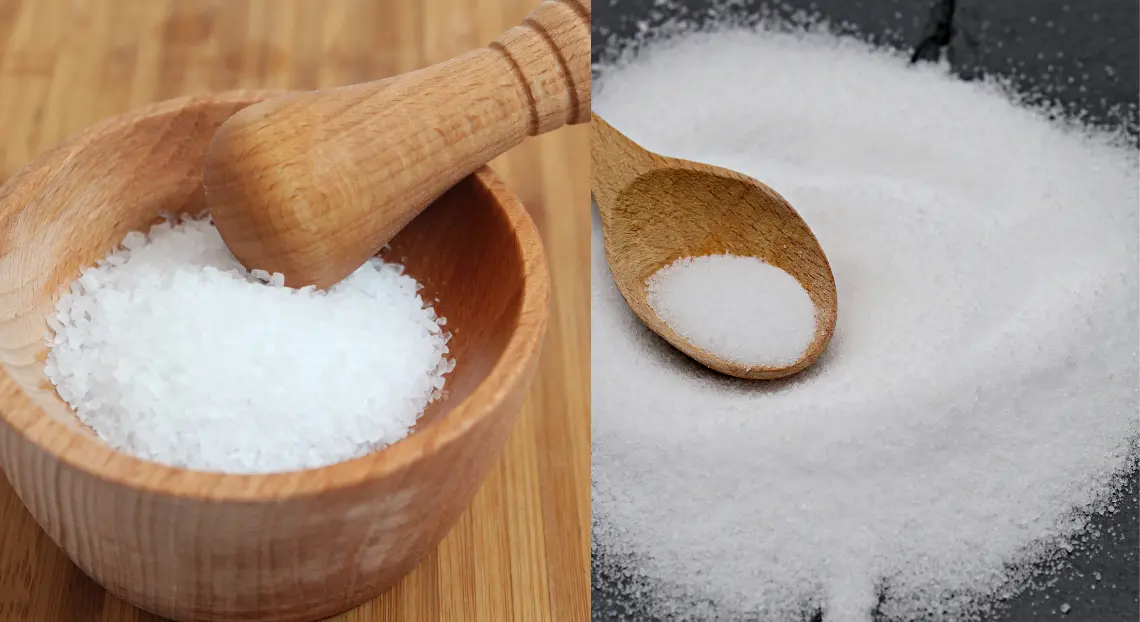
Sodium hydroxide usually appears as a white solid in the form of flakes, pellets, or powder. It has no smell and easily dissolves in water. When mixed with water, it creates a strong alkaline solution and releases heat. Because of this reaction, sodium hydroxide must be handled carefully.
Chemical Formula of Sodium Hydroxide
The formula NaOH shows that sodium hydroxide contains one sodium atom, one oxygen atom, and one hydrogen atom. It is known as a strong base because it can quickly increase the pH level of a solution. This strong alkaline nature makes it useful in cleaning, soap making, paper production, and many industrial processes.
How Sodium Hydroxide Is Produced?
Most sodium hydroxide is produced through a process called the chlor-alkali process. In this method, electricity is passed through a saltwater solution called brine. This process separates the salt into different chemicals and produces sodium hydroxide, chlorine gas, and hydrogen gas.
After production, the sodium hydroxide solution is purified and concentrated to make solid flakes, pellets, or liquid solutions. Industries use different forms of sodium hydroxide depending on their needs.
Why Sodium Hydroxide Is Alkaline?
Sodium hydroxide is highly alkaline because it releases hydroxide ions when dissolved in water. These ions increase the pH level of the solution and make it strongly basic. This alkaline property helps sodium hydroxide break down grease, oils, fats, and proteins easily, which is why it is commonly used in cleaners and industrial products.
Physical and Chemical Properties of Sodium Hydroxide
Sodium hydroxide has several physical and chemical properties that make it useful in cleaning products, soap making, chemical production, and industrial processing. It is known for its strong alkaline nature and highly reactive behavior.
Appearance and Texture of Sodium Hydroxide
Sodium hydroxide is usually found as a white solid. It is commonly available in the form of flakes, pellets, granules, or powder. It has no smell and feels slippery when it comes in contact with water or moisture. Sodium hydroxide easily absorbs moisture from the air, so it must be stored in tightly sealed containers to prevent damage and contamination.
Solubility of Sodium Hydroxide in Water
Sodium hydroxide dissolves very easily in water. When mixed with water, it forms a clear and colorless solution. This property makes it useful in liquid cleaners, industrial solutions, and chemical processing. Sodium hydroxide also dissolves in alcohol and glycerin, but it is most commonly used in water-based solutions.
pH Level and Strong Alkalinity
Sodium hydroxide is a strong base with a very high pH level. A sodium hydroxide solution usually has a pH close to 14, which makes it highly alkaline. Because of this strong alkalinity, it can break down fats, oils, grease, and proteins quickly. This is why sodium hydroxide is commonly used in drain cleaners, soaps, and heavy-duty cleaning products.
Reaction With Acids and Metals
Sodium hydroxide reacts strongly with acids and forms salt and water during the reaction. It can also react with certain metals like aluminum and zinc. These reactions may release hydrogen gas, which can be dangerous in closed spaces. Due to its reactive nature, sodium hydroxide should always be handled carefully.
Heat Produced When Mixed With Water
When sodium hydroxide dissolves in water, it releases a large amount of heat. This process is called an exothermic reaction. The solution can become very hot quickly, so water and sodium hydroxide must always be mixed carefully to avoid splashing or burns.
How Sodium Hydroxide Works?
Sodium hydroxide works by breaking down fats, oils, grease, proteins, and other organic materials through strong chemical reactions. Its powerful alkaline nature makes it highly effective in cleaning products, soap making, water treatment, and industrial manufacturing.
How Sodium Hydroxide Breaks Down Grease and Oils?
When sodium hydroxide mixes with grease or oils, it reacts with the fatty substances and breaks them into smaller compounds that can dissolve in water. This process helps remove stubborn grease, clogged drains, and oily deposits from surfaces and pipes. Because of this ability, sodium hydroxide is commonly used in drain cleaners, oven cleaners, and heavy-duty degreasers.
Sodium hydroxide also reacts with fats during soap making. In this process, called saponification, fats and oils are converted into soap and glycerin. This is one of the main reasons sodium hydroxide is widely used in the soap industry.
How Sodium Hydroxide Breaks Down Proteins?
Sodium hydroxide can break down proteins by damaging their chemical structure. This makes it useful in industrial cleaning, food processing, and removing organic waste. It can dissolve materials like hair, food residue, and other protein-based blockages that commonly cause clogged drains.
Why Sodium Hydroxide Is Effective in Manufacturing?
Sodium hydroxide is highly effective in manufacturing because it reacts quickly and works in many industrial processes. It is used to control pH levels, remove impurities, process raw materials, and clean equipment. Industries such as paper production, textile manufacturing, chemical processing, and petroleum refining depend on sodium hydroxide for efficient production.
Role of Hydroxide Ions in Sodium Hydroxide
When sodium hydroxide dissolves in water, it releases hydroxide ions. These ions are responsible for its strong alkaline nature. Hydroxide ions react with acids, fats, oils, and organic materials, helping sodium hydroxide clean, dissolve, and break down substances quickly. This chemical activity is the main reason sodium hydroxide is such a powerful industrial and cleaning chemical.
Common Uses of Sodium Hydroxide
Sodium hydroxide is one of the most widely used industrial chemicals in the world. Its strong alkaline nature makes it useful in cleaning, manufacturing, water treatment, and many production processes. It is used in both household products and large industries because it can break down fats, oils, proteins, and other materials quickly.
Use of Sodium Hydroxide in Soap and Detergents
Sodium hydroxide is commonly used in soap and detergent manufacturing. It reacts with fats and oils through a process called saponification to produce soap. It also helps improve the cleaning power of detergents and other cleaning products.
Use in Drain and Oven Cleaners
Many drain and oven cleaners contain sodium hydroxide because it can dissolve grease, food waste, hair, and oily blockages. Its strong cleaning action helps remove stubborn dirt and clogged materials from pipes and surfaces.
Use in the Paper and Pulp Industry
The paper industry uses sodium hydroxide to break down wood and plant fibers during paper production. It helps separate cellulose fibers from unwanted materials like lignin, making the paper manufacturing process more efficient.
Use in Textile Processing
In the textile industry, sodium hydroxide is used to process cotton and other fabrics. It helps clean fibers, improve dye absorption, and strengthen textile materials. This process improves the quality and appearance of fabrics.
Use in Water Treatment
Water treatment plants use sodium hydroxide to control pH levels and reduce acidity in water. It also helps remove heavy metals and harmful impurities during the purification process.
Use in Food Processing
Sodium hydroxide is used in small controlled amounts in food processing. It is used for curing olives, peeling fruits and vegetables, and making foods like pretzels and noodles.
Use in Chemical Manufacturing and Petroleum Refining
Many industries use sodium hydroxide to manufacture chemicals, plastics, dyes, and pharmaceuticals. In petroleum refining, it helps remove acidic impurities from crude oil and fuel products, improving their quality and safety.
Sodium Hydroxide in Soap Making
Sodium hydroxide plays an important role in soap making. It is one of the main ingredients used to turn fats and oils into soap. Without sodium hydroxide, true soap cannot be made. It is commonly used in both homemade and commercial soap production because it helps create solid and effective cleansing bars.
Why Sodium Hydroxide Is Used in Soap?
Sodium hydroxide is used in soap making because it reacts with oils and fats to form soap. This reaction changes the structure of the oils and turns them into a cleansing product that can remove dirt, grease, and oils from the skin. Hard bar soaps are usually made with sodium hydroxide, while liquid soaps are often made with potassium hydroxide.
Soap makers carefully measure the amount of sodium hydroxide needed for each recipe. Using the correct amount is important for making safe and balanced soap.
How the Saponification Process Works?
The process of making soap with sodium hydroxide is called saponification. During this process, sodium hydroxide is mixed with water to create a lye solution. This solution is then combined with fats or oils such as coconut oil, olive oil, or palm oil.
The sodium hydroxide reacts with the fatty acids in the oils and changes them into soap and glycerin. As the reaction continues, the sodium hydroxide gets fully used up. After the soap hardens and cures properly, no active sodium hydroxide should remain in the finished product.
Is Sodium Hydroxide Safe in Finished Soap?
Raw sodium hydroxide can cause burns and irritation, but properly made soap is generally safe to use. In finished soap, the sodium hydroxide has already reacted with the oils during saponification. This means it is no longer present in its harsh form when the soap is fully cured.
Soap that contains too much unused sodium hydroxide can be irritating to the skin. This is why proper measurements, curing time, and testing are important during soap making.
Sodium Hydroxide in Skincare and Cosmetics
Sodium hydroxide is used in many skincare and cosmetic products in very small and controlled amounts. Although it is a strong alkaline chemical in its raw form, it helps improve the stability, texture, and pH balance of cosmetic formulas when used correctly. It can be found in products such as cleansers, soaps, shampoos, hair relaxers, lotions, and creams.
Why Sodium Hydroxide Is Used in Cosmetics?
Cosmetic manufacturers use sodium hydroxide mainly to control the acidity and alkalinity of products. Many skincare and haircare formulas need a balanced pH level to work properly and remain stable during storage. Sodium hydroxide helps adjust the formula so the product stays effective and safe to use.
It is also used during the soap-making process in beauty and cleansing products. In some hair products, sodium hydroxide helps change the structure of hair for straightening and relaxing treatments.
How Sodium Hydroxide Adjusts pH Levels?
The pH level of a skincare product affects how it works on the skin. Products that are too acidic or too alkaline may cause irritation or damage the skin barrier. Sodium hydroxide helps raise the pH level of formulas that are too acidic.
During manufacturing, only a very small amount of sodium hydroxide is usually needed to balance the formula. Once the correct pH is reached, the product becomes more stable and suitable for regular use. Proper pH balance also helps improve product performance and shelf life.
Is Sodium Hydroxide Safe for Skin?
Sodium hydroxide can be harmful in high concentrations because it is corrosive and may cause burns or irritation. However, cosmetic products use it in very small amounts under controlled conditions. Regulatory agencies allow its use in cosmetics when used within safe limits.
Most finished skincare and cosmetic products containing sodium hydroxide are considered safe for normal use. People with sensitive skin may still experience irritation from certain products, especially if the formula is too strong or used too often.
Benefits of Sodium Hydroxide
Sodium hydroxide is an important chemical used in many industries and household products. Its strong alkaline nature makes it useful for cleaning, manufacturing, processing, and pH control. Because of its wide range of applications, sodium hydroxide plays a major role in producing many everyday products.
Strong Cleaning Ability
One of the biggest benefits of sodium hydroxide is its powerful cleaning action. It can quickly break down grease, oils, fats, proteins, and other organic materials. This makes it highly effective in drain cleaners, oven cleaners, industrial degreasers, and cleaning solutions.
Sodium hydroxide is especially useful for removing stubborn blockages and heavy dirt that regular cleaning agents may not remove easily. Its ability to dissolve oily substances helps improve cleaning efficiency in homes, factories, and industrial equipment.
Effective pH Control in Products
Sodium hydroxide is widely used to control and adjust pH levels in different products and industrial processes. Many products need the correct pH balance to remain stable, safe, and effective. Sodium hydroxide helps increase the pH level of acidic solutions and keeps formulas balanced.
This pH control is important in skincare products, soaps, water treatment systems, food processing, and chemical manufacturing. Proper pH balance also helps improve product quality and shelf life.
Important Chemical for Industrial Manufacturing
Many industries depend on sodium hydroxide during production. It is used in paper manufacturing, textile processing, petroleum refining, chemical production, and water purification. Sodium hydroxide helps remove impurities, process raw materials, and improve production efficiency.
Its strong chemical properties make it one of the most important industrial chemicals used around the world.
Helps Create Stable and Effective Products
Sodium hydroxide also helps improve the stability and performance of many products. In soaps and detergents, it supports proper chemical reactions during production. In cosmetics and skincare products, it helps maintain the correct formula balance.
When used in controlled amounts, sodium hydroxide helps manufacturers create products that work properly, remain stable during storage, and deliver consistent results.
Risks and Side Effects of Sodium Hydroxide
Sodium hydroxide is a highly effective chemical, but it can also be dangerous if handled incorrectly. Its strong alkaline nature can damage skin, eyes, and other tissues. Most risks happen when concentrated sodium hydroxide comes in direct contact with the body or is used without proper safety precautions.
Skin and Eye Irritation From Sodium Hydroxide
Sodium hydroxide can cause serious skin irritation and chemical burns. Even short contact with concentrated sodium hydroxide may damage the skin and cause redness, pain, or blistering. Strong solutions can burn deep layers of the skin if not washed off quickly.
Contact with the eyes is especially dangerous. Sodium hydroxide can cause severe eye irritation, blurred vision, and serious eye damage. In severe cases, it may even lead to permanent vision loss. This is why protective gloves and eye protection are important when handling the chemical.
Breathing Problems Caused by Sodium Hydroxide Fumes
Breathing sodium hydroxide dust, mist, or fumes can irritate the nose, throat, and lungs. Exposure may cause coughing, throat pain, chest discomfort, and difficulty breathing. People working with sodium hydroxide in factories or industrial areas may face higher risks if proper ventilation is not available.
Long-term exposure to airborne sodium hydroxide particles may increase irritation in the respiratory system, especially in people with asthma or other breathing conditions.
Risks of Swallowing or Direct Contact
Swallowing sodium hydroxide is extremely dangerous. It can burn the mouth, throat, stomach, and digestive system. Serious internal injuries may happen even from small amounts of concentrated sodium hydroxide.
Direct contact with concentrated solutions may also damage clothing, surfaces, and materials because of its corrosive nature.
Environmental Concerns of Sodium Hydroxide
Large amounts of sodium hydroxide released into water or soil can affect the environment. Its high alkalinity may harm aquatic life and disturb the natural pH balance of water sources. Industrial waste containing sodium hydroxide must be treated properly before disposal to reduce environmental damage.
Safety Precautions When Handling Sodium Hydroxide
Sodium hydroxide is a strong and corrosive chemical that must be handled carefully. Direct contact with concentrated sodium hydroxide can cause burns, irritation, and serious injuries. Following proper safety precautions helps reduce the risk of accidents during storage and use.
Protective Equipment for Handling Sodium Hydroxide
People working with sodium hydroxide should wear protective gloves, safety goggles, and protective clothing. These safety items help prevent skin and eye contact with the chemical. In places where dust or fumes may form, masks or respirators may also be needed to protect the lungs.
Sodium hydroxide should always be handled in a well-ventilated area. When mixing sodium hydroxide with water, the chemical should be added slowly to water because the reaction produces heat and may cause splashing.
Safe Storage and Handling Tips
Sodium hydroxide should be stored in tightly sealed containers away from moisture, heat, and direct sunlight. It absorbs moisture from the air easily, which can reduce product quality and increase risks during handling.
The chemical should also be kept away from acids, aluminum, and other reactive materials. Proper labeling and secure storage help prevent accidental exposure, especially in homes and workplaces.
What to Do in Case of Exposure?
If sodium hydroxide comes in contact with the skin or eyes, the affected area should be rinsed immediately with plenty of clean water for several minutes. Contaminated clothing should be removed carefully. If irritation or burns continue, medical help should be taken immediately.
If sodium hydroxide is swallowed, emergency medical treatment is necessary because it can cause serious internal damage.
Is Sodium Hydroxide Safe?
Sodium hydroxide can be safe when used in controlled concentrations and proper conditions. Many industries use it safely in cleaning products, soaps, cosmetics, food processing, and water treatment.
Raw sodium hydroxide is highly corrosive, but finished products usually contain very small amounts or fully reacted forms of the chemical. Regulatory agencies allow its use in approved limits to ensure product safety for consumers.
Sodium Hydroxide vs Potassium Hydroxide
Sodium hydroxide and potassium hydroxide are both strong alkaline chemicals widely used in soap making, cleaning products, and industrial manufacturing. They have similar chemical properties, but they also have important differences in their uses, strength, and final results in products.
Main Differences Between Sodium Hydroxide and Potassium Hydroxide
Sodium hydroxide has the chemical formula NaOH, while potassium hydroxide has the formula KOH. Both chemicals dissolve easily in water and produce strong alkaline solutions. However, potassium hydroxide is usually more soluble in water than sodium hydroxide.
Another major difference is the type of soap they produce. Sodium hydroxide creates hard and solid soap bars, while potassium hydroxide produces softer or liquid soaps. Because of this difference, manufacturers choose the chemical based on the type of product they want to make.
Sodium hydroxide is also more commonly used in heavy-duty cleaners and industrial applications because it is widely available and cost-effective.
Use in Soap Making
Soap makers use sodium hydroxide for hard bar soaps because it creates a firm and long-lasting product. Many traditional bath soaps, laundry soaps, and cleaning bars are made with sodium hydroxide.
Potassium hydroxide is mainly used for liquid soaps, soft soaps, shaving creams, and gel-based cleansing products. It creates a soap that dissolves more easily in water and produces a smoother liquid texture.
Both chemicals work through the same process called saponification, where fats and oils react with alkali to form soap and glycerin.
Which Chemical Is Stronger?
Both sodium hydroxide and potassium hydroxide are considered strong bases and can cause burns or irritation if handled improperly. Potassium hydroxide is slightly more reactive and dissolves faster in water, but sodium hydroxide is often considered more aggressive in heavy cleaning applications because of its strong grease-cutting ability.
In practical use, both chemicals are highly powerful and must be handled with proper safety precautions. Their strength mainly depends on concentration and how they are used in products or industrial processes.
Sodium Hydroxide vs Baking Soda
Sodium hydroxide and baking soda are both alkaline substances, but they are very different in strength, chemical properties, and uses. Although both contain sodium, they are used for completely different purposes in households and industries.
Main Differences Between Sodium Hydroxide and Baking Soda
Sodium hydroxide has the chemical formula NaOH and is also known as caustic soda or lye. Baking soda has the chemical formula NaHCO₃ and is also called sodium bicarbonate. Sodium hydroxide is a strong alkali, while baking soda is a mild alkaline compound.
Sodium hydroxide is highly corrosive and can cause burns if handled improperly. Baking soda is much safer and is commonly used in food, baking, and mild household cleaning. Sodium hydroxide is mainly used in industrial cleaning, soap making, and chemical processing, while baking soda is used for cooking, deodorizing, and gentle cleaning.
Strength and pH Level Comparison
One of the biggest differences between these two substances is their strength. Sodium hydroxide has a very high pH level, usually close to 14, which makes it a strong base. Baking soda has a much lower pH level of around 8 to 9, making it only mildly alkaline.
Because sodium hydroxide is much stronger, it can quickly break down grease, oils, fats, and proteins. Baking soda works more gently and is better for light cleaning and odor control. Sodium hydroxide also reacts more aggressively with acids and organic materials compared to baking soda.
Household Uses of Sodium Hydroxide and Baking Soda
Sodium hydroxide is commonly found in drain cleaners, oven cleaners, and soap-making products. It is used when strong cleaning power is needed. Due to its corrosive nature, it must be handled carefully.
Baking soda is widely used in kitchens and homes because it is safer and more versatile. It is used in baking, toothpaste, deodorizing, stain removal, and mild cleaning solutions. Unlike sodium hydroxide, baking soda is safe for direct use in many food and personal care products.
Conclusion
Sodium hydroxide is a strong alkaline chemical widely used in soap making, cleaning products, water treatment, food processing, and industrial manufacturing. Its ability to break down grease, oils, fats, and other materials makes it an important chemical in many everyday products and industrial processes.
Although sodium hydroxide is highly effective, it is also corrosive and must be handled carefully. Direct contact with concentrated sodium hydroxide can cause burns and irritation, which is why proper safety precautions are important during storage and use.
In finished products such as soaps, cosmetics, and cleaners, sodium hydroxide is usually used in controlled amounts or fully reacted forms to ensure safety and effectiveness. Understanding how sodium hydroxide works, where it is used, and how to handle it properly helps people use products containing this chemical more safely and confidently.
FAQs
What Does Sodium Hydroxide Do?
Sodium hydroxide is used to break down grease, oils, fats, and proteins. It is commonly used in soap making, cleaning products, water treatment, and industrial manufacturing.
Is Sodium Hydroxide Dangerous?
Yes, concentrated sodium hydroxide can be dangerous. It is a corrosive chemical that may cause burns, eye damage, and irritation if handled improperly.
Is Sodium Hydroxide Safe in Soap?
Properly made soap is generally safe because the sodium hydroxide reacts with oils during the soap-making process and does not remain active in the finished soap.
Why Is Sodium Hydroxide Called Lye?
Sodium hydroxide is called lye because “lye” is the traditional name used for strong alkaline substances used in soap making and cleaning.
What Happens When Sodium Hydroxide Mixes With Water?
When sodium hydroxide mixes with water, it dissolves quickly and releases heat. The solution becomes highly alkaline and can become very hot.
Can Sodium Hydroxide Burn Skin?
Yes, sodium hydroxide can burn the skin. Direct contact with concentrated sodium hydroxide may cause irritation, redness, and serious chemical burns.
Is Sodium Hydroxide Used in Food?
Yes, sodium hydroxide is used in small controlled amounts in food processing. It is used for curing olives, peeling vegetables, and making foods like pretzels.
What Is the pH of Sodium Hydroxide?
Sodium hydroxide has a very high pH level, usually close to 14, which makes it a strong alkaline substance.
What Is the Difference Between Sodium Hydroxide and Baking Soda?
Sodium hydroxide is a strong corrosive alkali used in industrial cleaning and soap making, while baking soda is a mild alkaline substance mainly used in baking and household cleaning.
How Should Sodium Hydroxide Be Stored?
Sodium hydroxide should be stored in a tightly sealed container away from moisture, heat, acids, and direct sunlight. It should also be kept out of reach of children and pets.