

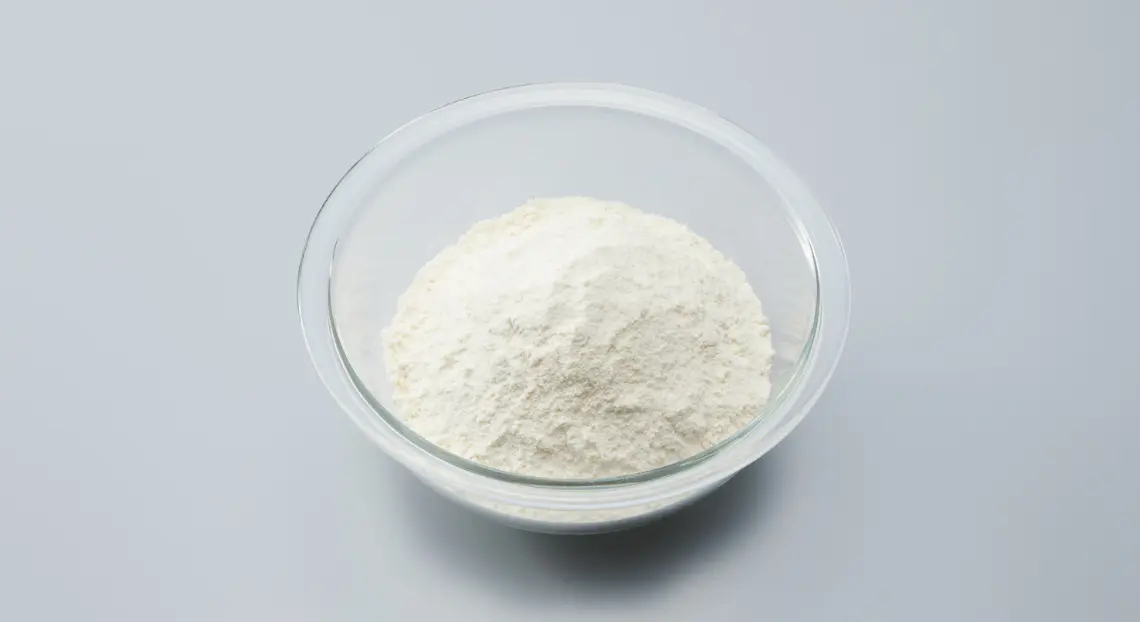
What Is Calcium Sulfate?
Calcium sulfate is an inorganic compound made up of calcium, sulfur, and oxygen. Its chemical formula is CaSO₄. It occurs naturally in the earth’s crust and is commonly found in minerals such as gypsum. Calcium sulfate is widely used across industries because of its versatility, stability, and availability.
Depending on its water content, calcium sulfate exists in several forms, including gypsum, plaster of Paris, and anhydrous calcium sulfate. Each form has specific properties that make it suitable for different applications.
Calcium sulfate plays an important role in everyday products and industrial processes. In the construction industry, it is used to manufacture drywall, plaster, and cement products. In agriculture, it serves as a source of calcium and sulfur for improving soil quality and supporting plant growth. In the food industry, calcium sulfate is used as a firming agent and coagulant in products such as tofu and certain processed foods. It is also used in pharmaceutical, dental, and medical applications.
Because of its wide range of uses and generally recognized safety when used appropriately, calcium sulfate remains an important material in construction, agriculture, food processing, and manufacturing industries worldwide.
Chemical Composition of Calcium Sulfate
Calcium sulfate is a chemical compound made up of calcium, sulfur, and oxygen. These elements combine in a fixed ratio to form a stable compound that is widely used in construction, agriculture, food processing, and manufacturing. Understanding its composition helps explain why calcium sulfate has such a broad range of applications across different industries.
Elements Present in Calcium Sulfate
Calcium sulfate contains three elements: calcium (Ca), sulfur (S), and oxygen (O). Calcium is a naturally occurring mineral found in rocks, soil, and living organisms. Sulfur is an essential element that plays an important role in many natural and industrial processes. Oxygen combines with sulfur to form the sulfate group, which then bonds with calcium to create calcium sulfate.
The combination of these elements gives calcium sulfate its unique chemical and physical properties. These properties make it useful in products such as gypsum boards, cement, fertilizers, food additives, and medical materials.
Chemical Formula of Calcium Sulfate
The chemical formula of calcium sulfate is CaSO₄. This formula indicates that the compound contains one calcium atom and one sulfate group. The sulfate group consists of one sulfur atom and four oxygen atoms.
Calcium sulfate can exist in several forms depending on the amount of water present in its crystal structure. For example, gypsum has the formula CaSO₄·2H₂O, while plaster of Paris has the formula CaSO₄·½H₂O. Although these forms contain different amounts of water, they are all derived from the same calcium sulfate compound.
How Calcium Sulfate Is Formed?
Calcium sulfate forms naturally when calcium-rich minerals react with sulfate-containing water over long periods. This process leads to the formation of mineral deposits, particularly gypsum, which is the most common natural form of calcium sulfate.
The compound can also be produced through industrial processes. It is often generated during the manufacture of fertilizers, chemicals, and other industrial products. After processing and purification, calcium sulfate is used in a variety of commercial applications. Its stable structure, availability, and versatility make it one of the most widely used sulfate compounds in the world.
Different Forms of Calcium Sulfate
Calcium sulfate exists in different forms based on the amount of water present in its chemical structure. These forms have different properties and uses, making calcium sulfate a versatile material for construction, manufacturing, and industrial applications. The three main forms are anhydrous calcium sulfate, calcium sulfate dihydrate, and calcium sulfate hemihydrate.
Anhydrous Calcium Sulfate
Anhydrous calcium sulfate is the water-free form of calcium sulfate and has the chemical formula CaSO₄. Because it does not contain water molecules, it has a strong ability to absorb moisture from the surrounding environment. For this reason, it is commonly used as a drying agent in laboratories and industrial processes.
This form is usually produced by heating gypsum at high temperatures to remove all water content. Anhydrous calcium sulfate is stable, odorless, and appears as a white solid material.
Calcium Sulfate Dihydrate (Gypsum)
Calcium sulfate dihydrate, commonly known as gypsum, has the chemical formula CaSO₄·2H₂O. It is the most abundant and naturally occurring form of calcium sulfate. Large gypsum deposits are found around the world and are mined for commercial use.
Gypsum is widely used in the construction industry to manufacture drywall, gypsum boards, and cement products. It is also used in agriculture to improve soil quality and provide calcium and sulfur to plants. Because of its natural availability and useful properties, gypsum is the most commonly used form of calcium sulfate.
Calcium Sulfate Hemihydrate (Plaster of Paris)
Calcium sulfate hemihydrate, known as plaster of Paris, has the chemical formula CaSO₄·½H₂O. It is produced by heating gypsum to remove part of its water content.
When mixed with water, plaster of Paris hardens quickly and forms a solid material. This property makes it useful for making molds, casts, sculptures, medical bandages, and decorative building materials. Its ability to set rapidly has made it a valuable material in construction, healthcare, and art applications.
Physical and Chemical Properties of Calcium Sulfate
The physical and chemical properties of calcium sulfate help determine how it behaves in different environments and applications. These properties make it useful in construction materials, food products, agriculture, pharmaceuticals, and industrial manufacturing.
Appearance and Physical Characteristics
Calcium sulfate is usually found as a white or colorless solid. It is odorless and has a crystalline structure. Depending on its form, it may appear as a fine powder, granules, or larger crystals. Natural gypsum, which is a common form of calcium sulfate, often appears as soft white or transparent crystals.
The molecular weight of calcium sulfate is approximately 136.14 g/mol for its anhydrous form. Its density varies depending on the form, but anhydrous calcium sulfate generally has a density of about 2.96 grams per cubic centimeter (g/cm³).
Solubility in Water
Calcium sulfate is only slightly soluble in water. This means that only a small amount dissolves when mixed with water. Its low solubility makes it useful in applications where a slow release of calcium and sulfur is needed, such as agricultural soil treatments. It remains largely stable in water and does not dissolve as easily as many other calcium compounds.
Chemical Stability and Water Reaction
Calcium sulfate is a chemically stable compound under normal storage and environmental conditions. It does not easily react with air and remains unchanged for long periods when stored properly.
Its reaction with water depends on the form of calcium sulfate. Anhydrous calcium sulfate can absorb moisture from the air, while plaster of Paris reacts with water and hardens into gypsum. This hardening process is widely used in construction, medical casts, and mold-making applications.
These physical and chemical properties make calcium sulfate a reliable material for a wide range of industrial and commercial uses.
How Calcium Sulfate Is Produced?
Calcium sulfate is produced from both natural sources and industrial processes. The material is widely available because it occurs naturally in large mineral deposits and can also be generated as a by-product of various manufacturing activities. These production methods help meet the global demand for calcium sulfate used in construction, agriculture, food processing, and industrial applications.
Natural Sources of Calcium Sulfate
The most common natural source of calcium sulfate is gypsum, a mineral with the chemical formula CaSO₄·2H₂O. Gypsum forms naturally when water containing dissolved calcium and sulfate minerals evaporates over long periods. This process creates large deposits that can be found in sedimentary rock formations around the world.
Gypsum is extracted through mining operations and then processed for commercial use. After mining, the material is crushed, cleaned, and refined to meet the requirements of different industries. Natural gypsum is the primary raw material used to manufacture products such as drywall, plaster, cement additives, and agricultural soil conditioners.
Industrial Production of Calcium Sulfate
Calcium sulfate can also be produced through industrial manufacturing processes. One common method involves the reaction of sulfuric acid with calcium-containing materials such as limestone. This reaction produces calcium sulfate as a final product.
Large amounts of calcium sulfate are also generated as a by-product during the production of phosphoric acid, which is used to manufacture phosphate fertilizers. This by-product is commonly known as phosphogypsum. In addition, calcium sulfate may be produced during certain chemical and environmental treatment processes.
Before industrially produced calcium sulfate is used commercially, it is often purified and processed to meet quality standards. This ensures that the material is suitable for applications in construction, agriculture, food processing, and other industries where consistent product quality is important.
Common Uses of Calcium Sulfate
Calcium sulfate is used in many industries because of its stability, availability, and useful physical properties. It is found in construction materials, agricultural products, food ingredients, medical supplies, and industrial manufacturing processes. Its versatility makes it one of the most widely used calcium compounds in the world.
Use in Construction and Building Materials
One of the largest uses of calcium sulfate is in the construction industry. Natural gypsum and processed forms of calcium sulfate are used to manufacture drywall, gypsum boards, plaster, and cement products. These materials help improve strength, fire resistance, and workability in building applications. Plaster of Paris, a form of calcium sulfate, is also used for decorative finishes, molds, and wall repairs.
Use in Agriculture and Soil Improvement
In agriculture, calcium sulfate is commonly used as a soil amendment. It provides plants with calcium and sulfur, two essential nutrients needed for healthy growth. Farmers use it to improve soil structure, increase water penetration, and reduce soil compaction. It is particularly useful in soils that need additional calcium without changing soil pH significantly.
Use in the Food and Beverage Industry
Food-grade calcium sulfate is used as a food additive in various products. It functions as a firming agent, stabilizer, and coagulant. One of its most common uses is in tofu production, where it helps soy milk solidify into curds. It is also used in some baked goods, canned vegetables, and beverage products.
Use in Pharmaceutical and Medical Products
Calcium sulfate is used in medical and pharmaceutical applications because it is generally considered safe and biocompatible. It is found in certain dental materials, bone graft products, and orthopedic treatments. Plaster-based medical casts are also produced using calcium sulfate materials.
Use in Industrial Manufacturing
Many industries use calcium sulfate during manufacturing and processing operations. It is used in ceramics, paper production, chemical processing, paints, and water treatment applications. Its ability to provide stability and improve product performance makes it an important material in modern industrial production.
Benefits of Calcium Sulfate
Calcium sulfate offers several benefits across agriculture, manufacturing, food production, and healthcare. Its unique chemical and physical properties make it a valuable material for improving products, supporting industrial processes, and providing essential nutrients. Because it is widely available and easy to process, calcium sulfate continues to be used in many industries around the world.
Helps Improve Soil Quality
One of the main benefits of calcium sulfate is its ability to improve soil conditions. It supplies calcium and sulfur, which are important nutrients for plant growth. Calcium supports root development, while sulfur helps plants produce proteins and enzymes.
Calcium sulfate can also improve soil structure by reducing compaction and increasing water movement through the soil. Unlike some other soil amendments, it adds calcium without significantly changing soil pH. This makes it useful for a wide range of agricultural applications.
Supports Industrial Manufacturing
Calcium sulfate plays an important role in many manufacturing processes. It is used in the production of drywall, cement, plaster, ceramics, and paper products. Its stability and reliability help manufacturers produce consistent and durable materials.
The compound is also used in chemical processing and water treatment applications. Its versatility makes it an important raw material in many industrial sectors.
Improves Food Processing
Food-grade calcium sulfate is used to improve the texture, stability, and quality of certain food products. It acts as a firming agent and coagulant in food manufacturing. One of its best-known uses is in tofu production, where it helps convert soy milk into solid curds.
Its controlled performance and recognized safety make it a useful ingredient in various food applications.
Provides Benefits in Medical Applications
Calcium sulfate is widely used in medical and dental products. It is commonly found in bone graft materials because it can gradually dissolve and be replaced by natural bone tissue. It is also used in dental procedures and medical casting materials, making it a valuable compound in healthcare and patient treatment.
Is Calcium Sulfate Safe?
Calcium sulfate is generally considered safe when used as intended. It is a naturally occurring compound that has been used for many years in construction materials, food products, pharmaceuticals, and agricultural applications. Under normal conditions, calcium sulfate has low toxicity and does not present significant health risks to most people.
General Safety of Calcium Sulfate
Calcium sulfate is chemically stable and does not easily react with other substances under normal conditions. Because of its low toxicity, it is widely used in products that come into contact with people on a daily basis. Regulatory authorities in many countries allow its use in food, medicine, and industrial applications when it meets the required quality standards.
Safety of Food-Grade Calcium Sulfate
Food-grade calcium sulfate is approved for use as a food additive in many regions around the world. It is commonly used as a firming agent, stabilizer, and coagulant in products such as tofu, baked goods, canned vegetables, and certain beverages.
When consumed within approved limits, food-grade calcium sulfate is considered safe. It also provides a source of dietary calcium in some food products. Manufacturers must follow strict purity standards to ensure the ingredient is suitable for human consumption.
Workplace Handling Considerations
In industrial settings, workers may handle calcium sulfate in powder form. While the material itself is generally safe, proper workplace practices should be followed to reduce exposure to dust. Protective equipment such as dust masks, safety glasses, and adequate ventilation can help maintain a safe working environment.
Potential Side Effects and Risks
Although calcium sulfate has a strong safety record, excessive exposure may cause temporary irritation, especially when fine particles become airborne.
Risks From Dust Exposure
Large amounts of calcium sulfate dust can irritate the eyes, skin, nose, and throat. Symptoms are usually mild and temporary. Washing exposed areas and avoiding direct contact with excessive dust can help prevent irritation.
Inhalation and Industrial Safety Precautions
Breathing high concentrations of airborne dust over extended periods may cause respiratory discomfort, coughing, or throat irritation. For this reason, industries that process large quantities of calcium sulfate use dust-control systems and ventilation equipment.
Workers handling calcium sulfate regularly should follow established safety procedures and wear appropriate protective equipment. With proper handling and normal use, calcium sulfate is considered a safe material for industrial, commercial, and consumer applications.
Calcium Sulfate vs Gypsum: What Is the Difference?
Calcium sulfate and gypsum are closely related, but they are not exactly the same. Calcium sulfate is the general chemical compound with the formula CaSO₄, while gypsum is a naturally occurring form of calcium sulfate that contains water molecules. The chemical formula of gypsum is CaSO₄·2H₂O, which means it contains two molecules of water for every molecule of calcium sulfate.
Relationship Between Calcium Sulfate and Gypsum
Gypsum is one of the most common forms of calcium sulfate found in nature. When people refer to gypsum, they are referring to calcium sulfate dihydrate. Because gypsum contains water in its crystal structure, its physical properties differ from those of anhydrous calcium sulfate, which contains no water.
Key Differences and Applications
The main difference between calcium sulfate and gypsum is the amount of water present in the compound. Anhydrous calcium sulfate is often used as a drying agent because it can absorb moisture. Gypsum, on the other hand, is widely used in drywall, plaster, cement production, and agricultural soil treatments.
Although the terms are sometimes used interchangeably, gypsum is actually a specific form of calcium sulfate rather than a separate chemical compound.
Calcium Sulfate vs Calcium Carbonate
Calcium sulfate and calcium carbonate are both calcium-based compounds, but they differ in chemical composition, properties, and applications. Calcium sulfate has the formula CaSO₄, while calcium carbonate has the formula CaCO₃.
Differences in Composition and Properties
Calcium sulfate contains calcium, sulfur, and oxygen, whereas calcium carbonate contains calcium, carbon, and oxygen. Calcium carbonate is found naturally in limestone, chalk, marble, and seashells. It is generally less soluble than calcium sulfate and reacts more easily with acids.
Uses, Benefits, and Limitations
Calcium sulfate is commonly used in construction materials, agriculture, food processing, and medical products. It is often chosen when calcium and sulfur are needed without significantly affecting soil pH.
Calcium carbonate is widely used in cement production, dietary supplements, antacids, paper manufacturing, and soil treatment. In agriculture, it is commonly applied to raise soil pH and reduce acidity.
The choice between the two compounds depends on the intended application. Calcium sulfate is preferred when sulfur supplementation or gypsum-based materials are needed, while calcium carbonate is commonly selected for pH adjustment and calcium supplementation.
Conclusion
Calcium sulfate is a widely used inorganic compound composed of calcium, sulfur, and oxygen. It occurs naturally as gypsum and is also available in other forms such as anhydrous calcium sulfate and plaster of Paris. Its unique physical and chemical properties make it suitable for a wide range of applications across multiple industries.
From construction and agriculture to food processing and healthcare, calcium sulfate plays an important role in many everyday products and industrial processes. It helps improve soil quality, supports manufacturing operations, enhances food production, and contributes to various medical applications. Its stability, availability, and versatility have made it an essential material around the world.
Calcium sulfate is generally considered safe when used according to established guidelines. While excessive exposure to dust may cause temporary irritation in industrial settings, proper handling practices help minimize potential risks.
Understanding the composition, properties, forms, benefits, and applications of calcium sulfate provides a clearer picture of why this compound remains important in modern industry. Whether it is used in gypsum boards, agricultural soils, food products, or medical materials, calcium sulfate continues to serve as a valuable and reliable resource across many sectors.
Frequently Asked Questions
What is calcium sulfate used for?
Calcium sulfate is used in construction, agriculture, food processing, healthcare, and manufacturing. Common applications include drywall, cement, plaster, soil conditioners, tofu production, and medical materials.
Is calcium sulfate safe for consumption?
Yes, food-grade calcium sulfate is considered safe for consumption when used within approved limits. It is commonly used as a food additive and coagulant in products such as tofu and baked goods.
Is calcium sulfate the same as gypsum?
No. Gypsum is a specific form of calcium sulfate that contains water molecules. While all gypsum is calcium sulfate, not all calcium sulfate is gypsum.
Why is calcium sulfate added to food?
Calcium sulfate is added to food as a firming agent, stabilizer, and coagulant. It helps improve texture, consistency, and product quality in certain foods.
Is calcium sulfate natural or synthetic?
Calcium sulfate can be both natural and synthetic. It occurs naturally as gypsum deposits and can also be produced through industrial manufacturing processes.
What industries use calcium sulfate?
Calcium sulfate is used in the construction, agriculture, food and beverage, pharmaceutical, medical, chemical, paper, ceramic, and water treatment industries.
Can calcium sulfate be used in agriculture?
Yes. Calcium sulfate is widely used in agriculture to supply calcium and sulfur to plants, improve soil structure, and enhance water penetration in the soil.
Is calcium sulfate soluble in water?
Calcium sulfate is only slightly soluble in water. A small amount dissolves, while most of the material remains in solid form.
What is the difference between calcium sulfate and calcium carbonate?
Calcium sulfate contains calcium, sulfur, and oxygen, while calcium carbonate contains calcium, carbon, and oxygen. Calcium sulfate is often used for soil improvement and construction materials, whereas calcium carbonate is commonly used to raise soil pH and as a dietary calcium source.
Is calcium sulfate environmentally friendly?
Calcium sulfate is generally considered environmentally friendly because it occurs naturally, has low toxicity, and can be used to improve soil quality. However, industrial production and disposal should follow environmental regulations to minimize potential impacts.