

Butyl acetate is one of the most widely used solvents in modern manufacturing. It plays an important role in products that people use every day, including paints, coatings, adhesives, printing inks, nail polish, and industrial cleaning solutions. Because of its strong solvent properties and balanced evaporation rate, it is a preferred ingredient in many industrial formulations.
Although butyl acetate is commonly used across multiple industries, many people are unfamiliar with what it is, how it is made, and why manufacturers rely on it. Understanding its properties and applications can help businesses choose the right solvent for their products and processes.
This guide explains what butyl acetate is, its chemical and physical properties, how it is manufactured, where it is used, its benefits and limitations, safety considerations, environmental impact, and future market trends.
What Is Butyl Acetate?
Butyl acetate is an organic compound that belongs to a group of chemicals known as esters. It is produced through a chemical reaction between acetic acid and butanol. The compound is a clear, colorless liquid with a sweet and fruity odor that is often compared to the smell of apples or bananas.
The chemical formula of butyl acetate is C6H12O2. It is valued for its ability to dissolve a wide range of resins, polymers, oils, and other substances used in industrial manufacturing. Because of this property, butyl acetate is widely used as a solvent in coatings, inks, adhesives, and cleaning products.
The most commonly used form is n-butyl acetate, which is often referred to simply as butyl acetate. It offers a good balance between solvency strength and evaporation rate, making it suitable for many applications where smooth coating performance and controlled drying are important.
Chemical and Physical Properties of Butyl Acetate
Understanding the properties of butyl acetate helps explain why it is such a valuable industrial solvent.
Butyl acetate appears as a clear and colorless liquid under normal conditions. It has a molecular weight of approximately 116.16 grams per mole and a boiling point of around 126°C. Its flash point is relatively low, which means it is considered a flammable liquid and must be handled with care.
One of the most notable characteristics of butyl acetate is its pleasant fruity odor. Compared to many industrial solvents, its smell is generally less harsh, which can improve workplace conditions when proper ventilation is used.
Butyl acetate is only slightly soluble in water. However, it mixes easily with many organic solvents and can dissolve a wide variety of materials used in coatings, adhesives, and inks. This versatility makes it useful across different industries.
Its evaporation rate is another important property. It evaporates more slowly than solvents such as acetone but faster than some heavier solvents. This balanced evaporation rate allows coatings and inks to spread evenly before drying, resulting in smoother finishes and improved product performance.
How Butyl Acetate Is Manufactured?
The production of butyl acetate is based on a well-established chemical process known as esterification. This process combines acetic acid and butanol in the presence of an acid catalyst.
During the reaction, the acetic acid and butanol molecules combine to form butyl acetate and water. The reaction can be represented as follows:
Acetic Acid + Butanol → Butyl Acetate + Water
After the reaction is completed, the mixture undergoes purification and distillation. These steps remove impurities and separate the desired product from by-products and unreacted materials.
Manufacturers carefully control temperature, pressure, and reaction conditions to ensure consistent quality. The resulting butyl acetate is then tested to verify purity levels before being supplied to industrial customers.
Large-scale production facilities around the world manufacture butyl acetate to meet demand from industries such as automotive, construction, packaging, printing, and personal care products.
Types of Butyl Acetate
Several forms of butyl acetate are available, each with slightly different properties and applications.
n-Butyl Acetate
N-butyl acetate is the most common and commercially important type. It is widely used in paints, coatings, adhesives, inks, and cleaning products because of its excellent solvent properties and balanced drying characteristics.
sec-Butyl Acetate
Sec-butyl acetate is produced using sec-butanol instead of n-butanol. It has different physical characteristics and may be selected for specialized solvent applications.
Isobutyl Acetate
Isobutyl acetate has a fruity odor and is used in coatings, fragrances, and flavor formulations. Its evaporation characteristics differ slightly from n-butyl acetate.
tert-Butyl Acetate
Tert-butyl acetate is known for its use in certain coating and industrial applications where specific solvent properties are required.
Although these variants belong to the same chemical family, their performance characteristics can vary depending on the manufacturing process and end-use requirements.
Major Uses of Butyl Acetate
Butyl acetate is used across a wide range of industries because of its versatility and strong solvency power.
Butyl Acetate in Paints and Coatings
The paints and coatings industry is one of the largest consumers of butyl acetate. It helps dissolve resins and other coating ingredients, creating a uniform mixture that can be applied smoothly to surfaces.
In automotive coatings, butyl acetate contributes to consistent film formation and high-quality finishes. In industrial coatings, it helps improve application performance and drying behavior. Wood finishes and decorative paints also rely on butyl acetate to achieve smooth, attractive surfaces.
The solvent’s controlled evaporation rate allows coatings to level properly before drying, reducing surface defects and improving overall appearance.
Butyl Acetate in Adhesives and Sealants
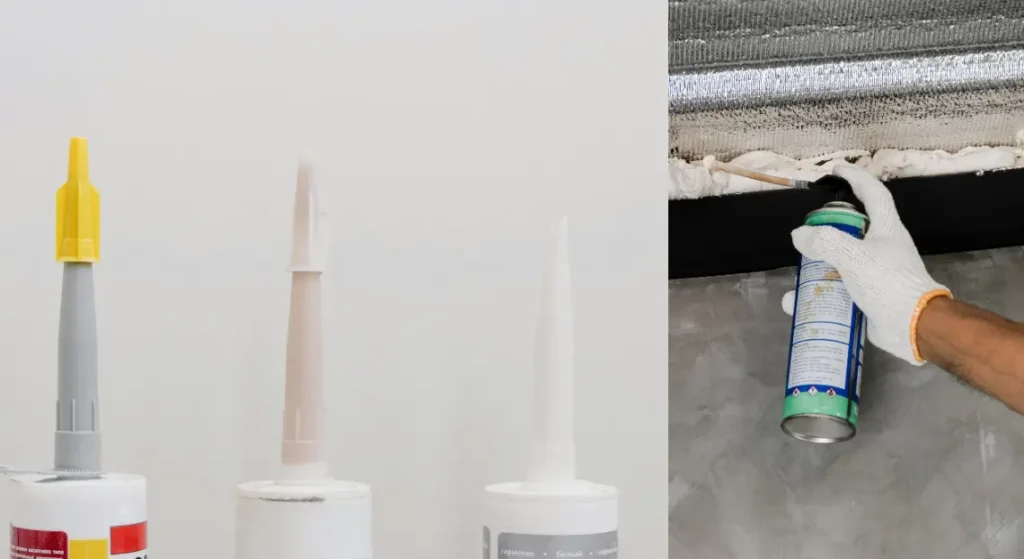
Adhesive and sealant manufacturers use butyl acetate to dissolve polymers and resins that form the base of their products.
Its ability to create stable formulations helps improve product consistency and application performance. Construction adhesives, industrial bonding agents, and specialty sealants often contain butyl acetate as part of their formulation.
The solvent also helps control viscosity, making adhesives easier to apply while maintaining the desired bonding properties.
Butyl Acetate in Printing Inks
Printing ink manufacturers use butyl acetate in flexographic and gravure printing processes. These printing methods are commonly used for packaging, labels, magazines, and other commercial printing applications.
The solvent helps dissolve ink components and promotes smooth printing performance. Its evaporation rate is particularly important because it allows inks to dry efficiently without compromising print quality.
As a result, butyl acetate contributes to sharp images, vibrant colors, and consistent printing results.
Butyl Acetate in Cosmetics and Personal Care Products
The personal care industry uses butyl acetate in products such as nail polish and nail polish removers.
In nail polish formulations, it acts as a solvent that helps dissolve film-forming ingredients. Once applied, the solvent evaporates, leaving behind a smooth and durable coating on the nail surface.
Its pleasant odor and effective solvent properties make it a suitable ingredient in various cosmetic formulations.
Butyl Acetate in Cleaning Products
Industrial cleaning products often contain butyl acetate because of its ability to dissolve oils, grease, and other contaminants.
Manufacturers use it in degreasers, surface cleaners, and maintenance products designed for industrial environments. Its solvent power helps remove stubborn residues while supporting efficient cleaning processes.
Other Industrial Applications
Beyond paints, adhesives, inks, cosmetics, and cleaners, butyl acetate is used in chemical manufacturing, textile processing, pharmaceutical production, and specialty industrial applications.
Its versatility allows it to serve as a valuable ingredient wherever effective solvent performance is required.
Benefits of Using Butyl Acetate
The widespread use of butyl acetate is largely due to the benefits it offers across different applications.
One of its greatest advantages is its excellent solvency. It can dissolve many resins, polymers, and organic materials that are difficult to process using other solvents.
Another important benefit is its balanced evaporation rate. This characteristic helps manufacturers achieve smooth coatings, consistent ink performance, and reliable adhesive formulations.
Butyl acetate is also compatible with many commonly used industrial materials. This compatibility allows formulators to use it in a variety of products without major formulation challenges.
Compared with some industrial solvents, butyl acetate has a relatively pleasant odor, which can contribute to improved working conditions when proper ventilation systems are in place.
Its ability to support smooth surface finishes makes it especially valuable in applications where appearance and product quality are important.
Advantages and Limitations of Butyl Acetate
Like any industrial chemical, butyl acetate has both strengths and limitations.
Advantages
Butyl acetate provides strong solvent performance across numerous applications. Its versatility allows manufacturers to use it in paints, coatings, inks, adhesives, and cleaning products.
It is widely available, cost-effective, and compatible with many industrial formulations. Its evaporation characteristics support efficient drying and high-quality finishes.
These factors make it one of the most commonly used solvents in manufacturing.
Limitations
Despite its benefits, butyl acetate is a flammable liquid that requires careful storage and handling.
Because it is classified as a volatile organic compound, it can contribute to air emissions if not properly managed. Environmental regulations may limit its use in certain regions or applications.
Its limited water solubility can also affect how it behaves in specific processes and environmental conditions.
Manufacturers must balance these limitations against its performance advantages when selecting solvents for their products.
Is Butyl Acetate Safe?
When used according to established safety guidelines, butyl acetate is generally considered safe for industrial and commercial applications.
However, like many solvents, improper handling can result in health and safety risks.
Health Effects of Butyl Acetate Exposure
Inhalation of high concentrations of butyl acetate vapor may cause irritation of the nose, throat, and respiratory system. Prolonged exposure may lead to headaches, dizziness, or discomfort.
Direct skin contact may result in irritation or dryness, particularly after repeated exposure. Eye contact can cause temporary irritation and discomfort.
Most health effects are associated with excessive exposure rather than normal use under controlled conditions.
Workplace Safety Measures
Employers should ensure adequate ventilation in areas where butyl acetate is used. Proper airflow helps reduce vapor concentrations and maintain safe working conditions.
Workers handling large quantities should use appropriate personal protective equipment, including gloves, eye protection, and protective clothing when necessary.
Training, monitoring, and compliance with safety regulations are important components of safe handling practices.
First Aid Measures
If excessive vapor inhalation occurs, the affected person should be moved to fresh air. Skin contact should be addressed by washing the area thoroughly with soap and water.
If butyl acetate enters the eyes, immediate rinsing with clean water is recommended. Medical attention should be sought if irritation persists or symptoms become severe.
Storage and Handling Guidelines
Proper storage and handling are essential for maintaining safety and product quality.
Butyl acetate should be stored in tightly sealed containers in cool, dry, and well-ventilated areas. Storage locations should be kept away from heat sources, sparks, open flames, and other ignition sources.
Transportation should comply with applicable regulations governing flammable liquids. Containers should be inspected regularly to prevent leaks and maintain product integrity.
In the event of a spill, appropriate containment and cleanup procedures should be followed to minimize safety and environmental risks.
Environmental Impact of Butyl Acetate
Environmental considerations have become increasingly important for chemical manufacturers and end users.
Butyl acetate is generally considered biodegradable under many environmental conditions. Microorganisms can break it down over time, reducing long-term environmental persistence.
However, because it is classified as a volatile organic compound, it can contribute to air emissions if released into the atmosphere. Regulatory agencies often require manufacturers to monitor and control VOC emissions.
Responsible handling, storage, and disposal practices help reduce environmental impacts and support regulatory compliance.
Waste materials containing butyl acetate should be managed according to local environmental regulations and industry best practices.
Butyl Acetate Regulations and Standards
The use of butyl acetate is subject to various regulations and industry standards designed to protect workers, consumers, and the environment.
Occupational exposure limits help establish safe workplace conditions by controlling allowable vapor concentrations.
Environmental regulations may address emissions, storage requirements, transportation procedures, and waste management practices.
Manufacturers and industrial users are expected to comply with applicable regulations in the regions where they operate. Safety Data Sheets and product documentation provide important information for safe use and regulatory compliance.
Butyl Acetate vs Other Common Solvents
Butyl acetate is often compared with other industrial solvents because each offers unique advantages.
Compared with ethyl acetate, butyl acetate generally evaporates more slowly. This slower evaporation can improve coating flow and leveling performance.
Compared with acetone, butyl acetate provides a more controlled drying rate and often produces smoother finishes. Acetone dries very quickly, which may not be ideal for every application.
Compared with toluene, butyl acetate offers different solvency characteristics and is often selected when a balance between performance and drying behavior is required.
The choice of solvent depends on factors such as formulation requirements, application methods, regulatory considerations, and desired product performance.
Industries That Use Butyl Acetate
Many industries depend on butyl acetate as part of their manufacturing processes.
The automotive industry uses it in coatings and refinishing products. The construction industry relies on it in paints, sealants, and adhesives. Packaging manufacturers use it in printing inks and coating systems.
The cosmetics industry incorporates it into nail care products, while general manufacturing operations use it in cleaning agents and specialty formulations.
Its broad range of applications reflects its effectiveness as a versatile industrial solvent.
Future Demand and Market Trends for Butyl Acetate
Demand for butyl acetate continues to grow as industrial production expands around the world.
The coatings industry remains one of the largest drivers of market demand, particularly in automotive, construction, and infrastructure applications. Growth in packaging and printing activities also supports increased consumption.
Manufacturers are increasingly focusing on improving production efficiency and reducing environmental impacts. This trend is encouraging investment in cleaner technologies and more sustainable manufacturing practices.
As industrial development continues across emerging economies, butyl acetate is expected to remain an important chemical for numerous applications.
Conclusion
Butyl acetate is a widely used ester solvent known for its strong solvency, balanced evaporation rate, and versatility. It is produced through the reaction of acetic acid and butanol and is used extensively in paints, coatings, adhesives, printing inks, cosmetics, and cleaning products.
Its ability to dissolve a wide range of materials makes it an essential ingredient in many industrial formulations. At the same time, proper handling, storage, and environmental management are necessary because it is a flammable volatile organic compound.
As manufacturing industries continue to grow, butyl acetate is expected to remain an important solvent that supports product performance, production efficiency, and high-quality industrial applications.
Frequently Asked Questions
What is butyl acetate used for?
Butyl acetate is primarily used as a solvent in paints, coatings, adhesives, printing inks, cleaning products, and cosmetic formulations such as nail polish.
Is butyl acetate safe to use?
Yes, butyl acetate is generally safe when handled according to recommended safety guidelines and used in well-ventilated environments.
What does butyl acetate smell like?
Butyl acetate has a sweet, fruity odor that is often compared to apples or bananas.
Is butyl acetate soluble in water?
No. Butyl acetate is only slightly soluble in water but mixes well with many organic solvents.
How is butyl acetate produced?
It is produced through an esterification reaction between acetic acid and butanol in the presence of a catalyst.
Why is butyl acetate used in paints and coatings?
Its strong solvency and controlled evaporation rate help coatings spread evenly and dry smoothly, resulting in high-quality finishes.
Is butyl acetate flammable?
Yes. Butyl acetate is classified as a flammable liquid and should be stored away from heat, sparks, and open flames.
What industries use butyl acetate?
Industries that commonly use butyl acetate include automotive, construction, printing, packaging, cosmetics, manufacturing, and chemical processing.
What is the difference between butyl acetate and ethyl acetate?
The main difference is evaporation rate. Butyl acetate evaporates more slowly than ethyl acetate, making it suitable for applications that require longer drying times.
Is butyl acetate environmentally friendly?
Butyl acetate is generally biodegradable, but because it is a volatile organic compound, emissions should be properly managed to reduce environmental impact.