

What Is Sodium? Properties, Production, and Industrial Uses Explained
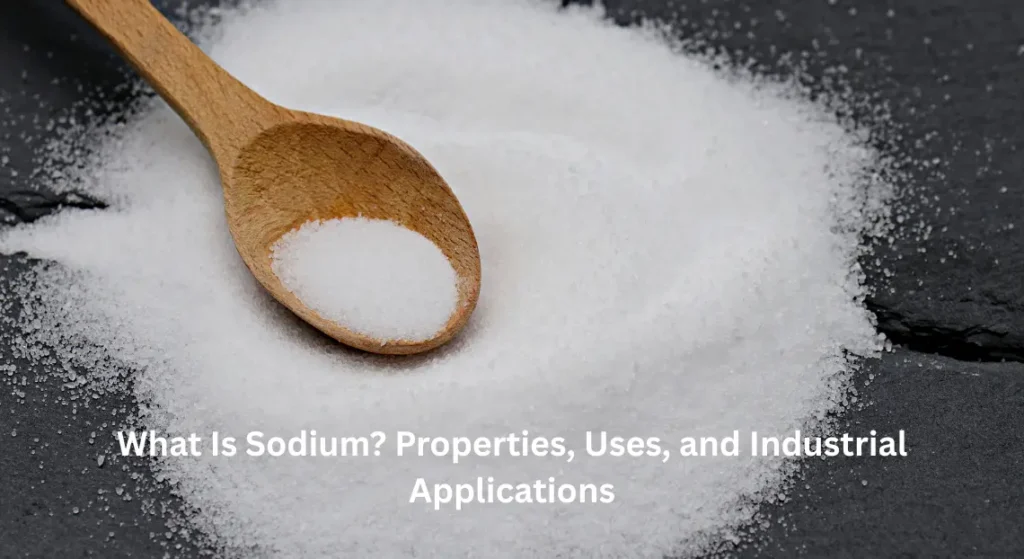
What Is Sodium? Sodium is a chemical element found on the periodic table. It is identified by the symbol Na. An element is a basic substance made of only one type of atom, and sodium fits this definition because it cannot be broken down into simpler substances. Sodium belongs to a group called alkali metals. […]
What Is Chlorine? Uses, Properties, Production, and Safety
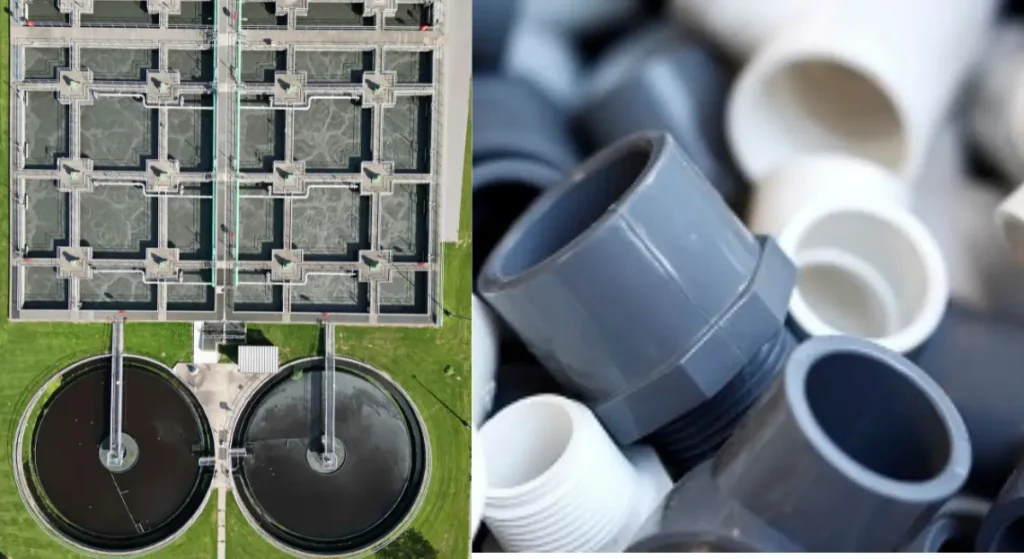
What Is Chlorine? Chlorine is a chemical element that belongs to the halogen group in the Periodic Table. It has the symbol Cl and atomic number 17. In its natural elemental form, chlorine exists as a yellow-green gas with a strong, sharp odor. It is highly reactive, which means it easily combines with other elements […]
Ammonium Bifluoride: Uses, Properties, and Safety Guidelines

What is Ammonium bifluoride? Ammonium bifluoride is a chemical compound with the formula NH₄HF₂. It is an inorganic salt made up of ammonium (NH₄⁺) and bifluoride (HF₂⁻) ions. It is commonly used as a fluoride source in industrial applications, especially for glass etching, metal cleaning, and surface treatment, because it can release hydrofluoric acid when […]
Washing Soda vs Baking Soda: Key Differences, Uses, Safety, and Cleaning Power
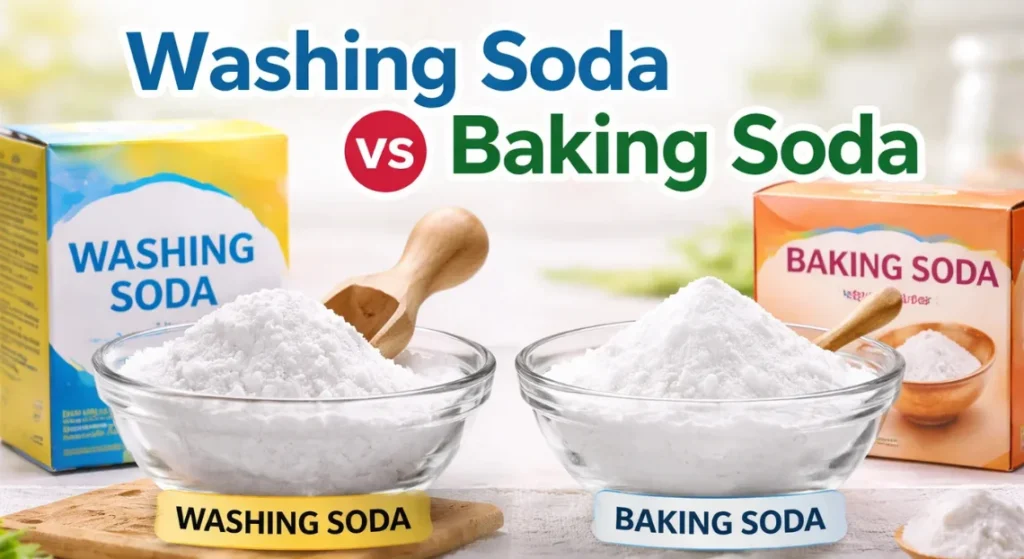
Introduction: Washing Soda vs Baking Soda Washing soda and baking soda are two household powders that many people recognize, but not everyone knows how they differ. Both look similar — white and powdery — and both are used in cleaning, so it’s easy to assume they are the same. However, these two substances are chemically […]
What is Barite: Uses, Types, Production, Market, and Industrial Importance
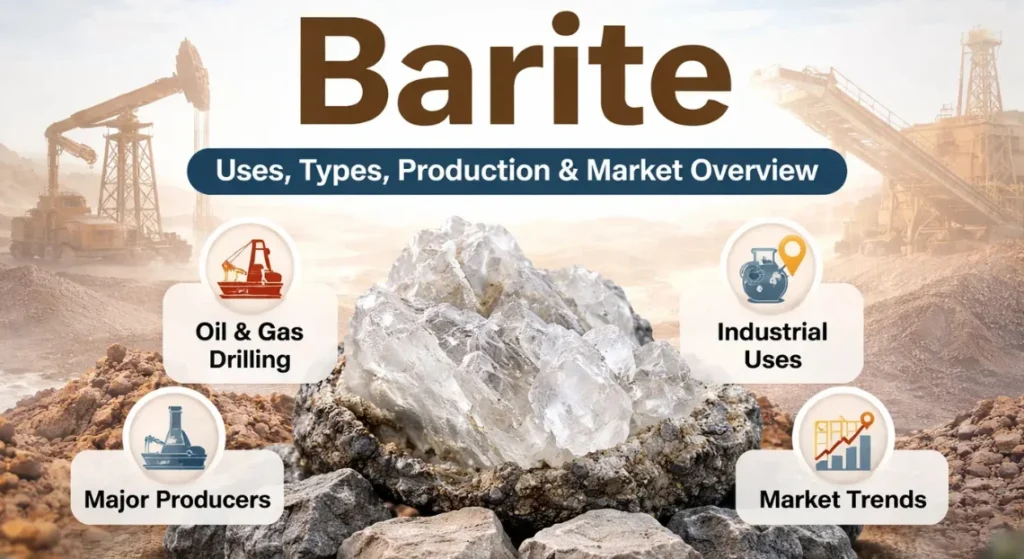
What is Barite? Barite is a natural mineral that is mainly made from barium sulfate. It is known for its high weight compared to other minerals. Barite is usually found in white, grey, or light-colored form and is taken from the earth through mining. This mineral does not react easily with water or chemicals, which […]