

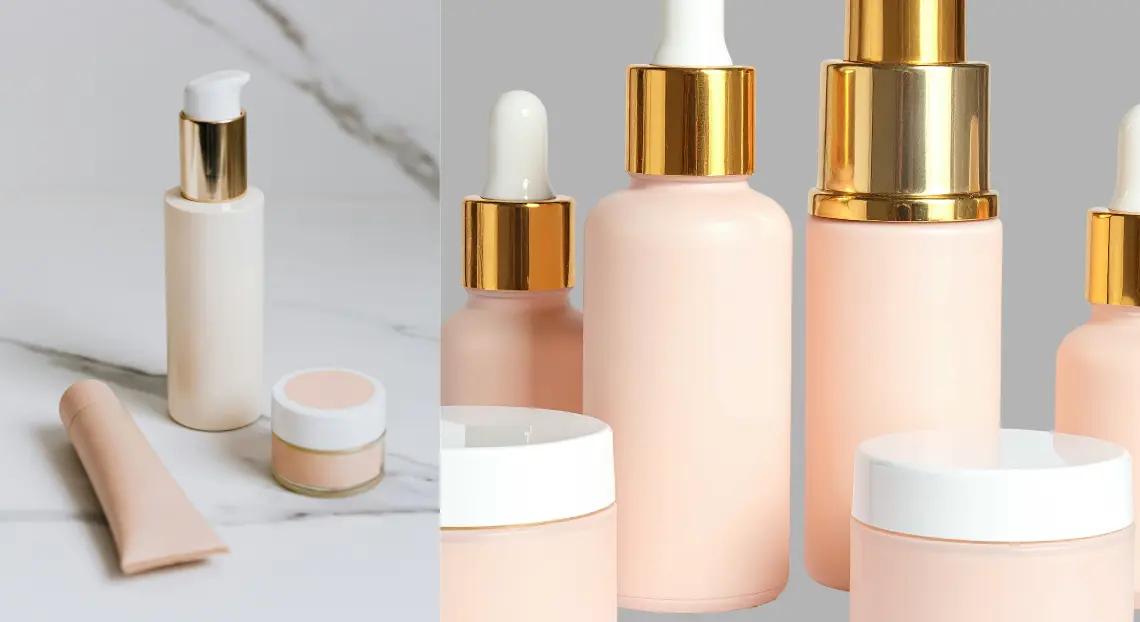
What is the Cosmetics and Personal Care Industry?
The cosmetics and personal care industry is the sector that deals with products used for cleaning, grooming, improving appearance, and maintaining personal hygiene. These products are part of daily life and are used by people of all ages.
Simple Definition
It is an industry that develops, manufactures, and sells products used for skin care, hair care, body care, makeup, and hygiene. The main purpose is to help people look good, feel fresh, and stay clean.
What the Industry Includes
This industry covers a wide range of products such as:
- Skin care products like creams, lotions, and sunscreens
- Hair care products like shampoos and oils
- Personal hygiene products like soaps and toothpaste
- Makeup products like lipstick and foundation
- Fragrances like perfumes and deodorants
It also includes research, product formulation, packaging, branding, and marketing of these products.
Difference Between Cosmetics and Personal Care
Cosmetics and personal care are closely related but not the same.
- Cosmetics are mainly used to enhance appearance. Example: lipstick, foundation, mascara.
- Personal care products are used for hygiene and daily body care. Example: soap, shampoo, toothpaste.
In simple terms, cosmetics improve looks, while personal care products focus on cleanliness and maintenance of the body.
Difference Between Cosmetics and Personal Care Products
Clear Definition of Cosmetic Products in Daily Use
Cosmetics are products mainly used to enhance or change appearance. These products are applied on the skin, hair, lips, or nails to improve looks or add color. Common examples include lipstick, foundation, mascara, nail polish, and perfumes. The main focus of cosmetics is appearance improvement rather than cleaning or health functions. Cosmetics are often used for makeup, beauty styling, and personal expression.
Understanding Personal Care Products and Their Purpose
Personal care products are designed for daily hygiene, grooming, and body maintenance. These products help keep the body clean, healthy, and fresh. They include items such as soap, shampoo, toothpaste, body wash, deodorant, and shaving products. Unlike cosmetics, personal care products are used as part of basic self-care routines to maintain cleanliness and hygiene in everyday life.
Key Differences in Purpose and Usage
The main difference between cosmetics and personal care products lies in their purpose. Cosmetics are used to improve appearance and beauty, while personal care products are used to maintain hygiene and cleanliness. Cosmetics are often optional and depend on personal choice or styling needs. Personal care products are essential and used regularly as part of daily routines.
In terms of usage, cosmetics are usually applied when someone wants to enhance their look for occasions, events, or personal preference. Personal care products are used consistently every day, such as during bathing, brushing teeth, or washing hair. Cosmetics focus more on aesthetic appeal, while personal care focuses on health, cleanliness, and overall well-being.
Major Product Categories in Cosmetics and Personal Care Industry
Skincare Products for Daily Skin Protection and Care
Skincare products are designed to maintain skin health and improve its condition. They help in cleansing, moisturizing, and protecting the skin from sun damage and pollution. This category includes products used for both face care and body care. Face creams, cleansers, sunscreens, moisturizers, and body lotions are common examples. These products are used regularly to keep the skin soft, healthy, and hydrated.
Hair Care Products for Cleaning and Styling Hair
Hair care products focus on cleaning, conditioning, and improving hair texture. They also help in styling and protecting hair from damage. This category includes shampoos, conditioners, hair oils, serums, and styling gels. These products are used based on hair type and specific needs such as dryness, dandruff control, or frizz management. Regular use helps maintain clean, strong, and manageable hair.
Personal Hygiene Products for Everyday Cleanliness
Personal hygiene products are essential for daily body cleanliness and freshness. They help in removing dirt, bacteria, and odor from the body. This category includes soaps, body washes, toothpaste, deodorants, hand washes, and shaving products. These products are a basic part of daily routine and are important for maintaining overall health and hygiene.
Makeup Products for Enhancing Facial Appearance
Makeup and beauty products are used to enhance facial features and overall appearance. They are mainly used for cosmetic purposes and personal styling. This category includes foundation, lipstick, mascara, eyeliner, blush, and compact powders. These products are often used for events, social occasions, or personal preference to create different looks.
Fragrance Products for Long-Lasting Freshness
Fragrance products are used to provide a pleasant smell and maintain freshness throughout the day. They help improve personal scent and boost confidence. This category includes perfumes, deodorants, body sprays, and colognes. These products are available in different strengths and scents, suitable for both daily use and special occasions.
Key Functions of Cosmetics and Personal Care Products
Skin Cleansing for Removing Dirt and Oil
One of the main functions of cosmetics and personal care products is cleansing. Cleansing products help remove dirt, oil, sweat, and pollution from the skin and hair. This keeps pores clean and prevents buildup that can cause skin problems. Face washes, soaps, shampoos, and body washes are commonly used for this purpose. Regular cleansing helps maintain fresh and healthy skin throughout the day.
Moisturizing for Soft and Hydrated Skin
Moisturizing is another important function that helps maintain skin hydration. These products reduce dryness and keep the skin soft and smooth. They also help protect the skin barrier by locking in moisture and preventing water loss. Creams, lotions, and moisturizers are widely used for this purpose. Proper moisturization helps improve skin texture and overall comfort.
Protecting Skin from Damage and Environmental Stress
Many cosmetics and personal care products are designed to protect the skin from harmful factors like sunlight, pollution, and dry weather. Sunscreens protect against UV rays, while some creams help reduce damage caused by environmental stress. These protective functions help slow down skin aging and maintain long-term skin health.
Enhancing Appearance with Cosmetic Products
Cosmetics are widely used to improve or enhance appearance. Makeup products help cover skin imperfections, add color, and highlight facial features. Products like foundation, lipstick, eyeliner, and blush are used to create different looks. This function is mainly related to personal styling and beauty preferences.
Maintaining Daily Hygiene and Freshness
Personal care products play a key role in maintaining hygiene. They help keep the body clean, control body odor, and support overall grooming habits. Products like toothpaste, deodorants, soaps, and shampoos are used daily. Good hygiene helps prevent infections and supports overall health and confidence.
Common Ingredients Used in Cosmetics and Personal Care Products
Emollients for Softening and Moisturizing the Skin
Emollients are ingredients that help make the skin soft, smooth, and hydrated. They form a light layer on the skin that reduces water loss and prevents dryness. These ingredients are commonly found in creams, lotions, lip balms, and moisturizers. Examples include oils, butters, and silicones that help improve skin texture and keep it comfortable for longer hours.
Surfactants for Cleaning and Foaming Action
Surfactants are important cleansing agents used in shampoos, face washes, soaps, and body washes. Their main role is to remove dirt, oil, and impurities from the skin and hair. They work by allowing water and oil to mix, which helps wash away unwanted particles easily. Surfactants also help in creating foam and improving the cleaning effect of products.
Preservatives for Product Safety and Shelf Life
Preservatives are added to cosmetics to prevent the growth of bacteria, fungi, and other microorganisms. Since many products contain water and natural ingredients, preservatives help keep them safe and usable for a longer time. Without them, products can spoil quickly and become unsafe for use. These ingredients ensure stability and hygiene in packaged formulations.
Fragrances for Pleasant Smell and User Experience
Fragrances are used to give cosmetics and personal care products a pleasant smell. They improve the overall user experience and make products more appealing. Fragrances can be natural or synthetic and are added in small amounts. They are commonly found in perfumes, creams, shampoos, soaps, and deodorants.
Active Ingredients for Targeted Skin and Hair Benefits
Active ingredients are the main functional components that provide specific benefits to skin and hair. These may help with hydration, acne control, brightening, anti-aging, or sun protection. Examples include vitamin C, niacinamide, salicylic acid, and sunscreen agents. These ingredients directly address skin or hair concerns and improve overall effectiveness of the product.
How the Cosmetics and Personal Care Industry Works?
Product Development Through Research and Formulation
The process starts with product development. Companies first identify customer needs, market trends, and product ideas. After that, research teams and chemists work on creating formulas. This step includes selecting ingredients, testing texture, checking performance, and ensuring safety. Many rounds of testing are done to improve quality and stability before the product is approved for production.
Manufacturing Process in Controlled Facilities
Once the formula is finalized, the product moves to manufacturing. Here, ingredients are mixed in large batches under controlled conditions. The process includes blending, heating, cooling, and quality checks at every stage. Good Manufacturing Practices (GMP) are followed to ensure safety, hygiene, and consistency. After mixing, products are filled into containers and prepared for further steps.
Packaging and Branding for Market Appeal
Packaging plays an important role in this industry. After manufacturing, products are packed into bottles, tubes, jars, or boxes. Packaging is not only for protection but also for branding and marketing. Labels include product name, ingredients, usage instructions, and safety details. Attractive packaging helps products stand out in stores and online platforms. It also builds brand identity and customer trust.
Distribution Channels to Reach Consumers
After packaging, products are sent through distribution networks. They may go to wholesalers, retailers, supermarkets, or online platforms. Some brands sell directly to customers through websites or e-commerce apps. Distribution ensures products reach different locations efficiently. Strong supply chains help maintain product availability in local and global markets.
Market Size and Growth of the Cosmetics and Personal Care Industry
Global Market Overview and Current Size
The cosmetics and personal care industry is a large and fast-growing global market. In recent years, the industry has reached a value of over USD 400–500 billion, showing strong worldwide demand for beauty, skincare, and hygiene products. The market is expected to keep growing steadily and may cross USD 600–800 billion in the coming years, driven by rising use of daily personal care products and premium beauty items.
Asia-Pacific is the leading region in this market, mainly due to high population, growing urban lifestyle, and strong demand for skincare and grooming products. Countries like India, China, and Japan contribute significantly to global sales.
Growth Trends in the Industry
The industry is growing at a steady rate of around 4% to 7% CAGR, depending on product type and region. Skincare remains the largest segment, followed by hair care and makeup products. Online sales are also increasing quickly due to easy access to products and growing e-commerce platforms.
One major trend is the shift toward natural, organic, and clean beauty products. Consumers now prefer safer ingredients and transparent labeling. Another key trend is the rise of digital beauty marketing, where social media and influencers strongly impact buying decisions. Personalization, AI-based recommendations, and hybrid products (cosmetics with skincare benefits) are also shaping growth.
Key Demand Drivers Behind Market Growth
The growth of this industry is mainly driven by changing lifestyles and increasing awareness of personal grooming. More people are focusing on skincare, hygiene, and appearance in daily life. Rising disposable income also allows consumers to spend more on premium beauty products.
Social media influence is another strong factor. Beauty trends spread quickly through platforms like Instagram, YouTube, and TikTok, increasing product demand. Urbanization, changing fashion habits, and growing male grooming awareness are also expanding the customer base.
Overall, the industry continues to grow due to a mix of lifestyle changes, product innovation, and rising global beauty awareness.
Factors Driving Growth in the Cosmetics and Personal Care Industry
Rising Awareness of Personal Grooming and Self-Care
One of the main reasons for industry growth is the increasing awareness of personal grooming. People today pay more attention to their appearance, hygiene, and overall self-care. Skincare, hair care, and daily hygiene routines have become an important part of lifestyle for both men and women. This shift has increased the regular use of personal care and cosmetic products across all age groups.
Increasing Disposable Income and Spending Power
Rising income levels, especially in developing countries, have also boosted demand. When people have more spending power, they are more willing to buy premium and specialized products. This includes advanced skincare creams, branded makeup, and high-quality hair care solutions. Urban areas, in particular, show strong demand due to better lifestyle and higher purchasing capacity.
Strong Influence of Social Media and Digital Platforms
Social media plays a major role in shaping buying behavior in this industry. Platforms like Instagram, YouTube, and TikTok influence beauty trends and product choices. Beauty influencers and reviews make it easier for consumers to discover new products. Viral trends and tutorials also increase product demand quickly, especially among younger audiences who follow online beauty content closely.
Growing Demand for Natural and Organic Products
Consumers are now more aware of ingredients used in cosmetics and personal care products. This has increased demand for natural, organic, and chemical-free products. People prefer safer formulations that are gentle on skin and environment-friendly. Brands are responding by offering clean beauty products with transparent labeling and plant-based ingredients. This shift is becoming a strong growth driver in the global market.
Overall, these factors together are shaping the rapid expansion of the cosmetics and personal care industry worldwide.
Challenges in the Cosmetics and Personal Care Industry
Strict Regulations and Compliance Requirements
The cosmetics and personal care industry works under strict rules and regulations in many countries. Companies must follow safety standards, ingredient limits, labeling rules, and testing requirements before selling products. These regulations are becoming more detailed as governments focus more on consumer safety and transparency. Brands also need to keep updating formulas to meet changing laws in different regions, which increases time and cost of product development.
Product Safety and Consumer Health Concerns
Product safety is a major challenge in this industry. Since cosmetics and personal care products are applied directly on skin and hair, any unsafe ingredient can cause irritation or health issues. There is also growing concern about harmful chemicals, contamination risks, and long-term effects of certain ingredients. Because of this, companies must invest heavily in testing, quality control, and safer formulations to maintain consumer trust.
High Competition and Fast-Changing Market
The market is highly competitive with many global and local brands offering similar products. New brands enter the market regularly, especially in skincare and beauty segments. At the same time, consumer preferences change quickly due to trends, social media influence, and new product launches. This forces companies to continuously innovate, improve packaging, and launch new products to stay relevant in the market.
Sustainability and Environmental Challenges
Sustainability has become a key issue for the industry. Many products use plastic packaging, synthetic ingredients, and chemical processes that impact the environment. Consumers are now demanding eco-friendly, cruelty-free, and recyclable products. Companies face pressure to reduce waste, use natural ingredients, and adopt sustainable packaging solutions. At the same time, balancing performance, cost, and sustainability remains a major challenge for manufacturers.
Trends in the Cosmetics and Personal Care Industry
Growing Demand for Natural and Organic Products
Natural and organic products are becoming more popular in the cosmetics and personal care industry. People now prefer products made from plant-based and minimally processed ingredients. These products are seen as safer and gentler on the skin compared to heavy chemical-based formulas. This shift is driven by rising health awareness and a focus on long-term skin care. Brands are also improving formulations to offer better performance using natural sources like plant oils, herbs, and botanical extracts.
Clean Beauty and Ingredient Transparency
Clean beauty is a strong trend focused on safe and transparent ingredients. Consumers now read labels carefully and avoid products with harsh chemicals like parabens, sulfates, and synthetic fragrances. Companies are responding by clearly listing ingredients and removing controversial substances. Clean beauty is not only about “natural” claims but also about safety, honesty, and better product testing standards.
Rise of Vegan and Cruelty-Free Products
Vegan and cruelty-free cosmetics are growing quickly as people become more aware of animal welfare. These products avoid animal-derived ingredients and are not tested on animals. Many global brands are shifting to plant-based formulas to meet this demand. This trend is especially strong among younger consumers who prefer ethical and responsible beauty choices.
Sustainable Packaging and Eco-Friendly Solutions
Sustainable packaging is now a key focus in the industry. Companies are reducing plastic use and switching to recyclable, refillable, and biodegradable materials. This helps reduce environmental waste and improves brand responsibility. Eco-friendly packaging is becoming a standard expectation among consumers who care about environmental impact.
Personalized Skincare and Smart Beauty Solutions
Personalized skincare is a growing trend where products are designed based on individual skin type, age, and concerns. Brands are using technology and data to suggest better skincare routines and targeted products. This makes beauty routines more effective and tailored to specific needs. It is becoming an important part of modern skincare innovation.
Regulations and Safety Standards in the Industry
Importance of Product Safety in Consumer Use
Product safety is the most important part of the cosmetics and personal care industry. Since these products are applied directly on skin, hair, and body, they must be safe for regular use. Companies are expected to check ingredients carefully and test products before launching them in the market. Safety checks help prevent skin irritation, allergies, or other harmful effects. In many countries, regulatory bodies like the FDA and similar authorities ensure that only safe products are sold to consumers.
Labeling Requirements for Transparency and Trust
Labeling rules ensure that customers get clear and correct information about products. Every cosmetic product must show basic details such as product name, ingredients, net quantity, and manufacturer information. Ingredients are usually listed in descending order so users can understand what is inside the product. Labels must also include warnings if the product may cause any risk during use. Clear labeling helps consumers make safe and informed buying decisions.
Quality Standards in Manufacturing and Production
Quality standards are used to maintain consistency, safety, and performance of products. Companies follow strict manufacturing practices to avoid contamination and ensure uniform product quality. These standards include controlled production environments, proper handling of raw materials, and regular testing at different stages. Quality checks are done from formulation to final packaging to ensure that every batch meets safety requirements. This helps maintain brand reliability and customer trust in the long run.
How to Choose the Right Cosmetics and Personal Care Products?
Choose Products Based on Ingredient List
The first step in choosing the right cosmetics and personal care products is checking the ingredient list. Ingredients decide how a product will react on your skin or hair. Always look at the first few ingredients, as they are present in the highest amount. Avoid products with unclear or unnecessary chemical names if you have sensitive skin. Reading labels helps you avoid irritation, allergies, and long-term skin issues.
Understand Your Skin and Hair Type
Every person has a different skin and hair type, so one product does not suit everyone. Skin can be oily, dry, combination, or sensitive. Hair can also be dry, oily, or normal. Choosing products based on your type helps improve results and reduces side effects. For example, oily skin needs light, oil-free products, while dry skin needs deep moisturizing formulas. Matching products with your needs gives better and safer results.
Avoid Harmful or Irritating Chemicals
It is important to avoid ingredients that may cause harm or irritation. Some products contain strong preservatives, artificial fragrances, or harsh chemicals that can trigger skin reactions. Ingredients like parabens, strong sulfates, and synthetic fragrances should be used with caution, especially for sensitive skin. Reading the label carefully helps you identify safer options and protect your skin health over time.
Choose Trusted and Well-Regulated Brands
Always prefer brands that follow proper safety standards and quality testing. Trusted brands are more likely to use tested ingredients and follow manufacturing guidelines. They also provide clear product information and labeling. Choosing reliable brands reduces the risk of using unsafe or low-quality products. It also ensures better performance and consistency in results.
Conclusion
The cosmetics and personal care industry plays an important role in daily life. It covers a wide range of products used for skin care, hair care, hygiene, makeup, and overall grooming. These products help people maintain cleanliness, improve appearance, and take better care of their health and personal well-being.
The industry is growing fast due to rising awareness, higher income levels, and changing lifestyle habits. At the same time, trends like natural ingredients, clean beauty, and sustainable products are shaping its future. However, it also faces challenges such as strict regulations, product safety concerns, and strong market competition.
Understanding how this industry works helps in making better product choices. From checking ingredients to choosing the right products based on skin type, small decisions can make a big difference in results and safety.
Overall, the cosmetics and personal care industry will continue to expand as people focus more on self-care, hygiene, and personal grooming in their daily lives.
Frequently Asked Questions (FAQs) About the Cosmetics and Personal Care Industry
What is the cosmetics and personal care industry?
It is the industry that makes products used for skin care, hair care, makeup, hygiene, and grooming.
What is the main purpose of this industry?
The main purpose is to help people stay clean, improve appearance, and maintain personal care.
What are examples of cosmetic products?
Lipstick, foundation, mascara, nail polish, and perfumes are common cosmetic products.
What are personal care products?
Products like soap, shampoo, toothpaste, deodorant, and body wash are personal care products.
Is skincare part of this industry?
Yes, skincare is a major part and includes creams, moisturizers, sunscreens, and face washes.
Why is the cosmetics industry growing so fast?
It is growing due to higher awareness of grooming, social media influence, and rising income levels.
Are natural and organic products better?
They are preferred by many people because they are made from plant-based ingredients and are often gentler on skin.
What is clean beauty?
Clean beauty means products made without harmful or controversial ingredients and with more transparency.
Why is product safety important in this industry?
Product safety is important because these products are used directly on skin and must not cause harm or irritation.
How can I choose the right personal care products?
Check ingredients, know your skin type, avoid harsh chemicals, and choose trusted brands.