

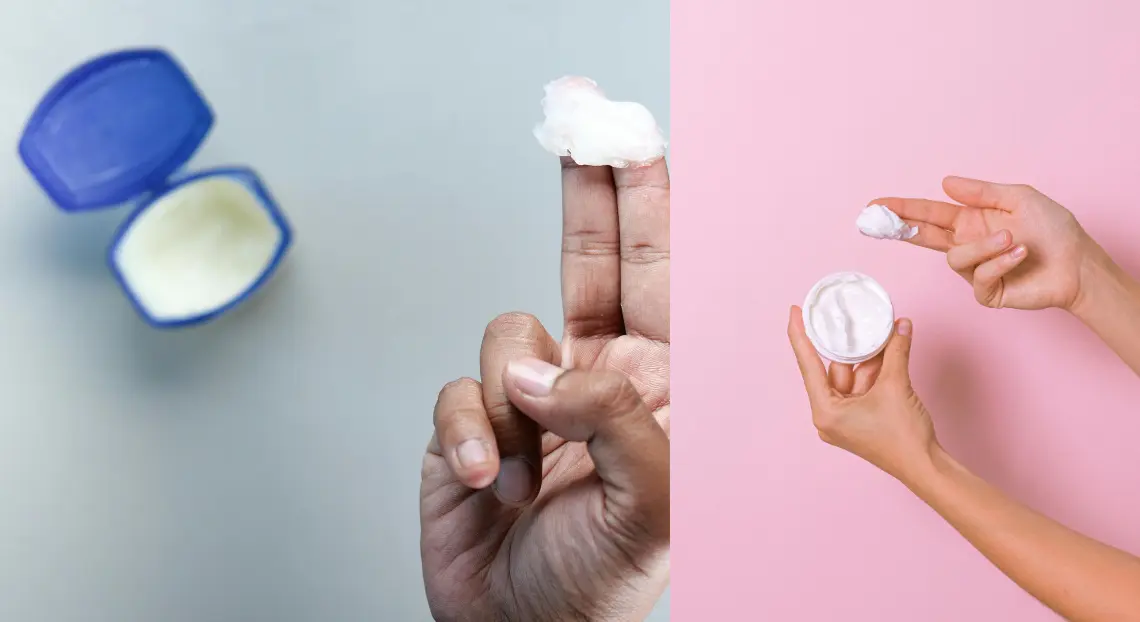
What Are Emollients?
Emollients are ingredients that help keep the skin soft, smooth, and hydrated. They work by forming a thin layer on the skin surface that locks in moisture and prevents dryness.
In simple terms, emollients are used to improve how the skin feels and looks by reducing roughness and dryness.
They are widely used in skincare and personal care products because they help maintain healthy skin. You will commonly find them in creams, lotions, moisturizers, and ointments. Emollients are especially useful for dry, sensitive, or damaged skin, as they help restore moisture and improve skin texture.
How Emollients Protect and Improve Your Skin?
How Emollients Form a Protective Layer?
Emollients work by forming a thin layer on the outer surface of the skin. This layer acts like a shield that covers the skin and protects it from dryness and external damage. It sits on the top layer of the skin and helps improve the skin barrier, which is important for keeping the skin healthy.
This protective layer also helps soothe the skin. It reduces irritation, dryness, and roughness, making the skin feel more comfortable.
How Emollients Reduce Moisture Loss?
One of the main functions of emollients is to stop water from leaving the skin. The outer layer of the skin naturally loses water during the day. When this happens too much, the skin becomes dry and rough.
Emollients slow down this process by trapping moisture inside the skin. They create a barrier that holds the existing moisture and prevents it from evaporating.
Some emollients also help attract water to the skin, while others mainly lock in the moisture that is already present. This keeps the skin hydrated for a longer time.
How Emollients Improve Skin Texture?
Dry skin often has small gaps between skin cells, which makes the surface feel rough and uneven. Emollients help fill these gaps with fatty substances, also known as lipids.
By filling these spaces, the skin becomes smoother and softer. The surface feels more even, and the appearance of flaking and rough patches is reduced.
With regular use, emollients help restore the natural smoothness of the skin. They make the skin look healthy, feel soft to touch, and stay hydrated for a longer time.
Types of Emollients
Occlusive Emollients That Seal Moisture
Occlusive emollients are used to lock moisture inside the skin. They form a thick layer on the surface that stops water from escaping. This makes them very useful for very dry or damaged skin. These emollients do not add moisture but help keep the existing moisture in the skin for a longer time.
They are often used in products made for dry skin, cracked skin, and skin conditions like eczema. Common examples include petroleum jelly, mineral oil, and paraffin. These ingredients create a strong barrier and give quick relief from dryness.
Humectant Emollients That Attract Water
Humectant emollients help the skin stay hydrated by attracting water. They pull moisture from the air or from deeper layers of the skin and bring it to the surface. This helps keep the skin soft and hydrated.
These emollients are commonly used in daily skincare products because they give a light and non-greasy feel. They work best when used along with occlusive ingredients, as this helps hold the moisture in place. Common examples include glycerin, hyaluronic acid, and urea.
Softening Emollients That Smooth the Skin
Softening emollients improve the texture of the skin. They fill the small gaps between skin cells and make the surface smooth and even. This helps reduce roughness, flaking, and dry patches.
These emollients are widely used in creams and lotions to make the skin feel soft and comfortable. They also help improve the overall appearance of the skin. Common examples include natural oils like coconut oil and almond oil, as well as shea butter and fatty acids.
Using the right type of emollient helps keep the skin healthy, smooth, and well hydrated.
Common Ingredients Used as Emollients
Natural Oils and Butters Used as Emollients
Natural emollients mainly include plant-based oils and butters. These ingredients are rich in fatty substances that help soften the skin and improve its texture. They work by filling the gaps between skin cells and making the skin smooth and flexible.
Common natural emollients include coconut oil, almond oil, olive oil, and jojoba oil. Butters like shea butter and cocoa butter are also widely used. These ingredients not only soften the skin but also provide a light protective layer that helps reduce dryness.
Natural emollients are often used in creams, lotions, and body butters. They are suitable for dry and sensitive skin and are commonly preferred for daily skincare.
Synthetic and Petroleum-Based Emollients
Synthetic and petroleum-based emollients are widely used in modern skincare products. These ingredients are designed to give strong moisture protection and long-lasting effects. They mainly work by forming a barrier on the skin that prevents water loss.
Common examples include petrolatum, mineral oil, paraffin, and silicones. These ingredients are very effective for very dry or damaged skin because they create a strong protective layer.
They are often used in ointments and heavy creams. These emollients are stable, safe for most skin types, and widely used in medical and skincare products.
Popular Emollient Ingredients in Skincare Products
Most skincare products use a mix of different emollient ingredients to get better results. These products often combine occlusive agents and water-attracting ingredients to improve hydration.
Common ingredients include glycerin, hyaluronic acid, lanolin, and fatty alcohols. Glycerin and urea help attract water to the skin, while ingredients like petrolatum and oils help lock that moisture in.
This combination helps keep the skin soft, smooth, and well hydrated. It also improves how the product spreads and absorbs on the skin.
Uses of Emollients in Daily Life
Use of Emollients in Skincare Products
Emollients are widely used in everyday skincare products like creams, lotions, and moisturizers. Their main role is to keep the skin soft and hydrated. These products form a thin layer on the skin that helps reduce dryness and improve comfort.
They are used daily to manage dry, rough, or flaky skin. Regular use helps maintain the skin barrier and prevents moisture loss. Emollients also help reduce itching and irritation, which makes them useful for people with sensitive skin.
Different product types are used based on need. Lotions are light and easy to apply, creams provide balanced moisture, and ointments are thicker and give deep hydration.
Use of Emollients in Hair Care Products
Emollients are also used in hair care products such as conditioners, serums, and hair oils. In hair care, their main job is to smooth and soften the hair surface. They help coat the hair strands and reduce dryness, making the hair easier to manage.
These ingredients improve hair texture by reducing roughness and frizz. They also add shine and make the hair look healthy. Natural oils like coconut oil and synthetic ingredients like silicones are commonly used as emollients in hair products.
By forming a light layer over the hair, emollients protect it from damage caused by heat, pollution, and dryness.
Use of Emollients in Medical and Therapeutic Creams
Emollients are an important part of many medical creams used to treat skin conditions. They are commonly used for conditions like eczema, psoriasis, and dermatitis.
These creams help reduce dryness, scaling, and irritation. They also support the skin’s natural healing process by keeping the skin hydrated and protected.
Doctors often recommend emollients as part of daily treatment because they help prevent flare-ups and keep the skin in better condition. Regular use improves comfort and protects the skin from further damage.
Benefits of Using Emollients
Keeps Skin Soft and Smooth
Emollients help make the skin soft and smooth by filling the small gaps between skin cells. When the skin loses moisture, it becomes rough and uneven. Emollients add fatty substances that smooth the surface and improve how the skin feels.
They also create a light layer on the skin that makes it feel more comfortable. With regular use, the skin becomes less rough and looks healthier.
Prevents Dryness and Flaking
One of the main benefits of emollients is that they help prevent dryness. They form a thin film on the skin that holds moisture and reduces water loss. This keeps the skin hydrated for a longer time.
Dry skin often leads to flaking, cracking, and irritation. Emollients reduce these problems by keeping the skin moist and protected. This is especially helpful in cold weather or when the skin is exposed to harsh conditions.
Supports the Skin Barrier
The skin barrier is the outer layer that protects the body from damage. When this barrier becomes weak, the skin loses moisture and becomes sensitive. Emollients help repair and strengthen this barrier by creating a protective layer on the skin.
This layer also blocks harmful substances like dirt, bacteria, and irritants from entering the skin. A strong skin barrier helps keep the skin healthy and reduces the risk of damage.
Helps Manage Skin Conditions
Emollients are widely used to manage skin conditions like eczema, psoriasis, and dermatitis. They help reduce symptoms such as dryness, itching, and irritation.
By keeping the skin hydrated and protected, emollients also help reduce flare-ups and improve comfort. Regular use can support long-term skin care and make the skin easier to manage.
Emollients for Dry Skin and Skin Conditions
Use of Emollients for Eczema Care
Emollients are a key part of managing eczema. This condition makes the skin dry, itchy, and easily irritated. Emollients help by adding moisture and forming a protective layer on the skin. This reduces dryness and helps calm itching.
Regular use of emollients can improve skin condition over time. Studies show that using moisturizers can reduce eczema flare-ups and help the skin stay stable for longer periods.
They are often used daily, even when the skin looks normal. This helps prevent dryness from coming back and keeps the skin barrier strong. In most cases, emollients are the first step in eczema care and are used along with other treatments when needed.
Use of Emollients for Psoriasis Relief
Psoriasis causes thick, dry, and scaly patches on the skin. Emollients help soften these patches and reduce scaling. They also improve skin hydration, which makes the skin feel less tight and uncomfortable.
Research shows that emollients help improve the skin barrier in people with psoriasis. They reduce water loss from the skin and increase hydration levels.
They are often used along with medicated creams. By softening the skin, emollients also help other treatments work better. Regular use can reduce dryness and improve overall skin condition.
Use of Emollients for Sensitive Skin
Sensitive skin reacts easily to weather, products, or pollution. It can become dry, red, or irritated. Emollients help protect this type of skin by forming a gentle barrier on the surface.
They keep the skin hydrated and reduce the chances of irritation. Many emollients are made without strong chemicals or fragrance, which makes them suitable for sensitive skin.
Using emollients daily helps keep the skin calm and balanced. It also improves comfort by reducing dryness and tightness. Over time, the skin becomes more stable and less reactive to outside factors.
How to Choose the Right Emollient?
Choose Based on Your Skin Type
The first step is to understand your skin type. Different emollients work better for different needs. If you have dry skin, thicker products like creams or ointments are more useful because they contain more oil and give better moisture protection. If your skin is oily or normal, lighter products like lotions are a better choice because they feel less greasy and absorb quickly.
For sensitive skin, simple formulas with fewer ingredients are safer. These reduce the chance of irritation and help keep the skin calm.
Choose Based on Weather Conditions
Weather also affects how your skin behaves. In cold or dry weather, the skin loses more moisture. In such conditions, heavier emollients like creams and ointments help protect the skin and prevent dryness. These products form a stronger barrier and keep the skin hydrated for longer.
In hot or humid weather, the skin produces more oil and sweat. Using thick products may feel heavy and uncomfortable. In this case, lighter options like lotions or gels are better because they are easy to apply and do not feel sticky on the skin.
Choose Based on Product Type
Emollients are available in different forms such as lotions, creams, and ointments. Each type has a different level of oil and water, which affects how it works on the skin.
Ointments contain the most oil and are best for very dry or damaged skin. They stay on the surface and prevent moisture loss for a long time. Creams have a balance of oil and water, making them suitable for daily use and most skin types. Lotions contain more water and are lighter, so they are easy to spread and good for large or hairy areas.
Choosing the right emollient depends on your skin needs, the environment, and how comfortable the product feels on your skin.
How to Use Emollients Correctly?
When to Apply Emollients for Best Results?
The best time to apply emollients is right after washing your skin. This includes after a bath, shower, or even hand washing. When the skin is slightly damp, it holds some water on the surface. Applying an emollient at this time helps lock that moisture into the skin.
Experts suggest applying it within a few minutes after bathing, before the water dries out. This helps improve hydration and keeps the skin soft for a longer time.
Emollients can also be applied at any time during the day when your skin feels dry or tight.
How Often to Use Emollients Daily?
Emollients should be used regularly to get good results. In most cases, applying them two to four times a day is enough. If your skin is very dry or you have a skin condition, you may need to use them more often.
It is also important to reapply emollients after washing your hands, bathing, or swimming. Water can remove natural oils from the skin, so reapplying helps restore moisture.
Daily and consistent use is important, even when your skin looks better. This helps prevent dryness from coming back.
Best Practices for Better Results
To get the best results, apply emollients gently on the skin without rubbing too hard. Smooth the product in the direction of hair growth to avoid irritation.
Use a good amount so that the skin feels well covered but not overly greasy. Applying too little may not give proper hydration.
It is also helpful to use emollients regularly as part of your daily routine, not only when the skin feels dry. Consistent use helps maintain the skin barrier and keeps the skin soft, smooth, and protected over time.
Are There Any Side Effects of Emollients?
Possible Skin Reactions and Irritation
Emollients are generally safe for most people, but in some cases, they can cause mild skin reactions. Some people may feel burning, stinging, or redness after applying a product. This usually happens when the skin is very sensitive or damaged.
In rare cases, allergic reactions can occur. Signs include itching, rash, swelling, or severe irritation. If this happens, the product should be stopped and medical advice may be needed.
Some emollients can also block pores, especially thick and oily ones. This may lead to acne or small bumps, mainly on oily or acne-prone skin.
When to Avoid Certain Ingredients?
Not all emollients suit every skin type. Products with fragrance, alcohol, or strong preservatives can irritate sensitive skin. It is better to choose simple and fragrance-free formulas if your skin reacts easily.
Heavy emollients like petroleum-based products may not be suitable for acne-prone skin, as they can trap oil and cause breakouts. Also, some ingredients may not be suitable for certain areas of the body where the skin needs to stay dry.
If you have allergies or skin conditions, it is important to check the ingredient list before use. Trying a new product slowly can help avoid unwanted reactions.
Tips for Safe and Proper Use
To use emollients safely, always apply a small amount first and check how your skin reacts. This is known as a patch test and helps reduce the risk of irritation.
Use one new product at a time so it is easier to identify the cause if a reaction occurs.
It is also important to keep the skin clean before applying the product. Avoid sharing skincare products to prevent contamination.
Another important point is safety around fire. Emollients can leave a residue on clothes and bedding, which may catch fire easily if exposed to heat or flames.
With proper use and the right product choice, emollients can be used safely as part of daily skincare.
Difference Between Emollients and Moisturizers
Key Difference Between Emollients and Moisturizers
Emollients and moisturizers are often used as the same term, but they are not exactly the same. An emollient is a type of ingredient, while a moisturizer is a complete product.
Emollients mainly work to soften and smooth the skin. They fill the gaps between skin cells and create a light protective layer on the surface. This helps improve skin texture and reduce roughness.
On the other hand, moisturizers are products made to hydrate the skin. They usually contain a mix of ingredients such as emollients, humectants, and occlusives. These ingredients work together to add moisture, hold it in, and keep the skin healthy.
In simple terms, emollients are a part of moisturizers. Emollients focus on softening the skin, while moisturizers do more than one job, including hydration and protection.
When to Use Emollients and Moisturizers?
Emollients are best used when your skin feels dry, rough, or irritated. They are helpful for improving skin texture and are often used in conditions like eczema and psoriasis. These ingredients are useful when the main goal is to make the skin soft and reduce dryness.
Moisturizers are used for daily skincare to maintain overall skin health. They are suitable for all skin types because they provide complete care. A moisturizer helps bring moisture to the skin and also keeps it from drying out.
In many cases, you do not need to choose between them. Most skincare products already include emollients as part of a moisturizer. Using a good moisturizer regularly helps keep the skin hydrated, soft, and protected.
Conclusion
Emollients play an important role in keeping the skin soft, smooth, and healthy. They help reduce dryness, improve skin texture, and protect the skin from moisture loss. Whether used in daily skincare, hair care, or medical treatments, emollients support overall skin health.
Understanding how emollients work, their types, and how to use them correctly helps in choosing the right product for your needs. Regular use can prevent dryness, reduce irritation, and keep the skin comfortable in different conditions.
Choosing the right emollient based on your skin type and environment makes a big difference. With proper and consistent use, emollients help maintain a strong skin barrier and improve the overall look and feel of the skin.
In simple terms, emollients are a basic but essential part of everyday skincare for healthy and well-maintained skin.
Frequently Asked Questions (FAQs) About Emollients
What are emollients used for?
Emollients are used to keep the skin soft, smooth, and hydrated. They help reduce dryness and improve skin texture.
Are emollients the same as moisturizers?
No. Emollients are ingredients that soften the skin, while moisturizers are products that contain emollients along with other ingredients.
Can emollients be used daily?
Yes. Emollients are safe for daily use and can be applied multiple times a day to keep the skin hydrated.
Are emollients good for oily skin?
Yes, but lighter emollients like lotions are better for oily skin as they do not feel heavy or greasy.
Can emollients cause acne?
Some heavy emollients can clog pores and may cause acne in acne-prone skin. Choosing non-greasy products helps avoid this.
Are emollients safe for sensitive skin?
Yes. Fragrance-free and simple emollients are safe and helpful for sensitive skin.
When is the best time to apply emollients?
The best time is after bathing or washing, when the skin is slightly damp.
Can emollients help with eczema?
Yes. They help reduce dryness, itching, and irritation and are commonly used in eczema care.
How often should emollients be applied?
They can be applied two to four times a day, or more if the skin is very dry.
Do emollients have any side effects?
They are usually safe, but some people may get mild irritation or allergic reactions depending on the ingredients.