

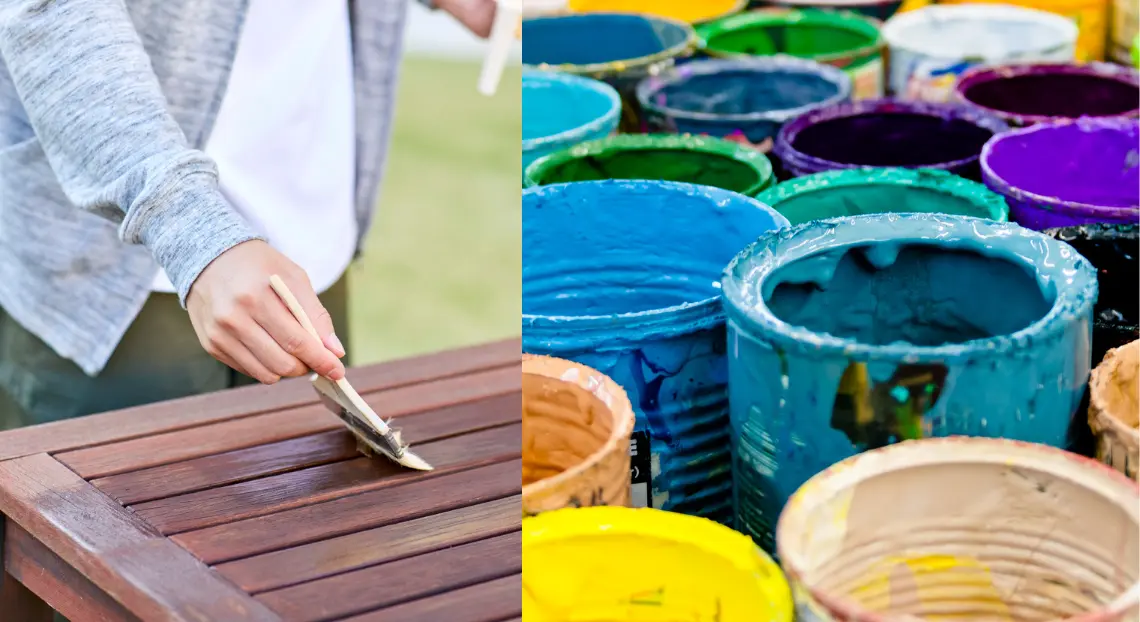
What is Alkyd?
Alkyd is a synthetic resin mainly used in paints and coatings. It works as a binder, which means it holds all the ingredients together and forms a solid film on the surface after drying.
In simple terms, alkyd is an oil-modified polyester. It is made by combining polyols (like glycerol), acids (such as phthalic anhydride), and fatty acids or natural oils. The oil part helps improve flexibility, adhesion, and drying properties.
In coatings, alkyd plays a key role. It binds pigments and additives, helps the paint spread evenly, and creates a smooth, durable, and glossy finish. It also improves adhesion to surfaces like wood, metal, and walls.
How Alkyd Resins Are Made?
Raw Materials Used in Alkyd Resin
Alkyd resins are made using three main raw materials: polyols, dibasic acids (or anhydrides), and fatty acids or natural oils. Polyols such as glycerol act as the base structure. Dibasic acids like phthalic anhydride help build the main resin chain. Fatty acids or oils, often taken from vegetable oils like soybean or linseed, improve flexibility and drying behavior.
Role of Polyols, Acids and Oils
Each component has a clear role in the final product. Polyols provide the backbone and shape of the resin. Acids react with polyols to form strong chemical links called esters. Oils or fatty acids are added to modify the resin, making it more flexible and helping it dry properly when exposed to air.
Step-by-Step Manufacturing Process
The process starts by mixing the raw materials in a reactor. These materials are then heated at high temperature to start a chemical reaction called esterification. During this reaction, polyols and acids combine to form a polyester structure, while oils become part of the chain.
As the reaction continues, water is formed as a by-product. This water is removed from the system, usually by heating and distillation. Removing water is important because it helps the reaction move forward and improves the quality of the resin.
After the reaction reaches the desired level, the mixture is cooled. In some cases, solvents are added to control thickness and make the resin easier to handle. Finally, the product is tested to check properties like viscosity and quality before use.
In simple terms, alkyd resin is made by heating and reacting alcohols, acids, and oils together to form a stable, film-forming material used in coatings.
Key Components of Alkyd Resins
Polyols Build the Basic Structure
Polyols are one of the main building blocks of alkyd resins. These are alcohol-based compounds such as glycerol or pentaerythritol. They help form the basic structure of the resin. When polyols react with acids, they create strong links called ester bonds, which form a polyester chain. This chain gives the resin its shape and strength. The type of polyol used can also affect the final properties. For example, some polyols make the coating harder, while others improve flexibility.
Acids Form the Resin Backbone
Dibasic acids or anhydrides are used to build the main backbone of the alkyd resin. Common examples include phthalic anhydride and other dicarboxylic acids. These acids react with polyols during the manufacturing process to form the core polyester structure. This backbone gives the resin its strength, durability, and resistance. The choice of acid also affects properties like hardness and chemical resistance of the final coating.
Oils and Fatty Acids Improve Flexibility and Drying
Fatty acids or natural oils are added to modify the polyester resin. These oils usually come from vegetable sources like linseed oil or soybean oil. Their main role is to make the coating flexible and improve its drying behavior. When exposed to air, the oil part reacts with oxygen and helps the coating form a solid film. This process is called oxidative drying. Oils also improve gloss and make the coating easier to apply.
Additives Improve Performance and Application
Apart from the main components, small amounts of additives are used in alkyd formulations. These include solvents to control thickness, driers to speed up drying, and pigments for color. Some additives improve flow, leveling, and surface finish. Others help increase durability or resistance to moisture and chemicals. These supporting materials do not form the main structure but are important for making the resin suitable for real-world use in paints and coatings.
Types of Alkyd Resins Based on Oil Length
Classification Based on Oil Content
Alkyd resins are mainly classified based on oil length. Oil length means the percentage of oil or fatty acids present in the resin. This factor directly affects drying time, hardness, flexibility, and overall performance of the coating. Based on this, alkyd resins are divided into three types: short oil, medium oil, and long oil alkyds.
Short Oil Alkyd: Fast Drying and Hard Finish
Short oil alkyd resins contain low oil content, usually less than 40%. Because of this, they form hard and strong films with good gloss. These resins dry faster, but in most cases, they require heat or baking to cure properly. They have low flexibility but high durability and chemical resistance. Short oil alkyds are mainly used in industrial coatings, baking enamels, and automotive finishes where fast drying and hardness are important.
Medium Oil Alkyd: Balanced Performance
Medium oil alkyd resins contain around 40% to 60% oil. These resins offer a balance between hardness and flexibility. They dry at a moderate speed and can air-dry under normal conditions. Medium oil alkyds provide good adhesion, reasonable durability, and decent gloss. Because of this balanced performance, they are widely used in industrial paints, machinery coatings, and general-purpose applications.
Long Oil Alkyd: Flexible and Slow Drying
Long oil alkyd resins have high oil content, usually above 60%. These resins are more flexible and easier to apply. They dry slowly but can cure at room temperature through air oxidation. Long oil alkyds provide smooth flow, good brushability, and better penetration into surfaces like wood. They are commonly used in decorative paints, wood coatings, and maintenance coatings where flexibility and ease of application are required.
In simple terms, shorter oil length gives faster drying and harder films, while longer oil length gives better flexibility and slower drying.
Types of Alkyd Resins Based on Modification
Modified Alkyd Resins for Better Performance
Basic alkyd resins are often modified to improve their performance. Different materials are added to the resin to solve common issues like slow drying, low durability, or poor weather resistance. One common type is silicone-modified alkyd. It improves heat resistance and makes the coating last longer in outdoor conditions. Urethane-modified alkyd, also called urethane alkyd, gives better hardness, chemical resistance, and toughness. Acrylic-modified alkyd helps in faster drying and better color retention. These modifications make alkyd resins suitable for more demanding applications such as industrial coatings and wood finishes.
Water-Reducible Alkyd Resins
Water-reducible alkyds are designed to reduce the use of organic solvents. In this type, the resin is modified by adding special groups that allow it to mix with water. This helps lower VOC emissions and makes the product more eco-friendly. These resins still keep the main benefits of alkyd, such as good adhesion and smooth finish, but with less environmental impact. They are widely used in modern paints where regulations are strict and safer products are needed.
High-Solid Alkyd Resins for Low VOC
High-solid alkyd resins contain less solvent and more solid content. This means thicker coatings with fewer emissions. These resins are designed to meet environmental rules while still giving good performance. They provide strong film formation, good coverage, and better efficiency because more material stays on the surface after application. High-solid alkyds are commonly used in industrial and protective coatings.
Purpose and Advantages of Modified Alkyds
The main purpose of modifying alkyd resins is to improve their overall performance. Modifications help increase durability, reduce drying time, and improve resistance to heat, water, and chemicals. They also help meet modern environmental standards by lowering VOC levels. Because of these improvements, modified alkyd resins are widely used in both decorative and industrial coatings, where better performance and compliance are required.
Key Properties of Alkyd Resins
Strong Adhesion to Different Surfaces
Alkyd resins have very good adhesion. This means they stick well to surfaces like wood, metal, and previously painted areas. Because of this, they are widely used in paints and primers. Good adhesion also helps the coating last longer and prevents peeling or cracking over time.
High Gloss and Smooth Finish
Alkyd coatings are known for their glossy and smooth finish. They can produce a rich and shiny surface, which improves the look of painted objects. This is one of the main reasons alkyd resins are used in decorative paints and enamels. They also spread evenly, which helps in getting a uniform finish.
Good Durability and Film Strength
Alkyd resins form a strong and durable film after drying. The coating can resist wear, weather, and general use. Over time, the film becomes harder as it reacts with oxygen in the air. This gradual hardening improves the life of the coating and makes it suitable for both indoor and outdoor use.
Drying Time and Curing Process
Alkyd resins dry through a process called oxidation. When exposed to air, the oil part reacts with oxygen and forms a solid film. Surface drying can happen within a few hours, but full curing may take several days. The drying time depends on oil content and additives used. Driers are often added to speed up the process.
Chemical and Water Resistance
Alkyd resins offer moderate resistance to chemicals and water. They can handle normal environmental exposure and mild chemicals, making them suitable for general-purpose coatings. However, they are not ideal for highly aggressive chemical conditions. For such cases, stronger resins like epoxy are preferred.
In simple terms, alkyd resins provide a good balance of adhesion, finish, durability, and ease of use, which makes them a popular choice in paints and coatings.
Advantages of Alkyd Resins
Easy to Apply on Different Surfaces
Alkyd resins are easy to use in paints and coatings. They spread well on surfaces like wood, metal, and walls. The paint flows smoothly and levels out, which helps reduce brush marks. This makes them suitable for both manual and spray application.
Smooth and Glossy Finish
One of the main benefits of alkyd resins is the finish they provide. They form a smooth, even, and glossy surface after drying. This improves the overall appearance and gives a professional look. Because of this, they are widely used in decorative paints and enamels.
Cost-Effective Coating Option
Alkyd resins are generally more affordable compared to many advanced resins. They offer good performance at a reasonable cost. This makes them a practical choice for large-scale painting work where budget is important.
Good Surface Protection
Alkyd coatings form a strong film that protects the surface from moisture, dust, and normal wear. They also help prevent corrosion on metal surfaces. This protective layer increases the life of the painted surface and reduces maintenance.
Disadvantages of Alkyd Resins
Slow Drying in Some Conditions
Alkyd resins dry by reacting with oxygen in the air. This process can take time, especially in humid or low-temperature conditions. While the surface may feel dry in a few hours, full curing can take longer.
Yellowing Over Time
Alkyd coatings may turn yellow with time, especially in areas with low sunlight or indoor conditions. This can affect the appearance of light-colored paints.
VOC Concerns in Solvent-Based Systems
Traditional alkyd paints use organic solvents, which release volatile organic compounds (VOCs). These emissions can affect air quality and are controlled by environmental regulations in many regions.
Limited Weather Resistance
Compared to modern resins like acrylic or epoxy, alkyd resins have limited resistance to strong sunlight and harsh weather. Over time, the coating may lose gloss and durability in outdoor conditions.
Applications of Alkyd Resins
Use in Decorative Paints and Coatings
Alkyd resins are widely used in decorative paints for homes and buildings. They are commonly found in enamel paints used on walls, doors, and furniture. These coatings provide a smooth and glossy finish, which improves appearance. They also offer good adhesion and durability, making them suitable for interior surfaces. Alkyd-based paints are easy to apply and give a uniform look, which is why they are still popular in decorative coatings.
Use in Industrial Coatings
In industrial applications, alkyd resins are used for protective coatings on machinery, equipment, and structures. These coatings form a strong film that protects surfaces from wear, moisture, and mild chemicals. They are often used in primers and maintenance coatings because they are cost-effective and reliable. Alkyd coatings are commonly applied on metal, concrete, and other industrial surfaces.
Use in Wood Finishes and Furniture
Alkyd resins are widely used in wood coatings such as varnishes, stains, and sealers. They help protect wood from moisture and damage while improving its natural look. These coatings penetrate well into wood surfaces and provide a smooth and glossy finish. Because of their good flow and leveling, they are suitable for furniture, doors, and wooden fittings.
Use in Metal Coatings
Alkyd coatings are used on metal surfaces to prevent rust and corrosion. They create a protective layer that reduces the effect of air and moisture on the metal. These coatings are commonly used on gates, railings, pipelines, and structural steel. Their good adhesion and durability make them suitable for general-purpose metal protection.
Use in Automotive and Machinery Coatings
Alkyd resins are also used in automotive and machinery coatings, especially in primers and repair coatings. They provide good surface protection and a smooth finish. Although advanced resins are now more common in modern vehicles, alkyd coatings are still used in some applications due to their ease of use and cost advantage.
In simple terms, alkyd resins are used in many areas because they offer a good balance of finish, protection, and cost.
Alkyd vs Acrylic vs Epoxy Resins
Basic Comparison of Properties
Alkyd, acrylic, and epoxy resins are widely used in paints and coatings, but they have different properties. Alkyd is an oil-based resin known for good adhesion, gloss, and durability. Acrylic is usually water-based and is known for fast drying, flexibility, and strong resistance to sunlight. Epoxy is a two-component system that provides very high strength and chemical resistance.
Alkyd resins dry slowly because they react with oxygen in the air. Acrylic resins dry faster as water or solvent evaporates. Epoxy resins cure through a chemical reaction between resin and hardener, which creates a very strong and tough coating.
Performance Differences in Coatings
In terms of performance, alkyd resins give a smooth, glossy finish and good surface protection. They are suitable for general-purpose coatings where appearance and cost matter. However, they may yellow over time and are less resistant to UV light.
Acrylic resins perform better in outdoor conditions. They have excellent UV resistance, do not yellow easily, and keep their color for a long time. They are also more flexible, which helps prevent cracking.
Epoxy resins offer the highest strength among the three. They provide excellent chemical, water, and abrasion resistance. Because of this, they are used in heavy-duty applications like industrial floors, marine coatings, and protective layers. However, epoxy coatings may not perform well under direct sunlight unless protected with another layer.
When to Use Alkyd Instead of Others
Alkyd resins are a good choice when you need a smooth finish, strong adhesion, and a cost-effective solution. They work well for wood, metal, and indoor surfaces.
Acrylic resins are better for outdoor use where sunlight, weather, and color stability are important.
Epoxy resins should be used where high strength and chemical resistance are required, such as industrial or heavy-duty environments.
In simple terms, alkyd is best for general use and finish, acrylic for outdoor durability, and epoxy for maximum protection.
Environmental Impact and Regulations
VOC Emissions in Alkyd Paints
Traditional alkyd paints are solvent-based and release volatile organic compounds, known as VOCs. These compounds evaporate into the air during application and drying. High VOC levels can affect air quality and may cause health and environmental concerns. Because of this, many countries have strict rules to control VOC emissions in paints and coatings. Manufacturers are now required to reduce solvent content and develop safer products.
Shift Toward Water-Based Alkyds
To meet environmental standards, the industry is moving toward water-based alkyd resins. These are also called water-reducible alkyds. They use water instead of large amounts of organic solvents, which helps reduce VOC emissions. These resins still provide good adhesion, smooth finish, and durability, similar to traditional alkyds. This shift helps balance performance with environmental safety.
Eco-Friendly Alternatives in Coatings
Along with water-based alkyds, other eco-friendly options are also used. Low-VOC and high-solid coatings reduce harmful emissions. In some cases, acrylic and other water-based resins are used as alternatives. These options are designed to meet modern environmental rules while maintaining good coating performance.
Tips for Using Alkyd-Based Paints
Proper Surface Preparation
Good surface preparation is important for best results. The surface should be clean, dry, and free from dust, grease, or rust. Sanding may be needed to create a smooth base. Proper preparation helps the paint stick well and improves the life of the coating.
Right Application Methods
Alkyd paints can be applied using a brush, roller, or spray. The paint should be mixed well before use. Applying thin and even coats gives a better finish and avoids defects. It is important to follow the recommended application method for each product.
Drying and Curing Process
Alkyd paints dry by reacting with oxygen in the air. Surface drying may take a few hours, but full curing takes longer. Good airflow helps speed up drying. Avoid touching or using the surface until it is fully cured.
Basic Maintenance and Care
After application, proper care helps maintain the coating. Regular cleaning keeps the surface in good condition. Avoid strong chemicals that may damage the film. With proper use and care, alkyd coatings can last for a long time.
Conclusion
Alkyd resins are widely used in paints and coatings because they offer a good balance of performance and cost. They provide strong adhesion, a smooth and glossy finish, and reliable surface protection. This makes them suitable for many applications, including decorative paints, wood finishes, and metal coatings.
They are easy to apply and work well on different surfaces, which is why they are still commonly used in both household and industrial coatings. At the same time, they have some limitations such as slower drying, yellowing over time, and VOC concerns in solvent-based systems.
With growing environmental regulations, the use of water-based and low-VOC alkyd resins is increasing. These newer options help reduce environmental impact while maintaining useful properties.
In simple terms, alkyd resins remain a practical and dependable choice for many coating needs, especially where finish, ease of use, and cost are important.
Frequently Asked Questions (FAQs) About Alkyd
What is alkyd used for?
Alkyd is mainly used in paints, coatings, varnishes, and enamels for wood, metal, and walls.
Is alkyd paint oil-based?
Yes, most alkyd paints are oil-based or oil-modified.
How does alkyd resin dry?
It dries by reacting with oxygen in the air, forming a hard film.
What is the difference between alkyd and acrylic paint?
Alkyd is oil-based and slower drying, while acrylic is water-based and dries faster.
Does alkyd paint turn yellow over time?
Yes, it can yellow, especially in low light or indoor conditions.
Is alkyd paint waterproof?
It has good water resistance but is not fully waterproof in harsh conditions.
Where can alkyd coatings be used?
They are used on wood, metal, furniture, machinery, and walls.
Are alkyd paints durable?
Yes, they form a strong and durable coating with good surface protection.
What are water-based alkyds?
They are modified alkyd resins that use water instead of solvents to reduce VOC.
Is alkyd paint safe to use?
It is safe when used properly, but good ventilation is needed due to solvent fumes.