

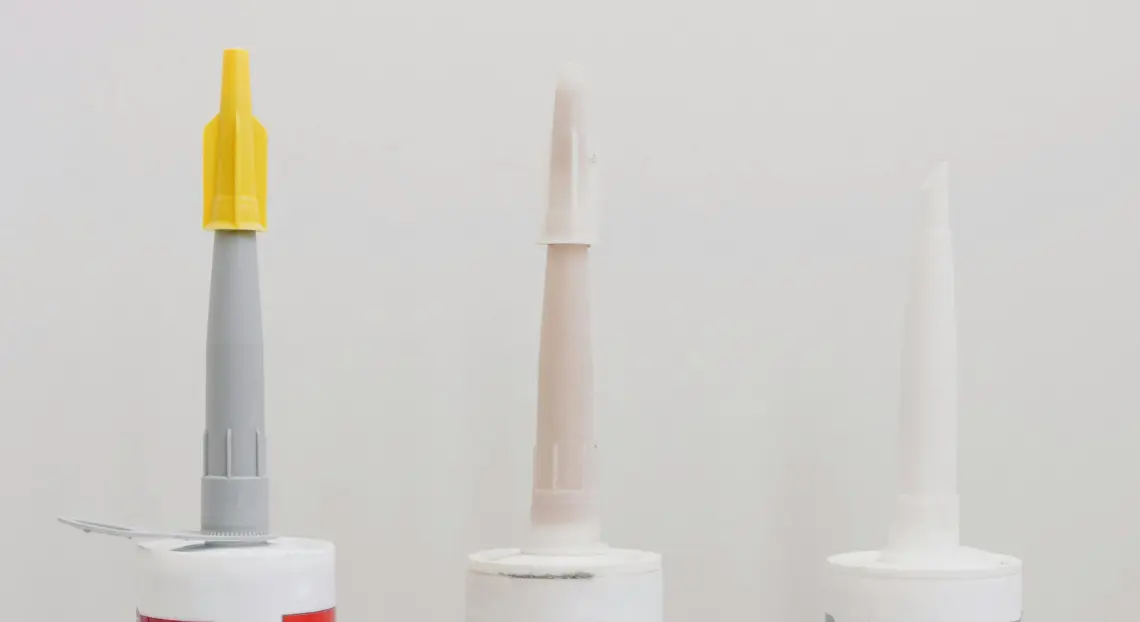
What is Sealant?
A sealant is a material used to close gaps, joints, or cracks between two surfaces. It helps prevent the passage of water, air, dust, or other substances through these openings.
In simple terms, sealant is used to “seal” spaces where two materials meet so that nothing can leak or enter.
Sealants work by being applied in a soft or liquid form and then hardening or staying flexible after application. Once applied, they form a protective barrier that sticks to the surface and fills even small gaps.
This barrier blocks leakage and protects the surface from damage caused by moisture, air, chemicals, or dirt. Depending on the type of sealant used, the finish can remain flexible or become firm after curing.
How Sealants Work?
Filling Gaps and Joints for a Tight Seal
Sealants are designed to fill small gaps, cracks, and joints between two surfaces. When applied, the material spreads into the empty space and sticks to both sides of the surface. This creates a continuous layer that blocks open areas where air, water, dust, or other substances can pass through. The sealant settles into uneven spaces and forms a smooth and tight connection that closes all tiny openings.
Creating a Flexible or Rigid Protective Barrier
After application, most sealants go through a curing process where they change from a soft paste or liquid into a solid or semi-solid layer. Depending on the type, the sealant may stay flexible or become more rigid. Flexible sealants are useful in areas where materials expand or contract due to temperature changes. This flexibility allows the seal to move without breaking or losing grip. Rigid sealants are used where movement is very limited and a strong fixed barrier is needed. In both cases, the sealant maintains strong adhesion with the surface to ensure long-term sealing performance.
Protection Against Water, Air, Dust, and Chemicals
Once fully cured, sealants act as a protective shield. They stop water from leaking through joints, prevent air drafts, and block dust and dirt from entering sealed areas. In many industrial and construction applications, sealants also resist exposure to mild chemicals, moisture, and weather changes. This barrier helps protect materials from damage, corrosion, and weakening over time. By sealing weak points in structures, sealants improve durability and extend the life of surfaces and installations.
Common Types of Sealants
Silicone Sealants for Waterproof and Flexible Sealing
Silicone sealants are widely used because they stay flexible after curing and provide strong resistance to water, heat, and weather changes. They are made from silicone-based polymers that form a rubber-like layer after application. This type of sealant is commonly used in bathrooms, kitchens, windows, glass fittings, and outdoor joints. It works well in areas where moisture is high because it does not break down easily when exposed to water or sunlight. Silicone sealants also handle movement between surfaces without cracking, which makes them suitable for places where expansion and contraction happen frequently.
Acrylic Sealants for Interior Gaps and Easy Finishing
Acrylic sealants are water-based sealants used mainly for indoor applications. They are easy to apply and can be painted after drying, which makes them suitable for wall cracks, door frames, and small gaps in plaster or wood. After application, they dry by evaporation of water and form a firm seal. Acrylic sealants are useful in areas where there is low movement and less exposure to moisture. They provide good adhesion on surfaces like concrete, drywall, wood, and masonry, making them a common choice for home repair and finishing work.
Polyurethane Sealants for Strong and Durable Bonding
Polyurethane sealants are known for their strong bonding strength and durability. They stick well to materials like concrete, metal, and masonry. After curing, they form a tough but flexible seal that can handle heavy stress and movement. This makes them suitable for construction joints, flooring, expansion joints, and exterior repair work. They are often used in areas where high strength and long service life are required. Polyurethane sealants also resist abrasion and perform well in demanding outdoor conditions.
Butyl Rubber Sealants for Air and Moisture Resistance
Butyl rubber sealants are made from synthetic rubber and are mainly used for sealing air and moisture. They have a sticky and flexible nature that allows them to fill gaps in metal, glass, and roofing systems. These sealants are effective in preventing air leakage and water seepage, making them useful in HVAC systems, roofing sheets, and metal joints. However, they are less durable under strong mechanical stress and are generally used in non-structural sealing applications where long-term flexibility is more important than high strength.
Key Properties of Good Sealants
Flexibility for Movement and Surface Changes
A good sealant must be flexible so it can adjust when surfaces move. In buildings and structures, materials expand and contract due to temperature changes or pressure. If the sealant is not flexible, it can crack or break. Flexible sealants maintain a strong bond even when there is slight movement between joints, helping the seal last longer without damage.
Strong Adhesion for Long-Lasting Bond
Adhesion strength means how well a sealant sticks to a surface. A quality sealant should bond firmly with different materials like glass, metal, wood, concrete, or plastic. Strong adhesion ensures that the seal does not come off easily over time. This property is important because a weak bond can lead to leaks and failure of the seal.
Water Resistance for Leak Protection
Water resistance is one of the most important properties of sealants. A good sealant should stop water from passing through gaps and joints. This is especially important in bathrooms, kitchens, roofs, and outdoor areas. Water-resistant sealants protect surfaces from moisture damage, mold growth, and weakening of materials over time.
Durability for Long Service Life
Durability means how long a sealant can perform without losing its strength. A durable sealant remains effective for years without cracking, shrinking, or breaking down. It reduces the need for frequent repairs and helps maintain the condition of the sealed area for a longer period.
Temperature Resistance for Stable Performance
Sealants are often exposed to heat and cold in different environments. A good sealant must handle temperature changes without losing its shape or performance. Temperature-resistant sealants work well in both hot summers and cold winters, making them suitable for indoor and outdoor use in different climates.
Major Applications of Sealants
Sealants in Construction and Building Work for Strong Joints
Sealants are widely used in construction to fill gaps and joints in buildings. They help seal windows, doors, expansion joints, and concrete cracks. This prevents air and water leakage and improves insulation. In modern buildings, sealants also support energy efficiency by reducing heat loss through gaps.
Sealants in Plumbing and Bathroom Use for Leak Protection
In plumbing systems and bathrooms, sealants are used to stop water leaks around sinks, bathtubs, showers, and pipes. They create a waterproof barrier that protects walls and floors from moisture damage. Silicone-based sealants are commonly used in these wet areas because they resist water and mold growth.
Sealants in Automotive Industry for Vehicle Protection
Sealants are used in vehicles to seal windshields, body panels, and engine parts. They help prevent water, dust, and air from entering the vehicle body. In engines, sealants are also used to prevent oil and coolant leaks, ensuring smooth performance and better protection of mechanical parts.
Sealants in Electrical and Industrial Use for Safety and Insulation
In electrical and industrial applications, sealants protect wiring systems, control panels, and machinery parts. They help insulate electrical components from moisture and dust, reducing the risk of short circuits. In factories, sealants are also used to protect equipment from chemical exposure and harsh working conditions.
Sealants in Household Repairs for Everyday Fixes
Sealants are commonly used in homes for small repair jobs. They help fix wall cracks, seal gaps in furniture, and repair minor leaks. Homeowners use sealants for quick and easy fixes without needing heavy tools or professional help. This makes sealants a simple and cost-effective solution for daily maintenance tasks.
Advantages of Using Sealants
Leak Prevention and Surface Protection
Sealants help close gaps and joints so that water, air, dust, and other elements cannot pass through. This prevents leaks and protects surfaces from damage. It also reduces issues like moisture buildup, corrosion, and material weakening in homes, buildings, and machines.
Improved Strength and Longer Life of Structures
Sealants protect weak points in structures from weather, movement, and daily wear. By sealing joints and cracks, they help improve the durability of buildings, vehicles, and equipment. This leads to a longer service life and fewer repair needs over time.
Easy Application and Simple Use
Sealants are easy to apply using basic tools like a sealant gun. They do not need complex installation or heavy equipment. This makes them useful for both professionals and simple home repair work. Small gaps and cracks can be sealed quickly and efficiently.
Cost-Effective and Long-Lasting Solution
Sealants are a budget-friendly option compared to major repairs or replacements. They provide long-term protection when applied correctly. A good quality sealant can last for years, which helps reduce maintenance costs.
Limitations of Sealants
Not Suitable for Large Structural Gaps
Sealants are designed for small gaps, joints, and cracks. They are not suitable for filling large structural openings or major construction gaps. In such cases, stronger building materials are required.
Reduced Performance Over Time in Harsh Conditions
Some sealants may lose effectiveness when exposed to strong sunlight, extreme temperatures, or harsh chemicals for a long time. This can cause cracking, shrinking, or weakening, which may require reapplication.
Limited Load-Bearing Strength
Sealants do not have strong load-bearing capacity. They cannot support heavy weight or structural pressure. Because of this, they should not be used as a replacement for mechanical fasteners or structural bonding materials.
How to Choose the Right Sealant?
Choosing Sealant Based on Surface Material Compatibility
The first step in selecting a sealant is checking the surface where it will be applied. Different materials like glass, metal, wood, concrete, and plastic react differently with sealants. A proper sealant must bond well with the specific surface to ensure strong adhesion. For example, porous surfaces like wood or concrete need a sealant that can penetrate slightly and grip well, while smooth surfaces like glass or metal need a sealant that can stick firmly without slipping or peeling over time. Poor material matching often leads to weak sealing and early failure.
Selecting Sealant Based on Environmental Conditions
The environment plays a major role in sealant performance. Areas exposed to water, heat, cold, sunlight, or chemicals need special attention. For wet areas like bathrooms and kitchens, water-resistant sealants are important. For outdoor use, UV and weather-resistant sealants work better because they can handle rain, sunlight, and temperature changes. If the area has high heat or chemical exposure, a sealant with strong resistance properties is required to maintain stability and avoid breakdown.
Choosing Sealant Based on Flexibility and Movement Needs
Some joints move due to expansion, vibration, or pressure changes. In such cases, flexible sealants are required. These sealants stretch and compress without breaking or cracking. For static joints where there is little or no movement, a more rigid sealant can be used. Choosing the correct flexibility level helps prevent gaps from reopening and improves long-term sealing performance.
Selecting Sealant Based on Application Type and Purpose
Sealants should always match the job type. Construction joints, bathroom sealing, automotive repairs, and electrical insulation all require different sealant properties. Structural work may need strong and durable sealants, while indoor finishing work may need paintable and easy-to-use options. Matching the sealant with its intended use ensures better performance, longer life, and safer results in the application area.
Proper Application Method of Sealants
Surface Preparation for Strong and Clean Bonding
Proper surface preparation is the first and most important step before applying sealant. The surface should be clean, dry, and free from dust, oil, grease, or old material. Any loose particles or damaged sealant should be removed completely. If the surface is not clean, the sealant will not stick properly and may fail early. In some cases, wiping the area with a clean cloth or mild cleaner helps improve adhesion.
Applying Sealant Evenly for a Proper Seal
Sealant should be applied in a steady and continuous line to fill the gap completely. A caulking gun is commonly used to control the flow and ensure even application. The sealant must cover the joint without leaving empty spaces. After applying, it is important to smooth the surface so the material spreads properly and sticks well to both sides of the gap. This helps create a tight and clean seal.
Curing Time for Full Strength and Performance
After application, sealants need time to cure and become fully effective. Curing means the sealant changes from a soft material to a strong, flexible, or rigid seal depending on its type. The curing time can vary from a few hours to several days. During this period, the sealed area should not be disturbed or exposed to water or pressure. Proper curing ensures long-lasting performance and strong bonding.
Common Mistakes to Avoid During Application
Many sealant failures happen due to simple mistakes. Applying sealant on a wet or dirty surface reduces its bonding strength. Using too much or too little material can also create weak sealing. Another common mistake is not allowing enough curing time before using the surface. Rushing the process often leads to cracks, leaks, or early breakdown of the seal. Careful application and patience are important for good results.
Safety Tips While Using Sealants
Proper Ventilation for Safe Working Conditions
When using sealants, good ventilation is important, especially for indoor work. Many sealants release fumes during application and curing. These fumes can cause discomfort like dizziness or irritation if inhaled in a closed space. Working in an open area or keeping windows and doors open helps reduce exposure to fumes and keeps the air fresh. In poorly ventilated spaces, using a fan can also help improve airflow and safety.
Skin Protection to Avoid Direct Contact
Sealants can stick strongly to skin and may cause irritation in some cases. It is important to avoid direct contact with the material while applying it. Wearing gloves helps protect hands from chemicals and makes cleaning easier after work. If sealant accidentally gets on the skin, it should be cleaned quickly using a suitable cleaner or soap before it hardens. Eye protection is also useful when working overhead or in tight spaces to avoid accidental splashes.
Proper Storage Guidelines for Safe Use
Sealants should always be stored in a cool, dry place away from direct sunlight and heat sources. High temperatures can affect the quality of the product and reduce its shelf life. The container should be tightly closed after use to prevent drying or hardening inside the tube. Keeping sealants away from children and pets is also important for safety. Proper storage ensures the material stays usable for a longer time and performs well when needed.
General Safe Handling Practices During Use
Sealants should be handled carefully to avoid spills and mess. Using the right tools, such as a caulking gun, helps control application and reduces waste. It is also important to read basic instructions on the product before use. Following safety steps ensures better results and reduces the risk of health or material damage during sealing work.
Conclusion
Sealants play an important role in sealing gaps, joints, and cracks in many areas like homes, buildings, vehicles, and industrial systems. They help stop water, air, dust, and other elements from entering unwanted spaces, which improves protection and performance of surfaces.
Different types of sealants are used for different needs, such as silicone for wet areas, acrylic for indoor repairs, and polyurethane for strong bonding work. Choosing the right sealant depends on the surface, environment, and type of application.
When applied correctly, sealants improve durability, reduce repair needs, and provide long-lasting protection. At the same time, proper application methods and safety practices are important to get the best results and avoid early failure.
Overall, sealants are a simple but essential solution for sealing and protecting structures in daily life and professional work.
Frequently Asked Questions (FAQs) About Sealants
What is a sealant used for?
A sealant is used to fill gaps and joints to stop water, air, dust, or other substances from passing through.
Where are sealants commonly used?
Sealants are used in construction, bathrooms, kitchens, plumbing, vehicles, and household repairs.
What is the main purpose of sealants?
The main purpose is to create a tight barrier that prevents leaks and protects surfaces.
Which sealant is best for bathrooms?
Silicone sealant is commonly used in bathrooms because it resists water and moisture.
How long does sealant take to dry?
Drying time depends on the type, but most sealants take a few hours to a few days to fully cure.
Can sealant be painted?
Acrylic sealants can be painted after they dry, but silicone sealants usually cannot be painted.
Do sealants last long?
Yes, good quality sealants can last for several years if applied and maintained properly.
Can sealant stop leaks completely?
Sealants can stop small leaks and gaps, but they are not suitable for major structural damage.
Is sealant waterproof?
Many sealants are waterproof, especially silicone and polyurethane types.
Can old sealant be removed?
Yes, old sealant can be removed using a blade or sealant remover before applying a new layer.