
What Is Marine Silicone?
Marine silicone is a special type of waterproof sealant made for use on boats and other water-exposed structures. It is a form of silicone rubber that cures into a flexible, watertight material when applied correctly. It works as a marine caulk, marine silicone sealer, and marine sealant silicone to protect joints and gaps from water, air, and moisture. Once cured, it forms a strong, flexible seal that keeps water out and helps prevent leaks on boats and marine equipment.
Marine silicone is important for boats and marine environments because boats are constantly exposed to harsh conditions like saltwater spray, sunlight, movement, vibration, and changing temperatures. Ordinary sealants often break down, crack, or lose adhesion when exposed to these elements. Marine silicone, on the other hand, remains flexible, waterproof, and resistant to mildew, salt, and UV damage. This makes it ideal for sealing around windows, hatches, joints, and fittings on boats.
The main difference between normal silicone and marine grade silicone lies in how they are formulated. Standard silicone sealants are designed for general household or construction use and are not built to withstand the harsh and constantly wet environment found on boats. Marine grade silicone has been engineered with additives and enhanced polymer structures that allow it to resist salty water, sunlight, and constant motion without degrading quickly. These features help marine silicone stay strong and functional for longer periods in extreme environments.
In simple terms, marine silicone is a tough, long-lasting sealant made for life on and around water. It seals gaps, keeps water out, and helps protect your boat from leaks and damage that ordinary sealants can’t handle.
How Marine silicone Works?
Marine silicone is a waterproof marine silicone sealer made to seal gaps, joints, and fittings on boats and marine structures. It cures into a flexible, rubber-like seal that blocks water, air, and moisture. Once dry, it creates a strong barrier that helps prevent leaks and water damage. Marine silicone is commonly used as marine caulk and marine sealant silicone in areas that face regular water exposure.
Why Marine Silicone Is Suitable for Marine Use?
Marine silicone is designed to perform in harsh marine conditions. Boats face saltwater, sunlight, heat, movement, and vibration every day. Marine silicone can handle all of these without cracking or losing grip. It sticks well to fiberglass, glass, metal, wood, and many plastics. It also stays flexible for a long time, which helps the seal stay intact even when surfaces move.
How Marine Silicone Works as Caulk and Sealant?
As a marine caulk, marine silicone fills cracks, seams, and small gaps to stop water from entering. As a sealant, it forms a watertight layer that protects surfaces from moisture, salt spray, and air. Its flexibility allows it to expand and contract without breaking, which is important for boats that constantly shift and vibrate on water.
Above and Below Waterline Uses
Marine silicone is widely used above the waterline for sealing windows, hatches, deck fittings, vents, and hardware. Some types are also suitable for areas that face heavy splashing and wet conditions. Certain products are made for underwater use, but not all marine silicones are designed for constant submersion. Always check product details before using it below the waterline.
In simple terms, marine silicone is a reliable sealing solution that protects boats from leaks and moisture damage in demanding marine environments.
What Marine Grade Silicone Is Made Of?
Silicone Polymers as the Core Material
Marine grade silicone is mainly made from silicone polymers. These polymers are formed using silicon and oxygen, which create a strong yet flexible structure. This structure allows the silicone to stretch and move without cracking after it dries. Because boats and marine surfaces are always in motion, this flexibility is very important. Once applied, the polymers cure and form a rubber-like seal that blocks water and air.
Special Additives for Marine Conditions
To make silicone suitable for marine use, manufacturers add special additives. These additives help the sealant handle tough conditions found on boats and near water. Marine grade silicone is built to resist saltwater, which can damage ordinary sealants over time. It is also made to handle strong sunlight, so it does not break down quickly due to UV exposure. Many marine silicones also include ingredients that slow down mould and mildew growth, which is common in wet and humid areas.
Curing Agents That Form a Strong Seal
Marine grade silicone contains curing agents that help it harden properly after application. When the silicone is exposed to air moisture, these agents start the curing process. During curing, the material changes from a soft paste into a solid, flexible seal. This process ensures the silicone sticks well to surfaces and stays in place even when exposed to water and temperature changes.
Fillers That Improve Performance
Some marine grade silicones include fillers that improve strength and durability. These fillers help the silicone bond better to surfaces like fiberglass, metal, wood, and glass. They also improve elasticity and help the seal stay intact when surfaces expand or contract due to heat or movement.
Because of this combination of silicone polymers, additives, curing agents, and fillers, marine grade silicone becomes a long-lasting and reliable sealant. It is made to survive harsh marine environments where normal silicone often fails.
Key Properties of Marine Grade Silicone
Waterproof and Weather Resistant
Marine grade silicone creates a strong waterproof seal once it cures. Boats are always exposed to water, rain, waves, and splashing. A sealant that allows even small amounts of water to pass can cause leaks, corrosion, and internal damage. Marine silicone blocks water and stands up well to changing weather conditions, helping keep boat structures dry and protected.
UV Resistance
Boats often stay under direct sunlight for long hours. Sunlight contains UV rays that slowly weaken many materials. Ordinary sealants can crack, harden, or lose grip when exposed to UV light. Marine silicone is made to resist UV damage, which helps it stay flexible and strong even after long-term sun exposure.
Saltwater Resistance
Saltwater is harsh and can quickly damage standard sealants. Marine grade silicone is designed to handle constant contact with saltwater and salt spray. It does not break down easily and keeps its sealing strength over time. This makes it suitable for boats, marine fittings, and coastal environments where salt exposure is unavoidable.
Flexibility and Elasticity
Boats move and vibrate due to waves, engine motion, and temperature changes. Marine silicone remains flexible even after curing. This elasticity allows it to stretch and return to shape without cracking. Because of this, the seal stays intact even when surfaces shift or expand.
Why These Properties Matter in Marine Conditions
Marine conditions are tough and unpredictable. Water pressure, sunlight, salt, and constant movement put stress on every sealed joint. If a sealant cannot handle these conditions, leaks and damage can occur quickly. The combined properties of waterproofing, UV resistance, saltwater resistance, and flexibility allow marine silicone to perform reliably where normal sealants fail. These features help protect boats, reduce maintenance, and extend the life of marine surfaces.
Types of Marine Silicone You Should Know About
Marine silicone comes in different forms to meet a range of sealing needs on boats and other water-exposed surfaces. The two most common types you will encounter are clear marine silicone and underwater marine silicone. Each type has special uses, benefits, and best-fit applications. Understanding these differences helps you choose the right product for your project.
1) Clear Marine Silicone: What It Is and Where It’s Used
What Is Marine Silicone Clear?
Clear marine silicone is a transparent form of marine grade sealant. It functions like regular marine silicone but does not have a colored finish. Once it cures, it becomes clear and nearly invisible. This is useful when you want a strong seal without affecting the look of the surface.
Where Clear Marine Silicone Is Commonly Used?
Clear marine silicone is popular in areas where aesthetics matter. Many boat owners use it around windows, cabin doors, and clear hatches because it blends well with glass and clear surfaces. It is also used on areas of the boat where paint or surface color should not be covered or obscured. Clear silicone is ideal for sealing joints where you want a clean, neat finish without visible sealant lines.
This type of silicone is also used for sealing clear plastics, lights, and acrylic surfaces. It works well on both indoor and outdoor parts of the boat as long as constant submersion is not expected (unless the product is specified for underwater use).
Visual and Functional Benefits
The main visual benefit of clear marine silicone is that it does not change the appearance of the sealed surface. This is especially helpful on boats with polished surfaces or scenic glass fittings. Functionally, clear marine silicone provides the same waterproofing, flexibility, and weather resistance as other marine grade silicones. It prevents water intrusion and protects against weather damage while staying visually discreet.
2) Underwater Marine Silicone: Sealing Below the Waterline
What Is Underwater Silicone?
Underwater silicone is a special type of marine silicone formulated to cure and hold its seal even when submerged in water. Not all marine silicones can cure underwater, so products labeled as underwater marine silicone are designed with ingredients that allow them to form a strong watertight bond in wet conditions.
Can Marine Silicone Cure Underwater?
Standard marine silicone sealants work well in wet conditions and heavy spray, but they generally require a dry surface to cure properly. Underwater marine silicone, however, is different. It contains special additives that let it cure while submerged. This means you can apply it directly to a wet surface or below the waterline and expect it to form a secure, flexible seal.
This ability to cure underwater is especially useful for repairs made while a boat is still in the water. For routine maintenance or installations above the waterline, you do not necessarily need underwater silicone, but it is essential when the surface stays wet or submerged.
When to Use Underwater Marine Silicone?
Underwater marine silicone should be used in situations where water cannot be fully removed before sealing. Common examples include repairing through-hull fittings, underwater lights, drain plugs, or fittings that sit below the boat’s waterline. It is also useful for fixing leaks in wet bilges or constantly damp spaces.
Using underwater silicone in the wrong scenario is not harmful, but it may be more than what is needed for above-waterline applications. For most above-waterline jobs like sealing windows, vents, or hardware, standard or clear marine silicone is sufficient.
Both clear marine silicone and underwater marine silicone serve important roles in marine sealing work. Clear silicone is ideal when you need an invisible finish, while underwater silicone is essential where moisture is always present. Choosing the right type ensures a strong, long-lasting seal that protects your boat in every condition.
Common Uses of Marine Silicone on Boats
Marine silicone is one of the most useful and widely used sealants in boating. Its waterproof and flexible nature makes it perfect for many sealing tasks on boats, yachts, and marine equipment. Below are the most common ways marine silicone is used and why it works well in each situation.
Sealing Boat Windows and Hatches
One of the top uses of marine silicone is sealing boat windows and hatches. These areas are constantly exposed to water, rain, and spray. If they are not sealed correctly, water can leak into the cabin or interior spaces. Marine silicone forms a strong waterproof seal around the edges of windows and hatches. It sticks well to glass, metal, and fiberglass, creating a tight barrier that prevents water from entering. Many boat owners choose clear marine silicone for this purpose because it blends in with glass and does not affect the boat’s appearance.
Sealing Deck Fittings and Hardware
Deck fittings include cleats, stanchions, rails, and other hardware mounted on the deck. These parts are often fastened with screws or bolts. Without proper sealing, water can seep through the bolt holes and cause wood rot or corrosion beneath the deck. Marine silicone works well as a marine caulk around these fittings. It fills the gaps, seals the bolt holes, and protects the structure beneath. Because marine grade silicone stays flexible, it continues to seal even when the boat flexes or moves in rough water.
Plumbing and Electrical Sealing
Marine silicone is also used to seal plumbing and electrical penetrations on boats. Pipes, hoses, and wires often pass through bulkheads and walls. These openings need to stay watertight to prevent leaks and protect electrical systems from water damage. Marine silicone seals around these penetrations and stops water from getting inside. In wet spaces like bilges and pump rooms, this sealing helps protect equipment and keeps the interior dry and safe.
Using Marine Silicone for Repairs
Boat owners also use marine silicone as a general repair sealant. Small cracks, splits, or gaps in fiberglass, rubber, or other materials can be sealed with silicone. Because marine silicone remains flexible, it can be used to repair surfaces that move or vibrate. It also resists mildew and sunlight, so repairs stay strong and do not break down quickly. For small and fast fixes, marine silicone is often the go-to option.
Above and Below Waterline Applications
Marine silicone is suitable for sealing both above and below the waterline, depending on the product used. Above the waterline, it can be used on windows, deck fittings, hardware, vents, and other dry or splash-prone areas. Some marine silicones are formulated to cure in wet conditions and underwater, making them ideal for use on through-hull fittings, drain plugs, and underwater lights. These underwater products form a watertight bond even when submerged and are essential for sealing fittings that cannot be dried before application.
Marine silicone’s ability to bond with many materials, remain flexible, and resist water and weather makes it a top choice for many sealing and repair jobs on boats. Whether you are sealing windows, protecting deck fittings, or making repairs above or below the waterline, marine silicone offers a reliable solution that lasts.
Marine Silicone vs Other Marine Sealants
Marine sealing products come in different formulas. The three most common sealants used in boating are marine silicone, polyurethane sealants, and acrylic sealants. Each has strengths and weaknesses. Understanding the differences helps you choose the right sealant for each job.
1) Marine Silicone vs Polyurethane Sealants
Marine silicone and polyurethane sealants are both used for sealing joints and fittings, but they behave differently. Marine silicone is highly flexible, waterproof, and resistant to UV rays and saltwater. It stays soft and elastic after curing, which makes it good for areas with movement, vibration, or changing temperatures. It also bonds well to glass, metal, and fiberglass.
Polyurethane sealants are stronger in adhesion and provide better structural bonding compared to silicone. They stick well to wood and painted surfaces and are often used where a very strong mechanical bond is needed. However, polyurethane sealants are less flexible than marine silicone. Over time, they can become hard and brittle, especially in constant motion areas. They also absorb moisture while curing, which may slightly expand the sealant as it dries.
Marine silicone often performs better than polyurethane in constant wet environments because it does not break down from water exposure. Yet, for bonding surfaces where load strength is important, polyurethane sealants may be a better choice.
2) Marine Silicone vs Acrylic Sealants
Acrylic sealants are another group used in marine and general applications. They are paintable, easy to apply, and usually cheaper than silicone and polyurethane. However, acrylic sealants are not very flexible once cured. They are best for dry, interior areas where there is no constant movement or water exposure. Acrylics can crack or shrink over time when exposed to water, salt, or sunlight.
Marine silicone, on the other hand, is far more weather resistant and stays flexible. This makes it a stronger choice for outdoor marine use. Acrylic sealants may work for cosmetic sealing tasks above the waterline, but they are not reliable for watertight joints or areas exposed to moisture.
3) When Marine Silicone Is the Best Choice
Marine silicone is the best choice when you need:
-
- Long-lasting waterproof protection
- High resistance to saltwater and UV rays
- Flexibility for moving joints and vibrating parts
- A sealant that bonds well to glass, metal, and fiberglass
- A seal that stays elastic over years of use
Jobs that fit these conditions include sealing windows, hatches, deck fittings, and areas exposed to weather and water.
4) When Marine Silicone Is Not Recommended
Even though marine silicone is excellent for many marine tasks, it is not ideal for every job. You should avoid marine silicone when:
-
- You need a sealant that is paintable (marine silicone resists paint)
- You need very strong structural bonding between parts
- The surface is heavily painted or requires bonding wood to wood
- You want a sealant that can be sanded smooth after curing
In these cases, polyurethane or specialized marine adhesives may be better choices.
In simple terms, marine silicone is a top sealing option for protecting your boat in wet and changing conditions. But for structural bonding or paint-ready finishing jobs, other sealants like polyurethane or acrylic may be more suitable. Choosing the right sealant for each task ensures long-lasting and effective protection.
Advantages of Marine Silicone
Marine silicone is one of the most widely used sealants in boating and marine work because it offers several strong advantages over other materials. Its unique properties make it dependable, durable, and easy to use in many situations. Below we explain the key benefits of marine silicone so you can understand why it is a top choice for sealing and protection.
100% Waterproof Sealing
One of the main advantages of marine silicone is that it provides 100% waterproof sealing when applied correctly. Once the silicone cures, it forms a strong barrier that stops water, moisture, and spray from entering sealed joints and gaps. This is essential on boats, where leaks can cause serious damage to the interior, equipment, and structure.
Marine silicone sticks well to materials like fiberglass, metal, wood, and glass. Because it stays flexible, it maintains the watertight seal even when the boat moves or vibrates. This makes marine silicone far more reliable than many other sealants that can shrink or crack over time.
Long-Lasting Performance
Marine silicone is designed to last. It resists breakdown from water, salt, sunlight, and changing temperatures. This long-lasting performance means you do not need to reseal areas frequently, saving time and effort in boat maintenance.
While some sealants can age, harden, or pull away from the surface, marine silicone stays flexible and tight for years.
This durability is especially important in marine environments where constant exposure to water and weather can destroy lower-grade sealants quickly. Marine silicone’s resilience helps protect your boat over the long term.
Strong Adhesion on Marine Surfaces
Marine silicone offers strong adhesion to a wide range of marine surfaces. It bonds well to fiberglass, stainless steel, aluminum, glass, and many plastics. This strong grip helps ensure a secure connection between parts and prevents unwanted water entry. Good adhesion is critical when sealing windows, hatches, deck fittings, and hardware.
Even on rough or slightly uneven surfaces, marine silicone can fill gaps and hold firmly. This makes it reliable for sealing irregular joints and tricky spots where precision fit may be difficult.
Easy Application and Removal
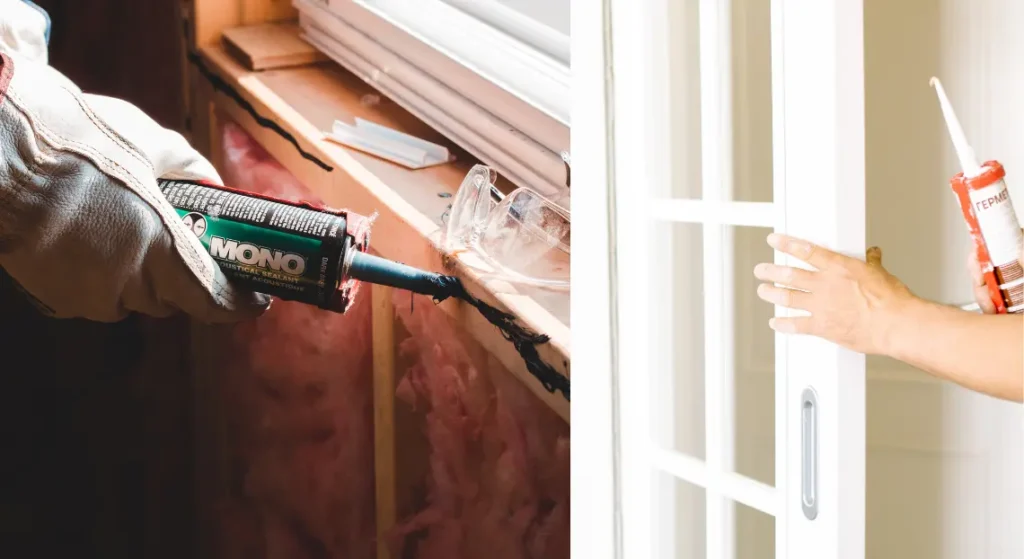
Another benefit of marine silicone is that it is easy to apply and remove. It comes in tubes that can be used with a standard caulk gun. Application does not require special tools or complicated preparation. Simply clean the surface, apply the silicone, smooth it with a tool or finger, and let it cure.
When marine silicone needs to be replaced, it can be peeled or cut away without excessive effort. This ease of removal makes maintenance simpler and saves time.
Works in Extreme Weather Conditions
Marine environments often face extreme weather conditions, such as intense sunlight, heavy rain, strong winds, and cold temperatures. Marine silicone is designed to withstand these conditions without losing performance. It resists UV rays from the sun, which can weaken other sealants, and does not become brittle in cold weather.
Because of this weather resistance, marine silicone continues to seal effectively in both hot and cold climates. This makes it a reliable option for boats that travel to different regions or remain docked in harsh weather.
Overall, the advantages of marine silicone — from waterproof sealing and strong adhesion to easy application and durability — make it a trusted choice for many marine sealing needs. It helps protect boats, keeps interiors dry, and reduces the need for frequent maintenance.
Limitations of Marine Silicone – What You Should Know?
Marine silicone is a very useful sealant for many boat and marine applications. However, it is not perfect for every job. There are some important limitations that you should understand before choosing it for a specific task. Knowing these limits helps you pick the right product and avoid common problems.
Paint Adhesion Issues
One of the main limitations of marine silicone is that paint does not stick well to it. After marine silicone cures and becomes rubbery, most paints will not bond to the surface. This can be a problem if you need a smooth, painted finish. For example, if you seal a seam and then want to paint over it, the paint may peel or flake off because it cannot grip the silicone.
This makes marine silicone less suitable for areas where the sealant line must blend in with the surrounding surface color. In these cases, a paintable sealant like an acrylic or polyurethane product may be a better choice.
Not Ideal for Structural Bonding
Marine silicone is excellent for sealing joints and stopping water leaks, but it is not designed for structural bonding. Structural bonding means holding two parts together under load, weight, or stress. Marine silicone does not develop the strength needed to replace mechanical fasteners or act as a glue for heavy or load-bearing parts.
For example, if you need to bond deck hardware or large fittings that carry significant force, a structural adhesive or marine epoxy would be more appropriate. These products are designed to take on load and provide a strong, long-lasting bond.
Cure Time Considerations
Another limitation of marine silicone is its cure time. After application, silicone must dry or “cure” before it reaches its full strength. The curing process depends on humidity and temperature and can take anywhere from a few hours to a full day or more. During this time, the silicone remains soft and must be protected from water, dirt, or movement.
In situations where a quick seal is needed or the area cannot stay dry long enough for curing, marine silicone may not be the best choice. Some alternative sealants cure faster, allowing work to continue sooner.
Where Other Sealants May Be Better?
There are jobs where other sealants perform better than marine silicone. For example, polyurethane sealants tend to have stronger adhesion to a wider range of materials, including painted surfaces. Polyurethane also bonds well to wood and metal and can be painted after curing.
Acrylic sealants are another option when paintability is important. They allow a surface to be sealed and then painted for a smooth, finished look. However, acrylics are not as flexible or water resistant as silicone, so they are best used in dry or interior areas.
For structural bonding, marine epoxy or specialized marine adhesives are more suitable because they offer greater strength and rigidity than silicone.
How to Choose the Right Marine Silicone?
Selecting the right marine silicone can make a big difference in how well your sealing job performs. Marine silicones come in different types and qualities, and not every product works for every situation. Below are the key things to consider when choosing marine silicone for your boat or marine project. This guide will help you choose the right type so that your seal is strong, long-lasting, and suited to your needs.
Clear vs Colored Marine Silicone
One important factor to think about is whether you need clear or colored marine silicone. Clear marine silicone is transparent and blends in with most surfaces, especially glass, clear plastics, and polished areas. It is often used around windows, hatches, and transparent fittings where appearance matters. Because it does not block light or change the look of the surface, clear marine silicone is ideal when you want a neat, low-visibility seal.
Colored marine silicone comes in shades like white, black, gray, and others. These are useful when matching the sealant to the color of the boat’s surface. For example, white silicone can match white fiberglass hulls, and black silicone can blend with dark fittings or hardware. Colored sealants also make it easier to see where the seal has been applied. Choose the color based on the surface and the final look you want.
Above or Underwater Use
Another key factor is whether the area you are sealing is above the waterline or below it. Many marine silicones are designed for above-waterline use, where surfaces stay dry or only get occasional splashes. These products work well for sealing windows, deck fittings, vents, and hardware.
If you need to seal areas that stay wet or are below the waterline, then you should choose a silicone formulated for underwater use. Underwater marine silicone can cure in wet conditions and form a strong seal even when submerged. This type is necessary for sealing through-hull fittings, underwater lights, drain plugs, and other parts that cannot be dried before application. Always check the product label to ensure it is suitable for underwater sealing if that is your requirement.
Temperature Resistance
Temperature resistance is another important consideration. Boats may be exposed to very high temperatures in direct sunlight or cold conditions during storage and travel. Not all marine silicones perform equally in extreme temperatures.
Look for a silicone that has a wide temperature range and maintains flexibility in both heat and cold. Good temperature resistance helps prevent cracking, shrinking, or loss of adhesion when the conditions change. This is especially important in climates with hot summers and cold winters or for boats traveling between different regions.
Tips for Choosing Marine Grade Silicone for Boats
Here are a few practical tips to help you choose the best marine silicone:
1) Read the label: Make sure the product is rated for marine use and, if needed, underwater applications.
2) Check the curing time: Faster curing silicones can save time, but ensure they still offer strong performance.
3) Match the surface: Some silicones stick better to certain materials like fiberglass, glass, metal, or plastic. Check compatibility.
4) Choose the right color: Clear for invisible seals, colored for matching surfaces or better visibility.
5) Consider long-term exposure: Look for UV and saltwater resistance to ensure the sealant lasts longer in harsh conditions.
Choosing the right marine silicone means balancing appearance, performance, and the specific demands of your boat’s environment. Taking these factors into account will help ensure a strong, reliable, and lasting seal every time.
Maintenance and Lifespan of Marine Silicone
Marine silicone is a strong and durable sealant, but it does not last forever. With proper care and regular checks, you can extend its life and prevent leaks or damage on your boat. In this section, we explain how long marine silicone typically lasts, how to spot signs of wear, when to reapply or replace it, and helpful tips to make seals last longer.
How Long Marine Silicone Lasts?
The lifespan of marine silicone depends on several factors including the quality of the product, where it is used, how often the boat is exposed to water, and weather conditions. On average, good quality marine silicone can last 5 to 10 years or more. In areas constantly exposed to sunlight, saltwater, and movement, the sealant may wear faster. Conversely, silicone used in shaded or low-stress areas may last longer.
Keep in mind that these are general estimates. Frequent inspection and proper maintenance help ensure you replace silicone before it fails.
Signs of Wear and Failure
Over time, marine silicone may start to weaken. Being aware of common signs of wear helps you act before leaks develop. Watch for the following:
1) Cracks or gaps: Small cracks or separation from the surface means the seal is no longer watertight.
2) Shrinkage: If the silicone pulls back from the edge, it leaves space for water to enter.
3) Discoloration: Fading or yellowing does not always mean loss of sealing ability, but it can signal aging.
4) Softening or sticky feel: Silicone should stay flexible, not mushy or gooey.
5) Bubbling or lifting: If the surface bubbles or peels away, it has lost adhesion.
If you notice any of these signs, it is a strong indicator that the silicone seal needs attention.
When to Reapply or Replace Marine Silicone?
You should consider reapplying or replacing marine silicone when:
1) The seal shows clear signs of wear or cracking.
2) Water is leaking into areas that were previously sealed.
3) You are performing routine maintenance or repainting.
4) The silicone has reached the end of its expected lifespan (typically 5–10 years).
When replacing old silicone, remove the failed material completely before applying new sealant. This ensures the new seal bonds properly and works as intended.
Tips to Extend Seal Life
Extending the life of marine silicone helps protect your boat and prevents frequent repairs. Follow these tips:
1) Clean surfaces before sealing: Dirt, grease, or old sealant prevents good adhesion.
2) Apply in dry conditions: Moisture on the surface can weaken the bond.
3) Smooth the seal properly: A neat, even bead ensures full contact and better performance.
4) Protect from direct sunlight: Where possible, cover or shade areas to reduce UV stress.
5) Inspect regularly: Regular checks help you catch small issues before they become big problems.
6) Use quality products: Higher-grade marine silicones often last longer and resist weathering better.
Marine silicone is a reliable sealant, but like all materials, it needs care and attention over time. By understanding how long it lasts, what wear looks like, and how to maintain it, you can keep your boat protected and waterproof for many years. Regular checks and good sealing practices help ensure the best performance from marine silicone.
Environmental and Safety Considerations for Marine Silicone
When working with marine silicone, it’s important to think not only about performance but also about how it affects people, the environment, and marine life. This section explains whether marine silicone is safe, what eco-friendly options exist, and how to handle and dispose of it responsibly.
Is Marine Silicone Safe for Marine Life?
Marine silicone itself is largely chemically inactive once fully cured. This means the silicone polymer becomes stable and does not easily react with water or release new chemicals into the environment. Because of this, many cured silicone products are considered non-toxic and safe for marine exposure when used as intended.
However, not all silicone sealants are the same. Some general-purpose products contain additives — such as mildew inhibitors or chemical solvents — that can be harmful to aquatic life if they leach into the water. For example, in aquarium settings, sealants with additives have been shown to be toxic to fish and invertebrates.
For marine use on boats and vessels, manufacturers generally formulate marine silicone to resist saltwater and UV exposure, and avoid harmful additives. Still, if sealant enters open water or marine habitats, it’s best to choose products labeled as marine-safe or low-toxicity and to avoid cleaners or solvents that wash residues into the sea.
VOC and Eco-friendly Options
Traditional sealants, including some silicone types, may release volatile organic compounds (VOCs) during application and curing. VOCs can contribute to poor air quality and health issues if inhaled in large amounts. Choosing a low-VOC or eco-friendly marine silicone reduces these emissions and supports better air quality around docks and boat yards.
Some sealants are now made with lower emissions and safer formulations, free from harmful solvents and toxic additives. These products aim to maintain strong sealing performance while reducing environmental impact. When shopping, look for labels that highlight low VOC, solvent-free, or eco-friendly formulations.
Proper Handling and Safety During Use
Before marine silicone fully cures, it can release mild fumes and acids (like acetic acid in acetoxy cure types), which may irritate eyes, skin, or lungs if inhaled directly. Always work in a well-ventilated area and wear basic protection like gloves and eye protection when applying sealant.
Avoid contact with bare skin and wash thoroughly after handling. Uncured sealant should not be washed into drains or water bodies, as the chemicals released may be harmful before curing.
Disposal and Environmental Responsibility
Once marine silicone is fully cured, it is non-biodegradable, meaning it does not break down naturally in the environment. This makes proper disposal important.
-
- Unused sealant tubes should be disposed of according to local hazardous waste guidelines.
- Cured silicone scraps should be placed in appropriate waste streams rather than left in nature or in water.
- Never wash fresh silicone into storm drains or waterways.
By following proper disposal steps and choosing products with safer formulations, you can reduce environmental impact and help protect marine ecosystems.
Considering these environmental and safety factors ensures that your marine silicone work is effective, safe for people, and responsible toward marine life and the environment.
Conclusion
Marine silicone is a reliable and practical sealing solution for boats, ships, and other marine structures. Its strong waterproof ability, flexibility, and resistance to saltwater, sunlight, and extreme weather make it well-suited for harsh marine conditions. When applied correctly, it helps prevent leaks, protects surfaces, and improves the overall life of marine equipment and structures.
At the same time, marine silicone is not a one-size-fits-all solution. It works best for sealing and waterproofing but is not ideal for structural bonding or areas that need to be painted later. Understanding its advantages and limitations helps in choosing the right sealant for the right job. In some cases, polyurethane or other marine sealants may be a better choice.
Choosing the right marine silicone depends on several factors, such as surface type, location of use, temperature exposure, and whether the seal is above or below the waterline. Using a true marine-grade product ensures better performance and longer service life. Proper application, regular inspection, and timely replacement also play a key role in maintaining a strong and lasting seal.
Environmental and safety aspects should not be ignored. Selecting low-VOC and marine-safe products, handling sealants carefully, and disposing of waste responsibly helps protect both users and marine life. When used thoughtfully, marine silicone offers a balance of performance, durability, and safety.
Overall, marine silicone remains a trusted sealing option in the marine industry. With the right selection, correct use, and proper maintenance, it delivers long-term protection and dependable results in demanding marine environments.
Frequently Asked Questions (FAQs) About Marine Silicone
1. What is marine silicone used for?
Marine silicone is used to seal joints, gaps, and fittings on boats and marine equipment. It prevents water leaks, protects surfaces from weather, and can be used above or below the waterline depending on the product.
2. Is marine silicone waterproof?
Yes. Once cured, marine silicone forms a 100% waterproof seal, keeping water, spray, and moisture out of sealed areas.
3. Can marine silicone be used underwater?
Some types of marine silicone, called underwater marine silicone, can cure and work underwater. Standard marine silicone needs a dry surface to cure properly.
4. Is clear marine silicone strong?
Yes. Clear marine silicone is strong, flexible, and waterproof. It bonds well to glass, metal, fiberglass, and plastics, but it is not meant for structural bonding.
5. How long does marine silicone last?
Marine silicone typically lasts 5 to 10 years, depending on exposure to sun, saltwater, and movement. Proper maintenance can extend its lifespan.
6. Can marine silicone be painted over?
No. Most marine silicone does not accept paint. If you need to paint over a seal, use an acrylic or polyurethane sealant instead.
7. What surfaces can marine silicone be applied to?
Marine silicone can be applied to fiberglass, metal, wood, glass, and some plastics. Always clean and dry the surface before application for the best bond.
8. How flexible is marine silicone after curing?
Marine silicone stays flexible even after it cures. This allows it to handle movement, vibrations, and temperature changes without cracking or breaking.
9. Can marine silicone prevent mold and mildew?
Yes. Many marine silicones include additives that resist mold and mildew growth, making them ideal for wet or damp areas on boats.
10. How should marine silicone be maintained?
Inspect silicone seals regularly for cracks, shrinkage, or lifting. Replace or reapply silicone when signs of wear appear. Cleaning the surface before reapplication helps the new seal adhere properly.