
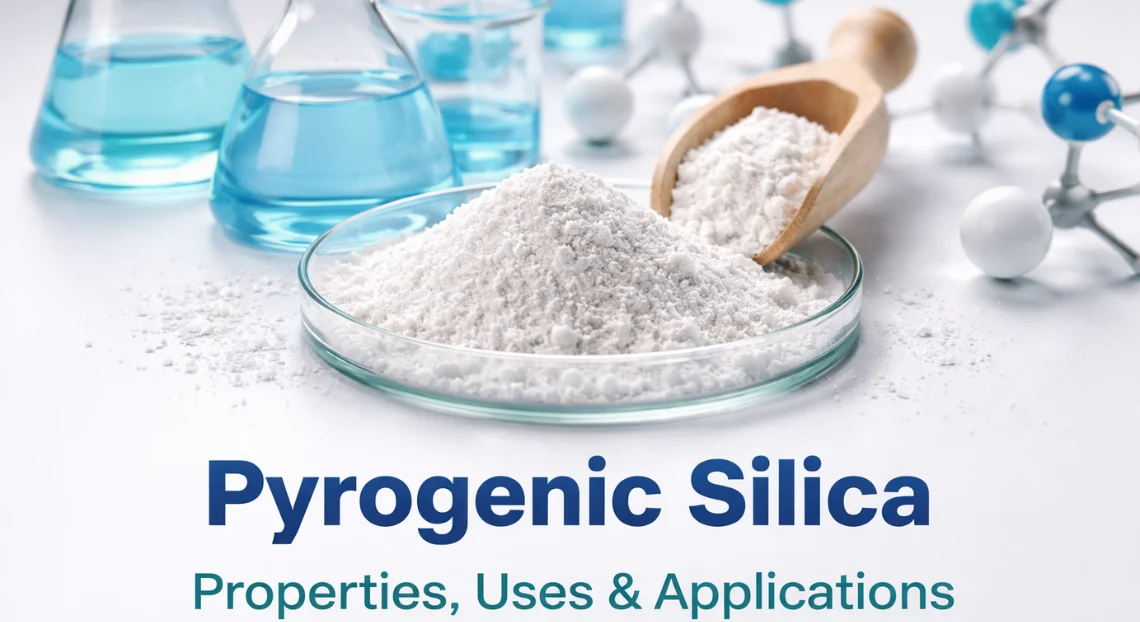
Pyrogenic silica, also known as fumed silica, is a very fine, white powder made from silicon dioxide (SiO₂). It is produced through a high-temperature chemical process, which creates tiny, lightweight particles with a large surface area. These unique properties make pyrogenic silica useful in many industries.
In industries, pyrogenic silica is valued for its ability to improve product stability, control viscosity, prevent clumping, and reinforce materials. It is widely used in paints, coatings, adhesives, plastics, rubber, cosmetics, pharmaceuticals, and food products.
Its versatility and effectiveness in small amounts make it an important additive in manufacturing. From making rubber stronger to keeping powders free-flowing or improving the texture of cosmetics, pyrogenic silica plays a key role in modern industrial and consumer products.
What Is Pyrogenic Silica?
Pyrogenic silica, also called fumed silica, is a very fine, white powder made of silicon dioxide (SiO₂). It is produced through a high-temperature flame process, which creates extremely small, lightweight particles with a large surface area. These properties make pyrogenic silica useful in many industries as a thickener, reinforcing agent, or flow improver. Unlike natural silica, such as sand or quartz, pyrogenic silica is engineered for industrial and commercial use.
How Pyrogenic Silica Differs from Other Types of Silica?
Pyrogenic silica is different from other forms of silica in both production and performance. For instance, precipitated silica is made by a chemical reaction from silicate solutions, resulting in larger and denser particles. Pyrogenic silica, however, has a chain-like, open structure with extremely fine particles. This gives it a very high surface area, low bulk density, and excellent ability to control the viscosity, flow, and stability of liquids and powders.
Why Pyrogenic Silica Is Preferred in Many Applications?
Because of its fine particles and porous structure, pyrogenic silica is preferred when precise control of texture, viscosity, and stability is needed. Precipitated silica, with larger particles, is mainly used for bulk reinforcement in rubber or plastics where cost efficiency is more important. Pyrogenic silica’s lightweight and high surface area make it ideal for cosmetics, coatings, pharmaceuticals, and specialty industrial products, where performance and consistency are critical.
How Pyrogenic Silica Is Made in Industry?
Flame Hydrolysis Process for Pyrogenic Silica
Pyrogenic silica is produced using a method called flame hydrolysis, which creates ultra-fine silica particles at high temperatures. In this process, silicon tetrachloride (SiCl₄) is sprayed into a flame fueled by hydrogen and oxygen. The high temperature, often above 1,000 °C, causes the silicon compound to react with oxygen and hydrogen. This reaction forms pure silicon dioxide (SiO₂) in the gas phase and releases hydrochloric acid gas as a by-product. The silica particles form instantly in the flame before being carried out for collection.
Chemical Reactions Involved in Pyrogenic Silica
The main chemical reaction in the flame hydrolysis process is simple: silicon tetrachloride reacts with water vapor in the flame to produce silica and hydrochloric acid. The reaction can be represented as SiCl₄ + 2H₂O → SiO₂ + 4HCl. This reaction occurs at high temperatures in the gas phase, allowing the silica to form extremely small primary particles. These particles are chemically pure and amorphous, giving pyrogenic silica its inert nature and stability.
Structure of Pyrogenic Silica Particles
The primary silica particles produced in the flame are very small, usually 5–50 nanometers in diameter. While still hot, these primary particles fuse into larger aggregates, which have a branched, three-dimensional structure. These aggregates then combine to form agglomerates that are several microns in size. This network-like structure gives pyrogenic silica a very high surface area, low bulk density, and excellent ability to control viscosity and flow, making it ideal for coatings, cosmetics, rubber, and many other applications.
Physical Properties of Pyrogenic Silica
Pyrogenic silica is a fine, white powder made of silicon dioxide (SiO₂). Its particles are extremely small, typically 5 to 50 nanometers, which is much smaller than the width of a human hair. These tiny particles combine to form aggregates and agglomerates, creating a three-dimensional network. This structure gives the powder a lightweight, fluffy appearance while maintaining strong particle integrity. The material has a very high surface area, often between 50 and 400 square meters per gram, which makes it highly effective in controlling viscosity, flow, and stability in liquids and powders.
The powder has a low bulk density, allowing it to be easily dispersed in liquids or mixed with other powders. Despite being lightweight, it maintains a strong internal structure due to the fused primary particles. Pyrogenic silica is also thermally stable, able to withstand high temperatures without changing its physical form. Its fine particle size, combined with the open, network-like structure of the aggregates, provides thixotropic behavior, meaning it can temporarily thin when stirred and regain thickness at rest.
These physical properties — small particle size, high surface area, low bulk density, and structured aggregates — are what make pyrogenic silica valuable in paints, coatings, adhesives, cosmetics, food, pharmaceuticals, and industrial applications. Its ability to modify texture, improve flow, and enhance stability sets it apart from other forms of silica.
Chemical Stability and Moisture Interaction
Chemically, pyrogenic silica is inert and stable under normal conditions. It does not react with most acids, bases, or common chemicals, which makes it suitable for use in wide‑ranging applications including coatings, adhesives, and cosmetics. This chemical inertness also helps it remain unchanged over time within formulations. Because of its large surface area, pyrogenic silica can absorb some moisture from the air, especially if it has not been surface‑treated. Hydrophilic grades attract water more readily, while hydrophobic grades are modified to resist moisture. Both forms are useful depending on the product requirements and environment.
Unique Characteristics of Pyrogenic Silica
Pyrogenic silica’s porous microstructure and lightness are among its most defining features. Although the primary particles themselves are non‑porous, they fuse into branched, chain‑like aggregates that create open networks with spaces between them. This gives the material a very low bulk density and high surface area, enabling it to improve texture, control flow, and prevent settling in liquid systems. Its structure also contributes to thixotropic behavior, meaning mixtures can become less viscous when stirred and regain thickness at rest, which is valuable in coatings and gels.
Types of Pyrogenic Silica
Hydrophilic Pyrogenic Silica
Hydrophilic pyrogenic silica is the standard form of pyrogenic silica and naturally attracts water. Its surface readily interacts with moisture in air or liquids because it has not been chemically modified to repel water. This type is widely used where moisture interaction is helpful, such as in paints, coatings, adhesives, and sealants. In these products, hydrophilic pyrogenic silica helps improve thickening, suspension, and anti‑settling of pigments and fillers. Its ability to absorb small amounts of moisture also enhances the rheology (flow behavior) of liquid systems. In powdered products, hydrophilic grades assist in improving flow and reducing clumping by creating spacing between particles.
Hydrophobic Pyrogenic Silica
Hydrophobic pyrogenic silica is produced by treating standard pyrogenic silica with surface modifiers that make it repel water. These modifications usually involve chemical agents that bond to the silica surface, creating a layer that resists moisture. This type is ideal for applications where water resistance is needed, such as in silicone sealants, water‑repellant coatings, and certain cosmetics. Hydrophobic silica does not absorb water easily, which helps stabilize products in humid environments and maintain consistent performance. It also improves dispersion in non‑polar systems like oils and solvents, where hydrophilic silica would clump.
Differences Between Hydrophilic and Hydrophobic Silica
The main difference between these types lies in how they interact with water. Hydrophilic silica attracts and interacts with moisture, making it suitable for water‑based systems and thickening applications. Hydrophobic silica repels water, making it better for water‑resistant systems and products with oils or solvents. Their applications differ because of this behavior: hydrophilic grades are common in paints, adhesives, and food powders, while hydrophobic grades are used in sealants, silicone rubbers, and moisture‑sensitive formulations.
Uses of Pyrogenic Silica
Use in Paints, Coatings, and Adhesives
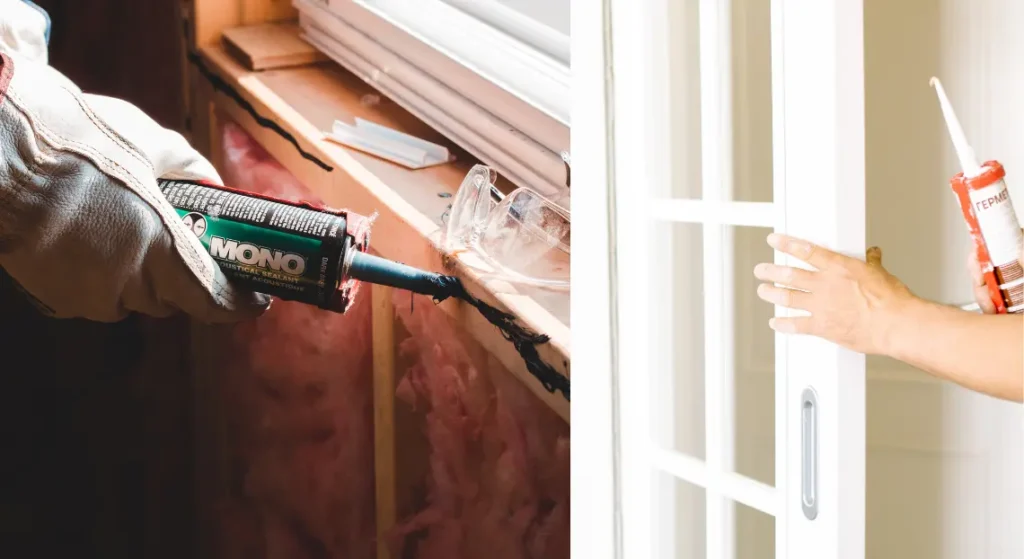
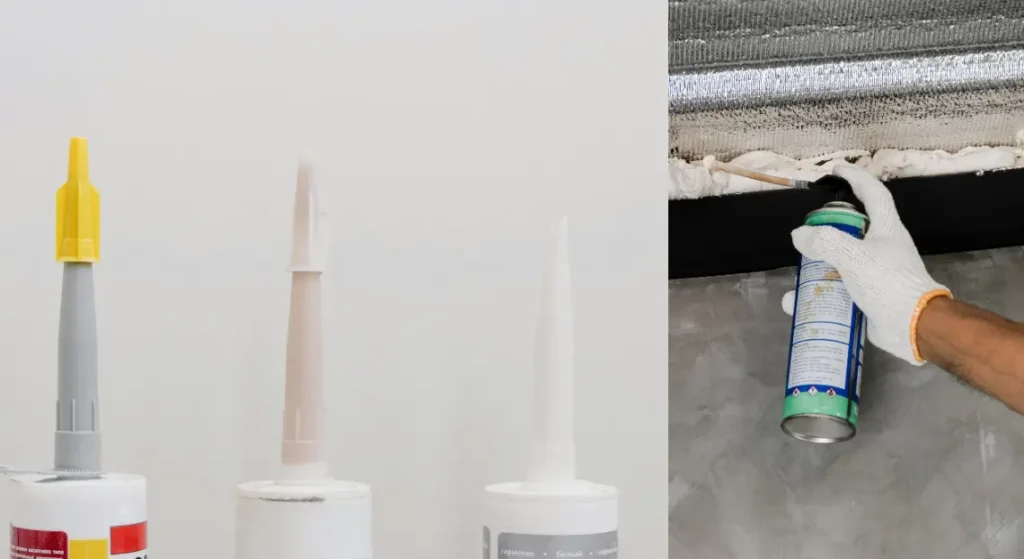
Pyrogenic silica is widely used in paints, coatings, and adhesives to improve texture and performance. When added to liquid paints, it helps control thickness and flow, preventing sagging on vertical surfaces. In coatings, it improves anti‑settling of pigments and enhances durability. In adhesives, pyrogenic silica increases viscosity and stability, allowing better application and bonding. Its fine particles create a consistent and smooth finish, making products easier to work with and more reliable in performance.
Use in Rubber, Plastics, and Silicone
In rubber, plastics, and silicone products, pyrogenic silica acts as a reinforcing agent. It enhances strength, stiffness, and wear resistance without significantly increasing weight. In rubber, it improves tear strength and abrasion resistance, making it useful in tires, seals, and industrial parts. In plastics, silica helps maintain dimensional stability and improves surface quality. In silicone formulations, pyrogenic silica controls viscosity and thixotropy, giving materials the desired flow and curing properties.
Use in Pharmaceuticals and Food Products
Pyrogenic silica is used in pharmaceutical and food products to improve powder behavior. It acts as a flow agent that prevents clumping and ensures even dosing in tablets and capsules. In powdered food products, such as spices or drink mixes, it helps maintain free‑flowing properties so packaging and dispensing are more efficient. Its chemical stability and purity make it safe for regulated applications when handled correctly.
Use in Cosmetics and Personal Care Products
In cosmetics and personal care, pyrogenic silica improves texture and application. It is added to powders, foundations, lotions, and creams to enhance smoothness and control thickness. The fine particles help products spread evenly on skin and provide a soft, matte finish in makeup formulas.
Other Industrial Uses
Beyond these areas, pyrogenic silica is used in electronics, lubricants, and specialty chemicals. It improves thermal stability, consistency, and performance in demanding applications where precise material behavior is required.
Advantages of Pyrogenic Silica
Enhances Viscosity and Product Stability
Pyrogenic silica is effective at improving the viscosity and stability of many formulations. When added to liquids such as paints, coatings, or adhesives, it helps the product maintain a uniform thickness. This makes the product easier to apply and prevents problems like sagging or separation. Its fine particles interact with liquid molecules, creating a network that supports consistent flow and structure. As a result, products remain stable during storage and use, which improves overall performance.
Prevents Clumping and Improves Flow
One important advantage of pyrogenic silica is its ability to prevent clumping in powders. Many dry materials tend to stick together, especially in humid conditions. When pyrogenic silica is mixed with powders, it creates tiny gaps between particles. This helps them move freely rather than forming lumps. In food powders, spices, and pharmaceutical tablets, this property ensures smooth and consistent flow during processing, packaging, and use.
Helps Reinforce Materials
Pyrogenic silica can act as a reinforcing agent in products like rubber, plastics, and silicone. Its fine structure strengthens the material’s internal network, which improves mechanical properties such as tensile strength, abrasion resistance, and durability. This makes products stronger and longer lasting without significantly increasing weight or changing other characteristics.
Lightweight and Highly Porous Structure
Pyrogenic silica is very lightweight and highly porous due to its tiny particles and open network structure. This unique combination gives it a high surface area, which enhances its performance in many applications. The lightweight nature also makes it suitable for products requiring minimal change in overall density, such as coatings and cosmetics.
Overall, these advantages make pyrogenic silica a valuable additive in a wide range of industrial and consumer products.
Limitations of Pyrogenic Silica
Higher Cost Compared to Other Fillers
One limitation of pyrogenic silica is its cost. The manufacturing process, which involves high‑temperature flame reactions and controlled conditions, makes pyrogenic silica more expensive than many other types of fillers and thickeners. Industries that require large volumes of material may find the cost adds up, especially when cheaper alternatives like precipitated silica or conventional fillers can meet basic performance needs. Because of this, manufacturers must balance the benefits against the added material cost when choosing pyrogenic silica for a product.
Handling Requires Dust Safety Measures
Pyrogenic silica is an extremely fine powder, and this creates a dust hazard during handling and processing. In dry form, the powder can easily become airborne, which may irritate the eyes, skin, or respiratory system if proper precautions are not taken. Workplaces that use pyrogenic silica must follow dust control measures, such as using local exhaust ventilation, wearing protective masks, and implementing safe handling procedures to reduce airborne particles. These added safety requirements may increase operational complexity and require training.
Does Not Dissolve in Liquids
Another limitation is that pyrogenic silica has limited solubility. It does not dissolve in water or most organic liquids. Instead, it disperses or forms a suspension in liquid systems. While this property is useful for thickening and stabilizing mixtures, it also means that pyrogenic silica cannot be used where true dissolution is required. Some formulations that depend on dissolving additives must use alternative materials or adjust their process to accommodate the suspended particles.
Overall, while pyrogenic silica offers many advantages, its cost, handling considerations, and limited solubility are practical limitations that manufacturers must consider when selecting materials for specific applications.
Common Questions About Pyrogenic Silica (FAQs)
Is pyrogenic silica safe for skin and food?
Yes, pyrogenic silica is generally safe for use in cosmetics, personal care, and certain food products when used in regulated amounts. It is chemically inert and does not react with skin or food components.
Can pyrogenic silica be used in water-based products?
Yes, hydrophilic pyrogenic silica disperses well in water-based formulations. It helps improve thickness, stability, and flow in paints, coatings, and liquid cosmetics.
What is the difference between pyrogenic silica and precipitated silica?
Pyrogenic silica is made using a flame process, producing very fine, lightweight particles with high surface area. Precipitated silica is made chemically in solution, forming larger, denser particles. Pyrogenic silica is better for flow control and viscosity, while precipitated silica is used for reinforcement.
How should pyrogenic silica be stored?
It should be stored in a cool, dry place in sealed containers. Avoid moisture and direct sunlight, as water or humidity can affect its flow and dispersion properties.
Can it be used daily in cosmetics?
Yes, pyrogenic silica is commonly used in daily cosmetic products like powders, foundations, and lotions. It is safe for regular use and improves texture and application.
Does pyrogenic silica absorb moisture?
Yes, hydrophilic silica can absorb small amounts of moisture from the air. Hydrophobic silica, however, is treated to resist moisture absorption.
Is pyrogenic silica suitable for high-temperature applications?
Yes, it is thermally stable and can withstand high temperatures without losing its structure, making it suitable for industrial and technical applications.
Can pyrogenic silica improve powder flow?
Yes, it prevents powders from clumping and ensures smooth, free-flowing behavior, which is helpful in pharmaceuticals, food powders, and industrial powders.
Is pyrogenic silica environmentally safe?
Pyrogenic silica is chemically inert, non-toxic, and generally considered safe for the environment when handled properly.
Conclusion
Pyrogenic silica is a versatile and valuable material used across many industries. Its unique fine particle size, high surface area, and lightweight structure make it ideal for improving viscosity, stability, and flow in liquids and powders. Both hydrophilic and hydrophobic forms offer specific benefits, allowing its use in water-based products, silicone, cosmetics, food, and industrial applications.
While pyrogenic silica provides advantages such as reinforcing materials, preventing clumping, and enhancing product performance, it also has practical limitations, including higher cost, handling precautions, and limited solubility. Choosing the right type and handling it properly ensures maximum benefit and safety.
Overall, pyrogenic silica remains a key additive in modern formulations, offering improved texture, stability, and functionality in a wide range of products. Understanding its properties, types, and applications helps manufacturers and users make informed decisions for better product quality and performance.