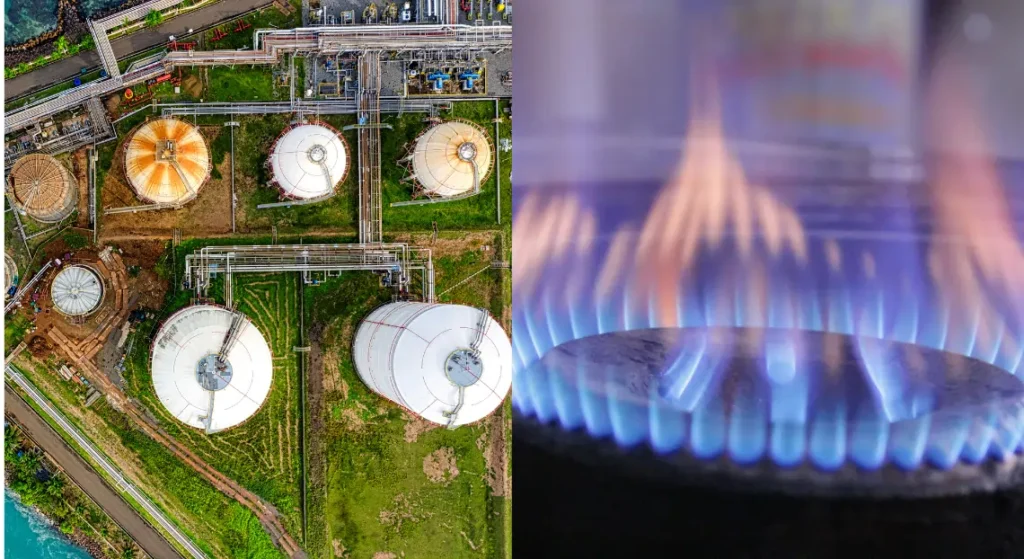

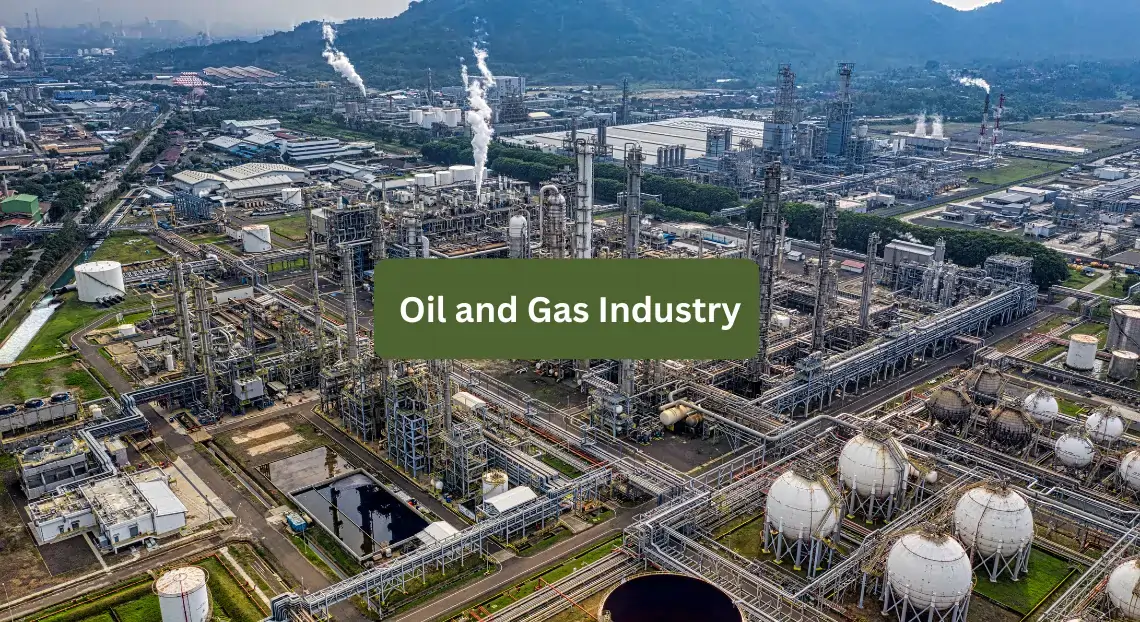
Introduction to the Oil and Gas Industry
The oil and gas industry is the industry that finds, produces, processes, and supplies crude oil and natural gas. These natural resources are used mainly for energy and fuel, but they are also important raw materials for many everyday products. Oil and gas are taken from underground or offshore areas and then prepared for use by homes, businesses, and industries.
This industry matters in daily life because it supports things people use every day. Fuel for cars, buses, trucks, and airplanes comes from oil. Natural gas is widely used for cooking, heating, and electricity generation. Oil and gas are also used to make plastics, fertilizers, synthetic fabrics, medicines, and cleaning products. Without this industry, modern life would slow down or stop in many areas.
Globally, the oil and gas industry plays a major role in energy supply and the economy. Many countries depend on it for jobs, exports, and government income. International groups like OPEC influence oil production and pricing by coordinating output among major oil-producing nations. Overall, the oil and gas industry remains a key part of the world’s energy system.
What Are Oil and Natural Gas?
What Is Crude Oil?
Crude oil is a natural liquid fuel found deep below the Earth’s surface. It is thick, dark, and has a strong smell. Crude oil is not used directly. It must be refined to make useful products. After refining, crude oil becomes petrol, diesel, jet fuel, heating oil, lubricants, and many other products used every day. Crude oil is mainly made of hydrocarbons, which are compounds of hydrogen and carbon. The quality of crude oil can vary. Some crude oils are light and easy to refine, while others are heavy and need more processing.
What Is Natural Gas?
Natural gas is a colorless and odorless fossil fuel found underground, often near crude oil deposits. It is mainly made of methane. Natural gas is widely used because it burns cleanly and produces less pollution than coal or oil. It is used for cooking, heating homes, generating electricity, and running industrial equipment. Before use, natural gas is processed to remove water, dust, and other impurities. An odor is added so leaks can be detected easily.
How Oil and Natural Gas Are Formed Underground?
Oil and natural gas are formed over millions of years. Long ago, tiny plants and animals lived in seas and lakes. When they died, they settled on the bottom and were covered by layers of mud and sand. Over time, heat and pressure deep inside the Earth changed this organic material into oil and gas. These fuels slowly moved through rock layers and became trapped underground. Today, drilling is used to reach these trapped resources and bring them to the surface for use.
Types of Oil and Gas Resources
Conventional Oil and Gas Resources
Conventional oil and gas are the traditional sources that have been used for many decades. These resources are found in underground rock formations where oil and gas can flow easily. Once a well is drilled, the oil or gas often comes to the surface with natural pressure or simple pumping. Conventional resources are easier to extract and usually cost less to produce. They are commonly found in large reservoirs and have been the main supply of global energy for a long time.
Unconventional Oil and Gas Resources
Unconventional oil and gas are found in rock formations where oil and gas do not flow easily. These resources include shale oil, shale gas, tight gas, and oil sands. Special methods such as horizontal drilling and advanced extraction techniques are needed to produce them. Oil sands are mixed with sand and need extra processing to separate the oil. Unconventional resources have become important as conventional reserves decline and energy demand continues to grow. They help increase supply but usually require higher costs and more processing.
Onshore and Offshore Oil and Gas Resources
Onshore oil and gas resources are located on land. These are easier to access and develop because equipment and transport are simpler. Offshore resources are found under the sea or ocean floor. Offshore drilling uses platforms and ships and is more complex and expensive. However, offshore fields can hold large reserves. Both onshore and offshore resources play an important role in meeting global energy needs and balancing supply across different regions.
Major Segments of the Oil and Gas Industry
Upstream Operations: Exploration and Production
The upstream segment is the starting point of the oil and gas industry. It focuses on finding and producing oil and natural gas from the Earth. The process begins with geological surveys. These studies help identify areas where oil and gas may be present underground. Modern tools such as seismic surveys are used to understand rock structures below the surface.
Once a suitable location is found, drilling begins. Wells are drilled deep into the ground or below the sea floor to reach oil and gas reservoirs. After drilling, extraction starts. In some fields, natural pressure pushes oil or gas to the surface. In others, pumps and enhanced recovery methods are used. The main goal of upstream activities is to safely and efficiently produce raw oil and natural gas.
Midstream Operations: Transportation and Storage
The midstream segment handles the movement and storage of oil and gas after production. Oil and gas must be transported from production sites to refineries or processing plants. Pipelines are the most common method because they are safe and cost-effective. In some cases, tankers, ships, railcars, and trucks are used, especially where pipelines are not available.
Storage facilities play a key role in balancing supply and demand. Oil is stored in large tanks, while natural gas is stored in underground facilities or special containers. Terminals and processing plants clean and prepare oil and gas for the next stage by removing water, impurities, and unwanted gases.
Downstream Operations: Refining and Distribution
The downstream segment focuses on turning raw oil and gas into usable products and delivering them to users. Crude oil is refined into petrol, diesel, jet fuel, LPG, and lubricants. Natural gas is processed and supplied for cooking, heating, power generation, and industrial use.
After refining, products are distributed to fuel stations, factories, airports, and homes. This final stage connects the oil and gas industry directly to consumers and businesses, making energy available for daily use.
Key Products of the Oil and Gas Industry
Petrol and Diesel Fuels
Petrol and diesel are the most common products made from crude oil. They are mainly used as fuel for cars, buses, trucks, and other vehicles. Petrol is widely used in light vehicles, while diesel is preferred for heavy transport and machinery. These fuels are refined to meet safety and performance standards so engines run smoothly and efficiently. Petrol and diesel play a key role in transportation and trade across the world.
LPG and Natural Gas
Liquefied petroleum gas, known as LPG, and natural gas are important clean-burning fuels. LPG is often used for cooking and heating in homes and small businesses. It is easy to store and transport in cylinders. Natural gas is used for cooking, power generation, and industrial heating. It is supplied through pipelines and produces fewer emissions compared to coal and oil, making it a preferred energy source in many regions.
Jet Fuel and Marine Fuel
Jet fuel is specially refined for use in aircraft engines. It must meet strict quality standards to ensure safe and efficient flight. Marine fuel is used by ships and large vessels for sea transport. These fuels support global travel and international trade by powering airplanes and cargo ships.
Lubricants, Waxes, and Petrochemical Materials
Lubricants reduce friction in engines and machines, helping them last longer. Waxes are used in candles, packaging, coatings, and polishing products. The oil and gas industry also supplies petrochemical raw materials. These materials are used to make plastics, synthetic fibers, rubber, detergents, and many everyday products used in homes and industries.
Uses of Oil and Gas Across Industries
Energy and Power Generation
Oil and gas are widely used to produce electricity and heat. Power plants burn natural gas or oil to generate energy for homes, offices, hospitals, and industries. Natural gas is preferred because it burns cleaner and produces fewer emissions. Oil is often used in areas where gas supply is limited. Reliable energy from oil and gas supports daily life and industrial growth.
Transportation and Logistics
The transportation sector depends heavily on oil and gas. Petrol, diesel, jet fuel, and marine fuel power cars, trucks, trains, airplanes, and ships. These fuels help move people and goods across cities, countries, and oceans. Without oil-based fuels, global trade, public transport, and supply chains would face serious disruption.
Chemicals and Plastics Manufacturing
Oil and gas are key raw materials for the chemical industry. They are used to make plastics, synthetic rubber, fibers, paints, solvents, and cleaning products. Many items used every day, such as packaging, household goods, and electronic parts, are made from oil-based chemicals. This makes oil and gas important beyond just energy use.
Agriculture and Fertilizer Production
The agriculture sector relies on oil and gas for both energy and materials. Natural gas is used to make fertilizers that help improve crop yield. Fuel from oil powers tractors, irrigation pumps, and food transport. This support helps farmers produce and deliver food efficiently.
Healthcare and Pharmaceutical Use
Oil and gas play an important role in healthcare. They are used to make medicines, medical equipment, syringes, gloves, and packaging. Hospitals also rely on energy from oil and gas to run machines and maintain critical services.
How the Oil and Gas Industry Works: Step-by-Step Process
Exploration and Site Identification
The process starts with exploration. Experts study the land or sea to find signs of oil and natural gas below the surface. They use geological data and seismic surveys to understand rock layers. This helps decide where drilling has the best chance of success. Exploration reduces risk and avoids unnecessary drilling.
Drilling and Well Development
After a location is selected, drilling begins. A well is drilled deep into the ground or under the sea to reach oil or gas reservoirs. Strong steel pipes are placed inside the well to keep it safe and stable. Drilling can take weeks or months, depending on depth and location. Once drilling is complete, the well is prepared for production.
Production of Oil and Natural Gas
During production, oil and gas are brought to the surface. In some fields, natural pressure pushes them out. In others, pumps and recovery methods are used. Production continues as long as oil or gas can be safely recovered. This stage focuses on steady output while protecting workers and the environment.
Processing and Refining
Raw oil and gas contain water, gases, and other impurities. Processing removes these unwanted materials. Natural gas is cleaned and separated into usable forms. Crude oil is then sent to refineries, where it is heated and separated into different products such as petrol, diesel, and LPG. Refining makes oil safe and useful for daily use.
Distribution to End Users
The final step is distribution. Finished products are transported through pipelines, trucks, ships, and railways. They are delivered to fuel stations, factories, airports, and homes. This step ensures energy reaches consumers and industries on time, supporting transport, power generation, and manufacturing.
Global Oil and Gas Market Overview
Global Oil and Gas Market Overview
The global oil and gas market includes production, consumption, and trade of energy resources across countries and regions. Some nations produce large amounts of crude oil and natural gas, while others use most of what they import to fuel their homes, vehicles, and industries. The balance between producers and consumers shapes oil prices, trade flows, and energy security worldwide.
Major Oil and Gas Producing Countries
The United States, Saudi Arabia, and Russia are among the top oil-producing countries in the world, each contributing significant shares of global output. Other large producers include Canada, China, Iraq, the United Arab Emirates, Iran, Brazil, and Kuwait. These countries have large reserves and well-developed extraction infrastructure that support high production levels. Together, these leading producers supply a large portion of the world’s crude oil and natural gas to global markets.
Major Oil and Gas Consuming Regions
Consumption tends to be highest in regions with large populations and strong industrial activity. The United States is the largest oil consumer, followed by China and India, with millions of barrels used each day for transport, industry, and energy. Other major consuming countries include Japan, Russia, Brazil, and Germany. These countries rely on both domestic production and imports to meet their energy needs.
Role of OPEC in the Global Market
The Organization of Petroleum Exporting Countries (OPEC) plays a key role in the global oil market. OPEC brings together major oil exporting nations to coordinate production levels and help stabilize prices. By setting production targets among its member countries, OPEC influences global supply and can affect crude oil prices on international markets. It works with allied countries, commonly known as OPEC+, to manage output and respond to changes in demand and market conditions.
The combined actions of producing and consuming nations, along with international agreements like OPEC’s output decisions, shape the global oil and gas industry’s performance year after year.
Economic Importance of the Oil and Gas Industry
Contribution of the Oil and Gas Industry to National Economies
The oil and gas industry is a major contributor to the economy in many countries. It helps raise the value of goods and services produced, which is measured as Gross Domestic Product (GDP). For some oil-rich nations, the industry can make up a large share of GDP. For example, oil and gas account for a significant portion of national GDP in countries that depend on energy exports for income. In Canada, the oil and natural gas industry contributed over $71.4 billion to the country’s GDP in 2022, showing how vital the sector is to the national economy.
Employment Generation Through Oil and Gas
The oil and gas industry supports millions of jobs directly and indirectly. Workers are employed in exploration, drilling, refining, transportation, and support services. Indirect jobs include roles in manufacturing, logistics, and equipment supply. In Canada, the sector directly employed more than 150,000 people, and when indirect and induced jobs are included, the total rises to around 900,000 jobs. In other regions such as the United States, the industry and its supply chain support millions of jobs, showing how broadly it affects employment beyond the energy sector itself.
Government Revenue and Export Earnings
Oil and gas are also major sources of government revenue through taxes, royalties, and export earnings. These revenues help governments fund public services such as education, healthcare, infrastructure, and social programs. For example, the oil and gas sector in Australia contributed about $21.9 billion in taxes and royalties, helping to support essential government spending. In many exporting countries, crude oil and gas sales make up a large share of foreign exchange earnings and government budgets, showing how central the industry is to national financial health.
Overall, the oil and gas industry drives economic activity, supports jobs across sectors, and generates significant revenue for governments, making it a key pillar of both national and global economies.
Environmental Impact of the Oil and Gas Industry
Air and Water Pollution From Oil and Gas
The oil and gas industry can cause air pollution throughout its activities. During drilling, processing, and refining, harmful gases are released into the air. These include methane, volatile organic compounds (VOCs), nitrogen oxides, and other pollutants. Methane is a powerful greenhouse gas that traps heat in the atmosphere and adds to climate change. VOCs and other chemicals contribute to smog and can harm lung health, especially in communities near drilling and refining sites. In some countries, air pollution from oil and gas operations has been linked to thousands of additional health problems and early deaths each year.
Water pollution is another major concern. Oil spills during drilling or transport can spread across rivers and oceans, coating water surfaces and harming fish, birds, and other wildlife. Even small leaks from pipelines or storage tanks can contaminate local water sources, making water unsafe for drinking and irrigation. Wastewater produced during drilling and refining often contains toxic materials, and if not managed properly, it can enter streams and groundwater. Fracturing fluids used to release oil or gas from shale can also pose risks of water contamination if they reach underground water supplies.
Greenhouse Gas Emissions and Climate Change
Oil and gas are major sources of greenhouse gas emissions. When fuels such as petrol and diesel are burned for energy, they release large amounts of carbon dioxide, the primary gas that drives global warming. Methane released during production and transport is even more effective at trapping heat in the atmosphere over short time periods. The accumulation of these gases contributes to rising global temperatures, melting ice caps, and more extreme weather events, such as storms and droughts.
Oil Spills and Land Damage
Oil spills and leaks cause serious environmental damage. When oil enters the water, it spreads quickly and sticks to surfaces, blocking oxygen and sunlight that aquatic life needs to survive. Major spills have devastated marine ecosystems and taken years to clean up. Land areas near drilling sites can also suffer from soil contamination, habitat loss, and erosion. Roads, pipelines, and well pads can fragment natural landscapes and disturb wildlife habitats. Efforts to restore land and water after spills or leaks are expensive and may not fully return the area to its original condition.
The combined effects of air and water pollution, greenhouse gas emissions, and spills highlight the environmental challenges associated with oil and gas production and use.
Safety Practices in the Oil and Gas Industry
Worker Safety Standards in Oil and Gas
Safety is a central concern in the oil and gas industry because workers operate in challenging environments, including offshore platforms, drilling sites, and refineries. Companies follow strict safety standards to protect workers from injuries. These standards cover how work is planned, how equipment is used, and how workers are trained. Workers must wear protective gear such as helmets, gloves, boots, and safety glasses. Regular safety training helps workers understand hazards and how to avoid them. Companies also use checklists and audits to make sure safety rules are followed at all times.
Equipment and Operational Safety
The industry uses heavy machinery and complex equipment that must be well maintained to prevent accidents. Equipment and operational safety means inspecting tools, pipes, and machines regularly to make sure they work correctly. Safety valves, alarms, and shutdown systems are installed to prevent leaks or equipment failure. Drilling rigs and refineries use safety systems that automatically stop operations if unsafe conditions are detected. Workers are trained to operate machinery safely and report any problems immediately. These steps reduce the risk of fires, explosions, and harmful leaks.
Emergency Response Systems
Despite safety measures, accidents can still happen. For this reason, oil and gas companies maintain strong emergency response systems. These systems prepare teams to act quickly if an incident occurs. Emergency plans include evacuation routes, rescue teams, and communication systems. Drills are conducted regularly so workers know what to do in case of fire, spill, or gas leak. Response teams work with local emergency services to ensure fast and coordinated action. The goal is to protect lives, limit damage to property, and reduce environmental harm. Effective emergency response planning is a key part of overall safety in the oil and gas industry.
Regulations and Compliance
Environmental Regulations for Oil and Gas
The oil and gas industry must follow environmental regulations set by governments to protect air, water, and land. These rules limit the amount of pollution that can be released during drilling, production, and refining. Companies must monitor emissions and treat wastewater before releasing it into the environment. They also need permits before starting operations, and these permits include conditions to reduce environmental harm. Regular reporting ensures companies stay within legal limits. These regulations help reduce pollution and protect natural resources near drilling and refining sites.
Health and Safety Laws for Workers
Oil and gas operations involve heavy machinery, hazardous materials, and challenging work conditions. To protect workers, countries have strong health and safety laws. These laws require companies to train employees on safe work practices and to provide safety gear such as helmets, gloves, and protective clothing. Worksites must follow rules for safe handling of equipment and chemicals.
Inspections by government agencies check that rules are followed. If companies fail to meet safety standards, they can face fines or be forced to stop work until problems are fixed. Health and safety laws aim to reduce accidents, injuries, and long-term health issues for workers.
Industry Standards and Audits
In addition to government laws, the oil and gas industry follows industry standards developed by international and national bodies. These standards cover technical and operational procedures that go beyond basic legal requirements. Companies often conduct regular audits to measure compliance with these standards. Audits check safety systems, environmental controls, and operational processes.
Independent auditors or internal teams review practices and recommend improvements. Following industry standards helps companies improve performance, reduce risks, and build trust with regulators and the public. Overall, strong regulations and compliance systems are essential to running oil and gas operations responsibly.
Conclusion
The oil and gas industry plays a central role in modern life. It supplies energy for power generation, transportation, industries, and households. Beyond fuel, it also provides raw materials for chemicals, plastics, fertilizers, medicines, and many everyday products. From exploration and production to refining and distribution, each stage of the industry is closely linked to economic growth and global trade.
At the same time, the industry faces important challenges. Environmental impact, safety risks, and strict regulations require careful planning and responsible operations. Governments and companies work together through laws, standards, and monitoring systems to reduce pollution, protect workers, and limit damage to land and water. Safety practices and compliance measures help ensure that oil and gas activities are carried out in a controlled and secure manner.
As energy needs continue to grow, the oil and gas industry remains important while the world gradually moves toward cleaner and more sustainable energy sources. Improving efficiency, reducing emissions, and following strong safety and environmental rules will remain key priorities. Understanding how the oil and gas industry works helps readers see its value, its impact, and the need for responsible use in the years ahead.
FAQs
1. What is the oil and gas industry?
The oil and gas industry finds, produces, processes, and supplies crude oil and natural gas for energy and industrial use.
2. What are the main products of the oil and gas industry?
Main products include petrol, diesel, LPG, natural gas, jet fuel, lubricants, and petrochemical materials.
3. Why is the oil and gas industry important?
It provides energy for homes, transport, industries, and supplies raw materials for many everyday products.
4. What are the three main segments of the oil and gas industry?
The three segments are upstream (exploration and production), midstream (transport and storage), and downstream (refining and distribution).
5. How are oil and natural gas formed?
They are formed from ancient plants and animals that were buried under layers of earth and changed by heat and pressure over millions of years.
6. What industries depend on oil and gas?
Industries such as power generation, transportation, chemicals, agriculture, and healthcare depend on oil and gas.
7. What are the main environmental concerns of the oil and gas industry?
Major concerns include air and water pollution, greenhouse gas emissions, and oil spills.
8. Is the oil and gas industry regulated?
Yes, it is regulated by environmental laws, health and safety rules, and industry standards to reduce risks and protect people and nature.