

What Are Volatile Organic Compounds (VOCs)?
Volatile Organic Compounds (VOCs) are chemicals that contain carbon and easily turn into gas at room temperature. Because they evaporate quickly, they mix with the air around us and become part of indoor and outdoor pollution.
VOCs are found in many everyday materials such as paints, cleaning products, fuels, and building materials. They are widely used in industries, but they are also released into the air during normal use of these products.
Common Examples of Volatile Organic Compounds (VOCs)
Widely Found VOC Chemicals and Their Simple Uses
- Benzene – Found in petrol, vehicle exhaust, and cigarette smoke. Long exposure can be harmful to blood health and overall body function.
- Formaldehyde – Released from furniture, plywood, and pressed wood products. Common in indoor air and can cause irritation in eyes, nose, and throat.
- Toluene – Used in paints, adhesives, and thinners. Helps materials dry faster but can affect the nervous system when exposure is high.
- Xylene – Present in paints, varnishes, and printing inks. Used as a solvent and may cause headache, dizziness, and irritation.
- Acetone – Found in nail polish removers and cleaning products. Evaporates quickly and has a strong smell but is widely used in household items.
- Ethylbenzene – Present in fuels and industrial products. Mainly used in manufacturing processes and can affect respiratory health with long exposure.
- Styrene – Found in plastic products and rubber materials. Used in production of packaging materials and may cause irritation if inhaled in large amounts.
Chloroform – Found in small amounts in some industrial processes and cleaning agents. Exposure in high levels can affect the liver and nervous system.
Main Sources of Volatile Organic Compounds (VOCs) in Indoor and Outdoor Air
Indoor Sources of VOC Emissions from Homes and Buildings
VOCs are commonly found inside homes, offices, and other closed spaces. One of the major indoor sources is household products. Items like paints, polish, glue, and cleaning chemicals release VOCs into the air during use and even after application. These products slowly emit gases that can stay in indoor air for a long time.
Furniture and building materials are another major source. Products made from pressed wood, plywood, carpets, and synthetic flooring often contain chemicals that release VOCs over time. New furniture or freshly renovated rooms usually have higher VOC levels due to ongoing chemical release.
Cleaning agents and air fresheners also contribute to indoor VOC levels. Many sprays, disinfectants, and scented products contain solvents and fragrances that evaporate quickly. Regular use in closed spaces can increase VOC concentration in indoor air.
Outdoor Sources of VOC Pollution in the Environment
Outside the home, VOCs mainly come from human activities. Vehicle emissions are one of the biggest sources. Cars, trucks, and buses release VOCs through fuel burning and exhaust gases. Petrol vapors during refueling also add to VOC levels in the air.
Industrial processes are another major source. Factories involved in chemical production, oil refining, and manufacturing release VOCs during different stages of production. These emissions can spread into nearby areas and affect air quality.
Fuel combustion from power plants, waste burning, and diesel generators also releases VOCs into the atmosphere. These processes produce gases that mix with other pollutants and contribute to smog formation, especially in urban regions.
Uses of Volatile Organic Compounds (VOCs) in Industry and Daily Life
Role of VOCs in Paints, Coatings, and Adhesives
VOCs are widely used in paints, coatings, and adhesives because they help in dissolving ingredients and making the product easy to apply. They also help paint dry faster by evaporating quickly after application. This is why freshly painted walls often have a strong smell.
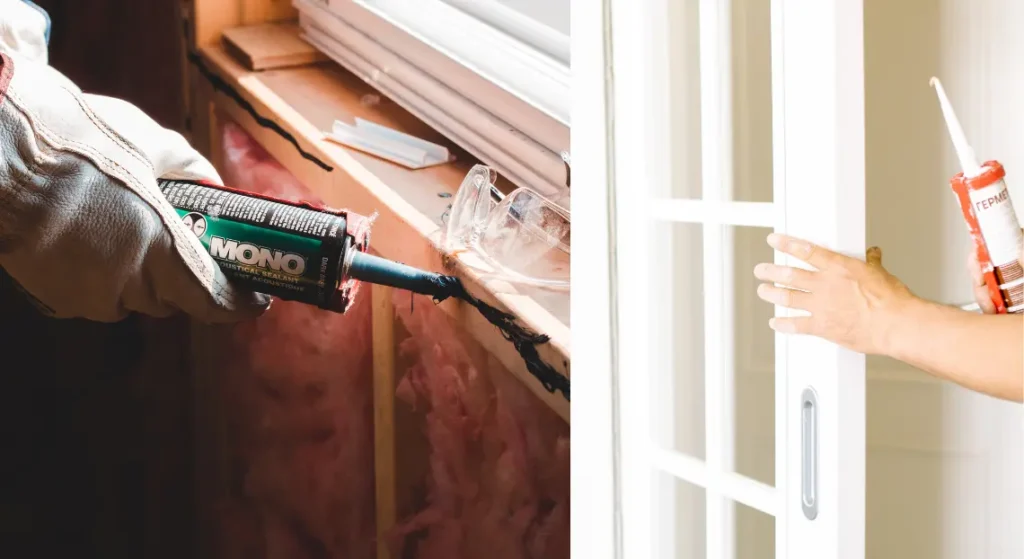
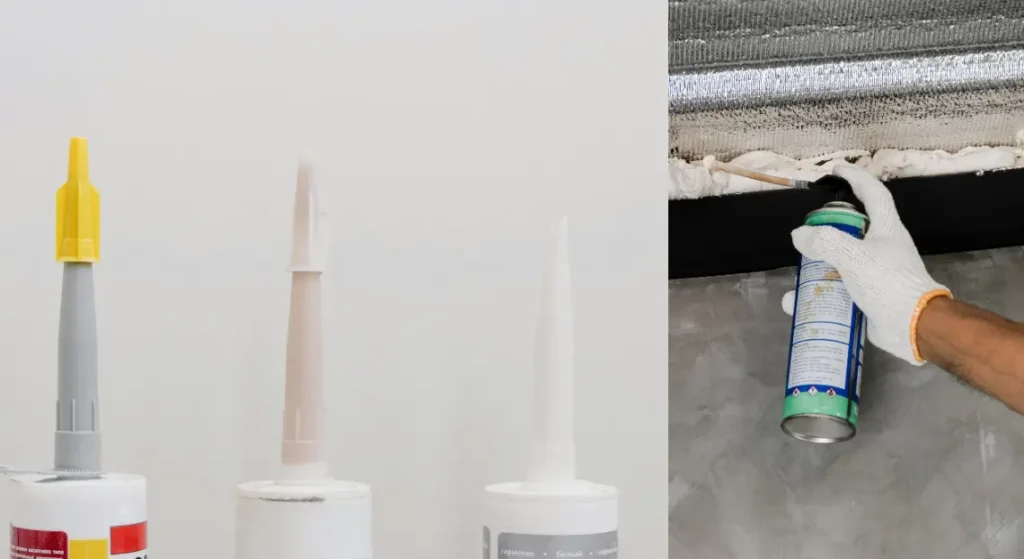
In adhesives and sealants, VOCs improve bonding and spreadability, making them useful in construction and repair work. However, their release into indoor air can continue for some time after use.
Use of VOCs in Fuels and Industrial Solvents
VOCs are an important part of fuels like petrol, diesel, and kerosene. They help in improving fuel performance and energy release during combustion. When fuel is burned in vehicles or engines, VOCs are also released into the air as by-products. In addition, many VOCs are used as industrial solvents.
These solvents help dissolve oils, grease, and other substances in cleaning agents, printing inks, and chemical processing. Their fast evaporation makes industrial cleaning and processing more efficient.
Importance of VOCs in Manufacturing and Chemical Industries
In manufacturing, VOCs play a key role in producing plastics, rubber, pharmaceuticals, and synthetic materials. They are used as raw materials or processing agents in chemical reactions. Many everyday products, including packaging materials and synthetic fibers, depend on VOC-based chemicals during production.
Their ability to dissolve, mix, and react easily makes them valuable in large-scale industrial applications. However, strict control is needed to manage emissions and reduce environmental impact.
Health Effects of Volatile Organic Compounds (VOCs) Exposure
Immediate Health Effects of VOC Exposure on Eyes, Nose, and Nervous System
Short-term exposure to VOCs can affect the body quickly, especially in closed or poorly ventilated spaces. One of the most common effects is irritation in the eyes, nose, and throat. People may feel burning, dryness, or discomfort after exposure to strong-smelling products like paints, cleaning sprays, or solvents.
Headaches and dizziness are also common short-term symptoms. This happens because VOCs can affect the nervous system when inhaled in higher amounts. Some people may also feel tired, have difficulty concentrating, or experience mild nausea. These effects usually reduce once the person moves to fresh air, but repeated exposure can make symptoms more frequent.
Long-Term Health Risks of Continuous VOC Exposure
Long-term exposure to VOCs can cause more serious health problems. Certain VOCs can slowly damage internal organs such as the liver and kidneys. This happens when toxic chemicals build up in the body over time.
Respiratory issues are also linked with long-term exposure. People may develop chronic cough, asthma-like symptoms, or reduced lung function, especially if they live or work in areas with poor air quality.
Some VOCs are also considered harmful because of their cancer risk. Chemicals like benzene have been linked with blood-related cancers after long-term exposure. While not all VOCs are cancer-causing, continuous exposure to high levels increases health risks over time.
This is why controlling VOC exposure in indoor and outdoor environments is important for long-term safety.
Environmental Impact of Volatile Organic Compounds (VOCs) on Air, Climate, and Ecosystems
How VOCs Contribute to Air Pollution in Urban and Industrial Areas?
Volatile Organic Compounds (VOCs) play a major role in air pollution, especially in cities and industrial regions. When released into the air from vehicles, factories, paints, and fuels, VOCs mix with other gases and form harmful pollutants.
These compounds reduce air quality and make the air unsafe to breathe over time. High levels of VOCs are often linked with traffic congestion, industrial emissions, and heavy fuel use.
Formation of Ground-Level Ozone and Smog Due to VOC Reactions
One of the most harmful effects of VOCs is their role in forming ground-level ozone. When VOCs react with nitrogen oxides (NOx) in sunlight, they create ozone near the earth’s surface. This is different from the protective ozone layer in the upper atmosphere.
Ground-level ozone is a major part of smog, which appears as a thick haze over cities. Smog reduces visibility and can cause breathing problems, especially in people with asthma or other lung conditions. It is more common in warm and sunny weather when chemical reactions happen faster.
Impact of VOCs on Climate and Natural Ecosystems
VOCs also affect the environment beyond air pollution. Some VOCs contribute indirectly to climate change by influencing the formation of greenhouse gases and atmospheric reactions. They can also harm plants by damaging leaves and reducing their ability to grow properly.
In natural ecosystems, high VOC levels can disturb the balance of air quality, affecting both wildlife and vegetation. Over time, this leads to reduced ecosystem health, especially in areas near industries and busy roads.
VOC Levels and Air Quality Standards in Indoor and Outdoor Air
Understanding VOC Levels and What They Indicate in Air Quality
VOC levels refer to the amount of volatile organic compounds present in the air. These levels are usually measured in units like parts per billion (ppb) or micrograms per cubic meter (µg/m³). A higher VOC level means more chemical gases are present in the air, which can affect air quality and health.
VOC levels can change quickly based on activities like painting, cleaning, cooking, or using fuel-based products. High readings often indicate poor ventilation or strong chemical emissions inside a space. Low readings usually suggest cleaner air and better ventilation.
Indoor VOC Levels Compared to Outdoor Air Quality Standards
Indoor VOC levels are often higher than outdoor levels because homes and offices contain many chemical sources. Products like furniture, paints, cleaners, and air fresheners release VOCs slowly over time. Studies show that indoor VOC concentrations can be several times higher than outdoor air in many environments due to limited airflow and trapped emissions.
Outdoor VOC levels are generally lower but can increase in cities and industrial areas. Vehicle emissions, fuel evaporation, and factory operations are major contributors. VOCs in outdoor air are also important because they can react with sunlight and other gases to form smog and ozone pollution.
Importance of Monitoring VOC Levels for Healthy Air Quality
Monitoring VOC levels helps in identifying air quality problems early. Since there are no strict universal limits for indoor VOC exposure, air quality is often assessed using guidelines, ventilation standards, and emission limits from building materials.
Regular monitoring is important because VOC exposure depends on time, location, and product usage. Keeping VOC levels low through ventilation and source control helps improve indoor air safety and reduces long-term health risks.
How to Reduce Exposure to Volatile Organic Compounds (VOCs) in Air?
Simple Ways to Reduce VOC Exposure at Home for Better Indoor Air Quality
Reducing VOC exposure at home starts with improving air circulation. Ventilation is one of the most effective methods. Opening windows and doors allows fresh air to enter and helps remove trapped chemical gases from paints, cleaners, and furniture. Using exhaust fans in kitchens and bathrooms also helps reduce indoor VOC buildup.
Choosing low-VOC products is another important step. Many paints, adhesives, and cleaning products are now available with low or reduced VOC content. These products release fewer harmful gases into the air and are safer for long-term indoor use. Checking product labels before buying can help in making better choices.
Proper storage of chemicals also reduces VOC exposure. Items like cleaning liquids, solvents, and paints should be kept in tightly closed containers. They should be stored in cool, dry places away from living areas. This prevents continuous release of chemical vapors into indoor air.
Industrial Methods to Control and Reduce VOC Emissions Effectively
In industries, VOC control is managed through advanced systems and safer practices. One common method is the use of filters and scrubbers. These systems capture or break down harmful gases before they are released into the atmosphere. They help reduce pollution from factories and chemical plants.
Switching to safer alternatives is also widely used. Many industries now replace high-VOC chemicals with eco-friendly or water-based options. This reduces emissions during production processes and improves workplace safety.
Emission control technologies play a major role in reducing VOC pollution. Techniques like thermal oxidation and catalytic oxidation help destroy VOCs at high temperatures or convert them into less harmful substances. These systems are commonly used in manufacturing units to meet environmental standards and improve air quality.
Conclusion
Volatile Organic Compounds (VOCs) are common in everyday life, from household products to large industrial processes. They are useful in many applications such as paints, fuels, adhesives, and manufacturing. At the same time, they easily mix with air and can affect both health and the environment.
Exposure to VOCs can cause short-term issues like eye and throat irritation, headaches, and dizziness. Long-term exposure may lead to serious health problems, including organ damage and respiratory diseases. Some VOCs are also linked to higher cancer risks. This makes it important to understand where they come from and how exposure happens.
VOCs also contribute to air pollution and smog formation, especially in cities with heavy traffic and industrial activity. They play a role in reducing air quality and can affect ecosystems and plant health over time.
The good part is that VOC exposure can be controlled. Simple steps like improving ventilation, using low-VOC products, and safe storage at home can reduce indoor exposure. In industries, advanced control systems help limit emissions and protect the environment.
Overall, awareness and small changes in daily habits can make a big difference in reducing VOC exposure and improving air quality for a healthier environment.
Frequently Asked Questions (FAQs) About Volatile Organic Compounds (VOCs)
What are Volatile Organic Compounds (VOCs)?
VOCs are carbon-based chemicals that easily turn into gas at room temperature and mix with the air.
Where are VOCs commonly found?
They are found in paints, cleaning products, fuels, furniture, adhesives, and vehicle emissions.
Why are VOCs harmful?
Some VOCs can affect air quality and may cause health problems like irritation, headaches, and long-term organ damage.
How do VOCs affect indoor air quality?
VOCs build up indoors from household products and poor ventilation, making indoor air more polluted than outdoor air.
What are common symptoms of VOC exposure?
Common symptoms include eye and throat irritation, dizziness, headaches, and mild nausea.
Can VOC exposure cause serious health problems?
Yes, long-term exposure to certain VOCs can affect the liver, kidneys, lungs, and may increase cancer risk.
How can I reduce VOC exposure at home?
Improve ventilation, use low-VOC products, and store chemicals properly in sealed containers.
Are VOCs only man-made?
No, VOCs can come from both natural sources like plants and man-made products like fuels and chemicals.
Do VOCs contribute to air pollution?
Yes, VOCs react with other gases in sunlight to form smog and ground-level ozone.
Are all VOCs equally dangerous?
No, some VOCs are less harmful, but others like benzene and formaldehyde are more toxic and require caution.