

What Is Vegetable Glycerin vs Glycerin?
Vegetable glycerin and glycerin are closely related, but the way they are described often creates confusion. Both refer to the same basic compound, but the difference comes mainly from the source and labeling.
What Is Vegetable Glycerin (Plant-Based Source)?
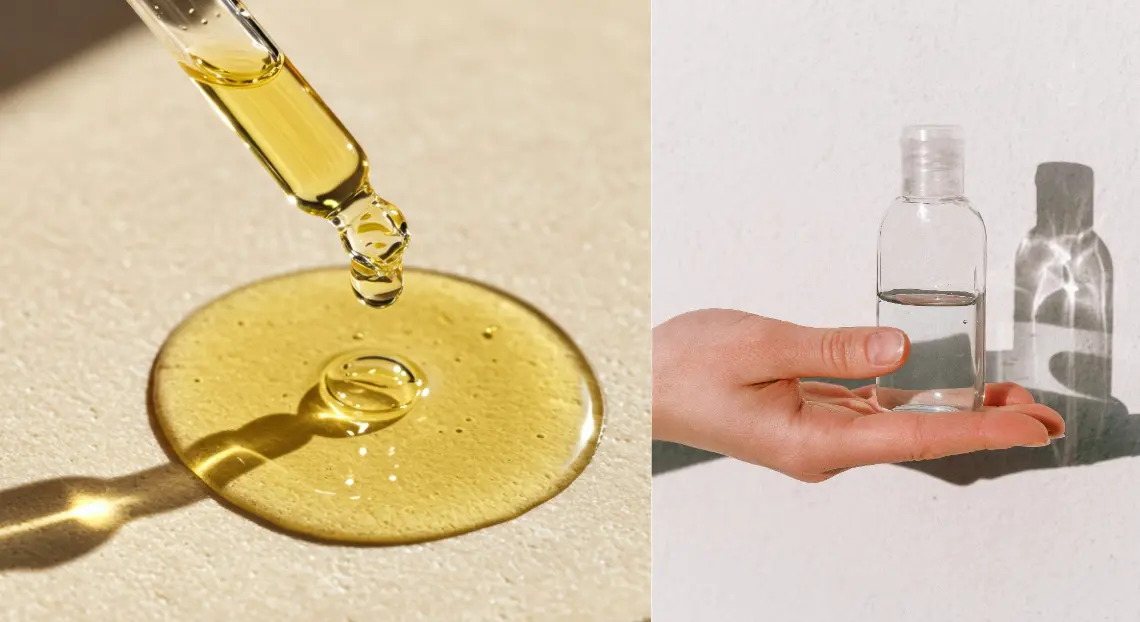
Vegetable glycerin is a clear, odorless liquid made from plant oils such as coconut, palm, or soybean oil. It is also known as plant-based glycerin and is commonly used in food products, skincare items, and medicines. The main point is that it comes from natural plant sources, which makes it suitable for vegan and vegetarian products.
What Is Glycerin (General Term and Sources)?
Glycerin is a broader term that refers to the same chemical compound, also known as glycerol. It can be produced from different sources, including plant oils, animal fats, or even through synthetic processes. Because of this, a product labeled simply as glycerin does not clearly tell you where it comes from unless the source is specified.
Why People Get Confused Between Them?
The confusion happens because both terms describe the same substance with the same function and properties. The only real difference is how it is sourced and labeled. When a product is called vegetable glycerin, it clearly indicates a plant origin, while the general term glycerin may or may not specify its source. This overlap in meaning leads many people to assume they are different chemicals, even though they are not.
Vegetable Glycerin vs Glycerin: Key Differences
| Factor | Vegetable Glycerin | Glycerin |
| Source | Extracted from plant oils like coconut, palm, or soybean | Can come from plants, animal fats, or synthetic processes |
| Purity | Usually marketed as plant-based and often used in food and skincare products | Purity depends on grade and source; may not always be plant-based |
| Uses | Common in cosmetics, skincare, food products, and e-liquids | Used in food, pharmaceuticals, cosmetics, and industrial applications |
| Suitability | Suitable for vegans and vegetarian products | Not always vegan unless plant-derived is specified |
| Cost | Generally slightly higher due to plant-based sourcing | Can be lower or variable depending on source and grade |
Source and Production: Vegetable Glycerin vs Glycerin
How Vegetable Glycerin Is Produced from Plant Oils?
Vegetable glycerin is made from natural plant oils such as coconut, palm, or soybean oil. The production process starts when these oils are broken down using heat, pressure, and a chemical reaction called hydrolysis. This process separates glycerin from fatty acids. After separation, the glycerin is carefully purified to remove impurities, resulting in a clear, odorless liquid. Because it comes from plants, it is widely used in vegan and plant-based products, especially in food, skincare, and personal care items.
How Glycerin Is Produced from Multiple Sources?
Glycerin is produced using different raw materials, which can include animal fats, plant oils, or synthetic methods. When made from animal fats, it is a byproduct of fat processing in industries like soap making. In synthetic production, glycerin is created from petroleum-based chemicals through controlled chemical reactions. Plant-based glycerin is also included under the general term “glycerin” if the source is not specified. This is why glycerin is considered a broad term that does not always indicate its origin unless clearly labeled.
Does Source Affect Quality or Safety?
In terms of chemical structure, there is no difference between vegetable glycerin and glycerin. Both are the same compound called glycerol. The source does not change how the substance works in skincare, food, or medicine. However, the source can matter for personal or ethical reasons. People who prefer vegan or plant-based products usually choose vegetable glycerin. In some cases, purity and quality depend more on whether the product is food-grade or pharmaceutical-grade rather than whether it is plant or animal derived. For safety, both types are considered safe when properly refined and used in the correct grade.
Chemical Composition and Properties: Vegetable Glycerin vs Glycerin
Chemical Structure of Glycerin and Vegetable Glycerin Explained
Vegetable glycerin and glycerin share the same chemical structure. Both are made of the compound called glycerol, with the chemical formula C₃H₈O₃. This structure contains three carbon atoms, each attached to a hydroxyl group. Because of these hydroxyl groups, the compound behaves like an alcohol and easily mixes with water. The structure does not change whether it comes from plants, animals, or synthetic sources. That is why both vegetable glycerin and regular glycerin are chemically identical.
Physical Properties of Glycerin: Color, Smell, and Texture
Glycerin is a clear, colorless liquid with no strong smell. It has a thick, syrup-like texture and a slightly sweet taste. It absorbs moisture from the air easily, which makes it useful in skincare and food products. It dissolves completely in water and alcohol, forming a smooth mixture. These physical properties remain the same in both vegetable glycerin and other forms of glycerin because the base chemical is identical. The difference in source does not affect how it looks or feels.
Is There Any Real Difference in Chemical Composition?
There is no real difference in the chemical composition between vegetable glycerin and glycerin. Both are the same molecule, glycerol, and perform the same function in products. The only difference comes from where they are sourced, such as plants, animal fats, or synthetic processes. Once purified, all types of glycerin become chemically identical. This means their performance in skincare, food, and pharmaceutical use is the same. The source may matter for labeling or personal preference, but it does not change the chemical nature or basic properties of the substance.
Uses and Applications of Vegetable Glycerin vs Glycerin
Common Uses of Vegetable Glycerin in Food, Skincare, and E-Liquids
Vegetable glycerin is widely used in products where a plant-based ingredient is preferred. In the food industry, it works as a sweetener, thickener, and moisture holder in baked goods, candies, and drinks. It helps keep food soft and fresh for a longer time. In skincare, it is used in creams, lotions, soaps, and serums because it pulls moisture into the skin and keeps it hydrated. It is also commonly used in e-liquids for vaping products, where it helps create thick vapor and a smooth feel.
Common Uses of Glycerin in Pharma, Industrial, Food, and Cosmetics
Glycerin is used in a wide range of industries because of its stable and safe nature. In pharmaceuticals, it is used in syrups, cough medicines, and tablets to improve texture and moisture control. In cosmetics, it is added to soaps, shampoos, and creams for its hydrating effect. In the food industry, it is used as a humectant to keep products moist and extend shelf life. In industrial use, glycerin is found in products like lubricants, antifreeze, and certain manufacturing processes where moisture control is needed.
How the Uses of Both Types Overlap and Differ?
The uses of vegetable glycerin and glycerin are mostly the same because both are the same chemical compound. They both work as humectants, solvents, and stabilizers in food, skincare, and medicine. The main difference is not in their function but in labeling and preference. Vegetable glycerin is chosen when a plant-based or vegan ingredient is required, especially in food and personal care products. Regular glycerin may be used more widely in industrial and pharmaceutical areas where source is not a concern. In practical terms, both perform the same job, and their uses overlap in most applications.
Safety and Health Considerations of Glycerin Types
Safety Profile of Vegetable Glycerin in Everyday Use
Vegetable glycerin is considered safe for use in food, cosmetics, and personal care products. It is widely approved by food safety authorities when used in proper amounts. It is non-toxic and does not cause harm when used externally on the skin or consumed in regulated quantities. Many skincare products use it because it is gentle and helps keep skin hydrated without causing irritation in most people. In food products, it is used in small amounts and is generally well tolerated by the body.
Safety Profile of Regular Glycerin in Food and Medicine
Regular glycerin is also considered safe when it is used in the correct grade and amount. Since glycerin refers to the same compound regardless of source, its safety depends more on purity and quality than origin. It is commonly used in medicines like syrups and topical creams because it is stable and non-reactive. When properly refined and approved for human use, it does not pose health risks in normal conditions.
Food-Grade vs Industrial-Grade Glycerin Explained
The most important factor in safety is not whether glycerin is vegetable-based or not, but whether it is food-grade, pharmaceutical-grade, or industrial-grade. Food-grade glycerin is purified and safe for consumption and skincare use. Pharmaceutical-grade is even more strictly controlled and used in medicines. Industrial-grade glycerin is not meant for food or personal use because it may contain impurities or additives. Using the wrong grade can lead to safety issues, even if the chemical itself is the same. This is why checking the grade on the label is more important than focusing only on the source.
Vegan and Dietary Considerations of Glycerin Types
Why Vegetable Glycerin Is Suitable for Vegan Use?
Vegetable glycerin is considered vegan-friendly because it is made from plant oils such as coconut, palm, or soybean oil. It does not involve any animal fats in its production. This makes it a common choice in vegan food, skincare, and cosmetic products. The chemical itself is the same as regular glycerin, but the source is plant-based, which is important for people following vegan or vegetarian lifestyles. Because of this, many products clearly mention “vegetable glycerin” to show that no animal ingredients are used.
When Glycerin May Not Be Suitable for Vegans?
Glycerin is a general term, and its source is not always clear. It can be made from plant oils, animal fats, or synthetic processes. If it comes from animal fats, it is not suitable for vegans. The problem is that product labels often just say “glycerin” without explaining where it comes from. This makes it difficult for consumers to know its origin. In some cases, even synthetic glycerin is not always considered acceptable in strict vegan choices, depending on personal standards.
How to Check Product Labels for Glycerin Source?
To identify whether glycerin is vegan, the label needs close attention. If it clearly says “vegetable glycerin” or “plant-based glycerin,” it is usually safe for vegans. Some products also carry vegan certification logos, which make identification easier. If only “glycerin” is mentioned, the source is unclear, and it may require checking the brand’s website or contacting the manufacturer. Reading labels carefully is important because the chemical name stays the same, but the source decides whether it fits vegan or dietary preferences.
Skin and Cosmetic Benefits: Vegetable Glycerin vs Glycerin
Moisturizing Power of Vegetable Glycerin for Skin Hydration
Vegetable glycerin works as a strong humectant, which means it pulls water into the skin and helps keep it hydrated. It is widely used in skincare products like creams, lotions, and cleansers because it helps reduce dryness and improves skin softness. When applied correctly, it supports the skin barrier and helps the skin stay smooth for longer. Studies show that glycerin-based ingredients can improve skin moisture and reduce irritation, especially in dry or rough skin conditions. Vegetable glycerin also helps in keeping skin calm and protected from external dryness like wind or cold weather.
Moisturizing Power of Glycerin in Cosmetic Products
Glycerin, whether from plant, animal, or synthetic sources, has the same moisturizing effect because the chemical is identical. It is one of the most commonly used ingredients in skincare and is known for attracting moisture from the environment into the outer skin layer. Research shows it is highly effective in improving skin hydration and maintaining elasticity. It is often added to moisturizers, soaps, and serums because it helps keep the skin soft and prevents water loss. Dermatology sources also confirm that glycerin supports skin barrier health and helps in reducing dryness and irritation.
Which One Is Better for Skin Use?
There is no real difference in how vegetable glycerin and regular glycerin work on the skin because both are the same compound. The only difference is the source. Vegetable glycerin is preferred in natural or vegan skincare products, while general glycerin may come from different sources. In terms of performance, both give the same level of hydration, softness, and skin protection. The better choice depends more on personal preference, skin type, and product formulation rather than any functional difference between the two.
Taste, Smell, and Texture: Vegetable Glycerin vs Glycerin
Taste Profile of Glycerin in Food and Edible Use
Vegetable glycerin and glycerin have the same taste because they are the same chemical compound. In food use, glycerin has a mild sweet taste that is softer than sugar. It is often used in sweets, baked goods, and drinks to add light sweetness without strong sugar flavor. It does not overpower other ingredients, which is why it is used in many processed foods and sugar-free products. Its sweetness is smooth and clean, making it useful in food products where balanced taste is important.
Odor and Texture: How Glycerin Feels and Smells
Both vegetable glycerin and regular glycerin are almost odorless. They do not have a strong smell, which makes them suitable for skincare, food, and pharmaceutical use. The texture is thick, smooth, and syrup-like. It flows slowly and feels slightly sticky when touched. This thick texture helps it hold moisture, which is why it is widely used as a humectant in cosmetics and food products. It also gives a soft and moist feel when added to creams or lotions, improving product consistency.
Does the Source Change Taste, Smell, or User Experience?
The source of glycerin does not change its taste, smell, or texture. Whether it comes from plants, animal fats, or synthetic production, the final purified product is the same chemical compound called glycerol. This means the sensory experience remains identical in all cases. Vegetable glycerin may be preferred for ethical or dietary reasons, but it does not feel, taste, or smell different from regular glycerin. In practical use, both behave the same in food, skincare, and pharmaceutical products, so user experience depends on formulation rather than source.
Price and Availability: Vegetable Glycerin vs Glycerin
Cost of Vegetable Glycerin in the Market
Vegetable glycerin is usually slightly more expensive than regular glycerin because it is plant-derived and often sold in food-grade or cosmetic-grade purity. In India, small packs typically start around ₹200 to ₹450 for 170g to 1kg depending on brand and quality. Larger bulk packs cost more but offer better value per unit. For example, a 1kg food-grade vegetable glycerin can cost around ₹400–₹600 range, while 5kg packs can go above ₹5000 depending on purity and certification.
The price increases when the product is labeled USP-grade, organic, or vegan-certified because of stricter processing and quality control.
Cost of Glycerin from Different Sources and Grades
General glycerin has a wider price range because it comes in different grades like industrial, cosmetic, food, and pharmaceutical. Industrial-grade glycerin is the cheapest and can be found at lower prices because it is not meant for food or skin use. Cosmetic and food-grade glycerin is more expensive due to higher purity standards. In India, food-grade glycerin usually ranges from ₹250 to ₹600 per liter, while pharmaceutical-grade can go even higher depending on quality and supplier.
Because glycerin includes plant, animal, and synthetic sources, pricing also varies based on raw material and processing method.
Which One Offers Better Value?
Vegetable glycerin and regular glycerin offer almost the same functional value because both are chemically identical. The difference in value depends on purpose rather than performance. If you need a vegan or plant-based option for skincare or food, vegetable glycerin is more suitable. If source does not matter and cost is a key factor, general glycerin may be more affordable, especially in bulk industrial use. In practical terms, the “better value” depends on whether you prioritize ethical sourcing or lower cost.
Pros and Cons: Vegetable Glycerin vs Glycerin
Pros and Cons of Vegetable Glycerin
Vegetable glycerin is widely used because it comes from plant sources and works the same as regular glycerin in most applications. It is considered safe for food, skincare, and medicine when used in proper grade and quantity. One of its biggest advantages is that it is plant-based, so it is suitable for vegan and vegetarian use. It also works as a strong humectant, meaning it helps the skin hold moisture and stay hydrated for longer. Studies and dermatology sources show it can improve skin softness and reduce dryness when used in skincare products.
Another benefit is its versatility. It is used in food products as a sweetener and moisture-retaining agent, and in cosmetics to improve texture and hydration. It is also generally well tolerated by most people when used correctly.
However, vegetable glycerin also has a few limitations. In pure form, it can sometimes irritate the skin if not diluted properly. It may also feel sticky or heavy in high concentration. In rare cases, some people may experience mild digestive discomfort when consumed in large amounts.
Pros and Cons of Glycerin (General Form)
Glycerin is a highly useful compound used across many industries, including food, pharmaceuticals, cosmetics, and industrial products. Its biggest advantage is that it performs consistently regardless of source because the chemical structure is always the same. It is effective as a moisturizer, solvent, and stabilizer, and is widely trusted in medical and skincare formulations. It is also safe when used in food-grade or pharmaceutical-grade forms.
However, the main drawback of glycerin is its unclear sourcing. Since it can come from plants, animal fats, or synthetic processes, it is not always suitable for vegans unless clearly labeled. Another issue is quality variation. Industrial-grade glycerin is not safe for food or skincare use, so grade selection becomes very important.
In simple terms, both forms work the same, but vegetable glycerin is preferred for plant-based and ethical use, while general glycerin is more widely used in industries where source does not matter.
Vegetable Glycerin vs Glycerin: Which One Should You Choose?
Best Choice for Skincare Use
For skincare, both vegetable glycerin and glycerin work in the same way because they have the same chemical structure. They help the skin stay hydrated by pulling moisture into it. If your focus is only on performance, there is no real difference between them. However, vegetable glycerin is often preferred in skincare products because it is plant-based and fits better in natural or clean-label formulas. It is also widely used in creams, lotions, and serums where gentle hydration is needed.
Best Choice for Food Use
In food products, both types can be used safely when they are food-grade. They act as sweeteners, moisture retainers, and stabilizers. The main difference comes from labeling. Vegetable glycerin is clearly plant-derived, which makes it easier for people who want vegetarian or vegan food choices. Regular glycerin may come from different sources, so it is important to check the label if the origin matters to you.
Best Choice for Pharmaceutical Use
In medicines and pharmaceutical products, both vegetable glycerin and glycerin are used based on purity and grade rather than source. They are used in syrups, capsules, and topical medicines because they are safe and stable. In this case, the source does not affect performance. What matters more is whether the glycerin is pharmaceutical-grade and properly purified for medical use.
Best Choice Based on Vegan Preference
If you follow a vegan or vegetarian lifestyle, vegetable glycerin is the safer and clearer choice. Regular glycerin can come from plant, animal, or synthetic sources, and the label does not always specify this. Vegetable glycerin removes this confusion because it is always plant-based. For this reason, it is the most suitable option for strict dietary preferences.
In simple terms, both are the same in function. The right choice depends on your use and personal preference rather than any real difference in performance.
Common Mistakes and Misunderstandings About Glycerin Types
Thinking Vegetable Glycerin and Glycerin Are Different Chemicals
A common mistake is thinking vegetable glycerin and glycerin are two different substances. In reality, both are the same chemical compound called glycerol. The only difference is the source. Vegetable glycerin comes from plant oils, while glycerin can come from plants, animal fats, or synthetic processes. Once purified, both behave exactly the same in food, skincare, and medicine. The confusion mainly comes from labeling, not chemistry.
Assuming All Glycerin Is Vegan
Many people assume that all glycerin is plant-based, but this is not always true. Glycerin can be made from animal fats or petroleum-based processes, depending on how it is produced. Only vegetable glycerin is clearly plant-derived and suitable for vegan use. Regular glycerin may or may not be vegan, and the source is often not mentioned on labels. Because of this, people who follow vegan diets need to check product details carefully before using it.
Ignoring the Importance of Grade (Food vs Industrial Use)
Another common mistake is ignoring the grade of glycerin. Not all glycerin is safe for food or personal care use. Food-grade and pharmaceutical-grade glycerin are highly purified and safe for consumption or skincare. Industrial-grade glycerin, on the other hand, is used in manufacturing and may contain impurities or additives that are not safe for the body.
Using the wrong grade can lead to safety issues, even though the chemical itself is the same. This is why checking “food-grade” or “USP-grade” on the label is more important than focusing only on whether it is vegetable or regular glycerin.
In simple terms, most confusion comes from labels and assumptions. The chemical is the same, but source and grade decide how safe and suitable it is for use.
Conclusion
Vegetable glycerin and glycerin are the same chemical in function and composition. Both are forms of glycerol and behave the same in food, skincare, medicine, and industrial use. The main difference is not in performance, but in source and labeling.
Vegetable glycerin is always plant-based, which makes it a better choice for vegan and vegetarian users. It is commonly used in natural skincare, food products, and personal care items. Regular glycerin is a broader term that can come from plant oils, animal fats, or synthetic production, so its source is not always clear unless specified.
In terms of safety, effectiveness, and usage, there is no real difference between them when both are properly refined and food-grade or pharmaceutical-grade. What matters more is the grade of glycerin and whether it is suitable for food, cosmetic, or industrial use.
In simple terms, choose vegetable glycerin if you want a clear plant-based option. Choose general glycerin if source is not important and you are focused on function or cost. Understanding the label is the key to making the right choice.
Frequently Asked Questions (FAQs)
What is the main difference between vegetable glycerin and glycerin?
There is no chemical difference. Both are glycerol. The only difference is the source. Vegetable glycerin comes from plant oils, while glycerin can come from plants, animal fats, or synthetic processes.
Is vegetable glycerin better than regular glycerin?
Neither is better in performance. Both work the same. Vegetable glycerin is preferred when a plant-based or vegan option is needed.
Is glycerin safe for skin use?
Yes, glycerin is safe for skin when used in proper grade and amount. It helps keep skin soft and hydrated.
Can glycerin be eaten?
Yes, food-grade glycerin is safe to eat in small amounts. It is used in sweets, baked goods, and drinks.
Is all glycerin vegan?
No, not all glycerin is vegan. Some may come from animal fats. Vegetable glycerin is always plant-based.
Why is vegetable glycerin more expensive?
It is usually slightly more expensive because it is plant-sourced and often produced for food or cosmetic-grade use.
Does vegetable glycerin work better on skin?
No, both work the same on skin. They both help in moisturizing and keeping skin hydrated.
What is glycerin used for?
Glycerin is used in food, skincare, medicines, and industrial products because it is safe and stable.
How can I check if glycerin is food-grade?
Look for labels like “food-grade” or “USP-grade.” These indicate it is safe for consumption and personal use.
Can glycerin cause side effects?
It is generally safe, but in rare cases, high use may cause mild skin irritation or stomach discomfort if consumed in large amounts.