
What Is Acrylic?
Acrylic is a clear plastic material widely used as a lightweight and strong alternative to glass. It is known for its high clarity, durability, and ease of use in different applications like sheets, panels, paints, and displays.
Acrylic is made from a chemical called polymethyl methacrylate (PMMA). PMMA is a synthetic polymer formed by combining small chemical units (monomers) into long chains. This process creates a solid, transparent material that looks like glass but performs better in many situations.
Acrylic is often preferred over glass for several reasons. It is much lighter, making it easier to handle and install. It is also more impact-resistant, so it does not shatter easily like glass. Acrylic can be cut, shaped, and molded without much difficulty, which makes it useful in design, manufacturing, and construction. In addition, it offers good weather and UV resistance, so it can be used both indoors and outdoors.
In simple terms, acrylic is a clear, strong, and versatile plastic that replaces glass in many applications.
How Acrylic Is Made?
Raw Materials Used to Make Acrylic
Acrylic is made from a main chemical called methyl methacrylate (MMA). It is a clear liquid that comes from basic petrochemical sources like natural gas and crude oil.
Along with MMA, small amounts of other materials are added during production. These include initiators, stabilizers, and sometimes color or strength additives. Initiators help start the chemical reaction, while stabilizers protect the material from damage like heat or yellowing.
These raw materials together form the base needed to produce acrylic.
Simple Process of Polymer Formation
Acrylic is made through a process called polymerization. In this process, many small MMA molecules join together to form long chains. These chains create a solid plastic called polymethyl methacrylate (PMMA).
The process starts by adding heat or a chemical initiator to MMA. This triggers a reaction where the molecules link together one by one. As the reaction continues, the liquid slowly turns into a solid material.
In simple terms, small units join to form a strong and stable plastic. Once this process is complete, the material becomes clear, hard, and ready for shaping.
Acrylic in Sheet and Liquid Forms
After polymerization, acrylic can be formed into different shapes depending on its use. One common form is acrylic sheets. These are made by pouring the liquid into molds or by pushing melted material through machines to create flat sheets.
Acrylic can also exist in liquid form before it fully hardens. This liquid form is used in coatings, adhesives, and some industrial applications. Once it sets, it becomes a solid plastic.
Because of this flexibility, acrylic can be produced in many forms such as sheets, rods, and molded products, making it useful in different industries.
Types of Acrylic
Cast Acrylic: Meaning and Key Features
Cast acrylic is made by pouring liquid material into a mold and allowing it to slowly harden into solid sheets. This process creates a strong and high-quality material with a smooth and clear finish.
Because of the slow production process, cast acrylic has better strength and higher clarity compared to other types. It is more resistant to scratches and chemicals, and it can be easily cut, shaped, and polished without damage.
Cast acrylic is available in many colors, sizes, and thicknesses. It is commonly used in signage, display items, furniture, and applications where appearance and durability are important.
Extruded Acrylic: Meaning and Key Features
Extruded acrylic is made by heating acrylic material and pushing it through a machine to form sheets of uniform thickness. This is a faster and continuous process, which makes it more cost-effective.
This type of acrylic has a smoother surface and consistent thickness, which makes it suitable for mass production. It is softer than cast acrylic and easier to bend or shape using heat.
Extruded acrylic is usually cheaper than cast acrylic, but it has lower scratch resistance and slightly lower chemical resistance. It is commonly used in lighting, protective covers, and simple display applications where cost matters more.
Modified Acrylic: Impact and UV Resistant Types
Modified acrylic is specially designed to improve certain properties like strength and weather resistance. It is made by adding special additives during the production process.
Impact-resistant acrylic is stronger and less likely to crack or break under pressure. It is used in safety panels, machine guards, and heavy-duty applications.
UV-resistant acrylic is designed for outdoor use. It does not turn yellow or lose clarity when exposed to sunlight for a long time. This makes it suitable for outdoor signs, skylights, and protective barriers.
These modified types are used when standard acrylic does not meet performance requirements.
Key Properties of Acrylic
High Transparency and Optical Clarity
Acrylic is one of the clearest plastic materials available. It allows up to about 92% of visible light to pass through, which is even higher than standard glass.
Because of this, acrylic looks very clear and bright. It is widely used in display panels, windows, and lighting covers where visibility is important.
Lightweight and Easy to Handle
Acrylic is much lighter than glass. It is about half the weight of glass, which makes it easy to carry, install, and transport.
This property helps reduce overall weight in construction, furniture, and automotive applications.
Good Strength and Impact Resistance
Acrylic is strong and more impact-resistant than glass. It does not break into sharp pieces easily, which makes it safer to use.
However, it is not as strong as some other plastics like polycarbonate, and it can crack under heavy or sharp impact.
Strong Weather and UV Resistance
Acrylic performs very well in outdoor conditions. It can resist sunlight, rain, and temperature changes without losing its clarity.
Unlike many plastics, it does not turn yellow easily when exposed to UV light, which makes it suitable for outdoor signs and skylights.
Good Chemical Resistance
Acrylic can resist many common chemicals such as diluted acids, alkalis, and oils.
This makes it useful in laboratories, medical equipment, and industrial applications. However, strong solvents can damage its surface.
Easy to Cut, Shape and Fabricate
Acrylic is easy to work with. It can be cut, drilled, bent, and molded into different shapes without much difficulty.
It can also be polished to get a smooth and glossy finish. This makes it useful in design, signage, and decorative applications.
In simple terms, acrylic is clear, lightweight, durable, and easy to shape, which makes it a useful material in many industries.
Advantages of Acrylic
Better and Safer Alternative to Glass
Acrylic is often used instead of glass because it is lighter and safer. It is much more impact-resistant, so it does not break easily. Even if it cracks, it does not form sharp pieces like glass. This makes it a good choice for windows, displays, and protective panels.
Easy to Cut, Shape and Polish
Acrylic is easy to work with. It can be cut, drilled, bent, and molded into different shapes without much effort. It can also be polished to get a smooth and glossy finish. This makes it useful for custom designs, furniture, and signage where shape and appearance matter.
Long-Lasting and Durable Material
Acrylic has good durability and can last for many years. It can handle outdoor conditions like sunlight, rain, and temperature changes without losing its clarity. It does not turn yellow quickly and keeps its appearance for a long time when used properly.
Available in Many Colors and Finishes
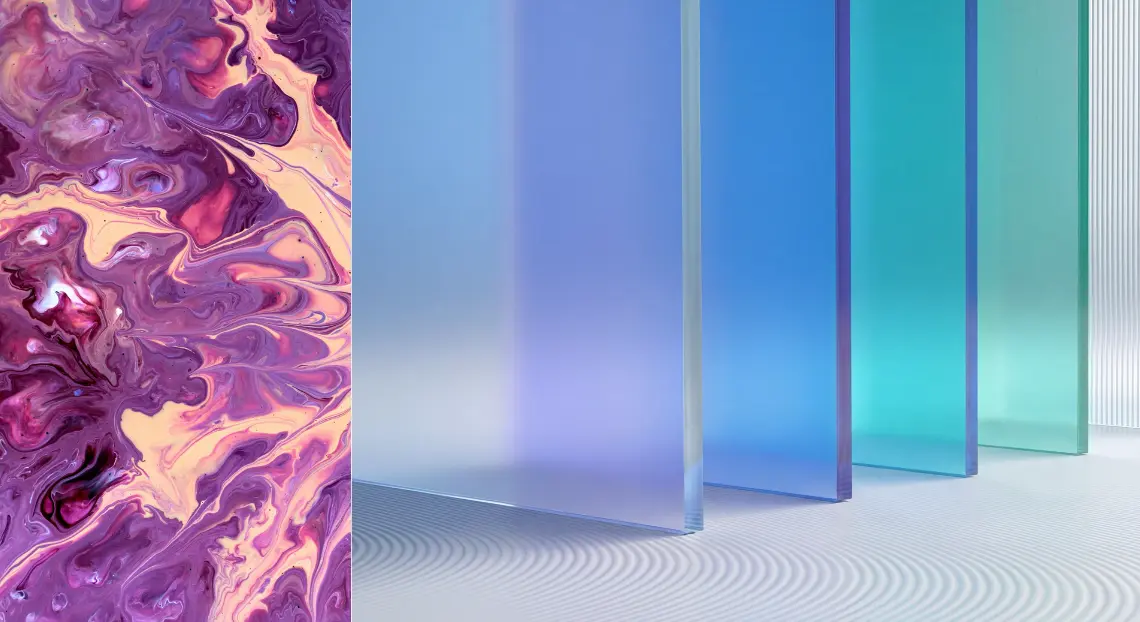
Acrylic is available in clear, colored, frosted, and textured finishes. This gives more design options for different uses. It can be used for decorative items, display boards, lighting covers, and interior design because of its wide range of styles.
Disadvantages of Acrylic
Can Scratch Easily
Acrylic has a softer surface compared to glass, so it can get scratched easily. Extra care is needed during cleaning and handling to avoid surface damage.
Lower Heat Resistance
Acrylic cannot handle very high temperatures. It can soften or lose its shape when exposed to heat. Because of this, it is not suitable for high-temperature applications.
Can Crack Under High Stress
Although acrylic is strong, it can crack under heavy load or sudden impact. It is not as tough as some other plastics, so it should be used carefully in high-stress areas.
More Expensive Than Some Plastics
Acrylic can cost more than basic plastics like PVC or polystyrene. This can increase the overall cost of a project, especially in large-scale use.
Common Uses of Acrylic
Use in Construction and Building Applications
Acrylic is widely used in construction because it is clear, strong, and lightweight. It is used in windows, skylights, and partitions where glass is not suitable. It allows natural light to pass through while reducing weight and risk of breakage. It is also used in noise barriers and protective panels in buildings.
Use in Signage and Display Boards
Acrylic is a popular material for signage and display work. It is used to make sign boards, LED signs, and retail displays. Its clear and smooth surface helps improve visibility and appearance. It can also be easily cut into different shapes and printed with designs, which makes it ideal for branding and advertising.
Use in the Automotive Industry
In the automotive sector, acrylic is used for light covers, dashboards, and interior panels. It is used in headlight and taillight covers because of its clarity and weather resistance. It also helps reduce the overall weight of the vehicle, which improves efficiency.
Use in Medical and Healthcare Products
Acrylic is used in medical equipment and safety products. It is commonly used for protective barriers, trays, and display units in hospitals and clinics. It is easy to clean and offers good resistance to many chemicals, which makes it suitable for healthcare use.
Use in Furniture and Interior Design
Acrylic is used in modern furniture and interior design. It is used to make tables, chairs, shelves, and decorative items. Its transparent and glossy look gives a clean and stylish appearance. It is also available in different colors and finishes for design flexibility.
Use in Paints and Surface Coatings
Acrylic is used in paints and coatings because it provides good finish and durability. Acrylic paints are water-based, easy to apply, and dry quickly. They are used on walls, wood, metal, and many other surfaces.
Use in Beauty and Personal Care Products
Acrylic is used in beauty products such as acrylic nails. It helps create strong and long-lasting artificial nails. It is also used in some cosmetic packaging due to its clear and smooth finish.
Acrylic vs Glass
Weight, Strength, Cost and Safety Comparison
Acrylic and glass may look similar, but they are different in performance and use. Acrylic is much lighter than glass. In most cases, acrylic weighs about half as much as glass of the same size and thickness. This makes it easier to handle, transport, and install.
In terms of strength, acrylic is more impact-resistant than normal glass. It is around 10 to 20 times stronger when it comes to resisting breakage. Glass can break easily on impact, while acrylic is more likely to crack instead of shattering. However, glass is harder and more scratch-resistant than acrylic.
When it comes to cost, acrylic can sometimes be cheaper in handling and installation because of its lightweight nature. It also reduces transport costs. But high-quality acrylic sheets can be more expensive than basic glass, depending on the type and thickness.
Safety is one of the biggest advantages of acrylic. Glass can break into sharp pieces and cause injury. Acrylic, on the other hand, does not shatter into dangerous shards. It breaks into larger and safer pieces, which makes it a better choice for safety applications.
In simple terms, acrylic is lighter, safer, and more impact-resistant, while glass is harder and more scratch-resistant.
Acrylic vs Polycarbonate
Strength, Clarity, Cost and Applications
Acrylic and polycarbonate are both clear plastics, but they are used in different situations. Polycarbonate is much stronger than acrylic. It can be up to 250 times more impact-resistant than glass, while acrylic is about 10–20 times stronger than glass. This makes polycarbonate better for high-impact uses like safety shields and protective barriers.
Acrylic, however, has better clarity. It allows more light to pass through and gives a clearer and more polished look. This is why acrylic is preferred for display cases, signs, and decorative uses.
In terms of durability, polycarbonate is tougher and less likely to crack under stress. Acrylic is more rigid and can crack under heavy impact. However, acrylic has better scratch resistance and can be polished to restore its surface.
Cost is another important factor. Acrylic is generally cheaper than polycarbonate. Polycarbonate can cost around 30–35% more in many cases.
In terms of use, acrylic is best for applications where clarity, appearance, and cost matter. Polycarbonate is best for areas where high strength and safety are required, such as machine guards and security glazing.
In simple terms, acrylic is clearer and more affordable, while polycarbonate is stronger and more durable.
Safety and Environmental Impact of Acrylic
Is Acrylic Safe for Daily Use
Acrylic is generally safe to use in everyday applications. It is widely used in homes, offices, hospitals, and public spaces without major health risks. Once acrylic is fully formed into solid sheets or products, it is stable and does not release harmful substances under normal conditions. It is also considered safe for use in display cases, furniture, and protective barriers.
However, during manufacturing or when acrylic is heated to very high temperatures, it can release fumes. These fumes should not be inhaled, which is why proper ventilation is important in industrial settings. For normal users, this is not a concern because finished acrylic products are safe to handle and use.
Acrylic is also used in medical and food-related applications, which shows that it is considered a safe material when used correctly. Regular cleaning and proper use help maintain its safety over time.
Recycling and Disposal of Acrylic
Acrylic is recyclable, but it is not as widely recycled as some other plastics. It does not break down easily in the environment, so proper disposal is important. Acrylic waste can be collected and processed to create new products, but this requires special recycling methods.
In some cases, acrylic can be melted and reused, or it can be chemically processed back into its original form. This helps reduce waste and supports reuse in industries. However, not all recycling centers accept acrylic, so it is important to check local facilities.
If acrylic is not recycled, it should be disposed of properly according to local waste rules. Avoid burning acrylic, as it can release harmful gases.
Environmental Impact and Concerns
Acrylic is made from petrochemicals, which means it is not a natural or biodegradable material. It can stay in the environment for a long time if not managed properly. This creates concerns about plastic waste and pollution.
However, acrylic has a long life span, which helps reduce the need for frequent replacement. Products made from acrylic can last many years without losing their quality. This durability can reduce overall material use over time.
Some manufacturers are working on improving recycling methods and reducing environmental impact. Using acrylic responsibly, reusing products, and choosing recyclable options can help lower its impact on the environment.
Tips for Handling and Maintenance
Safe and Effective Cleaning Methods
Acrylic should be cleaned carefully to maintain its clarity and surface quality. Use a soft cloth with mild soap and water to remove dust and dirt. Avoid using strong chemicals like alcohol, ammonia, or glass cleaners, as they can damage the surface.
Do not use rough cloths or scrubbers, as they can cause scratches. Gently wiping the surface helps keep acrylic clear and smooth for a long time.
How to Prevent Scratches on Acrylic
Acrylic can scratch more easily than glass, so it should be handled with care. Avoid dragging sharp or hard objects across the surface. When moving acrylic sheets, lift them instead of sliding them.
Using protective films or covers during storage and transport can help prevent damage. In case of light scratches, special polishing products can be used to restore the surface.
Proper Storage and Handling Tips
Acrylic should be stored in a clean and dry place. Keep it away from direct heat sources, as high temperatures can cause bending or damage. It is best to store sheets in an upright position or on a flat surface with proper support.
Avoid placing heavy objects on top of acrylic sheets, as this can lead to bending or cracks over time. Careful handling and proper storage help maintain the quality and life of acrylic products.
Conclusion
Acrylic is a clear, strong, and lightweight material that is widely used as an alternative to glass. It offers good clarity, durability, and weather resistance, which makes it suitable for many industries such as construction, signage, automotive, and interior design.
It is easy to cut, shape, and polish, which gives flexibility in design and manufacturing. At the same time, it has some limitations like lower heat resistance and a higher chance of scratches, so it should be used carefully based on the application.
When compared to materials like glass and polycarbonate, acrylic stands out for its balance of clarity, cost, and ease of use. It is a practical choice for both indoor and outdoor use when handled and maintained properly.
In simple terms, acrylic is a reliable and versatile material that works well in many everyday and industrial applications.
Frequently Asked Questions (FAQs) About Acrylic
What is acrylic made of?
Acrylic is made from a chemical called polymethyl methacrylate (PMMA), which is formed from methyl methacrylate (MMA).
Is acrylic stronger than glass?
Yes, acrylic is more impact-resistant than glass, but it is softer and can scratch more easily.
Is acrylic the same as plastic?
Acrylic is a type of plastic, but it is clearer, stronger, and more durable than many other plastics.
Can acrylic break easily?
Acrylic is strong, but it can crack under heavy impact or stress. It does not shatter like glass.
Is acrylic safe to use?
Yes, acrylic is safe for everyday use when handled properly. It is widely used in homes, offices, and medical settings.
Can acrylic be used outdoors?
Yes, acrylic has good weather and UV resistance, so it works well for outdoor use.
Does acrylic turn yellow over time?
High-quality acrylic does not turn yellow easily and keeps its clarity for a long time.
Is acrylic heat resistant?
Acrylic has limited heat resistance and can soften at high temperatures.
Can acrylic be recycled?
Yes, acrylic can be recycled, but it requires special processes and is not accepted everywhere.
How do you clean acrylic?
Clean acrylic with a soft cloth and mild soap. Avoid harsh chemicals and rough materials.