

What is Limonene and D-Limonene?
What is Limonene?
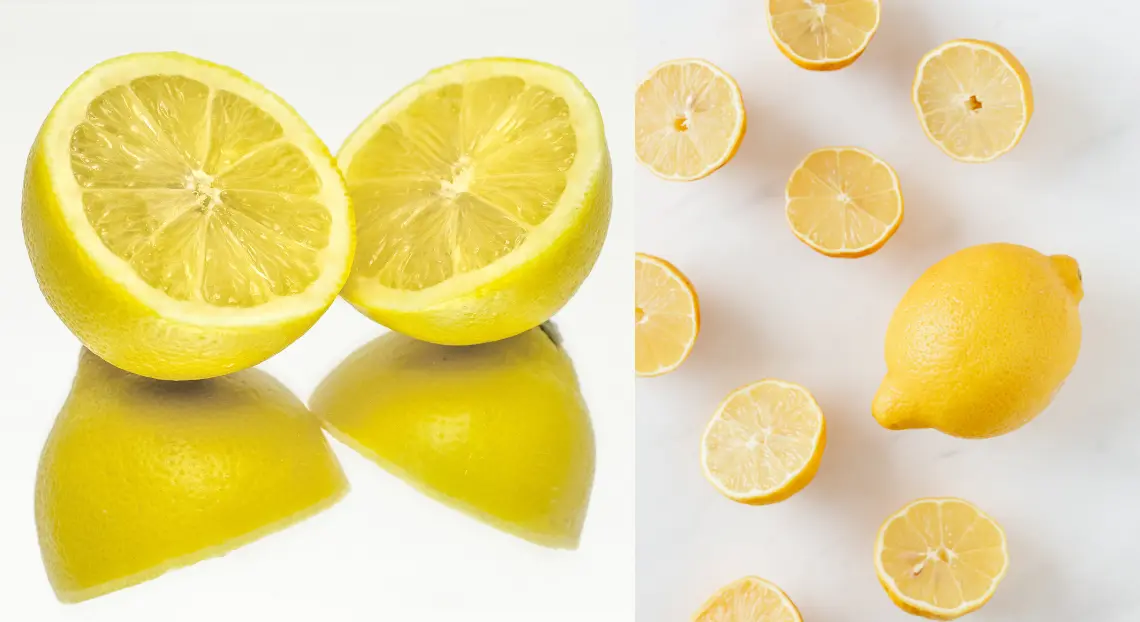
Limonene is a naturally occurring compound mainly found in citrus fruits such as oranges, lemons, and limes. It is part of a group of compounds known as terpenes, which are responsible for the characteristic smell and flavor of many plants. Limonene is typically a colorless liquid with a strong citrus aroma and is widely used in food flavoring, fragrances, and cleaning products. The term “limonene” is a general name that refers to the compound as a whole rather than a single specific form.
What is D-Limonene?
D-limonene is a specific form of limonene and is the most commonly occurring type in nature. It is mainly obtained from the peels of oranges and is known for its sweet, orange-like fragrance. Because of its pleasant smell and effective solvent properties, D-limonene is widely used in cleaning products, cosmetics, and food applications. In most real-world uses, when people refer to limonene, they are often actually talking about D-limonene.
Why People Get Confused Between Them?
The confusion between limonene and D-limonene comes from how the terms are used in everyday language and product labeling. “Limonene” is a broad term that includes different forms of the compound, while “D-limonene” refers to one specific form. Since D-limonene is the most common and commercially used version, many manufacturers and sources simply use the word “limonene” instead of specifying it.
This makes it seem like both terms mean exactly the same thing, even though there is a technical difference. In simple terms, D-limonene is a type of limonene, but limonene as a term can include more than just D-limonene.
D-Limonene vs Limonene: Quick Comparison Table
| Feature | D-Limonene | Limonene |
| Definition | A specific form (isomer) of limonene | A general term for the compound |
| Type | One optical isomer (D-form) | Includes D-form, L-form, or mixture |
| Chemical Nature | Part of terpenes group | Same chemical group (terpenes) |
| Smell | Sweet, orange-like citrus smell | Depends on form (can be citrus or pine-like) |
| Natural Occurrence | Common in orange peels | Found in many citrus fruits |
| Usage | Widely used in cleaning, food, and cosmetics | General reference in chemistry and labeling |
| Commercial Importance | Highly used and commercially important | Broad term, not always specific |
| Common Labeling | Often listed directly as D-limonene | Often used as a general label for D-limonene |
Chemical Structure and Isomer Difference: D-Limonene vs Limonene
Chemical Structure of Limonene
Limonene is a simple organic compound with the chemical formula C₁₀H₁₆. It belongs to the monoterpene group and is made from two smaller units called isoprene. Its structure forms a ring with attached side chains, which gives it its unique chemical behavior. Even though limonene looks like a single compound, it actually exists in different forms that have the same formula but slightly different arrangements. These forms are called isomers.
What Makes D-Limonene Different?
D-limonene is one specific form of limonene. The difference is not in the formula but in how the atoms are arranged in space. This type of difference is known as optical isomerism. In D-limonene, the structure is arranged in a way that it rotates light in a specific direction. This may sound technical, but the key point is that this small structural change affects how it smells and behaves. D-limonene is the most common form found in citrus fruits and is widely used in products because of its strong orange-like scent.
D-Limonene vs L-Limonene Explained Simply
Limonene mainly exists in two forms: D-limonene and L-limonene. These two are mirror images of each other, like left and right hands. They have the same chemical formula and almost the same physical properties, but their smell is different. D-limonene has a sweet orange smell, while L-limonene has a more pine or turpentine-like smell. This difference happens because of their structure, even though everything else is almost the same.
In simple terms, limonene is the general compound, and D-limonene is one specific form of it with a slightly different structure that changes how it smells and is used.
Natural Sources and Occurrence: D-Limonene vs Limonene
Natural Sources of Limonene in Plants
Limonene is a natural compound mainly found in plants, especially in citrus fruits. It is present in the essential oils of fruits like oranges, lemons, limes, and grapefruits. The highest amount of limonene is found in the outer peel of these fruits, not in the juice. In many citrus oils, limonene is the main component and can make up more than 90% of the oil, depending on the type of fruit and growing conditions.
Apart from citrus fruits, small amounts of limonene can also be found in some other plants such as mint, pine, and certain herbs. However, citrus fruits remain the primary and most important natural source.
Where D-Limonene is Commonly Found?
D-limonene is the most common form of limonene found in nature. It is mainly present in the peels of citrus fruits, especially oranges. In fact, orange peel oil contains a very high percentage of D-limonene, which gives it its strong and fresh citrus smell.
Most natural sources produce this form of limonene, which is why it is widely used in food, cleaning, and cosmetic products. Because of its abundance in citrus waste from juice production, D-limonene is also easily available for industrial use.
How Limonene is Extracted from Citrus Fruits?
Limonene is mainly extracted from citrus fruit peels. The extraction process usually starts after juice is removed, using the leftover peels. One common method is cold pressing, where the oil sacs in the peel are broken to release essential oil. Another widely used method is steam distillation, where heat and steam help separate limonene from the peel.
Modern methods like supercritical fluid extraction and ultrasonic extraction are also used to improve yield and quality. These methods are more efficient and use fewer chemicals.
In simple terms, limonene and D-limonene mainly come from citrus peels, and they are extracted using simple mechanical or advanced processing methods.
Smell and Physical Properties Comparison: D-Limonene vs Limonene
Smell of Limonene
Limonene is known for its fresh and strong citrus smell, but the exact odor depends on its form. In general, limonene has a pleasant fragrance that reminds people of citrus fruits. However, different forms of limonene can smell different even though they have the same chemical formula. For example, one form can smell like oranges, while another can smell more like pine or turpentine.
This happens because limonene exists in different isomers, and each one interacts differently with our sense of smell. So, when someone refers to “limonene smell,” it is not always exactly the same. It depends on which form is present.
Smell of D-Limonene
D-limonene has a very clear and strong orange-like smell. It is the reason why orange peels have a fresh citrus fragrance. This form is widely used in cleaning products, air fresheners, and food flavoring because of its pleasant scent.
Compared to other forms, D-limonene has a sweeter and more natural citrus smell. This is why it is the most commonly used type in commercial products. Its strong fragrance also makes it useful for masking bad odors in industrial and household applications.
Color, State, and Solubility Properties
Limonene and D-limonene have very similar physical properties because they share the same chemical structure. Both are usually colorless liquids at room temperature and have a light, oily texture.
They are not easily soluble in water, which means they do not mix well with water. However, they dissolve well in organic solvents such as alcohol and oils.
Both compounds also have a relatively high boiling point and can evaporate slowly into the air, which helps spread their smell. In simple terms, they look and behave almost the same physically, but their smell can be different depending on the specific form, especially in the case of D-limonene.
Uses and Applications Comparison: D-Limonene vs Limonene
Common Uses of Limonene in Daily Products
Limonene is widely used in everyday products because of its strong citrus smell and natural origin. It is commonly added to food and beverages to give a lemon or orange flavor. It is also used in perfumes, soaps, shampoos, and other personal care products to provide a fresh fragrance. In household products, limonene is often used in cleaners, air fresheners, and detergents. It also works as a natural insect repellent and is used in some eco-friendly pesticide products.
Because limonene is a general term, these uses may include different forms of the compound, but in most cases, the active ingredient is D-limonene.
Common Uses of D-Limonene in Industry and Products
D-limonene is the most widely used form because it is easily available and has strong solvent properties. It is commonly used in cleaning products to remove grease, oil, and sticky substances. It is also used in the food industry as a flavoring agent and in cosmetics for fragrance.
In industrial settings, D-limonene is used as a natural solvent in paints, coatings, adhesives, and resins. It is also used in the production of other chemicals and as a base material in some manufacturing processes.
Because it is biodegradable and less toxic than many chemical solvents, it is often chosen as a safer and eco-friendly option.
Industrial Use vs Commercial Use Difference
The main difference between limonene and D-limonene use comes from how specific the application is. The term “limonene” is often used in general or commercial labeling, especially in products like perfumes, food items, and cleaning liquids.
On the other hand, D-limonene is more commonly used in industrial applications where performance matters. Its strong ability to dissolve oils and grease makes it useful in heavy-duty cleaning, machinery maintenance, and chemical processing.
In simple terms, limonene is a general name used in many products, while D-limonene is the specific form that is actually used in most industrial and commercial applications.
Health Benefits and Safety Comparison: D-Limonene vs Limonene
Health Benefits of Limonene
Limonene is known for several potential health benefits, mainly because it has antioxidant and anti-inflammatory properties. These properties help reduce cell damage and lower inflammation in the body. Some studies also suggest that limonene may support heart health by helping control cholesterol and blood sugar levels. It has also been studied for its possible role in reducing the risk of certain diseases, including cancer, but most of this research is still limited to lab and animal studies.
Limonene is also used in aromatherapy for its calming effect. Its citrus smell may help reduce stress and improve mood. However, it is important to understand that strong medical claims are not fully proven yet, and more human studies are needed.
Health Benefits of D-Limonene
D-limonene offers similar benefits because it is the main form of limonene found in nature. It has been studied for its ability to reduce inflammation and act as an antioxidant. In some clinical uses, D-limonene has been used to help relieve heartburn and acid reflux by supporting normal digestion.
There is also research showing that D-limonene may have anti-cancer potential and may help slow the growth of certain tumor cells. In addition, it may help dissolve cholesterol-related gallstones due to its solvent properties. These uses are still under study, but they show that D-limonene has practical health-related applications.
Safety, Toxicity, and Side Effects
Limonene and D-limonene are generally considered safe when used in normal amounts in food, cosmetics, and cleaning products. They are known to have low toxicity, which makes them widely used in many industries.
However, they can cause skin irritation or allergic reactions in some people, especially when applied directly in concentrated form. In high doses, side effects such as stomach discomfort or mild digestive issues may occur.
Limonene can also be harmful to aquatic life and may cause irritation to eyes and skin, so it should be handled carefully in industrial use.
In simple terms, both are safe for regular use, but high exposure or direct contact should be avoided.
Environmental Impact and Sustainability: D-Limonene vs Limonene
Limonene as a Natural Plant-Based Compound
Limonene is a natural compound found in citrus fruits, especially in the peels of oranges and lemons. It is produced by plants as part of their natural defense system. Because it comes directly from plant sources, limonene is considered a renewable and bio-based compound. It is also often obtained as a by-product of citrus juice production, which helps reduce fruit waste and improves overall resource use. This makes it a more sustainable option compared to petroleum-based chemicals.
Studies show that limonene breaks down more easily in nature compared to many synthetic solvents, which reduces long-term environmental buildup. However, like many organic compounds, it can still contribute to air reactions if released in large amounts, so controlled use is important.
D-Limonene in Eco-Friendly Industrial Products
D-limonene is widely used as a greener alternative to traditional industrial solvents. It is commonly used in cleaning products, degreasers, and paint removers because it is effective and comes from renewable citrus sources. Research highlights that it helps reduce dependence on petroleum-based chemicals and lowers environmental pollution from volatile organic compounds (VOCs).
It is also valued in industries because it can replace harsher solvents while still delivering strong cleaning performance. Its natural origin and lower toxicity make it a preferred choice for companies focusing on sustainable and eco-friendly products.
Biodegradability and Environmental Safety
One of the key advantages of both limonene and D-limonene is that they are biodegradable. This means they break down into simpler substances over time instead of staying in soil or water for long periods. Studies show that D-limonene can degrade within a few weeks under natural conditions, which reduces long-term environmental impact.
Because of this fast breakdown, they are less likely to cause lasting pollution compared to many synthetic solvents. However, they should still be used carefully, as high concentrations can affect aquatic life and contribute to air pollution if not managed properly. In simple terms, they are more environment-friendly than most industrial solvents, but responsible use is still important.
When to Use D-Limonene vs Limonene?
Practical Uses of D-Limonene in Products and Industry
D-limonene is used when a strong, natural citrus solvent or fragrance is needed. It is the most active and commonly used form in real applications. Because it has strong grease-removing power and a fresh orange smell, it is widely used in cleaning products, degreasers, cosmetics, and food flavoring. In industrial work, it is preferred as a safer alternative to petroleum-based solvents. Its effectiveness in breaking down oils and sticky residues makes it useful in heavy-duty cleaning and manufacturing processes. In simple terms, D-limonene is chosen when performance, strong scent, and natural origin are all important.
When the Term Limonene is Used in General?
The word “limonene” is usually used in a broad or general sense. It may appear in product labels, ingredient lists, or scientific discussions where the exact form is not specified. In most cases, when companies write “limonene,” they are actually referring to D-limonene, since it is the most common type found in citrus oils. However, the term can also include other forms like L-limonene or a mixture of both. This is why it is often used when the focus is on the compound as a whole rather than a specific version.
How to Choose Between D-Limonene and Limonene?
The choice depends on how specific your need is. If you are working with products, cleaning solutions, or industrial applications, D-limonene is usually the correct and practical choice because it is the active and widely used form. If you are reading scientific information or general ingredient descriptions, the term limonene is enough because it represents the compound family without focusing on one isomer. In simple terms, D-limonene is used for real-world applications, while limonene is used as a general name in chemistry and labeling.
Common Mistakes and Misunderstandings
Treating Limonene and D-Limonene as Exactly the Same
One of the most common mistakes is assuming that limonene and D-limonene are completely the same. In reality, limonene is a general term that includes different forms, while D-limonene is just one specific form. Most products labeled “limonene” actually contain D-limonene, but this is not always clearly explained. This creates confusion, especially in product labels and basic chemistry discussions.
Thinking All Forms of Limonene Have the Same Smell
Another misunderstanding is that all limonene smells like oranges. This is not correct. Only D-limonene has a strong orange-like smell. Other forms, like L-limonene, can smell more like pine or turpentine. The difference comes from their structure, even though they share the same chemical formula. This is why smell alone cannot be used to identify the exact type.
Believing Limonene is Always Safe in Any Amount
Many people think limonene is completely harmless because it comes from natural citrus fruits. While it is generally safe in small amounts used in food and products, high concentrations can cause skin irritation or allergic reactions in some people. In industrial use, it must still be handled carefully. Natural origin does not always mean it is risk-free.
Confusing Product Labels and Chemical Terms
Product labels often add to the confusion by using the word limonene instead of clearly stating D-limonene. This makes people think they are different or interchangeable without any meaning. In most commercial products, the active ingredient is D-limonene, but the simplified label hides this detail. Understanding this helps avoid wrong assumptions when reading ingredient lists.
In simple terms, most confusion comes from unclear labeling and not knowing that limonene is a broad term, while D-limonene is a specific and commonly used form.
Conclusion
D-limonene and limonene are closely related, but they are not exactly the same. Limonene is the general name for a natural compound found in citrus fruits, while D-limonene is the most common and widely used form of it. Both share the same chemical formula, but their structure and properties create small differences in smell, usage, and behavior.
In most real-world applications, especially in cleaning products, food flavoring, and industrial solvents, D-limonene is the form that is actually used. The term limonene is often used in a general sense or on labels, which can create confusion.
Both compounds are natural, biodegradable, and widely used in eco-friendly products. They offer strong performance with relatively low environmental impact when used properly. However, understanding the difference helps in choosing the right term and product for the right use.
In simple terms, limonene is the broader category, and D-limonene is the practical, commonly used version found in most everyday applications.
Frequently Asked Questions (FAQs)
Is limonene and D-limonene the same?
No. Limonene is a general term for a compound found in citrus fruits, while D-limonene is a specific and most common form of it.
Why is D-limonene more commonly used?
D-limonene is more common because it is the natural form found in citrus peels and has strong cleaning and fragrance properties.
What is limonene mainly used for?
Limonene is used in food flavoring, perfumes, cleaning products, and industrial applications due to its citrus smell.
Where is D-limonene found naturally?
D-limonene is mainly found in the peels of oranges and other citrus fruits.
Does limonene have different smells?
Yes. D-limonene smells like oranges, while other forms can smell more like pine or turpentine.
Is D-limonene safe for use?
Yes, it is generally safe in normal amounts, but it may cause skin irritation in concentrated form or sensitive individuals.
Is limonene natural or synthetic?
Limonene is a natural compound found in plants, especially citrus fruits, but it can also be produced synthetically.
What industries use D-limonene?
D-limonene is used in cleaning products, cosmetics, food flavoring, and industrial solvents.
Can limonene dissolve oil and grease?
Yes, both limonene and D-limonene can dissolve oil and grease, which is why they are used in cleaners.
Why do product labels say limonene instead of D-limonene?
Most labels use “limonene” as a general term, even though the actual ingredient is usually D-limonene.