

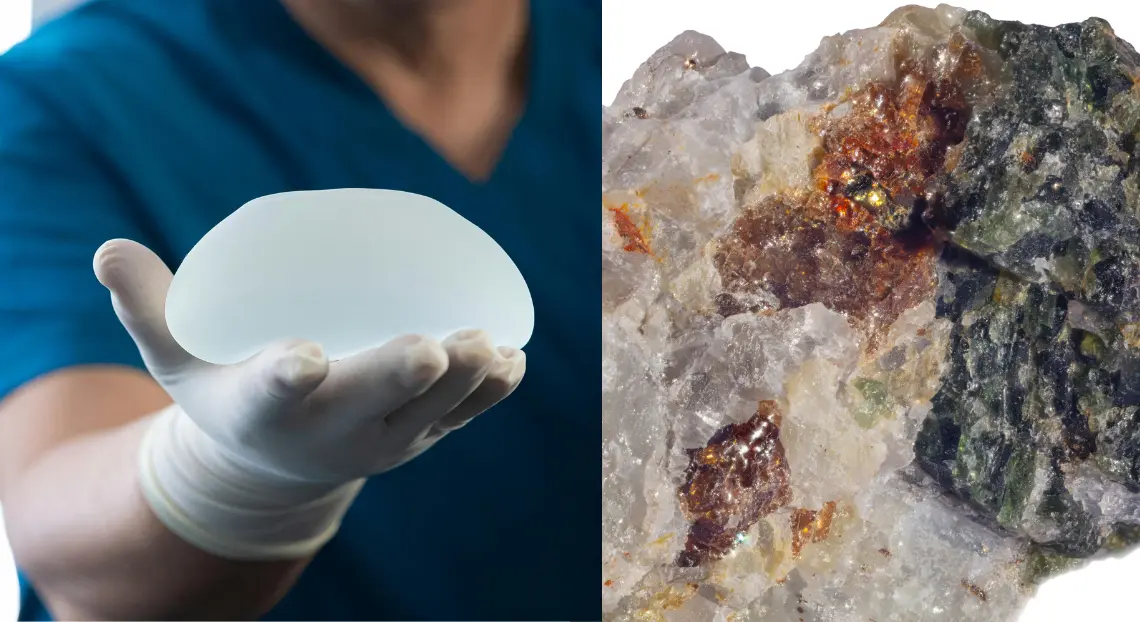
What is: Silica vs Silicon?
What is Silicon?
Silicon is a chemical element found in the Earth’s crust. It is one of the most abundant elements, but it is not found in pure form in nature. It usually exists combined with other elements, especially oxygen.
Its chemical symbol is Si. Silicon is a hard, grey solid and is classified as a metalloid, which means it has properties of both metals and non-metals. One of its most important properties is that it acts as a semiconductor, allowing it to control the flow of electricity.
Because of this property, silicon is widely used in electronic devices. It is the main material used in computer chips, processors, and solar panels. It is also used in making transistors and other electronic components.
What is Silica (Silicon Dioxide)?
Silica, also known as silicon dioxide, is a compound made from silicon and oxygen. Its chemical formula is SiO₂. It is one of the most common materials found in nature and is widely available.
Silica is usually seen as a white or colorless solid. It is found naturally in sand, quartz, and many types of rocks and minerals. Unlike silicon, silica is stable and commonly found in its natural form.
Silica is mainly used in industries like construction and manufacturing. It is an important material in glass making, cement, and ceramics. It is also used in small amounts in cosmetics and food products as a filler or anti-caking agent.
This makes the basic difference clear: silicon is a pure element mainly used in electronics, while silica is a natural compound widely used in construction and everyday materials.
Silica vs Silicon: Key Differences at a Glance
Silica and silicon are closely related but very different in their form, properties, and uses. The table below gives a quick and clear comparison.
| Feature | Silicon | Silica (SiO₂) |
| Type | Element | Compound |
| Composition | Only silicon atoms | Silicon and oxygen |
| Structure | Crystal structure of pure silicon | Network structure of Si and O |
| Physical form | Hard, grey solid | White or colorless solid |
| Occurrence | Not found freely in nature | Found in sand, quartz, rocks |
| Main uses | Electronics, solar panels | Glass, cement, ceramics |
Chemical Composition and Structure: Silica vs Silicon
Structure of Silicon (Pure Element)
Silicon is a pure chemical element made up of only silicon atoms. In its solid form, these atoms are arranged in a regular crystal structure. Each silicon atom is bonded to four other silicon atoms in a fixed pattern. This arrangement forms a strong and stable structure.
This crystal structure is very important for its electrical behavior. Silicon does not conduct electricity like metals, but it can control the flow of electric current. This property makes it useful as a semiconductor. Because of this, silicon is widely used in electronic devices such as chips and solar cells.
Structure of Silica (Silicon Dioxide)
Silica is a compound made of silicon and oxygen, with the chemical formula SiO₂. In silica, each silicon atom is bonded to four oxygen atoms, and each oxygen atom is shared between two silicon atoms. This creates a strong three-dimensional network structure.
This bonding makes silica very stable and hard. The structure is not like a simple crystal of one element. Instead, it forms a continuous network of silicon and oxygen atoms. This is why silica is commonly found in materials like quartz and sand.
How Structure Affects Properties?
The difference in structure between silicon and silica directly affects their properties. Silicon, being a pure element with a crystal structure, can control electrical conductivity. This is why it is used in electronics and semiconductor devices.
On the other hand, silica has a strong network structure due to bonding between silicon and oxygen. This makes it hard, chemically stable, and resistant to heat. However, it does not conduct electricity, which limits its use in electronic circuits.
In simple terms, silicon is useful for electrical applications, while silica is useful for strength, stability, and construction materials.
Physical Properties: Silica vs Silicon
Appearance and Physical Form
Silicon is a hard, grey solid with a metallic shine. It looks similar to a metal but is more brittle. In pure form, it has a clean and shiny surface. Silica, on the other hand, is usually white or colorless. It is commonly seen as sand or in crystal form like quartz. It does not have a metallic shine and often appears dull or glass-like.
Hardness and Strength
Silica is generally harder than silicon. This is because of its strong network structure formed by silicon and oxygen bonds. Quartz, a common form of silica, is known for its high hardness. Silicon is also hard but more brittle, which means it can break more easily under stress. Silica is widely used in construction materials because of its strength and durability.
Melting Point Comparison
Both silicon and silica have high melting points, but silica has a higher melting point. Silicon melts at around 1414°C, while silica melts at about 1700°C. The higher melting point of silica is due to its strong bonding structure. This makes silica suitable for high-temperature applications like glass and ceramics.
Electrical Conductivity
Silicon is a semiconductor, which means it can control the flow of electricity. Its conductivity can be adjusted, making it very useful in electronic devices. Silica does not conduct electricity. It acts as an insulator because it does not allow electric current to pass through. This limits its use in electronics but makes it useful for insulation.
Solubility in Water
Silicon is not soluble in water and does not react easily under normal conditions. Silica is also not soluble in water. However, in some chemical conditions, silica can slowly dissolve, especially in very fine forms. In general use, both materials are considered insoluble in water.
These physical differences make silicon suitable for electronics, while silica is more useful in construction and heat-resistant materials.
Natural Occurrence and Sources: Silica vs Silicon
Occurrence of Silicon in Nature
Silicon is one of the most abundant elements in the Earth’s crust, but it is not found in its pure form in nature. This is because silicon is highly reactive and easily combines with other elements, especially oxygen. As a result, free silicon is very rare.
In nature, silicon is mostly present in the form of compounds such as silicates and silica. To get pure silicon, it has to be extracted from these compounds through industrial processes. This is usually done by heating silica with carbon at very high temperatures. Because of this, pure silicon is considered a processed material rather than a naturally available one.
Occurrence of Silica in Nature
Silica is widely available in nature and is one of the most common compounds found on Earth. It exists naturally in many forms and does not require complex processing to be found. Silica is stable and remains in its natural form in many environments.
It is mainly found as sand, which is one of the most common materials on beaches and deserts. It also occurs in minerals like quartz, which is a hard and crystalline form of silica. Many types of rocks, such as granite and sandstone, contain a large amount of silica.
Common Natural Sources and Examples
Silica is present in everyday natural materials. Sand is the most common example, and it is widely used in construction and glass making. Quartz is another important source, often used in industrial and decorative applications. Silica is also found in clay, soil, and many types of rocks.
Since silicon is mainly obtained from silica, these natural sources are important for producing silicon used in industries. In simple terms, silica is directly available in nature, while silicon is extracted from silica for practical use.
Industrial and Daily Uses: Silica vs Silicon
Uses of Silicon in Industry and Technology
Silicon is mainly used in modern technology because of its semiconductor property. It plays a key role in electronics where control of electrical current is required. Most electronic devices such as computers, mobile phones, and televisions depend on silicon-based components.
Silicon is the main material used in making microchips and processors. These chips are the core of all digital devices. It is also widely used in solar panels to convert sunlight into electricity. In addition, silicon is used in making transistors, integrated circuits, and other electronic parts.
Apart from electronics, silicon is also used in alloys to improve strength and resistance in metals. It is used in some industrial materials, but its main importance remains in the technology sector.
Uses of Silica in Construction and Daily Life
Silica is widely used in construction and manufacturing because of its strength and stability. One of its main uses is in glass production. Sand, which is rich in silica, is melted and shaped to make different types of glass products.
Silica is also an important part of cement and concrete. It helps improve the strength and durability of buildings and structures. In ceramics, silica is used to make items like tiles, pottery, and sanitary ware.
In daily life, silica is also used in small amounts in products like toothpaste, cosmetics, and food items. It works as a filler or helps keep products dry and stable.
Silicon and silica are used in very different areas. Silicon is mainly used in electronics and energy-related applications where electrical control is needed. Silica is used in construction, manufacturing, and everyday products where strength and heat resistance are important.
In simple terms, silicon supports modern technology, while silica supports construction and daily-use materials.
Role in Electronics and Technology: Silica vs Silicon
Why Silicon is Used in Semiconductors?
Silicon is the base material for most electronic devices because it is a semiconductor. This means it can control the flow of electric current. Its conductivity is not fixed and can be changed by adding small amounts of other elements, a process called doping. This makes silicon very useful for switching and controlling electrical signals.
Another reason silicon is used is its stable crystal structure. It can handle heat and does not break down easily during device operation. It also forms a thin natural oxide layer on its surface, which helps in making electronic components. Because of these properties, silicon is used in microchips, transistors, and integrated circuits that power modern devices.
Why Silica is Not Used in Electronic Chips?
Silica does not have semiconductor properties. It does not allow the flow of electricity, so it cannot be used to control electrical signals. Its structure is made of strong bonds between silicon and oxygen, which makes it stable but non-conductive.
Since silica acts as an insulator, it cannot perform the active role needed in electronic circuits. It cannot switch or amplify signals like silicon does. This is why silica is not used as the main material in chips or processors.
Supporting Role of Silica in Electronics
Even though silica is not used to make chips, it still plays an important supporting role in electronics. It is used as an insulating material to protect and separate different parts of electronic circuits. This helps prevent unwanted flow of electricity.
Silica is also used in making glass for screens, optical fibers, and protective layers in electronic devices. Its heat resistance and stability make it useful in these areas. In simple terms, silicon is the working material in electronics, while silica supports and protects the system.
Safety and Health Effects: Silica vs Silicon
Safety of Silicon in Solid Form
Silicon in its solid form is generally safe to handle. It is stable and does not react easily under normal conditions. It is not toxic and does not pose serious health risks during regular use. This is why silicon is widely used in electronic devices and industrial materials.
However, during manufacturing or processing, silicon can be present as fine dust or powder. In such cases, proper handling is important. Breathing in any type of fine dust over a long time can affect the lungs. In normal daily use, solid silicon products do not create this risk.
Health Risks of Silica Dust
Silica is safe in solid form, such as in glass or stone. The main risk comes from very fine silica dust, especially in workplaces like construction, mining, or stone cutting. When this dust is inhaled over time, it can cause serious lung problems.
One of the most common health issues linked to silica dust is a lung disease called silicosis. This condition develops when tiny silica particles get trapped in the lungs and cause damage. Long-term exposure can also increase the risk of other breathing problems.
The risk mainly depends on how much dust is present and how long a person is exposed to it. Occasional or low exposure usually does not cause harm, but continuous exposure without protection can be dangerous.
Basic Safety Measures
Handling both silicon and silica safely depends on proper care during use. In industries where dust is created, workers should use protective equipment like masks and proper ventilation systems. Keeping dust levels low is very important.
In everyday products, both materials are generally safe because they are used in stable forms. The main concern is with dust during cutting, grinding, or processing. Simple precautions can help reduce health risks and ensure safe use.
Advantages and Limitations: Silica vs Silicon
Benefits and Limits of Silicon
Silicon has many advantages, especially in the field of electronics. Its most important benefit is its ability to act as a semiconductor. This allows it to control electrical current, which is required in devices like chips, processors, and solar panels. Silicon is also stable at high temperatures and forms a strong crystal structure, which makes it reliable for long-term use in technology.
Another advantage is that silicon is widely available through compounds like silica, so it can be produced on a large scale. It also supports modern digital systems, making it one of the most important materials in the tech industry.
However, silicon also has some limitations. It is brittle, which means it can break or crack under stress. It is not flexible, so it cannot be used in applications that require bending. Pure silicon also needs complex and high-cost processes to be extracted and refined. In addition, its performance has physical limits in very advanced electronic applications.
Benefits and Limits of Silica
Silica is known for its strength, stability, and wide availability. It is one of the most common materials found in nature, which makes it low cost and easy to use. Silica has a high melting point and strong resistance to heat, making it useful in glass, ceramics, and construction materials. It also provides durability and long life in buildings and industrial products.
Silica is chemically stable and does not react easily, which is useful in many applications. It is also safe in solid form and used in daily products.
On the downside, silica does not conduct electricity, so it cannot be used in electronic circuits. Another limitation is the risk of fine dust during processing, which can cause health issues if inhaled over time.
Silicon is best suited for electronics and advanced technology, while silica is more useful for construction, manufacturing, and daily-use materials. Each material has its own strengths based on its structure and properties.
Common Confusion Between Silica and Silicon
Why People Confuse Silica and Silicon?
Many people confuse silica and silicon because their names sound very similar. Both terms come from the same base word “silicon,” which makes it easy to think they are the same material. In reality, they are different in both form and use.
Another reason for confusion is that silica is made from silicon. Since silica contains silicon and oxygen, people often assume they are the same thing. Also, both are found in sand and rocks, which adds to the misunderstanding.
The confusion also comes from everyday language. For example, people may hear about “silicon chips” and “silica sand” but do not clearly understand the difference between the two. This leads to mixing up their meanings, especially for those who are not familiar with basic chemistry.
Clear Difference Between Silica and Silicon
Silicon is a pure chemical element, while silica is a compound made of silicon and oxygen. This is the most important difference. Silicon is mainly used in electronics because it can control electricity. Silica does not have this property and is used for materials like glass and cement.
Silicon is not found in pure form in nature, while silica is widely available as sand and minerals. Their structure is also different. Silicon has a crystal structure made of only silicon atoms, while silica has a strong network formed by silicon and oxygen atoms.
In simple terms, silicon is used for technology, and silica is used for construction and everyday materials. Understanding this basic difference helps avoid confusion and makes it easier to use the correct term in the right context.
Conclusion
Silica and silicon are closely related but serve very different purposes. Silicon is a pure element mainly used in electronics because it can control the flow of electricity. This makes it important for devices like chips, processors, and solar panels.
Silica, on the other hand, is a compound made of silicon and oxygen. It is widely found in nature as sand and minerals. It is mainly used in construction, glass making, and ceramics because of its strength and heat resistance.
The main difference comes from their structure and properties. Silicon supports modern technology, while silica is used in building materials and everyday products. Understanding this difference helps in choosing the right material for the right use.
Frequently Asked Questions (FAQs)
What is the main difference between silica and silicon?
Silicon is a chemical element, while silica is a compound made of silicon and oxygen.
Is silica the same as silicon?
No, silica and silicon are different. Silica contains silicon but also includes oxygen.
Where is silicon found in nature?
Silicon is not found in pure form. It is found combined with oxygen in compounds like silica.
Where is silica commonly found?
Silica is found in sand, quartz, rocks, and many natural minerals.
Why is silicon used in electronics?
Silicon can control the flow of electricity, which makes it useful in chips and electronic devices.
Can silica conduct electricity?
No, silica does not conduct electricity. It acts as an insulator.
Is silica safe to use?
Yes, silica is safe in solid form. Fine dust can be harmful if inhaled over time.
What are common uses of silica?
Silica is used in glass, cement, ceramics, and construction materials.
What are common uses of silicon?
Silicon is used in semiconductors, solar panels, and electronic components.
Why do people confuse silica and silicon?
They have similar names and are related, but they are different in structure and use.