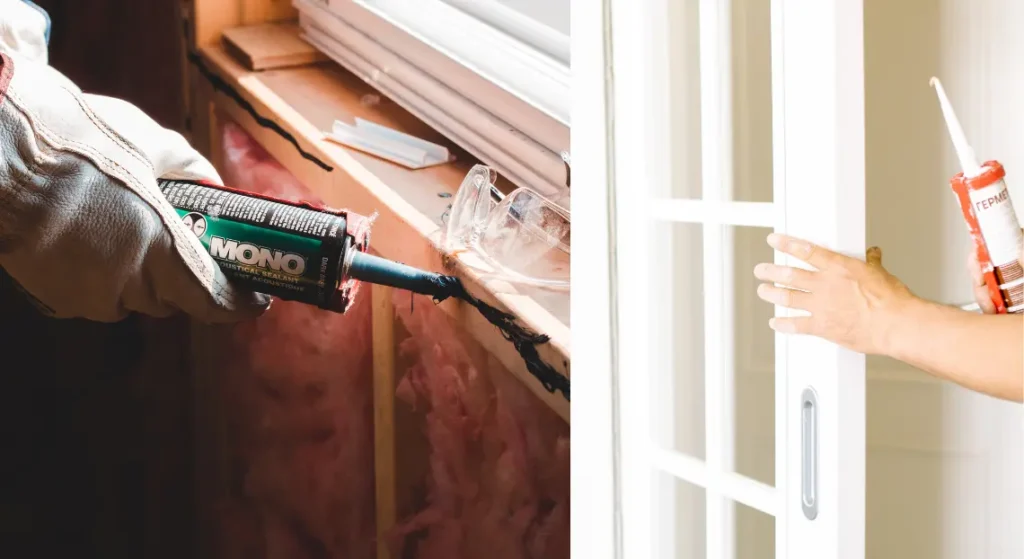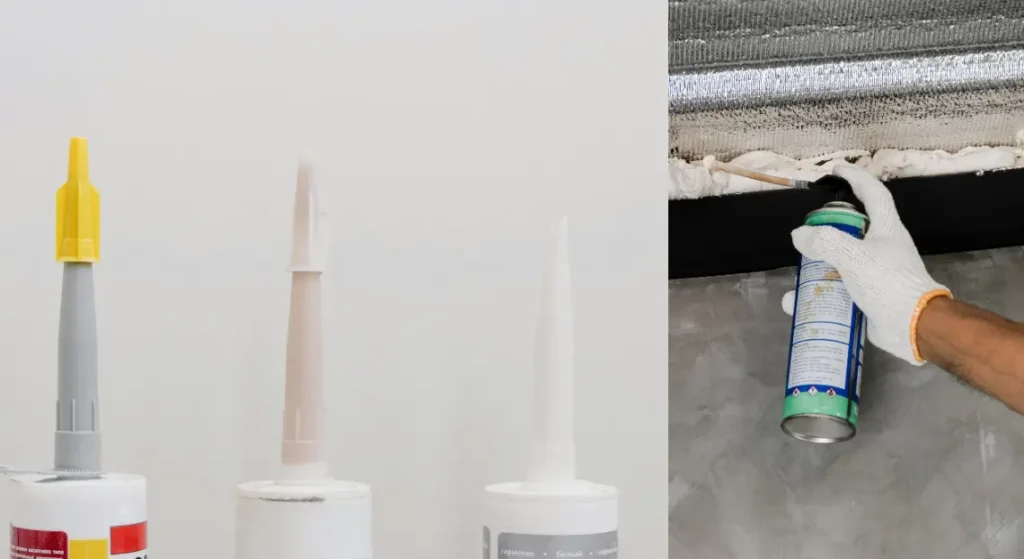


What Is Automotive Sealant?
Automotive sealant is a material used in vehicles to seal gaps, joints, and surfaces so that air, water, dust, and fluids cannot pass through. It forms a tight barrier between parts while staying flexible, which helps it handle heat, vibration, and movement inside a vehicle.
It is widely used because vehicles are exposed to changing temperatures, moisture, and chemicals like oil and coolant. Sealants help prevent leaks, protect parts from rust and damage, and improve the overall durability of components. They also reduce noise and vibration by filling small gaps between surfaces.
Automotive sealant is often confused with adhesive, but they are not the same. A sealant is mainly used to block the passage of liquids and air, while an adhesive is used to bond two surfaces together with strength. Some products can do both jobs, but sealants are chosen when sealing and flexibility are more important than holding strength.
Why Automotive Sealants Are Important in Vehicles?
Automotive sealants play a key role in keeping a vehicle safe, clean, and long-lasting. They are used in many parts of a car to close small gaps and joints that can cause problems over time. Without proper sealing, even a small opening can lead to leaks, damage, and reduced performance.
Prevents Oil, Coolant, and Water Leaks
One of the main uses of automotive sealants is to stop leaks. In areas like the engine, even a small leak of oil or coolant can cause serious damage. Sealants create a tight barrier that keeps these fluids inside the system. They are also used around windshields and doors to stop rainwater from entering the vehicle.
Blocks Dust, Air, and Moisture
Vehicles are always exposed to dust, air, and moisture from the outside. Sealants help block these elements from entering important parts of the car. This keeps the interior clean and protects metal parts from rust and corrosion. It also helps electrical parts stay dry and work properly.
Reduces Noise and Vibration
Sealants help fill small gaps between parts, which reduces unwanted movement. This helps lower noise and vibration while driving. As a result, the ride becomes smoother and more comfortable. It also reduces wear and tear on connected parts.
Improves Durability and Part Life
By sealing and protecting different components, automotive sealants help increase the life of parts. They prevent damage caused by leaks, moisture, and dirt. This means fewer repairs and better performance over time.
Common Applications of Automotive Sealants
Automotive sealants are used in many parts of a vehicle to stop leaks and protect components from damage. They are applied in areas where two surfaces meet or where small gaps can allow fluids, air, or moisture to pass through.
Engine Sealing in Gaskets and Covers
Sealants are widely used in engine parts such as oil pans, valve covers, and gaskets. These areas handle high temperature and pressure, so a strong and heat-resistant seal is needed. The sealant fills small gaps between metal surfaces and prevents oil or coolant from leaking out. This helps the engine run smoothly and avoids damage caused by fluid loss.
Windshield and Glass Bonding
Sealants are used to fix and seal windshields and other glass parts. They hold the glass in place and create a waterproof seal around the edges. This prevents rainwater, dust, and air from entering the vehicle. A proper seal also adds strength to the vehicle body and improves safety.
Door Panels and Body Joints Sealing
Sealants are applied in door panels, roof joints, and other body parts to close small gaps. These areas are exposed to rain, dust, and changing weather. The sealant keeps water and dirt out, which helps prevent rust and keeps the interior clean and dry.
Headlights and Taillights Protection
Sealants are used around headlights and taillights to keep moisture out. If water enters these parts, it can cause fogging or damage to bulbs and wiring. A good seal keeps these components clear and working properly.
Electrical Connections and Wiring Safety
Sealants are also used to protect electrical connections and wiring. They block moisture and dirt, which can cause short circuits or failure. This helps the vehicle’s electrical system stay safe and reliable.
Types of Automotive Sealants
Different types of automotive sealants are used based on the area, temperature, and purpose. Each type has its own features and works best in specific conditions.
Silicone Sealants for High Temperature Areas
Silicone sealants are known for their strong heat resistance and flexibility. They can handle very high temperatures without breaking or cracking. This makes them suitable for engine parts such as valve covers, oil pans, and timing covers. They also resist moisture and weather, so they are used in both interior and exterior areas where flexibility is needed.
Polyurethane Sealants for Strong Bonding and Sealing
Polyurethane sealants provide strong adhesion along with good flexibility. They are widely used for windshield installation and body panel sealing. These sealants create a tight and durable bond that can handle vibration and movement. They also offer good resistance to water, chemicals, and weather, which makes them suitable for long-term use in vehicle bodies.
Anaerobic Sealants for Metal-to-Metal Joints
Anaerobic sealants are designed for use between metal surfaces where there is little or no air. They cure only when placed between two metal parts. This makes them ideal for sealing flanges, gearboxes, and threaded connections. They provide a strong seal that prevents oil leaks and works well under pressure.
Butyl Sealants for Flexible Waterproof Sealing
Butyl sealants stay soft and flexible even after application. They are mainly used where a waterproof seal is needed but strong bonding is not required. Common uses include sealing windshields, door panels, and lighting components. They are effective in blocking water and air, but they are not suitable for high-temperature engine areas.
Key Properties of Automotive Sealants
Automotive sealants are designed to work in tough conditions inside and outside a vehicle. Their performance depends on a few important properties that help them seal joints properly and last for a long time.
Heat Resistance for High Temperature Areas
Automotive parts, especially in the engine area, face very high temperatures. A good sealant must handle heat without melting, cracking, or losing its sealing ability. Many sealants can work in temperatures above 150°C and even higher in some cases. This helps them stay stable in engine components and prevents leaks caused by heat damage.
Flexibility to Handle Movement and Vibration
Vehicles are always in motion, and parts expand and contract due to temperature changes. Sealants must stay flexible so they can move with the parts without breaking. Flexible sealants can stretch and return to their original shape, which helps maintain a tight seal even under vibration and pressure. This property is important for long-term performance.
Chemical Resistance to Fluids and Oils
Automotive sealants often come in contact with oil, fuel, coolant, and other chemicals. A good sealant should resist these substances without swelling, softening, or breaking down. This helps prevent leaks and keeps the seal strong over time, even in harsh chemical environments.
Strong Adhesion for Tight Sealing
Adhesion is the ability of the sealant to stick to surfaces like metal, glass, or plastic. Strong adhesion ensures that the sealant stays in place and blocks gaps completely. Without proper adhesion, the seal can fail and allow fluids or air to pass through.
Weather Resistance for Long-Term Protection
Vehicles are exposed to sunlight, rain, dust, and changing weather. Sealants must resist UV rays, moisture, and temperature changes. Good weather resistance prevents cracking, drying, or damage, which helps the seal last longer and protect vehicle parts effectively.
Automotive Sealant vs Automotive Adhesive
Automotive sealants and adhesives are often used in similar areas, but they serve different purposes. Choosing the right one is important for proper performance and long-term results.
Key Difference Between Sealant and Adhesive
The main difference is their purpose. Sealants are used to close gaps and stop the flow of water, air, dust, and fluids. Adhesives are used to join two surfaces together with strong bonding. Sealants are usually flexible and can handle movement, while adhesives are stronger and more rigid. Sealants focus on sealing, while adhesives focus on holding parts together.
Sealants also have lower bonding strength compared to adhesives, but they are better at filling gaps and handling vibration. Adhesives provide high strength and are used where parts must stay fixed under load or stress.
When to Use Automotive Sealant?
Automotive sealant is used when the main goal is to prevent leaks and protect parts from moisture or dirt. It is suitable for areas like engine joints, door panels, windshields, and light assemblies. In these areas, flexibility is important because parts expand, contract, and vibrate during use. Sealants fill small gaps and create a barrier that keeps fluids and air from passing through.
Sealants are also useful where surfaces are not perfectly flat. They adjust to small uneven spaces and maintain a tight seal over time.
When to Use Automotive Adhesive?
Automotive adhesive is used when strong bonding is required. It is suitable for attaching parts like panels, trims, or structural components where strength is important. Adhesives hold surfaces together firmly and can handle stress, weight, and pressure.
They are used in areas where parts should not move or separate. In many cases, adhesives replace mechanical fasteners like screws or bolts because they provide a clean and strong bond.
In simple terms, use a sealant to block and protect, and use an adhesive to bond and hold parts together.
How to Choose the Right Automotive Sealant?
Choosing the right automotive sealant is important for proper sealing and long-term performance. The wrong choice can lead to leaks, damage, and early failure. A few key factors should always be considered before selecting a sealant.
Choose Based on Application Area
The first step is to understand where the sealant will be used. Different parts of a vehicle need different types of sealants. For example, engine components need heat-resistant sealants, while doors and windows need flexible and waterproof sealants. Each type is designed for a specific job, so matching the sealant to the application is important for proper performance.
Check Temperature Requirements
Temperature plays a major role in sealant performance. Some areas of a vehicle, like the engine, can reach very high temperatures, while exterior parts face both heat and cold. A sealant must handle these temperature changes without cracking, melting, or losing strength. If the temperature rating is too low, the seal can fail over time.
Ensure Material Compatibility
Sealants must work well with the materials they are applied to, such as metal, glass, plastic, or rubber. If the sealant is not compatible, it may not stick properly or may break down after some time. Proper compatibility helps maintain a strong seal and prevents issues like swelling, hardening, or gaps.
Consider Exposure to Chemicals and Weather
Automotive sealants are often exposed to oil, fuel, coolant, water, and outdoor weather. A good sealant should resist these conditions without damage. Chemical exposure can weaken some sealants, while sunlight and moisture can cause cracking or wear. Choosing a sealant with good resistance ensures longer life and better protection.
In simple terms, the right sealant should match the job, handle the temperature, stick well to the surface, and resist the environment where it is used.
Common Mistakes to Avoid When Using Automotive Sealant
Using automotive sealant may look simple, but small mistakes can lead to leaks, weak sealing, and early failure. Proper use is important to get a strong and long-lasting seal.
Using the Wrong Type of Sealant
One common mistake is choosing the wrong sealant for the job. Each sealant is designed for a specific use, such as high temperature, waterproofing, or strong bonding. Using the wrong type can lead to poor performance. For example, a sealant not made for heat may crack or fail in engine areas. Always match the sealant with the application to avoid problems.
Applying Sealant on Dirty or Wet Surfaces
Surface preparation is one of the most important steps. Applying sealant on dirty, oily, or wet surfaces reduces its ability to stick. Dust, grease, and moisture can block proper bonding and lead to leaks. Studies and industry data show that many sealant failures happen due to poor surface cleaning.
Cleaning and drying the surface properly helps the sealant bond well and last longer.
Using Too Much or Too Little Sealant
Applying the right amount of sealant is important. Too much sealant can create a messy finish, delay curing, and even block small passages in engine parts. Too little sealant may not fully seal the gap, leading to leaks. A controlled and even application gives the best results and ensures proper sealing.
Ignoring Proper Curing Time
Curing time is the time needed for the sealant to fully set and gain strength. Using the vehicle or exposing the seal too early can weaken the bond. In some cases, the sealant may remain soft or fail completely if not given enough time. Temperature, humidity, and thickness of the sealant can affect curing time.
In simple terms, correct product selection, clean surfaces, proper application, and enough curing time are key to avoiding common sealant problems.
Advantages and Limitations of Automotive Sealants
Automotive sealants are widely used because they offer strong protection and sealing performance. At the same time, they also have some limitations that should be understood before use. Knowing both helps in using them correctly and getting better results.
Advantages of Automotive Sealants
Automotive sealants provide effective protection against leaks, moisture, and external elements. They create a tight seal that blocks water, air, and dust from entering vehicle parts. This helps in preventing damage and keeping components safe over time. Many sealants are also flexible, which allows them to handle vibration and movement without cracking. This is important in vehicles where parts are always under stress and motion.
Another major advantage is durability. Good quality sealants can last for a long time without losing their performance. They resist heat, chemicals, and weather conditions, which makes them suitable for both engine and exterior use. Sealants also help reduce noise and vibration, which improves driving comfort.
Sealants are also easy to apply in most cases and can fill small gaps and uneven surfaces. This makes them useful in many automotive applications where perfect surface fitting is not possible. Overall, they improve the life and reliability of vehicle parts.
Limitations of Automotive Sealants
Despite their benefits, automotive sealants have some limitations. One common issue is that they require proper surface preparation. If the surface is not clean and dry, the sealant may not stick properly and can fail early.
Curing time is another limitation. Many sealants take time to fully set, and using the vehicle before full curing can weaken the seal. Some sealants may also not perform well under extreme temperatures or long exposure to sunlight, which can lead to cracking or loss of flexibility over time.
In addition, sealants usually have lower bonding strength compared to adhesives. This means they are not suitable for applications where strong structural bonding is required.
Conclusion
Automotive sealant is an important material used to seal gaps, prevent leaks, and protect different parts of a vehicle. It helps keep oil, coolant, water, dust, and air from entering or escaping, which improves the overall performance and safety of the vehicle.
Different types of sealants are used for different purposes, such as engine sealing, glass bonding, and body joints. Each type has its own features, so choosing the right one based on the application, temperature, and material is very important. Proper use also matters, including clean surface preparation, correct application, and allowing enough curing time.
Automotive sealants offer many benefits like flexibility, durability, and resistance to heat, chemicals, and weather. At the same time, they need to be used correctly to avoid common problems.
In simple terms, using the right automotive sealant in the right way helps prevent damage, reduces maintenance, and increases the life of vehicle parts.
Frequently Asked Questions (FAQs)
What is automotive sealant used for?
Automotive sealant is used to seal gaps and joints in a vehicle. It helps prevent leaks of oil, coolant, water, and also blocks dust and air.
Is automotive sealant the same as adhesive?
No, they are different. Sealant is used to block leaks, while adhesive is used to bond parts together with strength.
Where is automotive sealant commonly applied?
It is used in engine parts, windshields, doors, body joints, lights, and electrical connections.
Can automotive sealant handle high temperatures?
Yes, some sealants like silicone are made for high-temperature areas such as engines and exhaust parts.
How long does automotive sealant take to cure?
Curing time depends on the type of sealant. It can take a few hours to 24 hours or more to fully set.
Can I use one sealant for all automotive applications?
No, different areas need different types of sealants. Always choose based on the specific use.
What happens if sealant is applied on a dirty surface?
It may not stick properly and can lead to leaks or early failure.
Is automotive sealant waterproof?
Most automotive sealants are waterproof and are used to stop water from entering the vehicle.
Can sealant replace a gasket?
In some cases, yes. Certain sealants are designed to replace or support gaskets in engine parts.
How do I remove old automotive sealant?
Old sealant can be removed by scraping it off and cleaning the surface with a suitable cleaner before applying new sealant.