
What Is Sodium Glucoheptonate?
Sodium glucoheptonate is a water-soluble ingredient mainly used as a chelating agent in cosmetics, personal care products, cleaning products, and industrial formulations. It is the sodium salt of glucoheptonic acid, a compound derived from glucose. The ingredient is valued for its ability to bind metal ions such as calcium, iron, and magnesium, which can affect the stability and performance of many products.
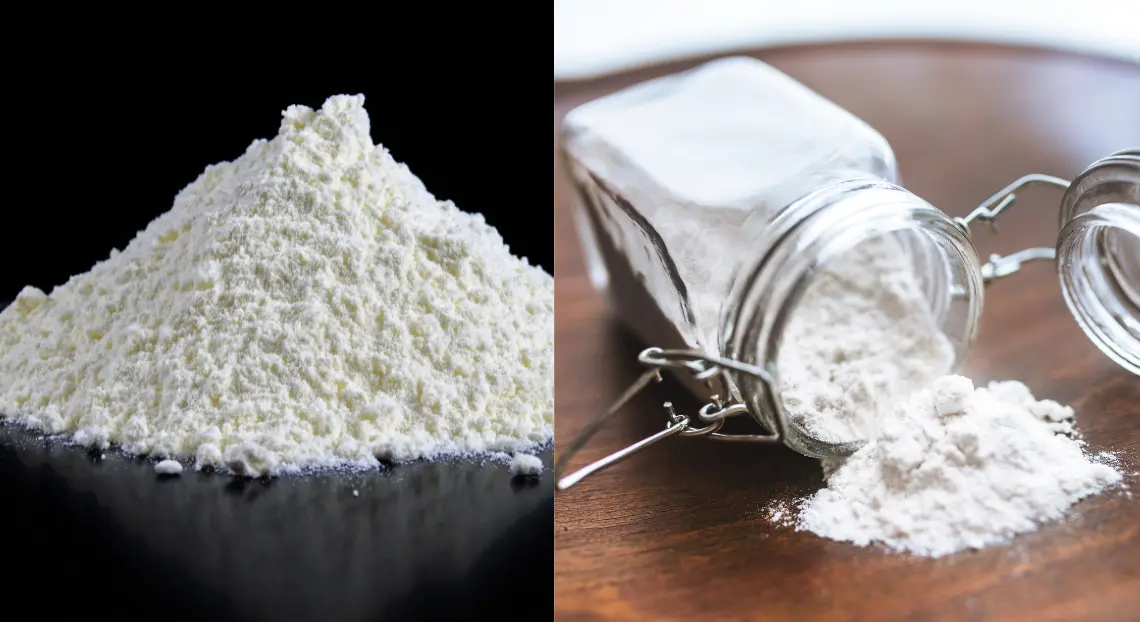
Chemically, sodium glucoheptonate belongs to the family of organic acid salts. It appears as a clear liquid or white powder and dissolves easily in water. Because of its strong compatibility with water-based formulations, it is commonly added to shampoos, face cleansers, detergents, soaps, and household cleaning products.
Sodium glucoheptonate is produced through the oxidation of glucose obtained from plant-based sources such as corn. After oxidation, the resulting acid is neutralized with sodium to form sodium glucoheptonate. This process makes it a naturally derived ingredient often used in eco-friendly and biodegradable formulations.
It is considered a chelating agent because it can capture and hold metal ions present in water or product formulations. These metal ions can reduce product effectiveness, cause discoloration, affect texture, or weaken preservatives. By binding these metals, sodium glucoheptonate helps maintain product stability, improve cleaning performance, and extend shelf life.
Chemical Properties of Sodium Glucoheptonate
Sodium glucoheptonate is known for its strong water solubility, good stability, and ability to work well with many ingredients. These properties make it useful in cosmetics, personal care products, detergents, and industrial formulations.
Water Solubility of Sodium Glucoheptonate
Sodium glucoheptonate dissolves easily in water. This helps it mix smoothly into liquid and water-based products without leaving residue or affecting texture. Because of its high water solubility, it is commonly used in shampoos, facial cleansers, liquid soaps, detergents, and cleaning solutions. It also works well in hard water conditions where minerals are present in large amounts.
pH Stability in Formulations
One important property of sodium glucoheptonate is its good pH stability. It remains effective in different pH ranges, which allows manufacturers to use it in many types of formulations. It helps maintain the stability and performance of products during storage and regular use. This is especially important in skincare products, soaps, and household cleaners that require stable ingredients for a longer shelf life.
Biodegradable and Eco-Friendly Nature
Sodium glucoheptonate is considered biodegradable because it can break down naturally in the environment over time. It is often used as an eco-friendly alternative to some traditional chelating agents. Since it is derived from glucose, many brands include it in products designed for sustainable and environmentally responsible formulations.
Compatibility With Other Ingredients
Sodium glucoheptonate works well with many cosmetic and cleaning ingredients. It is compatible with surfactants, preservatives, conditioning agents, and cleansing ingredients. This makes it easy to include in different types of products without causing instability or separation problems.
Metal-Binding Properties
The main function of sodium glucoheptonate is its ability to bind metal ions such as calcium, iron, and magnesium. These metals can reduce product quality and effectiveness. By controlling these ions, sodium glucoheptonate helps improve product stability, maintain color and texture, and support better cleaning performance.
What Does Sodium Glucoheptonate Do?
Sodium glucoheptonate is mainly used to improve the stability, performance, and quality of cosmetic, personal care, and cleaning products. It works by controlling metal ions that can affect how a product looks and performs over time. Because of this, it is widely used in shampoos, soaps, detergents, skincare products, and industrial cleaners.
Helps Control Metal Ions
The main role of sodium glucoheptonate is to bind metal ions such as calcium, iron, copper, and magnesium. These minerals are commonly found in water and raw materials used in product manufacturing. When metal ions remain uncontrolled, they can reduce the effectiveness of ingredients and cause products to break down faster. Sodium glucoheptonate captures these metals and helps prevent these problems.
Improves Product Stability
Sodium glucoheptonate helps products remain stable during storage and daily use. It supports the texture, color, and overall quality of formulations by reducing unwanted chemical reactions caused by metal ions. This is important in products such as lotions, shampoos, liquid soaps, and detergents that need a long shelf life.
Prevents Discoloration in Products
Metal contamination can sometimes cause products to change color over time. Sodium glucoheptonate helps prevent discoloration by reducing the reaction between metal ions and other ingredients. This helps products maintain their original appearance and keeps formulas looking fresh and clean.
Supports Preservative Performance
Preservatives work better when metal ions are controlled. Sodium glucoheptonate helps improve preservative effectiveness by reducing the interference caused by minerals and metals. This supports better product protection against spoilage and contamination.
Improves Cleaning in Hard Water
Hard water contains high levels of calcium and magnesium that can reduce cleaning performance. Sodium glucoheptonate softens the effect of hard water by binding these minerals. This helps soaps, shampoos, and detergents clean more effectively and produce better foam and rinsing performance.
Functions of Sodium Glucoheptonate in Cosmetics and Personal Care Products
Sodium glucoheptonate is widely used in cosmetics and personal care products because it helps improve product quality, stability, and performance. It is commonly found in shampoos, face cleansers, body washes, soaps, lotions, and skincare products. Its main role is to support formulations and help products work properly for a longer time.
Works as a Chelating Agent
One of the most important functions of sodium glucoheptonate is its role as a chelating agent. It binds metal ions such as calcium, magnesium, and iron that are present in water and raw materials. These metals can reduce product quality and affect how ingredients perform. By controlling these metal ions, sodium glucoheptonate helps products remain stable and effective.
Helps Stabilize Cosmetic Formulas
Sodium glucoheptonate helps maintain the stability of cosmetic and personal care products. It reduces unwanted chemical reactions that can change the texture, color, or smell of formulations over time. This helps products maintain their original quality during storage and daily use.
Supports Preservative Effectiveness
Preservatives protect products from bacteria, mold, and contamination. Metal ions can weaken preservative systems and reduce their performance. Sodium glucoheptonate helps preservatives work more effectively by reducing the impact of these metals. This helps improve product safety and shelf life.
Improves Performance in Hard Water
Hard water contains minerals that can reduce foam and cleansing performance. Sodium glucoheptonate acts as a water softener by binding these minerals. This allows shampoos, soaps, and cleansers to clean more effectively and rinse better from the skin and hair.
Helps Condition Skin and Hair
Sodium glucoheptonate can also support smoother product performance on the skin and hair. By improving formula stability and reducing mineral interference, it helps personal care products feel cleaner, softer, and easier to use. This is especially useful in hair care and cleansing products used with hard water.
Common Uses of Sodium Glucoheptonate
Sodium glucoheptonate is used in many cosmetic, personal care, cleaning, and industrial products. Its ability to control metal ions and improve product stability makes it useful in both household and commercial formulations. It is commonly added to products that need better performance, longer shelf life, and improved stability in hard water conditions.
Uses in Skincare Products
In skincare products, sodium glucoheptonate helps maintain product quality and effectiveness. It is commonly found in face cleansers, creams, lotions, serums, and body washes. It helps prevent ingredients from breaking down due to metal contamination and supports better preservative performance. This helps skincare products remain stable, safe, and effective during regular use.
Uses in Hair Care Products
Sodium glucoheptonate is widely used in shampoos, conditioners, and hair masks. In hair care products, it helps improve cleansing performance, especially in hard water. It also helps maintain the stability of formulas and prevents mineral buildup that can affect hair texture. This supports softer, cleaner, and smoother-feeling hair after washing.
Uses in Soap and Cleansing Products
Many liquid soaps, hand washes, and facial cleansers contain sodium glucoheptonate. It helps soaps and cleansers foam better and rinse more effectively in mineral-rich water. It also helps maintain the color, texture, and overall quality of cleansing products over time.
Uses in Household Cleaning Products
In household cleaners, sodium glucoheptonate improves cleaning efficiency by controlling calcium and magnesium found in hard water. It is commonly used in laundry detergents, dishwashing liquids, and surface cleaners. By softening the effect of hard water, it helps detergents clean more effectively and reduces residue on surfaces and fabrics.
Industrial Uses of Sodium Glucoheptonate
Sodium glucoheptonate is also used in industrial applications such as water treatment, concrete additives, and metal cleaning products. In these industries, it helps control metal ions, improve cleaning performance, and support better stability in different chemical formulations.
Benefits of Sodium Glucoheptonate
Sodium glucoheptonate offers several benefits in cosmetics, personal care products, cleaning products, and industrial formulations. It is mainly used to improve product stability, support cleaning performance, and control the effects of metal ions found in water and raw materials. Because of its versatile properties, it is widely used in modern formulations.
Helps Products Stay Stable Longer
One of the main benefits of sodium glucoheptonate is its ability to improve product stability. Metal ions such as iron, calcium, and magnesium can react with ingredients and reduce product quality over time. Sodium glucoheptonate binds these metals and helps prevent unwanted chemical reactions. This helps products maintain their effectiveness, texture, and shelf life for a longer period.
Improves Overall Product Performance
Sodium glucoheptonate helps many ingredients work more effectively. In personal care and cleaning products, it supports better cleansing, foaming, and rinsing performance. It also helps improve the overall consistency and quality of formulations by reducing ingredient breakdown caused by metal contamination.
Works Well in Hard Water
Hard water contains high amounts of minerals that can reduce the performance of soaps, shampoos, and detergents. Sodium glucoheptonate helps soften the effects of hard water by binding calcium and magnesium ions. This allows products to clean more effectively and reduces residue left on skin, hair, fabrics, and surfaces.
Helps Maintain Product Color and Texture
Metal ions can sometimes cause products to change color, separate, or lose their smooth texture. Sodium glucoheptonate helps prevent these problems by improving formula stability. This helps products maintain a fresh appearance and consistent texture during storage and use.
Supports Eco-Friendly Formulations
Sodium glucoheptonate is considered a biodegradable and naturally derived ingredient. It is often used as a more environmentally friendly alternative to some traditional chelating agents such as EDTA. Because of this, many brands include it in sustainable and eco-conscious formulations.
Is Sodium Glucoheptonate Safe?
Sodium glucoheptonate is generally considered safe when used in cosmetics, personal care products, and cleaning formulations at normal concentrations. It is widely used in shampoos, face cleansers, soaps, detergents, and industrial products because of its low toxicity and good safety profile. Most people can use products containing sodium glucoheptonate without problems.
General Safety of Sodium Glucoheptonate
Sodium glucoheptonate is mainly used to control metal ions and improve product stability. It is considered a low-risk ingredient in properly formulated products. It does not have a strong record of causing serious health concerns when used as intended. Because of this, manufacturers commonly use it in both household and cosmetic formulations.
Skin Safety in Personal Care Products
In skincare and hair care products, sodium glucoheptonate is generally considered safe for the skin. It is usually non-irritating when used in small amounts in finished formulations. It is commonly found in products such as shampoos, facial cleansers, lotions, and body washes. Most users do not experience skin sensitivity from this ingredient under normal use conditions.
Eye Irritation in Concentrated Form
Although sodium glucoheptonate is considered mild, concentrated forms may cause temporary eye irritation if direct contact occurs. This is common with many cosmetic and cleaning ingredients used in concentrated solutions. Products containing sodium glucoheptonate should be used as directed, and contact with the eyes should be avoided.
Safety in Cosmetics and Cleaning Products
Sodium glucoheptonate is used in many cosmetic and cleaning products because it helps improve formula performance without adding major safety concerns. It is considered stable, water-soluble, and compatible with many common ingredients used in personal care and household products.
Regulatory and Industry Acceptance
Sodium glucoheptonate is accepted for use in various industries, including cosmetics, household cleaning, and industrial applications. It is commonly used by manufacturers looking for biodegradable and effective chelating agents in modern formulations.
Is Sodium Glucoheptonate Natural?
Sodium glucoheptonate is not considered a fully natural ingredient in its final form, but it is classified as a naturally derived compound. It comes from natural raw materials and goes through a controlled chemical process to become useful in cosmetic, cleaning, and industrial products. Because of this origin, it is often used in eco-friendly and biodegradable formulations.
Natural Source of Sodium Glucoheptonate
The starting material for sodium glucoheptonate is glucose. Glucose is a natural sugar found in plants. It is commonly extracted from sources like corn or other plant-based materials. Since the base material comes from nature, sodium glucoheptonate is linked to natural origins even though it is later processed.
Plant-Derived Glucose as a Base Material
Glucose used for making sodium glucoheptonate is usually obtained from plant starch. This makes the ingredient renewable and plant-based. The use of plant-derived glucose is one of the reasons it is often included in formulations that focus on sustainability and biodegradable ingredients.
Manufacturing Process of Sodium Glucoheptonate
Sodium glucoheptonate is made through a chemical process where glucose is oxidized to form glucoheptonic acid. After this step, the acid is neutralized using sodium compounds to produce sodium glucoheptonate. This process changes the structure of glucose so it can work as a chelating agent in different products. Even though it involves processing, the raw material remains plant-based.
Difference Between Natural and Naturally Derived Ingredients
A natural ingredient is used in its original form without chemical change. A naturally derived ingredient starts from natural sources but goes through processing to improve its function. Sodium glucoheptonate falls into the second category. It is not used directly from nature, but it is created from plant-based glucose through controlled processing. This makes it suitable for modern cosmetic and cleaning formulations that require both performance and eco-friendly properties.
Sodium Glucoheptonate in Skincare Products
Sodium glucoheptonate is commonly used in skincare products to improve stability, safety, and overall performance. It is found in face cleansers, moisturizers, serums, and body care products. Its main role is to control metal ions in water and formulations, which helps maintain product quality over time.
How Sodium Glucoheptonate Supports Skincare Products?
In skincare, sodium glucoheptonate helps keep formulations stable and consistent. It binds metal ions such as iron and calcium that can come from water or raw materials. These metals can affect texture, color, and performance of skincare products. By controlling them, sodium glucoheptonate helps products stay fresh and effective during use and storage.
Benefits for Sensitive Skin Formulations
Sodium glucoheptonate is generally considered mild and non-irritating when used in finished skincare products. It is often included in formulations designed for sensitive skin because it does not directly act on the skin barrier. Instead, it works behind the scenes to improve product stability. This helps reduce the chances of product breakdown that could affect skin comfort.
Role in Preservative Stability
Preservatives are important in skincare to prevent bacterial growth and spoilage. However, metal ions can reduce the effectiveness of preservatives. Sodium glucoheptonate helps improve preservative performance by binding these metals. This supports better product protection and helps extend shelf life without affecting the formula’s balance.
Does Sodium Glucoheptonate Clog Pores?
Sodium glucoheptonate is not considered a pore-clogging ingredient. It is water-soluble and used in very small amounts in formulations. It does not leave a heavy or oily layer on the skin. Because of this, it is generally safe for acne-prone and oily skin types when included in properly formulated skincare products.
Sodium Glucoheptonate in Hair Care Products
Sodium glucoheptonate is used in hair care products to improve cleaning performance, product stability, and overall hair feel. It is commonly found in shampoos, conditioners, and hair masks. Its main role is to control metal ions in water, which can affect how hair products work.
Benefits in Shampoo and Conditioner Formulas
In shampoos and conditioners, sodium glucoheptonate helps improve formula stability and performance. It reduces the impact of metal ions found in water and raw ingredients. This allows cleansing agents and conditioning agents to work more effectively. As a result, shampoos clean better and conditioners provide smoother results.
Effect on Hair Texture and Feel
Sodium glucoheptonate does not directly change hair structure, but it improves how products interact with hair. By reducing mineral interference, it helps hair feel softer, smoother, and more manageable after washing. It also supports better rinsing, which can reduce rough or sticky feeling caused by hard water or product residue.
Role in Hard Water Protection for Hair
Hard water contains minerals like calcium and magnesium that can build up on hair. This can make hair look dull, dry, or heavy. Sodium glucoheptonate helps bind these minerals and reduce their effect. This allows shampoos and conditioners to work more effectively even in hard water conditions, helping maintain cleaner and lighter-feeling hair.
Does Sodium Glucoheptonate Cause Buildup?
Sodium glucoheptonate is water-soluble and used in very small amounts in hair care products. It does not stay on the hair or form a coating. Instead, it is rinsed away easily during washing. Because of this, it is not considered a buildup-causing ingredient and is safe for regular use in hair care routines.
Sodium Glucoheptonate in Cleaning Products
Sodium glucoheptonate is widely used in household and industrial cleaning products because it improves cleaning efficiency and helps products work better in different water conditions. It is commonly found in laundry detergents, dishwashing liquids, and surface cleaners. Its main function is to control metal ions that affect cleaning performance.
Why Sodium Glucoheptonate Is Used in Detergents?
Detergents need to work in different water conditions, including hard water. Sodium glucoheptonate is added to help detergents perform consistently. It binds minerals like calcium and magnesium that are present in water. These minerals can reduce the effectiveness of cleaning agents, so controlling them is important for better results.
How It Improves Cleaning Performance?
Sodium glucoheptonate helps cleaning ingredients work more efficiently. When metal ions are controlled, surfactants in detergents can remove dirt, grease, and stains more effectively. It also helps improve foam quality and rinsing, making cleaning products more reliable for daily use.
Hard Water Control Benefits in Cleaning
Hard water is one of the main challenges in cleaning. It can cause soap scum, reduce foam, and leave residue on clothes, dishes, and surfaces. Sodium glucoheptonate helps soften the effect of hard water by binding calcium and magnesium ions. This improves washing performance and reduces leftover deposits after cleaning.
Role in Eco-Friendly Cleaning Formulations
Sodium glucoheptonate is considered a biodegradable and more environmentally friendly chelating agent. Because of this, it is often used in green cleaning products that aim to reduce environmental impact. It helps replace stronger synthetic chelators in some formulations while still maintaining good cleaning efficiency and product stability.
Sodium Glucoheptonate vs EDTA
Sodium glucoheptonate and EDTA are both used as chelating agents, but they differ in source, performance, and environmental impact. Both ingredients are used in cosmetics, cleaning products, and industrial formulations to control metal ions that can reduce product stability and effectiveness.
Key Differences Between Sodium Glucoheptonate and EDTA
EDTA is a strong synthetic chelating agent widely used in many industrial and personal care products. Sodium glucoheptonate is a milder, plant-derived alternative made from glucose. EDTA has a higher ability to bind metal ions, but sodium glucoheptonate is often preferred in formulations focused on biodegradability and environmental safety. EDTA is more persistent in the environment, while sodium glucoheptonate breaks down more easily.
Which One Is More Eco-Friendly?
Sodium glucoheptonate is generally considered more eco-friendly than EDTA. It is biodegradable and comes from plant-based raw materials like glucose. EDTA, on the other hand, is slow to degrade and can remain in water systems for a longer time. Because of this, many brands moving toward sustainable formulations choose sodium glucoheptonate as an alternative.
Chelating Strength Comparison
EDTA is stronger when it comes to binding metal ions. It can capture a wide range of metals very effectively, even in very low concentrations. Sodium glucoheptonate has moderate chelating strength, which is enough for many cosmetic and cleaning applications but not as powerful as EDTA in heavy industrial uses. However, its milder action is often sufficient for personal care products and household cleaners.
Which Is Better for Green Formulations?
For eco-friendly and biodegradable product lines, sodium glucoheptonate is often preferred. It provides enough chelating performance for everyday products while supporting environmental goals. EDTA is still used where stronger performance is needed, but it is less common in green or natural-focused formulations.
Sodium Glucoheptonate vs Sodium Gluconate
Sodium glucoheptonate and sodium gluconate are both derived from glucose and used as chelating agents, but they have differences in structure, performance, and usage.
Differences in Chemical Composition
Sodium gluconate is derived from gluconic acid, while sodium glucoheptonate comes from glucoheptonic acid. Both originate from glucose, but they have different molecular structures, which affects their performance and strength.
Differences in Uses
Sodium gluconate is widely used in food processing, pharmaceuticals, construction, and cleaning products. Sodium glucoheptonate is more commonly used in cosmetics, personal care, and specialty cleaning products where a balance of performance and mildness is required.
Performance Comparison
Sodium gluconate has good chelating ability and is widely used for general purposes. Sodium glucoheptonate offers similar but slightly different performance, often providing better stability in certain cosmetic formulations. Both are effective, but their usage depends on formulation needs.
Which One Is More Common?
Sodium gluconate is more widely used due to its availability and broad industrial applications. Sodium glucoheptonate is less common but is gaining attention in cosmetic and eco-friendly product formulations where mildness and biodegradability are important.
Side Effects of Sodium Glucoheptonate
Sodium glucoheptonate is generally considered a safe ingredient when used in cosmetics, personal care, and cleaning products at normal levels. It has a low risk of side effects because it is used in very small amounts and mainly works to control metal ions in formulations. However, like any chemical ingredient, it may cause mild reactions in some cases depending on concentration and individual sensitivity.
Possible Skin Irritation
In most cosmetic products, sodium glucoheptonate is non-irritating to the skin. It is designed to be mild and is often used in skincare and hair care products. In rare cases, people with very sensitive skin may experience mild irritation such as redness or dryness. This usually happens only when the product is used in high concentration or when the skin is already damaged or highly reactive.
Eye Irritation Risks
Sodium glucoheptonate is safe for normal use in rinse-off products, but direct contact with the eyes should be avoided. In concentrated form, it may cause temporary eye irritation, including burning or discomfort. This is a common effect with many cosmetic and cleaning ingredients, especially when not diluted properly.
Allergic Reactions in Rare Cases
Allergic reactions to sodium glucoheptonate are very rare. Most people can use products containing this ingredient without any issues. However, in sensitive individuals, there may be mild allergic responses such as itching or skin discomfort. These cases are uncommon and usually linked to overall product formulation rather than the ingredient alone.
Safety When Used Correctly
When used in properly formulated products, sodium glucoheptonate is considered safe for regular use. It is approved for use in cosmetics and cleaning products and is widely accepted in the industry. It does not build up on skin or hair and is easily rinsed away. Following product instructions helps ensure safe and effective use without side effects.
Environmental Impact of Sodium Glucoheptonate
Sodium glucoheptonate is considered a low-impact ingredient on the environment compared to many traditional chelating agents. It is mainly used in cosmetics, personal care products, and cleaning formulations where biodegradability and eco-friendly performance are important. Its ability to break down more easily makes it suitable for modern sustainable product development.
Biodegradability of Sodium Glucoheptonate
One of the key environmental benefits of sodium glucoheptonate is its biodegradability. This means it can be broken down by natural biological processes over time. Once released into wastewater systems, it does not remain in the environment for long periods. This reduces the risk of long-term buildup in water and soil compared to more persistent synthetic ingredients.
Eco-Friendly Profile in Formulations
Sodium glucoheptonate is derived from glucose, which comes from plant-based sources like corn. Because of this, it is often considered a more sustainable and eco-conscious ingredient. It is used in formulations designed to reduce environmental impact while still maintaining good product performance. Many brands choose it when they want a balance between effectiveness and environmental safety.
Environmental Advantages Over EDTA
Compared to EDTA, sodium glucoheptonate has clear environmental advantages. EDTA is known for being slow to degrade and can remain in water systems for a long time. This raises concerns about accumulation in the environment. Sodium glucoheptonate breaks down more easily and does not persist as long. For this reason, it is often selected as a greener alternative in personal care and cleaning products where strong chelation is not required.
Use in Sustainable and Green Formulations
Sodium glucoheptonate is widely used in eco-friendly and biodegradable product lines. It supports sustainable formulation goals by reducing reliance on stronger synthetic chelators. It helps improve product stability while also aligning with environmental safety standards. This makes it a common choice in “green” cosmetics and household cleaning products.
How to Identify Sodium Glucoheptonate on Ingredient Labels?
Sodium glucoheptonate can be found on product labels, especially in cosmetics and cleaning products. It is listed by its full chemical name and is usually included in the ingredient list section on packaging.
Common Label Names for Sodium Glucoheptonate
On ingredient labels, it is most commonly written as “Sodium Glucoheptonate.” In some technical or industrial products, it may also appear under similar chemical naming formats, but the standard label name remains the same. It is not usually hidden under trade names and is clearly listed in most formulations.
Where It Appears in Ingredient Lists?
Sodium glucoheptonate is typically listed in the middle to lower part of the ingredient list. This is because it is used in small concentrations. It is not a main active ingredient but plays a supporting role in improving stability and performance of the overall formula.
Products That Commonly Contain It
You can find sodium glucoheptonate in a wide range of products, including shampoos, conditioners, face cleansers, lotions, body washes, liquid soaps, and household detergents. It is also used in industrial cleaning products and water treatment formulations where metal ion control is needed.
Who Should Use Products With Sodium Glucoheptonate?
Products containing sodium glucoheptonate are suitable for a wide range of users and industries. It is mainly used to improve product stability, support better cleaning performance, and control the effect of metal ions in water. Because of these functions, it is useful in both personal care and household products.
People Dealing With Hard Water Problems
People who live in areas with hard water can benefit from products containing sodium glucoheptonate. Hard water contains minerals like calcium and magnesium that can reduce the effectiveness of soaps, shampoos, and detergents. Sodium glucoheptonate helps bind these minerals and improves cleaning performance. This leads to better lather, easier rinsing, and cleaner results on skin, hair, clothes, and surfaces.
Users Looking for Eco-Friendly Products
Consumers who prefer environmentally friendly products may also choose formulations with sodium glucoheptonate. It is considered biodegradable and comes from plant-based glucose sources. Because it breaks down more easily in the environment compared to some traditional chelating agents, it is often used in green personal care and cleaning products.
Sensitive Skin Users
Sodium glucoheptonate is generally mild and non-irritating when used in properly formulated products. It does not directly act on the skin but helps improve product stability and performance. This makes it suitable for people with sensitive skin, especially in rinse-off products like cleansers, shampoos, and body washes. However, individual reactions can vary depending on the full product formula.
Brands Focusing on Green Formulations
Brands that focus on sustainable and eco-conscious product development often use sodium glucoheptonate. It helps replace stronger synthetic chelating agents like EDTA in some formulations. By using this ingredient, brands can create products that offer good performance while also supporting environmental safety and biodegradability goals.
Conclusion
Sodium glucoheptonate is a versatile ingredient used in cosmetics, personal care, cleaning products, and industrial formulations. Its main role is to control metal ions in water and raw materials, which helps improve product stability, performance, and shelf life. Because of this function, it is widely used in shampoos, skincare products, soaps, detergents, and many other formulations.
It is a water-soluble, plant-derived ingredient made from glucose, which makes it suitable for eco-friendly and biodegradable product lines. It works well in hard water conditions and helps maintain product color, texture, and overall quality. In addition, it supports better performance of preservatives and cleaning agents.
Sodium glucoheptonate is generally considered safe for use in personal care and household products when used at normal concentrations. It is mild on the skin, does not clog pores, and does not leave residue on hair or surfaces. It is also preferred in modern formulations that focus on sustainability, especially as an alternative to stronger chelating agents like EDTA.
Overall, sodium glucoheptonate is a useful supporting ingredient that improves product quality without adding major safety concerns. It plays an important behind-the-scenes role in making everyday products more stable, effective, and environmentally responsible.
Frequently Asked Questions (FAQs)
What is sodium glucoheptonate used for?
Sodium glucoheptonate is used as a chelating agent in cosmetics, skincare, hair care, and cleaning products. It helps control metal ions in water and improves product stability and performance.
Is sodium glucoheptonate safe for skin?
Yes, it is generally considered safe for skin when used in normal cosmetic concentrations. It is mild and commonly used in rinse-off and leave-on personal care products.
Is sodium glucoheptonate natural?
It is not natural in its final form, but it is naturally derived from plant-based glucose, usually sourced from corn or other plant materials.
Is sodium glucoheptonate biodegradable?
Yes, sodium glucoheptonate is biodegradable. It breaks down more easily in the environment compared to many traditional synthetic chelating agents.
What does sodium glucoheptonate do in skincare?
In skincare, it helps stabilize formulas by controlling metal ions. This improves product quality, supports preservative performance, and helps maintain texture and color.
Is sodium glucoheptonate good for hair?
Yes, it is used in shampoos and conditioners to improve performance, especially in hard water. It helps hair feel cleaner, softer, and more manageable.
Does sodium glucoheptonate clog pores?
No, sodium glucoheptonate is water-soluble and does not clog pores. It is considered safe for acne-prone and oily skin when used in properly formulated products.
Is sodium glucoheptonate better than EDTA?
It is not stronger than EDTA in chelating ability, but it is more biodegradable and eco-friendly. It is often preferred in green and natural-focused formulations.
What is the difference between sodium glucoheptonate and sodium gluconate?
Both come from glucose, but they have different chemical structures. Sodium gluconate is more widely used in industrial applications, while sodium glucoheptonate is often used in cosmetics and personal care products.
Can sodium glucoheptonate cause irritation?
It rarely causes irritation. In normal product use, it is considered mild and safe. In very rare cases, sensitive individuals may experience slight skin or eye irritation.