
What Is a Silicone Gasket Maker?
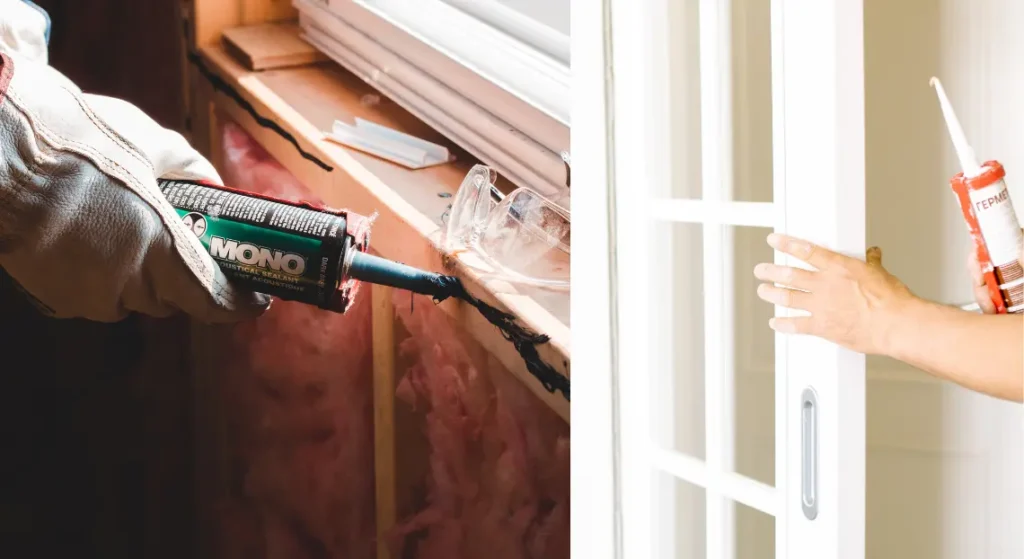
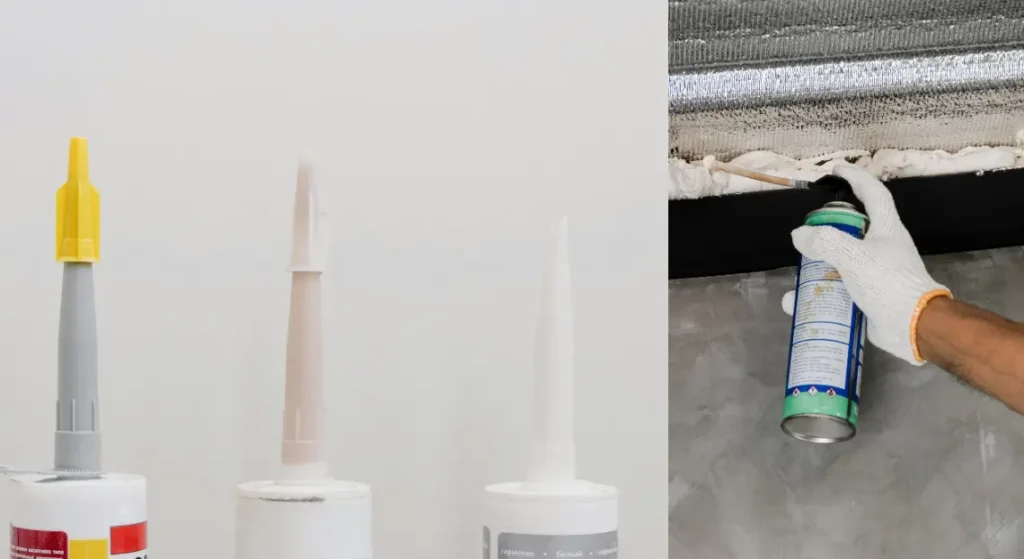
A silicone gasket maker is a sealing compound used to create a leak-proof barrier between two mating surfaces. It is commonly applied in automotive, industrial, marine, and machinery applications where traditional pre-cut gaskets may not provide the required fit or sealing performance. Once cured, the material forms a flexible and durable seal that helps prevent the leakage of fluids, gases, dust, and moisture.
Definition of Silicone Gasket Maker
A silicone gasket maker is a silicone-based sealant designed to form a gasket directly on a component or assembly surface. Instead of installing a separate gasket, the sealant is applied to the joint area, where it cures and creates a custom-fit seal. Silicone gasket makers are available in different formulations to meet specific requirements such as high temperatures, oil exposure, vibration resistance, and chemical contact.
How Silicone Gasket Makers Work
Silicone gasket makers are applied as a paste or gel onto a clean surface. After application, the material begins to cure when exposed to air or moisture, depending on the formulation. During the curing process, the sealant changes from a soft paste into a flexible rubber-like gasket.
Once fully cured, the gasket fills small gaps, irregularities, and surface imperfections between two parts. This creates a tight seal that helps prevent leaks while allowing the joint to withstand movement, vibration, pressure changes, and temperature fluctuations. The flexibility of the cured silicone helps maintain sealing performance even under demanding operating conditions.
Key Features of Silicone Gasket Makers
Silicone gasket makers are valued for their ability to create strong and long-lasting seals in a wide range of environments. They offer excellent resistance to heat, moisture, weather exposure, and many automotive and industrial fluids. Most silicone gasket makers remain flexible after curing, which helps them resist cracking, shrinking, and hardening over time.
Many formulations are designed to handle extreme temperatures, making them suitable for engine components, exhaust systems, pumps, gearboxes, and industrial machinery. Depending on the product, silicone gasket makers may also provide enhanced oil resistance, chemical resistance, or sensor-safe properties for modern automotive applications.
Because they can be applied directly to the sealing surface, silicone gasket makers simplify installation and can often replace conventional gaskets in many applications. This makes them a practical solution for maintenance, repair, and manufacturing tasks where reliable sealing is required.
Types of Silicone Gasket Maker
Silicone gasket makers are available in different formulations to meet specific sealing requirements. Some are designed for high temperatures, while others provide better resistance to oil, chemicals, or vibration. Choosing the right type helps ensure a reliable seal and longer service life.
1) RTV Silicone Gasket Maker
RTV stands for Room Temperature Vulcanizing. This is the most common type of silicone gasket maker used in automotive and industrial applications. It cures at room temperature and forms a flexible rubber-like seal after application.
RTV silicone gasket makers are commonly used for valve covers, oil pans, water pumps, timing covers, and thermostat housings. They are easy to apply and work well on surfaces that experience vibration and temperature changes.
One of the main advantages of RTV silicone is its flexibility and ease of use. It can fill small gaps and surface imperfections effectively. However, it requires proper curing time, and excessive application can cause excess material to squeeze into the assembly.
2) High-Temperature Silicone Gasket Maker
High-temperature silicone gasket makers are specially designed for applications exposed to extreme heat. These products can withstand temperatures that standard silicone sealants may not handle effectively.
They are commonly used in exhaust systems, turbochargers, exhaust manifolds, and other engine components exposed to high temperatures. Many high-temperature formulations can withstand temperatures above 300°C (572°F).
The main benefit of this type is its ability to maintain sealing performance under intense heat. However, it may not always provide the best resistance to certain automotive fluids, depending on the formulation.
3) Oil-Resistant Silicone Gasket Maker
Oil-resistant silicone gasket makers are formulated to withstand continuous contact with engine oil, transmission fluid, and other lubricants. This makes them suitable for sealing components where fluid exposure is common.
They are widely used on oil pans, valve covers, transmission housings, and differential covers. The special formulation helps prevent the seal from breaking down when exposed to oil for long periods.
Their biggest advantage is improved durability in oil-rich environments. However, they should be selected specifically for oil-contact applications, as not all silicone gasket makers offer the same level of oil resistance.
4) Sensor-Safe Silicone Gasket Maker
Sensor-safe silicone gasket makers are designed for modern vehicles equipped with oxygen sensors and electronic engine management systems. These products cure without releasing substances that can damage sensitive sensors.
They are commonly used in engine assemblies, intake manifolds, valve covers, and other components found in modern vehicles.
The primary advantage is compatibility with emission control systems and electronic sensors. The limitation is that they may cost slightly more than standard silicone gasket makers.
5) Ultra Black Silicone Gasket Maker
Ultra Black silicone gasket makers are known for their excellent flexibility and strong resistance to oil. They are designed for applications where movement, vibration, and thermal expansion are common.
They are often used for valve covers, timing covers, oil pans, and transmission components. The flexible seal helps maintain performance even under changing operating conditions.
The main advantage is superior flexibility and oil resistance. However, it may not be the best choice for extremely high-temperature applications.
6) Ultra Grey Silicone Gasket Maker
Ultra Grey silicone gasket makers are formulated for high-torque and rigid flange assemblies. They provide a strong and durable seal that can withstand vibration and mechanical stress.
They are commonly used in engines, gearboxes, water pumps, and transmission housings. The cured seal remains durable under demanding operating conditions.
The major benefit is its strength and vibration resistance. However, it is generally less flexible than Ultra Black formulations.
7) Ultra Copper Silicone Gasket Maker
Ultra Copper silicone gasket makers are designed for applications that require excellent heat resistance. These products can handle higher temperatures than many standard RTV sealants.
They are commonly used on exhaust manifolds, headers, turbochargers, and high-performance engine components.
Their biggest advantage is outstanding temperature resistance. The limitation is that they may not always provide the same oil resistance as products designed specifically for oil-contact applications.
8) Anaerobic Gasket Maker
Anaerobic gasket makers work differently from silicone sealants. They cure in the absence of air when trapped between two metal surfaces. This creates a thin and precise seal.
They are often used in transmissions, gearboxes, engine cases, and rigid machined flanges where little movement occurs.
The main advantage is excellent sealing on close-fitting metal parts. However, they are not suitable for flexible joints or large gaps where silicone gasket makers perform better.
9) Food-Grade Silicone Gasket Maker
Food-grade silicone gasket makers are manufactured to meet safety standards for food and beverage processing equipment. They are formulated to prevent contamination while maintaining reliable sealing performance.
These products are commonly used in food processing plants, beverage production systems, water treatment equipment, and commercial kitchens.
Their key advantage is compliance with food safety requirements. However, they are generally more expensive than standard industrial sealants.
10) Industrial-Grade Silicone Gasket Maker
Industrial-grade silicone gasket makers are developed for demanding industrial environments. They are designed to handle exposure to chemicals, moisture, weather conditions, and varying temperatures.
They are used in pumps, compressors, industrial machinery, manufacturing equipment, and processing systems. Many formulations provide strong resistance to chemicals and environmental stress.
The main advantage is long-term durability in harsh operating conditions. However, selecting the correct formulation is important because chemical resistance and performance can vary between products.
Silicone Gasket Maker Color Guide
The color of a silicone gasket maker often provides a quick indication of its intended use and performance characteristics. While color standards can vary slightly between manufacturers, many automotive and industrial sealant brands use specific colors to identify products designed for different temperatures, fluids, and operating conditions.
It is important to understand that color alone should not be used to select a gasket maker. Always check the product specifications and application recommendations. However, knowing the common meaning of gasket maker colors can help you choose a suitable product more easily.
Red Silicone Gasket Maker for High-Temperature Applications
Red silicone gasket makers are commonly associated with high-temperature resistance. These products are designed to maintain sealing performance in areas exposed to continuous heat and thermal cycling.
Red silicone is widely used on engine components such as valve covers, thermostat housings, and certain exhaust-related parts. Many high-temperature RTV formulations use a red color to distinguish them from general-purpose sealants.
One of the main reasons for choosing red silicone gasket maker is its ability to withstand temperatures that would cause standard sealants to fail. This makes it a popular choice for automotive and industrial applications where heat resistance is a primary requirement.
Black Silicone Gasket Maker for Oil Resistance and Flexibility
Black silicone gasket makers are among the most commonly used products in automotive repair and maintenance. They are known for their excellent flexibility and resistance to oil and automotive fluids.
Black silicone is frequently used on oil pans, valve covers, timing covers, transmission housings, and differential covers. These components often experience vibration, movement, and constant exposure to lubricants.
The cured seal remains flexible, helping it absorb vibration and maintain a reliable seal over time. Because of these properties, black silicone gasket makers are often considered a general-purpose solution for many engine sealing applications.
Grey Silicone Gasket Maker for High-Torque Assemblies
Grey silicone gasket makers are designed for rigid and high-torque assemblies. They provide a strong and durable seal that performs well in applications where components are tightened under significant force.
Grey gasket makers are commonly used in engine blocks, transmission housings, water pumps, and gearbox assemblies. These parts require a sealant that can withstand vibration, pressure, and mechanical stress without losing its sealing ability.
Compared to some other formulations, grey silicone typically offers greater structural strength. This makes it suitable for demanding automotive and industrial applications where durability is important.
Copper Silicone Gasket Maker for Extreme Heat Conditions
Copper silicone gasket makers are formulated for applications exposed to very high temperatures. They are commonly used in performance engines and heavy-duty equipment where heat levels exceed the limits of many standard sealants.
Copper-colored sealants are often applied to exhaust manifolds, headers, turbochargers, and other high-temperature engine components. Their formulation helps them maintain sealing performance under intense thermal conditions.
Because of their excellent heat resistance, copper gasket makers are frequently chosen for performance vehicles and industrial machinery operating at elevated temperatures.
Blue Silicone Gasket Maker for General-Purpose Sealing
Blue silicone gasket makers are generally used for general-purpose sealing applications. They provide good flexibility, weather resistance, and protection against moisture.
These products are commonly used in water pumps, covers, housings, and equipment that does not operate under extreme temperatures or heavy fluid exposure. Blue silicone is often selected for maintenance and repair work where standard sealing performance is sufficient.
Although blue gasket makers may not offer the same heat resistance as red or copper formulations, they provide dependable sealing performance for many everyday applications.
What Silicone Gasket Maker Colors Mean?
The color of a silicone gasket maker is mainly used by manufacturers to identify different formulations and intended applications. In most cases, red indicates high-temperature resistance, black is associated with oil resistance and flexibility, grey is used for high-torque assemblies, copper is designed for extreme heat, and blue is commonly used for general-purpose sealing.
However, color should only be considered a general guide. Different manufacturers may use unique formulations that do not follow the same color conventions. Two products with the same color can have different performance characteristics, temperature ratings, and fluid resistance levels.
For this reason, it is always best to review the product label, technical data sheet, and application recommendations before making a selection. Understanding the purpose behind each color can help narrow down the options, but the final choice should always be based on the specific requirements of the application.
Comparison of Different Types of Silicone Gasket Makers
Not all silicone gasket makers are designed for the same purpose. Some are built to handle high temperatures, while others are better suited for oil exposure, vibration, or rigid assemblies. Understanding the differences between these products can help you choose the right gasket maker for a specific application.
Temperature Resistance of Different Silicone Gasket Makers
Temperature resistance is one of the most important factors when selecting a silicone gasket maker. Standard RTV silicone gasket makers can handle normal engine and machinery temperatures, making them suitable for many general sealing applications.
High-temperature silicone gasket makers are specifically formulated to withstand elevated heat levels. They are commonly used in areas exposed to continuous heat, such as engine components and industrial equipment. Ultra Copper gasket makers generally offer the highest temperature resistance among silicone-based sealants and are often selected for exhaust systems, turbochargers, and high-performance engines.
Black and Grey silicone gasket makers also provide good heat resistance, but they are usually chosen for their sealing properties rather than their ability to handle extreme temperatures. When an application involves intense heat, high-temperature or copper formulations are usually the preferred choice.
Oil Resistance and Fluid Compatibility
Oil resistance is another key factor, especially in automotive applications. Components such as oil pans, valve covers, transmissions, and differential housings are constantly exposed to lubricants and fluids.
Oil-resistant silicone gasket makers are specifically designed for these environments. Ultra Black silicone gasket makers are widely recognized for their strong resistance to engine oil and automotive fluids. They maintain their sealing performance even after long-term exposure to lubricants.
Standard RTV silicone products may provide some resistance to oil, but not all formulations are intended for continuous fluid exposure. For this reason, it is important to select a gasket maker that is specifically rated for oil-contact applications. Using the wrong product can reduce seal life and increase the risk of leaks.
Flexibility and Vibration Resistance
Flexibility plays an important role in applications where components expand, contract, or vibrate during operation. A flexible seal can absorb movement without cracking or losing contact with the sealing surface.
RTV silicone gasket makers are known for their flexibility and ability to maintain a seal under changing conditions. Ultra Black silicone is often considered one of the most flexible options and performs well in applications that experience constant vibration.
Grey silicone gasket makers provide a stronger and more rigid seal compared to black formulations. They are designed for high-torque assemblies where structural strength is more important than maximum flexibility.
Anaerobic gasket makers differ from silicone products because they create a thin, rigid seal between metal surfaces. They work well on machined flanges but are generally not suitable for applications where movement or flexibility is required.
Common Applications for Each Type
Different gasket makers are developed for different operating conditions. RTV silicone gasket makers are commonly used for general sealing applications in automotive and industrial equipment. They are suitable for valve covers, water pumps, thermostat housings, and timing covers.
High-temperature and copper silicone gasket makers are typically used in exhaust systems, manifolds, turbochargers, and other heat-intensive areas. Oil-resistant and Ultra Black formulations are commonly applied to oil pans, transmission housings, and engine components exposed to lubricants.
Grey silicone gasket makers are often used on engine blocks, gearboxes, water pumps, and rigid flange assemblies that require strong sealing performance. Anaerobic gasket makers are mainly used in transmissions, engine cases, and precision-machined metal surfaces.
Food-grade silicone gasket makers are used in food processing and beverage equipment, while industrial-grade products are commonly found in pumps, compressors, and manufacturing machinery.
Cure Time Differences Between Gasket Makers
Cure time can vary depending on the type of gasket maker, the thickness of the applied bead, and environmental conditions. Most RTV silicone gasket makers begin forming a surface skin within a short period after application and usually require up to 24 hours for a full cure.
High-temperature, oil-resistant, black, grey, and copper silicone gasket makers generally follow similar curing patterns, although exact curing times may vary by manufacturer and product formulation.
Anaerobic gasket makers cure differently because they harden only when air is removed and the sealant is trapped between metal surfaces. This allows them to form a strong seal in precision assemblies without requiring exposure to moisture.
Regardless of the type used, following the manufacturer’s recommended curing time is essential. Allowing the sealant to cure fully before exposing it to heat, pressure, or fluids helps ensure maximum sealing performance and durability.
Common Applications of Silicone Gasket Makers
Silicone gasket makers are used in many industries because they create reliable seals that can withstand heat, vibration, moisture, and exposure to various fluids. Their ability to form a custom-fit gasket makes them suitable for a wide range of sealing applications.
Silicone Gasket Makers in Automotive Engines
Automotive engines are one of the most common places where silicone gasket makers are used. They help seal components such as valve covers, timing covers, oil pans, and intake manifolds. These parts are exposed to heat, oil, and constant vibration. A properly selected silicone gasket maker helps prevent leaks and maintains a secure seal during engine operation.
Silicone Gasket Makers for Transmissions and Differentials
Transmissions and differentials contain lubricating fluids that must remain sealed inside the housing. Silicone gasket makers are often used to seal transmission pans, differential covers, and gearbox housings. Oil-resistant formulations are commonly chosen for these applications because they can withstand long-term exposure to automotive fluids.
Silicone Gasket Makers for Exhaust Systems
Exhaust systems operate under very high temperatures, making heat-resistant gasket makers essential. High-temperature and copper silicone gasket makers are commonly used on exhaust manifolds, headers, and turbocharger components. These products help maintain a reliable seal even under extreme heat conditions.
Silicone Gasket Makers for Water Pumps and Thermostats
Water pumps and thermostat housings are exposed to coolant, moisture, and changing temperatures. Silicone gasket makers are frequently used in these areas to prevent coolant leaks and ensure proper system performance. Their flexibility helps maintain the seal as components expand and contract during operation.
Silicone Gasket Makers in Industrial Machinery
Industrial equipment often operates under demanding conditions involving heat, pressure, vibration, and chemical exposure. Silicone gasket makers are used in pumps, compressors, gearboxes, motors, and manufacturing equipment. They help protect machinery from fluid leaks and reduce maintenance requirements.
Silicone Gasket Makers in Food Processing Equipment
Food processing equipment requires sealing materials that meet strict hygiene and safety standards. Food-grade silicone gasket makers are commonly used in food production lines, beverage processing systems, storage tanks, and packaging equipment. These products provide effective sealing while complying with food-contact requirements and helping maintain product safety.
Conclusion
Silicone gasket makers play an important role in creating reliable seals in automotive, industrial, marine, and food-processing applications. Different types are designed to handle specific operating conditions, including high temperatures, oil exposure, vibration, pressure, and chemical contact. Understanding the differences between RTV, high-temperature, oil-resistant, sensor-safe, Ultra Black, Ultra Grey, Ultra Copper, anaerobic, food-grade, and industrial-grade gasket makers helps ensure the right product is selected for the job.
The best silicone gasket maker depends on the application. Components exposed to extreme heat may require a high-temperature or copper formulation, while oil pans and valve covers often benefit from oil-resistant or Ultra Black products. Rigid assemblies may be better suited to grey silicone or anaerobic gasket makers, while food-processing equipment requires food-grade formulations.
Before choosing a gasket maker, it is important to consider factors such as temperature range, fluid exposure, operating conditions, and curing requirements. Using the correct product and following the manufacturer’s application instructions can help create a durable, leak-free seal and improve the long-term performance of the equipment or vehicle.
Frequently Asked Questions (FAQs)
What are the different types of silicone gasket makers?
The main types of silicone gasket makers include RTV silicone, high-temperature silicone, oil-resistant silicone, sensor-safe silicone, Ultra Black, Ultra Grey, Ultra Copper, food-grade silicone, and industrial-grade silicone gasket makers. Each type is designed for specific operating conditions and applications.
Which silicone gasket maker is best for automotive engines?
The best silicone gasket maker for automotive engines depends on the application. Ultra Black and oil-resistant RTV silicone are commonly used for oil pans and valve covers, while Ultra Grey is often preferred for high-torque engine assemblies.
What is the difference between RTV and anaerobic gasket makers?
RTV gasket makers cure when exposed to air and moisture, forming a flexible rubber-like seal. Anaerobic gasket makers cure in the absence of air between metal surfaces and create a thin, rigid seal for machined flanges.
Which silicone gasket maker is best for high-temperature applications?
High-temperature silicone gasket makers and Ultra Copper formulations are typically the best choices for applications exposed to extreme heat, such as exhaust manifolds, headers, and turbocharger components.
Can silicone gasket makers replace traditional gaskets?
Yes, silicone gasket makers can replace traditional gaskets in many applications. They create a custom-fit seal directly on the surface and can effectively prevent leaks when applied correctly.
How long does silicone gasket maker take to cure?
Most silicone gasket makers become tack-free within a short period after application and typically require up to 24 hours for a full cure. Actual curing time may vary depending on the product and environmental conditions.
Is silicone gasket maker resistant to oil?
Many silicone gasket makers are resistant to oil, but not all formulations offer the same level of protection. Oil-resistant and Ultra Black silicone gasket makers are specifically designed for applications exposed to engine oil and transmission fluid.
What color silicone gasket maker should I use?
The color depends on the application. Red is commonly used for high-temperature applications, black for oil resistance and flexibility, grey for high-torque assemblies, copper for extreme heat, and blue for general-purpose sealing.
Are silicone gasket makers waterproof?
Yes, cured silicone gasket makers provide excellent resistance to water and moisture. This makes them suitable for water pumps, thermostat housings, outdoor equipment, and many industrial sealing applications.
How do I choose the right silicone gasket maker?
Choose a silicone gasket maker based on operating temperature, fluid exposure, pressure, vibration levels, and application requirements. Always check the manufacturer’s specifications to ensure the product is suitable for the intended use.