
What Is Sodium Benzoate?
Sodium benzoate is a widely used preservative that helps prevent the growth of bacteria, yeast, and mold in food, beverages, medicines, and personal care products. It is the sodium salt of benzoic acid and is commonly added to acidic products to extend shelf life and maintain product quality. Because it dissolves easily in water and works effectively in low-pH environments, sodium benzoate has become one of the most commonly used preservatives worldwide.
The compound is recognized by food safety authorities in many countries and is used in approved amounts to help protect products from spoilage. It is often found in soft drinks, fruit juices, pickles, sauces, salad dressings, and various pharmaceutical and cosmetic formulations.
Chemical Composition of Sodium Benzoate
Sodium benzoate is an organic compound with the chemical formula C₇H₅NaO₂. It is formed when benzoic acid reacts with sodium hydroxide. The resulting compound consists of a benzoate ion and a sodium ion.
In acidic conditions, sodium benzoate can convert back into benzoic acid, which is the form responsible for its antimicrobial activity. This is why sodium benzoate is most effective in acidic foods and beverages. The compound is highly stable under normal storage conditions, making it suitable for use in a wide range of products.
How Sodium Benzoate Is Made?
Sodium benzoate is typically produced through a neutralization reaction between benzoic acid and sodium hydroxide. During this process, the acidic properties of benzoic acid are balanced by the alkaline properties of sodium hydroxide, resulting in the formation of sodium benzoate and water.
After the reaction is complete, the sodium benzoate is purified, dried, and processed into a fine powder or granules. The finished product is then supplied to manufacturers for use in food, beverage, pharmaceutical, cosmetic, and industrial applications. The production process is straightforward and allows for consistent quality and purity.
Physical Properties of Sodium Benzoate
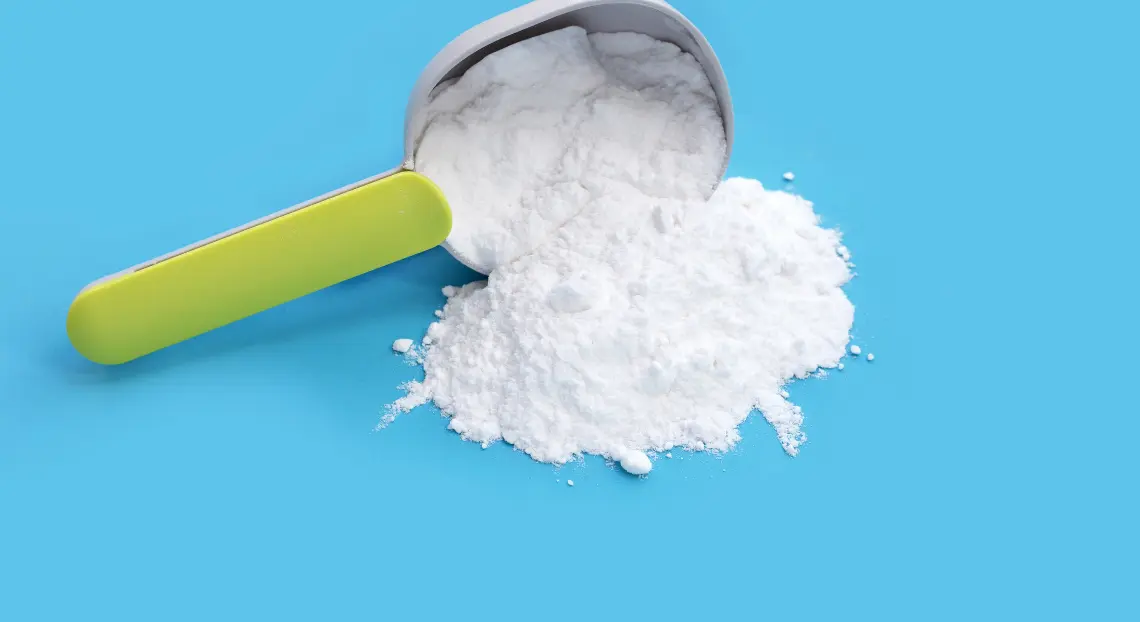
Sodium benzoate is a white, odorless, crystalline powder or granular substance. It has a slightly sweet taste and dissolves readily in water, which makes it easy to incorporate into liquid and semi-liquid products.
The compound remains stable under normal storage conditions and has a long shelf life when kept in a cool, dry environment. Its high water solubility and compatibility with acidic formulations make it particularly useful in beverages, sauces, and other products where effective preservation is required. These properties contribute to its widespread use across multiple industries.
Why Is Sodium Benzoate Used?
Sodium benzoate is mainly used to prevent food and other products from spoiling. It helps control the growth of harmful microorganisms such as bacteria, yeast, and mold that can reduce product quality and shelf life. Because of its effectiveness and low cost, it is one of the most widely used preservatives in the food and beverage industry. It is also used in medicines, cosmetics, and personal care products to help keep them safe and stable during storage.
How Sodium Benzoate Preserves Food and Beverages?
Sodium benzoate works by slowing or stopping the growth of microorganisms that can cause spoilage. When added to acidic products, it changes into benzoic acid, which is the active form responsible for preservation. Benzoic acid enters microbial cells and interferes with important processes needed for their growth and survival.
As a result, bacteria, yeast, and mold cannot multiply as easily. This helps products stay fresh for a longer period and reduces the risk of spoilage before they are consumed or used. The preservative does not improve the taste, color, or nutritional value of a product, but it helps maintain its quality over time.
Why Manufacturers Use Sodium Benzoate?
Manufacturers use sodium benzoate because it is effective, easy to use, and works in many types of products. It helps extend shelf life, reduce product waste, and maintain product safety during transportation and storage. Since only small amounts are needed to achieve preservation, it is a practical option for many industries.
Sodium benzoate is also highly soluble in water, making it easy to mix into beverages, sauces, syrups, and other liquid products. Its long history of use and approval by food safety authorities have also contributed to its widespread adoption.
Conditions Where Sodium Benzoate Works Best
Sodium benzoate works best in acidic products with a pH below 4.5. This is why it is commonly found in soft drinks, fruit juices, pickles, salad dressings, and similar foods. In these acidic conditions, the preservative can effectively prevent microbial growth and help keep products fresh for longer periods. Its effectiveness decreases as the pH becomes less acidic, which limits its use in certain food products.
Common Uses of Sodium Benzoate
Sodium benzoate is used in many industries because it helps prevent the growth of bacteria, yeast, and mold. Its ability to extend shelf life and maintain product quality makes it a common ingredient in foods, beverages, medicines, cosmetics, and various industrial products. It is especially useful in products with an acidic pH, where it works most effectively as a preservative.
Use of Sodium Benzoate in Food Products
One of the most common uses of sodium benzoate is in processed foods. It helps protect products from spoilage caused by microorganisms and allows them to remain safe for consumption for a longer period. Food manufacturers often add sodium benzoate to products such as pickles, sauces, salad dressings, jams, jellies, and condiments. By controlling microbial growth, it helps maintain product quality during storage and distribution.
Use of Sodium Benzoate in Beverages
Sodium benzoate is widely used in acidic beverages because it can effectively prevent spoilage and extend shelf life. It is commonly found in soft drinks, fruit juices, flavored water, energy drinks, and syrup-based beverages. Since these products are often stored for long periods before consumption, sodium benzoate helps keep them fresh and safe by reducing the growth of unwanted microorganisms.
Use of Sodium Benzoate in Pharmaceutical Products
In the pharmaceutical industry, sodium benzoate is used as a preservative in certain liquid medicines, syrups, and oral solutions. It helps prevent contamination during storage and ensures that the product remains stable throughout its intended shelf life. In some medical applications, sodium benzoate may also be used for specific therapeutic purposes under professional supervision.
Use of Sodium Benzoate in Cosmetics and Personal Care Products
Many cosmetic and personal care products contain sodium benzoate to prevent microbial growth and improve product stability. It can be found in products such as shampoos, conditioners, lotions, facial cleansers, creams, and liquid soaps. Its preservative action helps maintain product quality and safety throughout use.
Use of Sodium Benzoate in Industrial Products
Sodium benzoate is also used in certain industrial applications where protection against microbial growth is needed. It may be added to products such as adhesives, cleaning solutions, coatings, and other formulations to improve stability and extend storage life. Its effectiveness and ease of use make it a valuable preservative across many industries.
Foods That Commonly Contain Sodium Benzoate
Sodium benzoate is commonly added to foods and beverages to prevent spoilage and extend shelf life. It is most effective in acidic products, which is why it is often found in many packaged and processed foods. Manufacturers use it to control the growth of bacteria, yeast, and mold, helping products stay safe and maintain their quality during storage and transportation.
Soft Drinks and Carbonated Beverages
Soft drinks are among the most common products that contain sodium benzoate. Carbonated beverages usually have an acidic pH, which creates ideal conditions for this preservative to work effectively. It helps prevent microbial growth and keeps the beverage fresh throughout its shelf life. Many flavored sodas, sparkling drinks, and carbonated fruit beverages may contain sodium benzoate as a preservative.
Fruit Juices and Fruit-Based Drinks
Many fruit juices and fruit-flavored drinks contain sodium benzoate to maintain freshness and prevent spoilage. Since fruit-based beverages are naturally acidic, sodium benzoate can effectively protect them from contamination caused by yeast and mold. It is often used in packaged juices, juice concentrates, fruit punches, and flavored drink mixes that require a longer shelf life.
Pickles and Preserved Vegetables
Pickles and preserved vegetables frequently contain sodium benzoate because these products are usually stored for extended periods. The acidic environment created by vinegar allows the preservative to work efficiently. Sodium benzoate helps prevent the growth of microorganisms that could affect the taste, texture, and safety of the product during storage.
Sauces, Dressings, and Condiments
Many sauces, salad dressings, and condiments use sodium benzoate to maintain product quality. Products such as ketchup, chili sauce, barbecue sauce, and certain salad dressings can be vulnerable to microbial growth after processing. The preservative helps keep these products stable and safe while preserving their intended flavor and consistency.
Jams, Jellies, and Processed Foods
Sodium benzoate is also used in jams, jellies, fruit spreads, and various processed foods. These products often contain moisture and ingredients that can support microbial growth if left unprotected. By reducing spoilage, sodium benzoate helps extend shelf life and allows products to remain safe and enjoyable for consumers over a longer period.
Potential Side Effects of Sodium Benzoate
Sodium benzoate is generally considered safe when used within approved limits. It has been evaluated by food safety authorities around the world and is commonly used in foods, beverages, medicines, and personal care products. However, like many food additives, some people may experience side effects or sensitivities after exposure. These reactions are uncommon but can occur in certain individuals.
Allergic Reactions and Sensitivity to Sodium Benzoate
Some people may be sensitive to sodium benzoate and experience mild reactions after consuming products that contain it. Reported symptoms can include skin irritation, itching, rashes, or hives. These reactions are relatively rare and are more likely to occur in individuals who are already sensitive to certain food additives or preservatives. In most cases, symptoms improve after avoiding products that contain sodium benzoate.
Sodium Benzoate and Asthma Symptoms
Research has shown that certain food additives, including sodium benzoate, may trigger symptoms in some people with asthma. Sensitive individuals may experience coughing, wheezing, or shortness of breath after consuming products containing the preservative. These reactions do not affect everyone with asthma, but people who notice a connection between their symptoms and specific foods may benefit from checking ingredient labels and discussing concerns with a healthcare professional.
Digestive Effects in Sensitive Individuals
Most people can consume sodium benzoate without experiencing digestive problems. However, some sensitive individuals may report mild stomach discomfort after consuming products that contain the preservative. Symptoms may include nausea, stomach irritation, or digestive upset. These effects are not common and are usually associated with individual sensitivity rather than the preservative itself.
Concerns About High Intake
Food safety authorities have established acceptable intake levels for sodium benzoate to ensure safe consumption. Normal dietary exposure is generally well below these limits for most people. However, regularly consuming large amounts of processed foods and beverages that contain preservatives may increase overall intake. For this reason, maintaining a balanced diet with a variety of fresh and minimally processed foods is often recommended. While sodium benzoate is considered safe when used as approved, moderation remains an important part of a healthy diet.
Benefits of Sodium Benzoate
Sodium benzoate is one of the most widely used preservatives in the food and beverage industry. Its main role is to protect products from spoilage caused by microorganisms. Because it works effectively in acidic foods and drinks, it helps maintain product quality, safety, and freshness throughout storage and distribution. Its effectiveness, affordability, and ease of use have made it a common choice for manufacturers around the world.
Helps Extend Shelf Life
One of the biggest benefits of sodium benzoate is its ability to extend the shelf life of products. Foods and beverages can spoil when bacteria, yeast, and mold begin to grow. Sodium benzoate slows down this growth, helping products stay fresh for a longer period.
This longer shelf life allows products to be stored, transported, and sold without losing quality too quickly. It also helps ensure that consumers receive products that remain safe and stable until their expiration date when stored properly.
Prevents the Growth of Harmful Microorganisms
Sodium benzoate is effective at controlling microorganisms that can cause food spoilage. In acidic products, it helps stop the growth of certain bacteria, yeast, and mold that may affect a product’s safety, taste, smell, and appearance.
By reducing microbial growth, sodium benzoate helps maintain the quality of food and beverages throughout their intended shelf life. This is one of the main reasons it is commonly used in products such as soft drinks, fruit juices, pickles, sauces, and salad dressings.
Helps Reduce Food Waste
Food spoilage is a major cause of food waste worldwide. By extending shelf life and preventing microbial contamination, sodium benzoate helps reduce the amount of food that must be discarded before it is consumed.
Products that remain fresh for longer periods are less likely to be wasted during transportation, storage, retail display, or household use. This benefit supports better food preservation and more efficient use of food resources.
Provides a Cost-Effective Preservation Method
Sodium benzoate is a practical and cost-effective preservative. Only small amounts are needed to provide effective protection against spoilage. It is easy to use, mixes well with many products, and helps manufacturers maintain product quality without significantly increasing production costs.
Its combination of effectiveness, affordability, and proven performance makes sodium benzoate one of the most commonly used food preservatives today.
How to Identify Sodium Benzoate on Product Labels?
Consumers who want to know whether a product contains sodium benzoate can usually find this information on the ingredient label. Food, beverage, cosmetic, and pharmaceutical manufacturers are generally required to list ingredients used in their products, making it easier to identify preservatives and other additives.
Names Used for Sodium Benzoate on Labels
In most products, sodium benzoate is listed simply as “sodium benzoate” in the ingredient list. In some regions, it may also appear under its food additive code, such as E211. Both names refer to the same preservative. Checking for these terms can help consumers quickly determine whether a product contains sodium benzoate.
How to Read Ingredient Lists?
Ingredient lists are usually found on the packaging of food, drinks, medicines, and personal care products. Ingredients are commonly listed in descending order by weight, meaning the ingredients present in the largest amounts appear first. Sodium benzoate is often found near other preservatives, flavorings, or additives used to maintain product quality and shelf life.
Tips for Checking Product Labels
Reading ingredient labels carefully is the best way to identify sodium benzoate. Consumers who prefer to limit preservatives can compare products and choose alternatives that do not contain it. It is also helpful to look for the ingredient in commonly preserved foods such as soft drinks, fruit beverages, sauces, dressings, pickles, and packaged products. Understanding ingredient labels allows consumers to make informed choices based on their personal preferences and dietary needs.
Conclusion
Sodium benzoate is a widely used preservative that helps prevent the growth of bacteria, yeast, and mold in foods, beverages, medicines, and personal care products. Its ability to work effectively in acidic products makes it an important ingredient for extending shelf life and maintaining product quality.
Food safety authorities around the world consider sodium benzoate safe when used within approved limits. While some individuals may experience sensitivity or mild side effects, most people can consume products containing sodium benzoate without any issues. Understanding where it is used, how it works, and how to identify it on product labels can help consumers make informed choices.
Overall, sodium benzoate plays an important role in modern food preservation by helping reduce spoilage, improve product stability, and support longer shelf life. As with any food additive, consuming a balanced diet and being aware of ingredient labels can help consumers choose products that best fit their needs and preferences.
Frequently Asked Questions
What is sodium benzoate used for?
Sodium benzoate is mainly used as a preservative in foods, beverages, medicines, and cosmetic products. It helps prevent the growth of bacteria, yeast, and mold, which can cause products to spoil.
Is sodium benzoate safe to consume?
Yes, sodium benzoate is considered safe when used within approved limits. Food safety authorities around the world have evaluated its safety and allow its use in a variety of products.
Is sodium benzoate a natural or artificial ingredient?
Sodium benzoate is a manufactured ingredient, but it is derived from benzoic acid, a compound that occurs naturally in certain fruits, berries, and spices.
Does sodium benzoate have any side effects?
Most people can consume sodium benzoate without any problems. However, some individuals may experience mild reactions such as skin irritation, digestive discomfort, or sensitivity to preservatives.
Can sodium benzoate cause allergies?
True allergic reactions to sodium benzoate are uncommon. However, some people may experience sensitivity symptoms such as itching, hives, or skin rashes after consuming products that contain it.
Why is sodium benzoate added to soft drinks?
Sodium benzoate is added to soft drinks to prevent the growth of microorganisms and extend shelf life. It works especially well in acidic beverages, making it a common preservative in carbonated drinks.
Is sodium benzoate safe for children?
Yes, sodium benzoate is generally considered safe for children when consumed within approved limits. It is commonly used in many foods and beverages that are available to consumers of all ages.
What is the difference between sodium benzoate and benzoic acid?
Benzoic acid is the original acid compound, while sodium benzoate is its sodium salt. Sodium benzoate dissolves more easily in water, which makes it more suitable for use in many food and beverage products.
Does sodium benzoate affect blood sugar levels?
Sodium benzoate itself does not contain sugar and does not directly raise blood sugar levels. However, the products that contain it, such as soft drinks or processed foods, may contain added sugars.
How can I identify sodium benzoate on food labels?
You can identify sodium benzoate by checking the ingredient list on the product label. It is usually listed as “sodium benzoate” and may sometimes appear as the food additive code “E211.”