

Vegetable Glycerin vs Glycerin: Key Differences, Uses, and Which to Choose
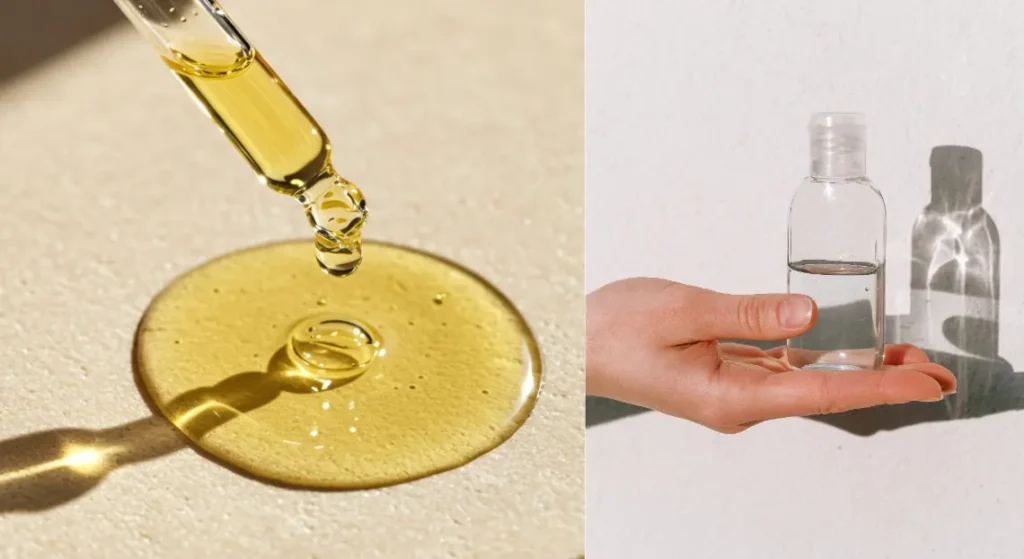
What Is Vegetable Glycerin vs Glycerin? Vegetable glycerin and glycerin are closely related, but the way they are described often creates confusion. Both refer to the same basic compound, but the difference comes mainly from the source and labeling. What Is Vegetable Glycerin (Plant-Based Source)? Vegetable glycerin is a clear, odorless liquid made from plant […]
Adhesive Sealant vs Silicone: Full Comparison, Differences and Uses

What is Adhesive Sealant vs Silicone? What is an Adhesive Sealant? An adhesive sealant is a material that does two jobs at the same time. It bonds surfaces together like a glue and also seals gaps to block air, water, and dust. It is designed to hold parts in place while also filling joints. Adhesive […]
D-Limonene vs Limonene: Key Differences, Uses, and Benefits Explained
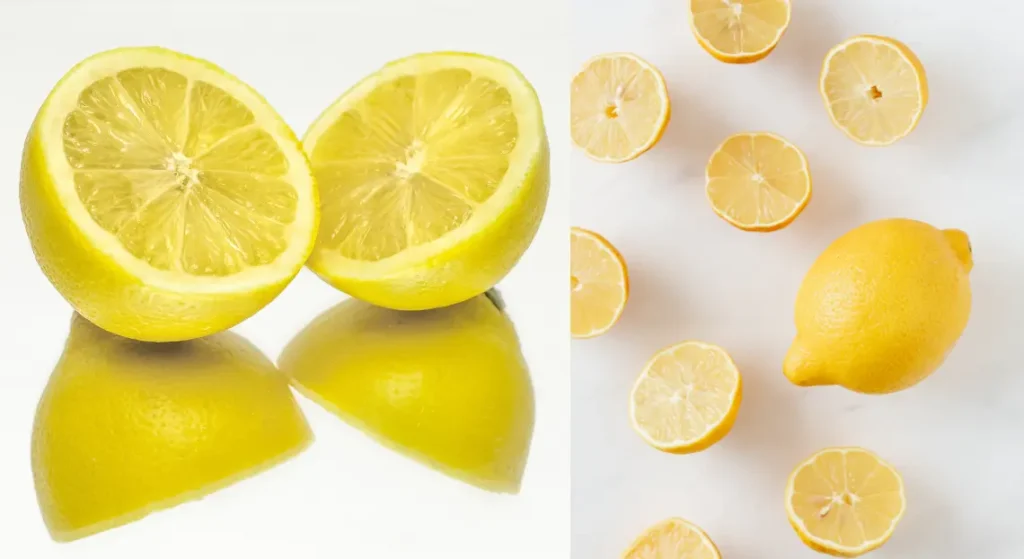
What is Limonene and D-Limonene? What is Limonene? Limonene is a naturally occurring compound mainly found in citrus fruits such as oranges, lemons, and limes. It is part of a group of compounds known as terpenes, which are responsible for the characteristic smell and flavor of many plants. Limonene is typically a colorless liquid with […]
Polyacrylamide Gel vs Agarose Gel: Complete Comparison
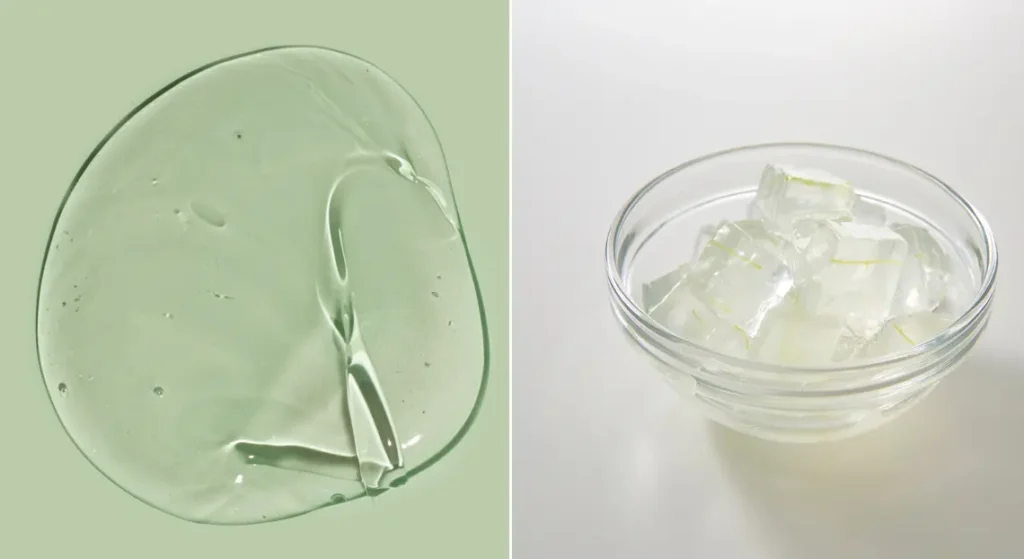
Introduction: Polyacrylamide Gel vs Agarose Gel Gel electrophoresis is a common laboratory method used to separate DNA, RNA, or proteins based on their size and charge. In this process, samples are loaded into a gel and an electric current is applied. Smaller molecules move faster through the gel, while larger ones move more slowly, allowing […]
What Are Lubricants? Meaning, Types, Uses and Benefits Explained
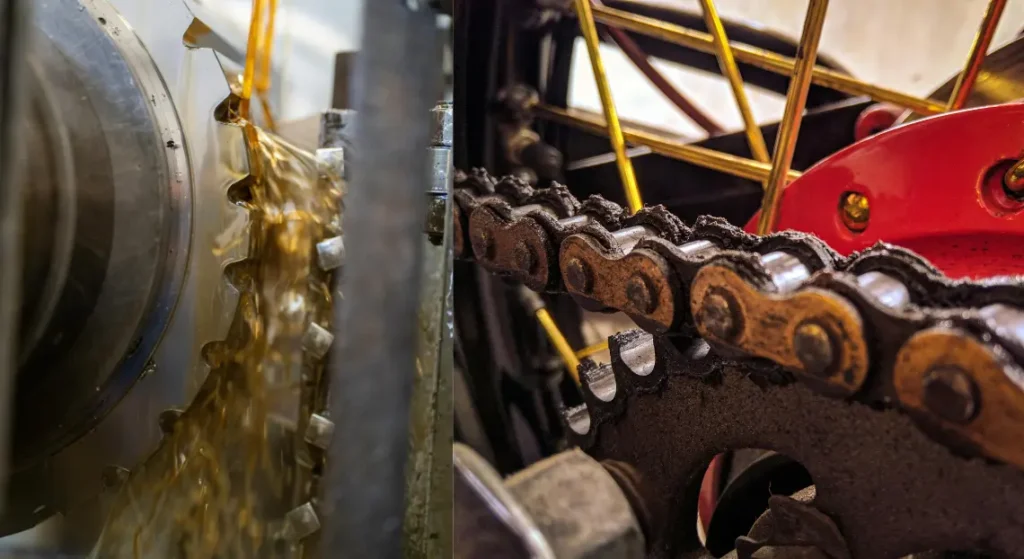
What Are Lubricants? Lubricants are substances used to reduce friction between two surfaces that are in contact and moving against each other. They create a thin layer between the surfaces, which helps them move smoothly without direct contact. How Lubricants Work Between Surfaces? When two surfaces rub against each other, they create friction, heat, and […]
Cosmetics and Personal Care Industry: Meaning, Types, Products, and Market Overview
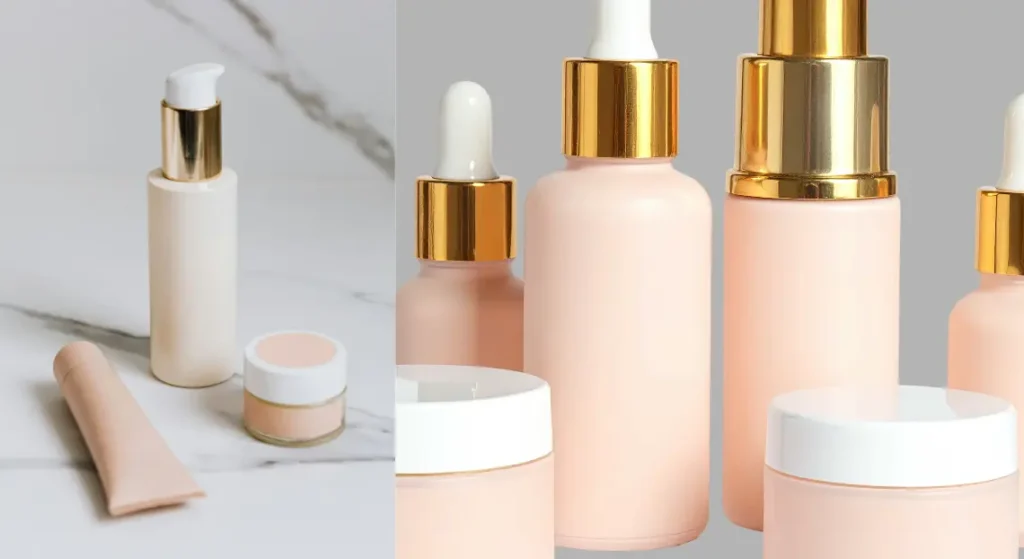
What is the Cosmetics and Personal Care Industry? The cosmetics and personal care industry is the sector that deals with products used for cleaning, grooming, improving appearance, and maintaining personal hygiene. These products are part of daily life and are used by people of all ages. Simple Definition It is an industry that develops, manufactures, […]
Dimethicone Uses, Benefits, Safety and Side Effects

What is Dimethicone? Dimethicone is a silicone-based ingredient commonly used in skincare, haircare, and cosmetic products. It is known for its smooth, silky feel and is added to products to improve texture and performance. In simple terms, dimethicone is a type of polymer made from silicon, oxygen, carbon, and hydrogen. It belongs to a group […]
Octyldodecyl Oleate: Uses, Benefits and Safety
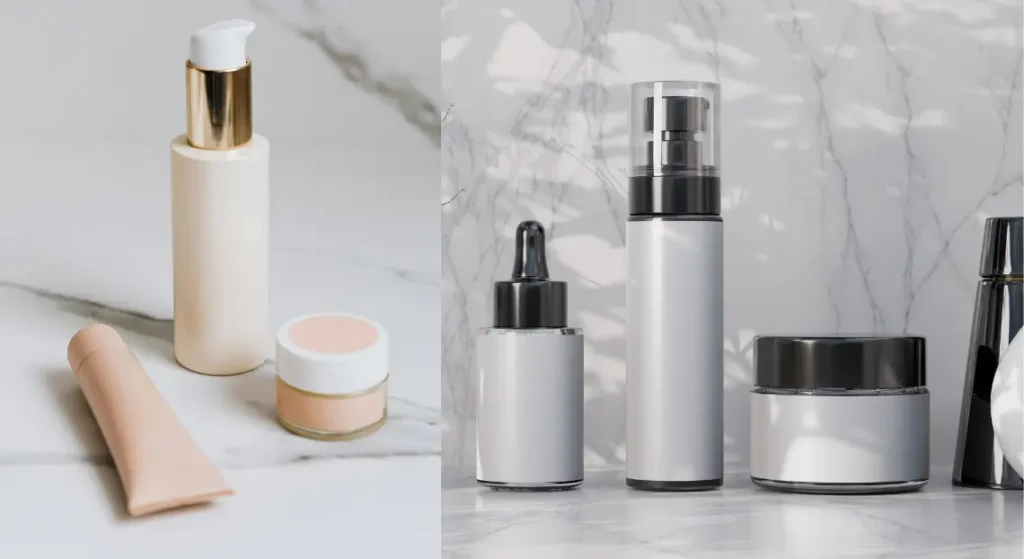
What is Octyldodecyl Oleate? Octyldodecyl Oleate is a cosmetic ingredient used to make skin and makeup products feel smooth and soft. It is a light, oily liquid that spreads easily on the skin without feeling too heavy or sticky. In simple terms, it works as a skin-softening agent. It forms a thin layer on the […]
What Is Isopropyl Myristate? Uses, Benefits, and Side Effects
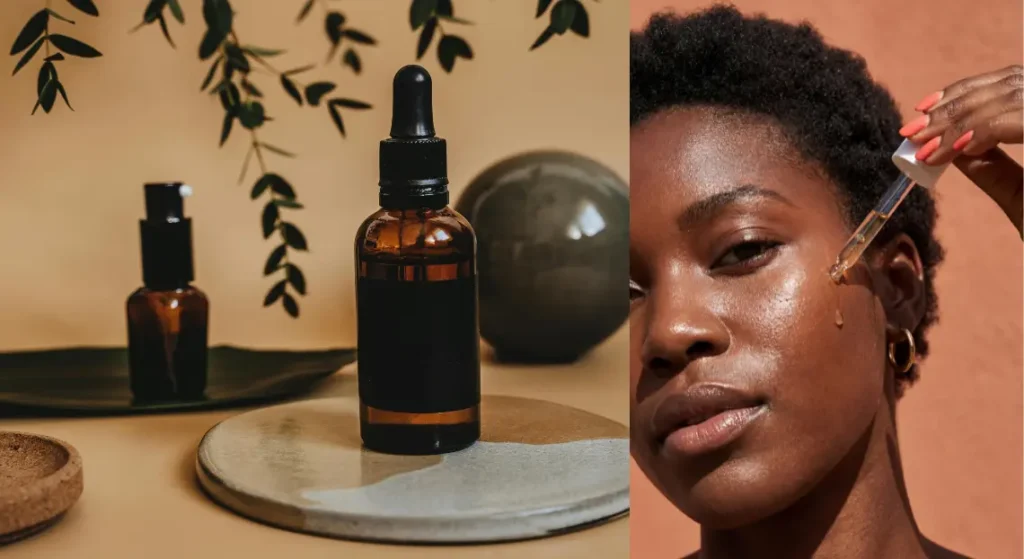
What Is Isopropyl Myristate? Isopropyl Myristate is a lightweight ingredient used in many skincare and cosmetic products. It helps improve how products feel on the skin and makes them easier to apply. Chemically, it is an ester made by combining isopropyl alcohol with myristic acid, a fatty acid commonly found in natural oils like coconut […]
What Are Emollients? Types, Uses, and Benefits for Skin
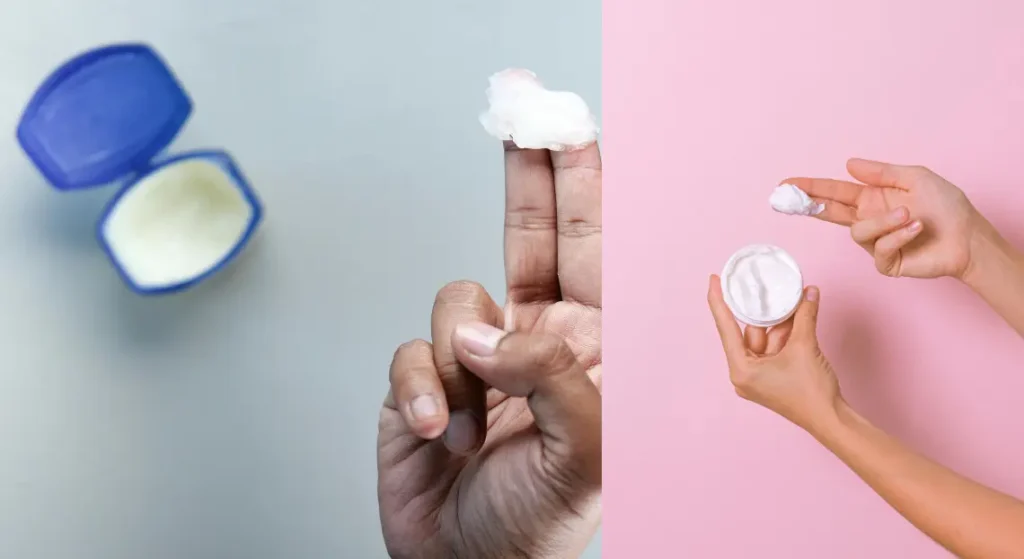
What Are Emollients? Emollients are ingredients that help keep the skin soft, smooth, and hydrated. They work by forming a thin layer on the skin surface that locks in moisture and prevents dryness. In simple terms, emollients are used to improve how the skin feels and looks by reducing roughness and dryness. They are widely […]