

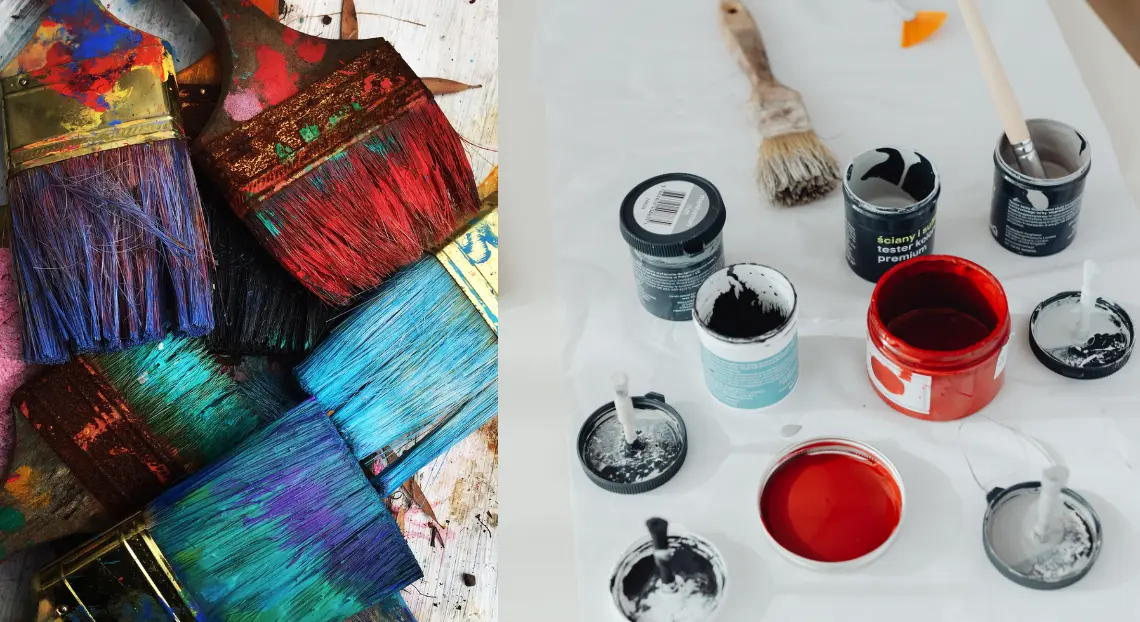
What is Paint Production?
Simple Meaning of Paint Production
Paint production is the process of making paint by mixing different raw materials in the right proportion. These materials mainly include pigments, binders, solvents, and additives. The process is done in a controlled industrial setup to make sure the paint is smooth, stable, and ready to use.
In simple words, paint production means converting basic chemical materials into a finished liquid coating that can be applied on different surfaces.
Purpose of Paint Production
The main purpose of paint production is to create a coating that can protect and improve the appearance of surfaces. Paint is not only used for decoration, but also for protection. It helps protect surfaces from moisture, heat, chemicals, rust, and weather damage.
Paint also improves surface life and reduces maintenance. For example, metal surfaces can rust without paint, and walls can get damaged due to moisture. A good quality paint increases durability and gives a clean and finished look.
Where Paint is Used?
Paint is used in many industries and daily life applications. In construction, it is used on walls, ceilings, and buildings to improve look and protect surfaces. In the automotive industry, paint is used on cars, bikes, and vehicles to prevent corrosion and give a smooth finish.
It is also used in industrial equipment, furniture, marine parts, and household items. From homes to factories, paint plays an important role in both protection and decoration.
Main Raw Materials Used in Paint Production
Pigments for Color and Opacity
Pigments are the materials that give paint its color and hiding power. They help cover the surface and block the base layer from showing through. Some pigments also protect surfaces from sunlight and corrosion. A common example is Titanium dioxide, which is widely used to produce bright white color and strong coverage. Other pigments are used to create shades like red, blue, yellow, and black. The quality and type of pigment directly affect the final look of the paint.
Binders for Film Formation and Adhesion
Binders, also called resins, are the materials that hold the pigment particles together and help the paint stick to the surface. After the paint dries, the binder forms a solid film that gives strength and durability. Common binders include acrylic, alkyd, and epoxy resins. The binder plays an important role in deciding how long the paint will last, how well it resists water, and how strong the finish will be.
Solvents for Viscosity Control
Solvents are used to adjust the thickness of the paint so it can be applied easily. They help dissolve or mix the other components and make the paint flow smoothly. In water-based paints, water is used as the main solvent. In oil-based paints, organic liquids like mineral spirits are used. After application, the solvent slowly evaporates, leaving behind a dry paint film.
Additives for Performance Improvement
Additives are small amounts of special chemicals added to improve paint quality. They help control drying time, prevent fungal growth, improve flow, and increase stability. Some additives also improve resistance to UV rays and chemicals. Even though they are used in small quantities, they play an important role in the overall performance of the paint.
Types of Paint Based on Composition
Water-Based Paints (Emulsion and Latex)
Water-based paints use water as the main solvent. These paints are easy to apply, dry faster, and have low smell. They are widely used for interior and exterior walls. Emulsion and latex paints give a smooth finish and are easy to clean. They are also more eco-friendly compared to other types because they release fewer harmful fumes. These paints are suitable for homes, offices, and buildings.
Oil-Based Paints (Alkyd Paints)
Oil-based paints use oil or alkyd resins as the base. These paints provide a hard and durable finish. They are commonly used on wood, metal, and surfaces that need strong protection. Oil-based paints take more time to dry and have a strong smell due to solvents. However, they offer better resistance to wear, stains, and moisture.
Solvent-Based Paints
Solvent-based paints use organic solvents instead of water. These paints are known for strong adhesion and high durability. They are used in industrial areas where surfaces face harsh conditions. These paints can resist chemicals, heat, and weather better than water-based paints, but they release more fumes during application.
Powder Coatings
Powder coatings are dry paints in powder form. They are applied using special equipment and then heated to form a solid layer. These coatings do not use liquid solvents, making them more environmentally friendly. They are commonly used on metal surfaces like appliances, furniture, and automotive parts.
Specialty Paints for Specific Uses
Specialty paints are designed for specific conditions. Heat-resistant paints can handle high temperatures, anti-corrosion paints protect metals from rust, and waterproof paints prevent water damage. These paints are used in industries, marine equipment, and areas where normal paint may not perform well.
Step-by-Step Paint Production Process
Raw Material Selection and Weighing
The paint production process starts with selecting the right raw materials. These include pigments, binders, solvents, and additives. Each material is chosen based on the type of paint being produced. Accurate weighing is very important because even a small change in quantity can affect the final quality. All materials are measured as per the formula before mixing.
Pre-Mixing of Ingredients
In this stage, the selected materials are mixed together to form a base mixture. Pigments are added with some amount of binder and solvent. This step helps in wetting the pigment particles so they can mix properly. The mixture at this stage is not fully smooth and needs further processing.
Pigment Dispersion Process
Pigment dispersion is done to break down pigment particles and spread them evenly in the liquid. This is an important step because it affects color strength and finish. High-speed mixers are used to achieve uniform distribution. Proper dispersion ensures that the paint gives consistent color on application.
Grinding and Milling Stage
After dispersion, the mixture is passed through grinding equipment like ball mills or sand mills. This step reduces particle size and improves smoothness. It helps remove any lumps and makes the paint more uniform. Fine grinding improves the quality, shine, and performance of the paint.
Let-Down Process in Paint Making
In the let-down stage, the remaining binder, solvent, and additives are added to the mixture. This step adjusts the final properties such as thickness, drying time, and finish. The paint starts to take its final form during this stage. Proper mixing is done to ensure all components are evenly combined.
Filtration for Clean Paint
The paint is then filtered to remove unwanted particles, dust, or impurities. This step ensures a smooth and clean final product. Filtration helps improve the appearance and performance of the paint during application.
Quality Testing of Paint
Before packaging, the paint is tested for different quality parameters. These include color, viscosity, drying time, and durability. Testing ensures that the paint meets required standards and performs well in real use.
Packaging and Storage of Paint
In the final step, the finished paint is filled into containers such as cans or drums. Proper labeling is done for identification and safety. The paint is then stored under suitable conditions to maintain its quality until it is used or transported.
Equipment Used in Paint Manufacturing
High-Speed Dispersers for Mixing and Dispersion
High-speed dispersers are one of the most important machines used in paint production. These machines are mainly used in the early stage to mix raw materials and break pigment particles into smaller sizes. They work with a fast rotating blade that creates strong force to mix solids and liquids evenly. This helps in achieving a uniform mixture and better color consistency. These machines are widely used because they improve mixing speed and overall paint quality.
Ball Mills and Sand Mills for Grinding
Ball mills and sand mills are used for grinding the paint mixture into very fine particles. A ball mill is a rotating machine filled with steel or ceramic balls that crush and grind materials into a smooth paste. This step improves the texture and finish of the paint.
Sand mills are more advanced and provide finer grinding compared to ball mills. In many factories, dispersers and sand mills are used together. The disperser mixes the material first, and the sand mill gives a fine and smooth finish.
Mixing Tanks for Uniform Blending
Mixing tanks are large containers used to mix different paint ingredients properly. These tanks are designed to handle both liquid and solid materials. They have strong stirring systems that ensure all components are blended evenly. Mixing tanks are used in different stages, from pre-mixing to final mixing. They help maintain consistency and prevent settling of particles during the process.
Filtration Units for Clean Paint
Filtration units are used to remove unwanted particles, dust, or impurities from the paint. This step is important to ensure the paint is smooth and free from lumps. Clean paint gives a better finish during application and improves product quality. Filtration also helps avoid defects like uneven coating.
Filling and Packaging Machines
Filling machines are used to pack the finished paint into containers like cans, buckets, or drums. These machines ensure accurate filling and reduce wastage. Packaging machines also seal and label the containers properly. This step is important for safe storage, transport, and easy use of the final product.
Quality Control in Paint Production
Importance of Quality Control in Paint Manufacturing
Quality control is an important part of paint production. It ensures that the final product is consistent, safe, and performs well. Without proper testing, paint may have defects like poor finish, uneven color, or low durability. Quality checks are done at different stages of production to avoid such problems and maintain standard performance.
Color Consistency Testing in Paint
Color testing ensures that the paint shade is accurate and matches the required standard. Even small color differences can affect the final look. Instruments like spectrophotometers are used to compare the paint color with a reference sample. Visual checks are also done under proper lighting conditions. This helps maintain uniform color across different batches.
Viscosity Measurement for Flow Control
Viscosity is the thickness of the paint and controls how easily it flows. It is one of the most important quality parameters. If the paint is too thick, it becomes hard to apply. If it is too thin, it may drip or give poor coverage. Viscosity is measured using tools like viscometers or flow cups to ensure proper consistency.
Drying Time Check for Performance
Drying time testing checks how long the paint takes to dry after application. This is important for both performance and usability. Paint that dries too fast or too slow can cause problems during application. Proper drying time ensures a smooth finish and strong film formation on the surface.
Adhesion and Durability Testing
Adhesion testing checks how well the paint sticks to a surface. Good adhesion is required for long-lasting performance. Tests like cross-cut or pull-off methods are used to measure bonding strength. Durability testing checks resistance to wear, chemicals, and weather. These tests ensure the paint can handle real-life conditions.
Shelf Life and Stability Testing
Shelf life testing ensures that the paint remains stable during storage. The paint should not separate, harden, or lose quality over time. Stability tests check how the paint behaves under different storage conditions. This helps manufacturers ensure that the product remains usable until its expiry date.
Applications of Paint
Use of Paint in Building and Construction
Paint is widely used in building and construction work. It is applied on walls, ceilings, and exterior surfaces to improve appearance and protect the structure. Paint acts as a protective layer against moisture, sunlight, and weather damage. It helps prevent cracks, dampness, and surface wear. It also makes cleaning and maintenance easier. In modern construction, different types of paints are used based on surface type and environmental conditions.
Paint Use in the Automotive Industry
In the automotive industry, paint is used on cars, bikes, and other vehicles to protect metal surfaces and improve look. It prevents rust and corrosion caused by moisture and air. Paint also protects the vehicle from sunlight and environmental damage. Special coatings are used to give a smooth, glossy finish and long-lasting color. Paint in this sector is applied using spray systems for uniform coverage.
Paint for Furniture and Wood Coating
Paint is used on wooden furniture, doors, and decorative items to enhance appearance and increase life. It protects wood from moisture, insects, and damage. Painted surfaces are easier to clean and maintain. Different finishes like matte, glossy, or textured are used based on design needs. Paint also helps in preserving wood quality for a longer time.
Paint in Industrial Equipment and Machinery
Paint is widely used in industrial equipment, machines, and metal structures. It protects surfaces from corrosion, chemicals, and heavy wear. Industrial coatings act as a barrier against harsh conditions and improve durability. They are used on pipelines, storage tanks, factory floors, and heavy machinery. This protection helps increase the life of equipment and reduce maintenance costs.
Paint in Marine and Protective Coatings
Paint plays an important role in marine applications such as ships, boats, and offshore structures. These surfaces are exposed to water, salt, and extreme weather conditions. Special marine paints are used to prevent rust, corrosion, and damage. Protective coatings are also used on bridges, steel structures, and infrastructure to increase life and safety. Paint in these applications is designed to handle tough environments and long-term exposure.
Conclusion
Paint production is a well-planned process that turns basic raw materials into a useful and reliable coating. It involves careful selection of materials, proper mixing, grinding, and testing to ensure the final product meets quality standards. Each step in the process plays an important role in achieving the right color, finish, and performance.
Paint is widely used in construction, automotive, furniture, and industrial sectors. It not only improves the appearance of surfaces but also protects them from damage, moisture, chemicals, and weather conditions. Different types of paints are produced based on their use and required properties.
With growing demand, paint production is also improving with better technology and eco-friendly solutions. Modern paints are more durable, safer to use, and have lower environmental impact.
In simple terms, paint production is an important part of many industries, helping to protect surfaces, increase product life, and improve overall appearance.
Frequently Asked Questions (FAQs) About Paint Production
What is paint production?
Paint production is the process of making paint by mixing pigments, binders, solvents, and additives to form a usable coating.
What are the main raw materials used in paint?
The main materials are pigments, binders, solvents, and additives.
Why are pigments used in paint?
Pigments give color and help cover the surface properly.
What is the role of binders in paint?
Binders hold the paint together and help it stick to the surface after drying.
What is the function of solvents in paint?
Solvents control the thickness of paint and help in smooth application.
What is pigment dispersion in paint production?
It is the process of spreading pigment particles evenly in the liquid for uniform color.
Why is grinding important in paint making?
Grinding makes the paint smooth and improves its finish and performance.
How is paint quality tested?
Paint is tested for color, thickness, drying time, and durability.
What industries use paint the most?
Construction, automotive, furniture, and industrial sectors use paint widely.
How is finished paint stored?
Paint is stored in sealed containers under proper conditions to maintain its quality.