

What Is a Catalyst in Chemistry?
A catalyst is a substance that increases the speed of a chemical reaction without being used up in the reaction. After the reaction is complete, the catalyst remains chemically unchanged and can take part in the reaction again.
In many chemical reactions, reactant molecules need a certain amount of energy to start reacting. This minimum energy required to start a reaction is called activation energy. If the activation energy is high, the reaction will occur slowly.
A catalyst works by providing an alternative reaction pathway with lower activation energy. Because less energy is needed, the reaction happens faster and more efficiently.
It is important to note that a catalyst does not change the final products of the reaction. It only affects how fast the reaction takes place.
For example, in some industrial processes, metal catalysts such as iron, nickel, or platinum are used to speed up chemical reactions. Without catalysts, many industrial reactions would take a very long time or require much higher temperatures and pressures.
In simple terms, a catalyst helps a chemical reaction happen faster by lowering the energy needed to start the reaction.
How Catalysts Work in Chemical Reactions?
Reaction Pathway and Activation Energy
In every chemical reaction, reactant molecules must first gain a certain amount of energy before they can react. This minimum energy required to start a reaction is called activation energy. If the activation energy is high, the reaction will occur slowly because only a small number of molecules have enough energy to react.
During a reaction, molecules collide with each other and chemical bonds break and form. For the reaction to continue, these collisions must have enough energy to overcome the activation energy barrier. When this energy barrier is large, many collisions fail to produce products, which slows down the reaction.
Alternative Reaction Pathway Provided by Catalysts
Catalysts help chemical reactions occur more easily by providing a different reaction pathway. This new pathway requires less activation energy than the normal reaction route. Because the energy barrier is lower, more molecules are able to react at the same temperature.
In many reactions, the catalyst temporarily interacts with reactant molecules and forms intermediate compounds. These intermediates then change into products, and the catalyst is released again at the end of the reaction. This allows the catalyst to participate in many reaction cycles without being consumed.
Effect of Catalysts on Reaction Rate
By lowering the activation energy, catalysts increase the number of successful molecular collisions. As a result, the reaction takes place faster and more efficiently. Catalysts do not change the final products or the overall energy of the reaction. They only help the system reach the products more quickly.
Because of this ability, catalysts are widely used in laboratory reactions and large-scale chemical manufacturing. They make reactions faster and help industries produce chemicals more efficiently.
Key Characteristics of Catalysts
Catalysts Are Not Consumed in Chemical Reactions
One of the most important characteristics of a catalyst is that it is not used up during a chemical reaction. The catalyst may take part in the reaction by forming temporary intermediate compounds with the reactants. However, at the end of the reaction, the catalyst returns to its original form.
This means it remains chemically unchanged after the reaction is complete. Because of this property, the same catalyst can continue to help many reaction cycles without being permanently consumed.
Catalysts Work Effectively in Small Quantities
Catalysts are usually required in very small amounts compared to the reactants. Even a small quantity can significantly increase the speed of a chemical reaction. This happens because the catalyst continuously participates in the reaction and helps many reactant molecules convert into products.
For this reason, catalysts are widely used in laboratory experiments and large industrial processes where improving reaction speed is important.
Catalysts Increase Reaction Rate Without Changing Equilibrium
Catalysts increase the rate of both forward and reverse reactions. Because of this, they do not change the position of chemical equilibrium or the final amount of products formed. The main role of a catalyst is only to help the reaction reach equilibrium faster by lowering the activation energy required for the reaction to start.
Catalysts Can Be Reused in Many Processes
Since catalysts are not permanently changed during reactions, they can often be recovered and reused. In many industrial processes, solid catalysts are separated from the reaction mixture and used again in future reactions. This makes catalysts economically valuable in chemical manufacturing.
Types of Catalysts in Chemistry
Homogeneous Catalysts in Chemical Reactions
A homogeneous catalyst is a catalyst that is present in the same phase as the reactants, usually in a liquid solution or gas mixture. Because the catalyst and reactants are in the same phase, they mix completely and react at the molecular level. This allows the catalyst to interact directly with the reactant molecules.
In many cases, homogeneous catalysts work by forming temporary intermediate compounds with the reactants. These intermediates then convert into products, and the catalyst is released again at the end of the reaction.
Homogeneous catalysts are commonly used in many laboratory reactions and some industrial processes. A common example is the use of acid catalysts such as sulfuric acid in esterification reactions, where alcohol reacts with organic acids to produce esters.
Heterogeneous Catalysts and Their Industrial Importance
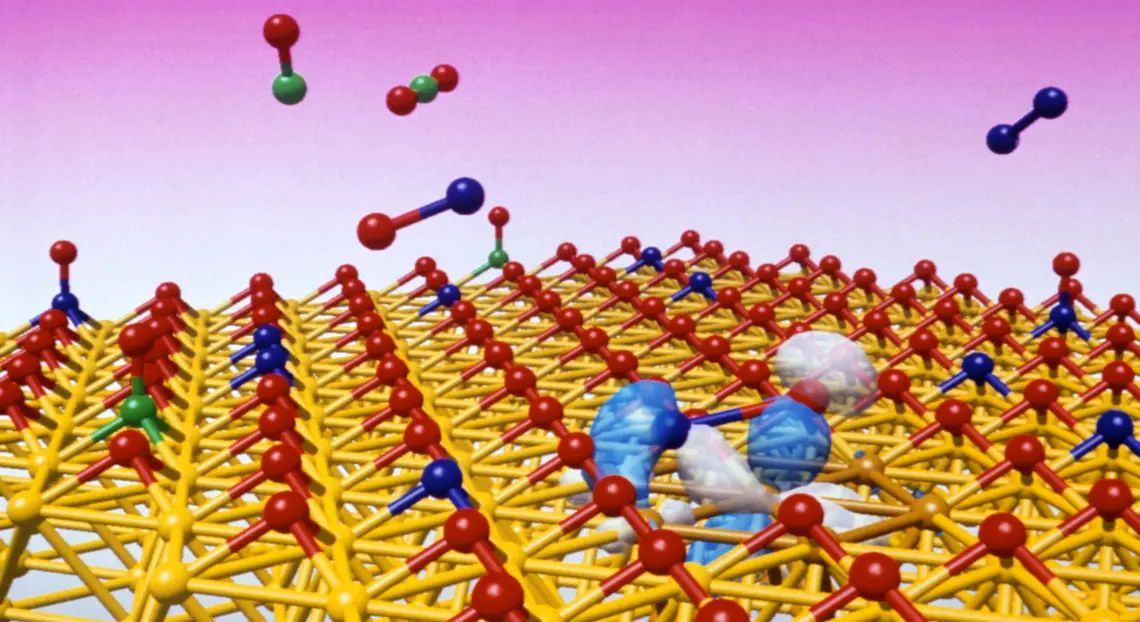
A heterogeneous catalyst is a catalyst that is in a different phase from the reactants. In most industrial reactions, the catalyst is a solid while the reactants are gases or liquids. The reaction usually takes place on the surface of the catalyst.
In this process, reactant molecules first attach to the surface of the catalyst. Chemical bonds are then broken and new bonds are formed, which produces the final products. After the reaction, the products leave the catalyst surface and the catalyst becomes ready for the next reaction cycle.
Heterogeneous catalysts are widely used in the chemical industry because they are easy to separate and reuse. Common examples include iron used in ammonia production, nickel used in hydrogenation of vegetable oils, and platinum used in catalytic converters.
Biological Catalysts (Enzymes) in Living Systems
Biological catalysts are known as enzymes. These catalysts are produced by living cells and are responsible for speeding up chemical reactions in biological systems.
Enzymes are usually proteins that help specific biochemical reactions occur quickly and efficiently. Without enzymes, many reactions inside living organisms would occur too slowly to support life.For example, digestive enzymes in the human body help break down food into smaller molecules that the body can absorb and use for energy.
Common Catalysts Used in the Chemical Industry
Iron Catalyst in Ammonia Production
Iron is one of the most widely used catalysts in the chemical industry. It plays an important role in the Haber process, which is used to produce ammonia from nitrogen and hydrogen gases. In this process, finely divided iron helps break the strong bonds in nitrogen molecules.
This allows nitrogen to react more easily with hydrogen to form ammonia. Ammonia produced by this method is mainly used to manufacture fertilizers and many other chemical products.
Nickel Catalyst in Hydrogenation Reactions
Nickel is commonly used as a catalyst in hydrogenation reactions. In this process, hydrogen is added to unsaturated compounds such as vegetable oils. The reaction takes place on the surface of the nickel catalyst.
The catalyst helps hydrogen molecules attach to the oil molecules, which changes liquid oils into semi-solid or solid fats. This method is widely used in the food industry to produce products such as margarine and shortening.
Platinum Catalyst in Industrial and Environmental Processes
Platinum is a highly effective catalyst used in several chemical and environmental processes. It is often used in reactions that involve oxidation and reduction.
One well-known use of platinum catalysts is in automobile catalytic converters, where harmful gases such as carbon monoxide and nitrogen oxides are converted into less harmful gases. Platinum catalysts are also used in petroleum refining and in the production of certain chemicals.
Vanadium Oxide Catalyst in Sulfuric Acid Production
Vanadium oxide is an important catalyst used in the contact process for producing sulfuric acid. In this process, vanadium oxide helps convert sulfur dioxide into sulfur trioxide. This step is necessary for the efficient production of sulfuric acid, which is one of the most widely manufactured industrial chemicals.
Zeolite Catalysts in Petroleum Refining
Zeolites are porous mineral catalysts widely used in the petroleum refining industry. Their special structure contains many tiny pores that allow chemical reactions to occur on a large surface area.
Zeolite catalysts are mainly used in processes such as catalytic cracking, where large hydrocarbon molecules are broken down into smaller and more useful fuel products like gasoline and diesel.
Industrial Processes That Use Catalysts
Ammonia Production in the Haber Process
The Haber process is one of the most important industrial methods that uses a catalyst. In this process, nitrogen from the air reacts with hydrogen gas to produce ammonia. The reaction normally occurs very slowly because nitrogen molecules have very strong bonds. An iron catalyst is used to speed up the reaction.
The catalyst helps break the nitrogen bond and allows nitrogen to react with hydrogen more easily. Ammonia produced by this process is mainly used to make fertilizers and other nitrogen-based chemicals.
Sulfuric Acid Production in the Contact Process
Sulfuric acid is produced on a large scale using the contact process. In this process, sulfur dioxide gas is converted into sulfur trioxide before forming sulfuric acid. A vanadium oxide catalyst is used to increase the speed of this conversion.
The catalyst helps sulfur dioxide react with oxygen more efficiently. Sulfuric acid is widely used in fertilizer production, chemical manufacturing, and petroleum refining.
Catalysts Used in Petroleum Refining
Catalysts play an important role in the petroleum refining industry. Crude oil contains large and complex hydrocarbon molecules that must be broken down into smaller and more useful products. Catalysts such as zeolites are used in processes like catalytic cracking.
These catalysts help break large molecules into smaller fuels such as gasoline, diesel, and other petroleum products.
Hydrogenation of Vegetable Oils
Hydrogenation is a process where hydrogen gas is added to unsaturated vegetable oils. This reaction uses a nickel catalyst to increase the reaction rate. The catalyst allows hydrogen to attach to the oil molecules more easily. As a result, liquid oils become semi-solid or solid fats.
This process is widely used in the food industry to produce products such as margarine and shortening.
Catalysts in Polymer Production
Catalysts are also important in the production of polymers and plastics. Special catalysts help join small molecules called monomers into long polymer chains. For example, catalysts are used in the production of polyethylene, polypropylene, and many other plastic materials used in packaging, construction, and everyday products.
Importance of Catalysts in the Chemical Industry
Faster Chemical Production in Industrial Processes
Catalysts play an important role in making industrial chemical reactions occur faster. Many chemical reactions naturally happen very slowly. Without catalysts, these reactions would require much more time to produce useful amounts of products.
Catalysts help speed up these reactions by lowering the activation energy needed for the reaction to start. Because of this, industries can produce chemicals in a shorter time. Faster reactions help factories increase production and meet the high demand for chemical products such as fertilizers, fuels, plastics, and medicines.
Lower Energy Requirements in Chemical Reactions
Another major advantage of catalysts is that they reduce the amount of energy required for many industrial reactions. Since catalysts lower the activation energy, reactions can take place at lower temperatures and sometimes at lower pressures.
Operating at lower temperature and pressure conditions helps reduce the energy needed to run industrial plants. This makes the production process more efficient and helps industries reduce fuel and electricity consumption during manufacturing.
Higher Efficiency and Better Product Yield
Catalysts also improve the efficiency of chemical processes. By guiding the reaction along a more effective pathway, catalysts help convert a larger amount of reactants into useful products.
This leads to higher product yield and reduces the amount of unwanted by-products. Higher efficiency means that industries can make better use of raw materials and reduce waste during production.
Cost Reduction in Chemical Manufacturing
Because catalysts increase reaction speed, improve efficiency, and reduce energy use, they help lower the overall cost of chemical manufacturing. Faster production and better use of raw materials reduce operating expenses in large industrial plants. For this reason, catalysts are considered essential for many modern chemical industries.
Factors That Affect Catalyst Performance
Effect of Temperature on Catalyst Activity
Temperature plays an important role in catalytic reactions. When the temperature increases, the energy of reactant molecules also increases. This allows molecules to move faster and collide more often, which can increase the reaction rate. Because of this, many catalytic reactions work better at higher temperatures.
However, very high temperatures can sometimes damage the catalyst or reduce its effectiveness. In some cases, the catalyst structure may change or become less active. For this reason, industrial processes usually operate within a specific temperature range to maintain good catalyst performance.
Effect of Pressure on Catalytic Reactions
Pressure mainly affects reactions that involve gases. When the pressure increases, gas molecules are pushed closer together. This increases the number of molecular collisions, which can help the reaction occur more quickly on the catalyst surface.
Many industrial processes, such as ammonia production in the Haber process, use high pressure to improve the efficiency of catalytic reactions. Proper pressure conditions help ensure that reactant molecules interact effectively with the catalyst.
Importance of Catalyst Surface Area
The surface area of a catalyst is another important factor that affects its performance. In many reactions, especially heterogeneous catalysis, the reaction takes place on the surface of the catalyst. A catalyst with a larger surface area provides more active sites where reactant molecules can attach and react.
Because of this, catalysts are often used in finely divided or porous forms. This increases the available surface area and improves the overall reaction rate.
Catalyst Poisoning and Loss of Activity
Catalyst poisoning occurs when unwanted substances attach to the catalyst surface and block its active sites. These substances prevent reactant molecules from reaching the catalyst, which reduces the reaction rate. Impurities such as sulfur, lead, or other chemicals can poison certain catalysts.
When poisoning occurs, the catalyst becomes less effective and may need to be cleaned, regenerated, or replaced.
Advantages and Limitations of Catalysts
Advantages of Catalysts in Chemical Reactions
Catalysts provide several important benefits in chemical reactions and industrial processes. One of the main advantages is that they help reactions occur faster. By lowering the activation energy required for a reaction, catalysts allow reactant molecules to convert into products more quickly. This helps industries produce chemicals in a shorter time and increases overall production efficiency.
Another major advantage is that catalysts help reduce energy consumption. Because the reaction can take place at lower temperatures or pressures, industries do not need to use as much fuel or electricity. Lower energy use also helps reduce operating costs in chemical plants.
Catalysts also improve product yield in many reactions. By guiding the reaction through a more effective pathway, they help convert a larger amount of reactants into useful products. This reduces the formation of unwanted by-products and allows industries to use raw materials more efficiently.
Limitations of Catalysts in Industrial Processes
Although catalysts provide many benefits, they also have some limitations. One common problem is catalyst deactivation. Over time, catalysts may lose their activity due to changes in their structure, high temperatures, or buildup of reaction by-products on the surface. When this happens, the catalyst becomes less effective and may need to be regenerated or replaced.
Another limitation is the high cost of certain catalysts. Some catalysts, especially those made from precious metals such as platinum or palladium, are expensive. This can increase the initial cost of industrial processes.Catalysts can also be sensitive to impurities. Small amounts of unwanted chemicals can attach to the catalyst surface and block active sites. This reduces catalyst efficiency and slows down the reaction.
Frequently Asked Questions About Catalysts
What is a catalyst in chemistry?
A catalyst is a substance that increases the speed of a chemical reaction without being permanently changed or used up in the reaction. It helps the reaction occur faster by lowering the activation energy required to start the reaction.
How do catalysts speed up chemical reactions?
Catalysts speed up reactions by providing an alternative reaction pathway that requires less activation energy. Because the energy barrier is lower, more reactant molecules can react successfully, which increases the overall reaction rate.
What are the main types of catalysts?
The main types of catalysts are homogeneous catalysts, heterogeneous catalysts, and biological catalysts. Homogeneous catalysts are in the same phase as the reactants, heterogeneous catalysts are in a different phase, and biological catalysts are enzymes found in living organisms.
Are catalysts used up during chemical reactions?
No, catalysts are not consumed during reactions. They may take part in intermediate steps of the reaction, but they return to their original form after the reaction is complete and can be used again.
Why are catalysts important in the chemical industry?
Catalysts are important because they make chemical reactions faster and more efficient. They help reduce energy consumption, increase product yield, and lower the cost of chemical manufacturing.
What is an example of a catalyst used in industry?
A common example is the iron catalyst used in the Haber process to produce ammonia. Nickel catalysts are also used in hydrogenation reactions, and vanadium oxide is used in the production of sulfuric acid.
What is catalyst poisoning?
Catalyst poisoning occurs when unwanted substances attach to the catalyst surface and block its active sites. This prevents reactant molecules from reaching the catalyst and reduces its effectiveness.
Can catalysts be reused?
Yes, many catalysts can be reused because they are not permanently changed during the reaction. In many industrial processes, catalysts are recovered and used again to reduce costs and improve efficiency.