

What is a Methanol?
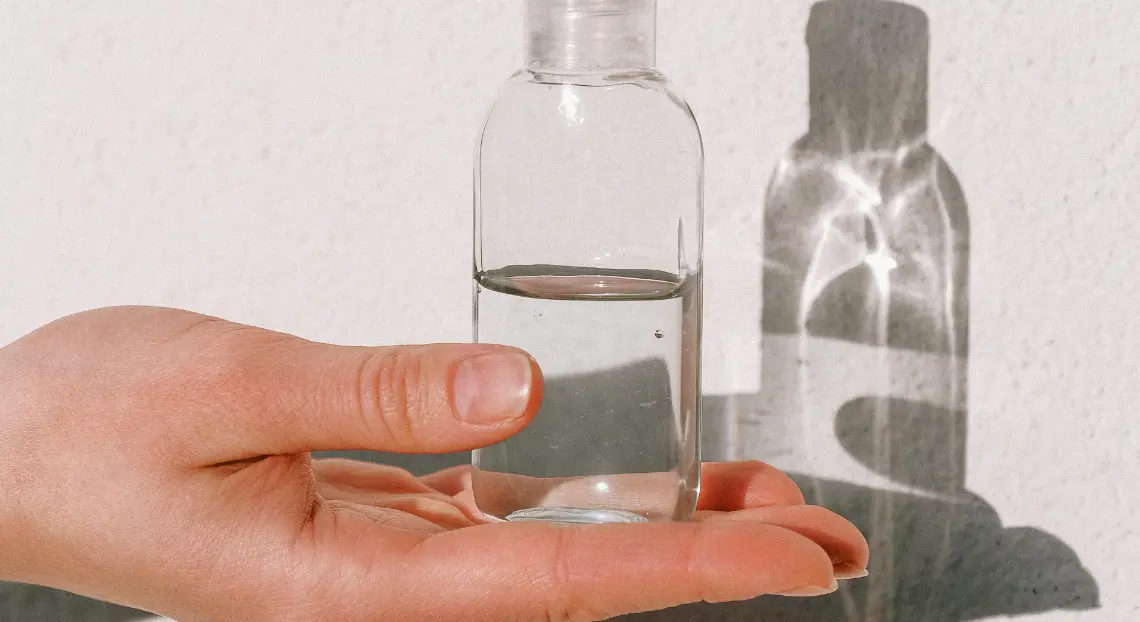
Methanol is a simple alcohol and one of the most basic organic chemicals. It is a clear, colorless liquid with the chemical formula CH₃OH. It is highly flammable and mixes easily with water.
Methanol is widely used in industries because it is a key raw material for many chemicals. It is used to produce formaldehyde, plastics, paints, and synthetic materials. It is also used as a fuel and fuel additive.
Because of its wide use and easy availability, methanol plays an important role in chemical manufacturing, energy production, and everyday industrial applications. However, it is toxic and must be handled carefully.
Chemical Properties of Methanol
Molecular Structure of Methanol
Methanol is the simplest alcohol with the formula CH₃OH. Its structure is very simple. One carbon atom is connected to three hydrogen atoms and one hydroxyl group (–OH). The molecule has a tetrahedral shape around the carbon atom. This simple structure makes methanol highly reactive and useful in many chemical processes.
Polarity and Solubility of Methanol
Methanol is a polar compound because of the presence of the –OH group. Oxygen pulls electrons towards itself, which creates a partial charge in the molecule. Due to this, methanol can form hydrogen bonds. This is the main reason why methanol mixes completely with water. It is also able to dissolve many other polar substances, making it a good solvent in chemical industries.
Boiling and Melting Point of Methanol
Methanol has a low melting point of about −97°C and a boiling point of about 65°C. These values are higher than many similar small organic compounds because methanol forms hydrogen bonds between its molecules. These bonds need extra energy to break, which increases the boiling point.
Reactivity of Methanol
Methanol is chemically active and takes part in many reactions. It can act as a weak acid and a weak base. It reacts with oxygen to burn and produce carbon dioxide and water. It also reacts with acids to form esters and with other chemicals to produce formaldehyde and other useful compounds. Because of this reactivity, methanol is widely used in chemical manufacturing.
Physical Properties of Methanol
Color and Odor of Methanol
Methanol is a clear and colorless liquid. It looks very similar to water, so it is difficult to identify just by appearance. It has a mild, slightly sweet alcohol-like smell, but the odor is not very strong. In many cases, it is hard to detect unless the concentration is high.
Physical State of Methanol
At normal room temperature, methanol exists as a liquid. It remains in liquid form under standard conditions of temperature and pressure. Because of its low freezing point, it can stay liquid even in very cold environments. This property makes it useful in applications like antifreeze and low-temperature processes.
Density of Methanol
Methanol has a density of about 0.79 g/cm³, which is lower than water. This means methanol is lighter than water. If both liquids are placed together, methanol will stay above water. Its low density also makes it easy to handle and transport in industrial use.
Flammability of Methanol
Methanol is highly flammable and can catch fire easily. It has a low flash point of around 11°C, which means it can produce vapors that ignite at low temperatures. The flame produced by methanol is often pale blue and may be hard to see in daylight. Because of this, methanol must be stored and handled carefully to avoid fire risks.
Methanol’s physical properties make it useful in many industries, but its flammability and toxicity require proper safety measures.
Grades of Methanol
Methanol Grades Based on Purity and Use
Methanol is the same chemical compound, but it is available in different grades depending on its purity level and application. The main difference between grades is the amount of impurities present. High purity methanol is used in sensitive work, while lower purity methanol is used in industrial processes.
Industrial Grade Methanol
Industrial or technical grade methanol is used in large-scale industries. It usually has purity around 99% or slightly higher. It may contain small amounts of impurities such as water or other chemicals. This grade is widely used in chemical manufacturing, paints, fuels, and solvents where very high purity is not required.
Reagent and Laboratory Grade Methanol
Reagent grade methanol is highly pure and made for laboratory use. It generally has purity above 99.8% and follows strict quality standards. This type is used in chemical analysis, experiments, and testing where accuracy is important. Even small impurities can affect results, so high purity is needed.
High-Purity Analytical Grade Methanol
Analytical grades like HPLC or LC-MS methanol are the purest forms. These grades have very low levels of contaminants such as metals or organic impurities. They are used in advanced testing methods and sensitive instruments to ensure accurate results.
Denatured and Fuel Grade Methanol
Denatured methanol is mixed with other substances to make it unsafe for drinking. Fuel grade methanol is used in engines and fuel blending. These grades are designed for energy use and industrial applications rather than laboratory work.
Methanol grades are selected based on the required purity and purpose, which helps ensure proper performance and safety in different applications.
How Methanol is Produced?
Industrial Production of Methanol from Natural Gas
Today, most methanol is produced from natural gas. Natural gas mainly contains methane, which is a good source of carbon and hydrogen. Around 90% of global methanol production uses this method because it is efficient and cost-effective. Methanol is made in large plants where raw materials are processed in stages to get the final product.
Steam Reforming Process
The first step in production is called steam reforming. In this process, methane reacts with steam at high temperature to form a gas mixture. This mixture is called synthesis gas or syngas. It mainly contains hydrogen, carbon monoxide, and carbon dioxide. This step is important because syngas is the main raw material used to make methanol.
Methanol Synthesis Process
In the next step, the syngas is converted into methanol. This is done using a catalyst under high pressure and moderate temperature. The gases react to form liquid methanol. After this, the crude methanol is purified through distillation to remove water and impurities. This gives pure methanol ready for use.
Traditional Method of Methanol Production
Earlier, methanol was produced from wood. This method is called destructive distillation of wood. Wood was heated in the absence of air, which released gases and liquids. These were then cooled and separated to obtain methanol.
This method is no longer used on a large scale because modern industrial processes are more efficient and produce higher quality methanol.
Common Uses of Methanol
Methanol as Fuel and Fuel Additive
Methanol is widely used as a fuel and as a fuel additive. It burns cleanly and produces fewer harmful emissions compared to many other fuels. It is used in racing cars, fuel cells, and in some industrial burners. Methanol is also blended with petrol to improve combustion and reduce pollution. Because it is easy to store and transport, it is considered a useful alternative fuel.
Use in Chemical Industry and Manufacturing
Methanol is an important raw material in the chemical industry. It is mainly used to produce formaldehyde, which is further used to make plastics, resins, paints, and adhesives. Many everyday products such as furniture, insulation materials, and coatings depend on methanol-based chemicals. It is also used to produce acetic acid and other industrial chemicals.
Methanol as a Solvent
Methanol is a good solvent because it can dissolve many substances. It is used in paints, varnishes, inks, and cleaning products. In laboratories, methanol is used to dissolve chemicals and prepare solutions. Its ability to mix with water and other liquids makes it useful in many industrial and research applications.
Use in Antifreeze and Windshield Fluids
Methanol is used in antifreeze and windshield washer fluids. It lowers the freezing point of water, which helps prevent freezing in cold conditions. This makes it useful in vehicles and industrial cooling systems. It also helps in cleaning glass surfaces by removing dirt and ice.
Role in Biodiesel Production
Methanol plays an important role in biodiesel production. It reacts with vegetable oils or animal fats to produce biodiesel through a process called transesterification. This process helps convert natural oils into a usable fuel. Methanol is preferred because it is effective, affordable, and widely available.
Advantages of Methanol
Clean Burning Fuel with Lower Emissions
Methanol is known as a clean-burning fuel. When it burns, it produces fewer harmful gases such as sulfur oxides and particulate matter. It also releases lower levels of nitrogen oxides compared to many traditional fuels. This helps reduce air pollution. Because of this property, methanol is used in fuel blends and considered a better option for cleaner energy.
Versatile Chemical for Many Industries
Methanol is a very useful and flexible chemical. It is used as a base material to produce many important chemicals like formaldehyde, acetic acid, and plastics. These products are used in construction, automotive, and household items. Its ability to take part in many chemical reactions makes it important in industrial production.
Easy Availability and Large-Scale Production
Methanol is easily available because it is produced in large quantities around the world. It is mainly made from natural gas, which is widely available. Modern production methods allow industries to produce methanol efficiently and in large volumes. This makes it a reliable chemical for continuous industrial use.
Cost-Effective Industrial Chemical
Methanol is cost-effective compared to many other chemicals and fuels. Its production process is well developed, which helps keep the cost low. It is also easy to store and transport, which reduces handling costs. Because of its low price and wide use, methanol is a preferred choice in many industries.
Methanol offers several practical benefits, especially in fuel and chemical applications. Its clean burning nature, wide use, and affordability make it an important industrial chemical.
Disadvantages of Methanol
High Toxicity and Health Risks
Methanol is highly toxic to humans. Even a small amount can be dangerous if swallowed. Once inside the body, it breaks down into harmful substances that can damage the eyes and nervous system. It can cause symptoms like headache, dizziness, nausea, and blurred vision. In severe cases, it can lead to blindness or death. Methanol vapors can also be harmful when inhaled for a long time, and direct contact can irritate the skin and eyes.
Flammable and Fire Hazard
Methanol is a highly flammable liquid and can catch fire easily. It has a low flash point, which means it can produce flammable vapors at low temperatures. These vapors can form explosive mixtures with air. One major risk is that methanol burns with a light blue flame that is often hard to see in daylight. This makes fire accidents more dangerous because flames may not be easily noticed. Proper storage and handling are required to reduce fire risk.
Environmental Risks When Misused
Methanol can be harmful to the environment if it is not handled properly. Spills or leaks can contaminate water and soil. In water, methanol can affect aquatic life by reducing oxygen levels and causing toxicity. Although methanol can break down naturally over time, large amounts can still cause short-term damage. Improper disposal can also create pollution problems.
Methanol has many useful applications, but these disadvantages show the importance of careful handling, proper storage, and safe use in all conditions.
Conclusion
Methanol is a simple but important chemical used in many industries. It has useful properties that make it suitable for fuel, chemical production, and solvent applications. It is widely used because it is easy to produce, cost-effective, and versatile.
At the same time, methanol has some serious risks. It is toxic, highly flammable, and can be harmful if not handled properly. Because of this, proper safety measures are always required during its storage, handling, and use.
Overall, methanol plays a key role in modern industry and energy use. With proper care and responsible handling, it can be used safely and effectively in many applications.
Frequently Asked Questions (FAQs) About Methanol
What is methanol used for?
Methanol is used as a fuel, solvent, and raw material to make chemicals like formaldehyde, plastics, and paints.
Is methanol safe to use?
Methanol can be used safely if proper precautions are followed. It is toxic and should be handled carefully.
Is methanol drinkable?
No, methanol is poisonous. Drinking it can cause serious health problems, including blindness or death.
What is the difference between methanol and ethanol?
Methanol is toxic and used in industry, while ethanol is less toxic and used in alcoholic drinks and sanitizers.
How is methanol produced?
Methanol is mainly produced from natural gas through a process that involves steam reforming and synthesis.
Why is methanol used as a fuel?
Methanol burns cleanly and produces fewer harmful emissions compared to many traditional fuels.
What happens if methanol is inhaled?
Inhaling methanol vapors can cause headache, dizziness, and irritation. Long exposure can be harmful.
Can methanol mix with water?
Yes, methanol mixes completely with water due to its polar nature.
Is methanol flammable?
Yes, methanol is highly flammable and can catch fire easily, even at low temperatures.
Where is methanol commonly found?
Methanol is found in fuels, antifreeze, windshield washer fluids, paints, and industrial chemicals.