

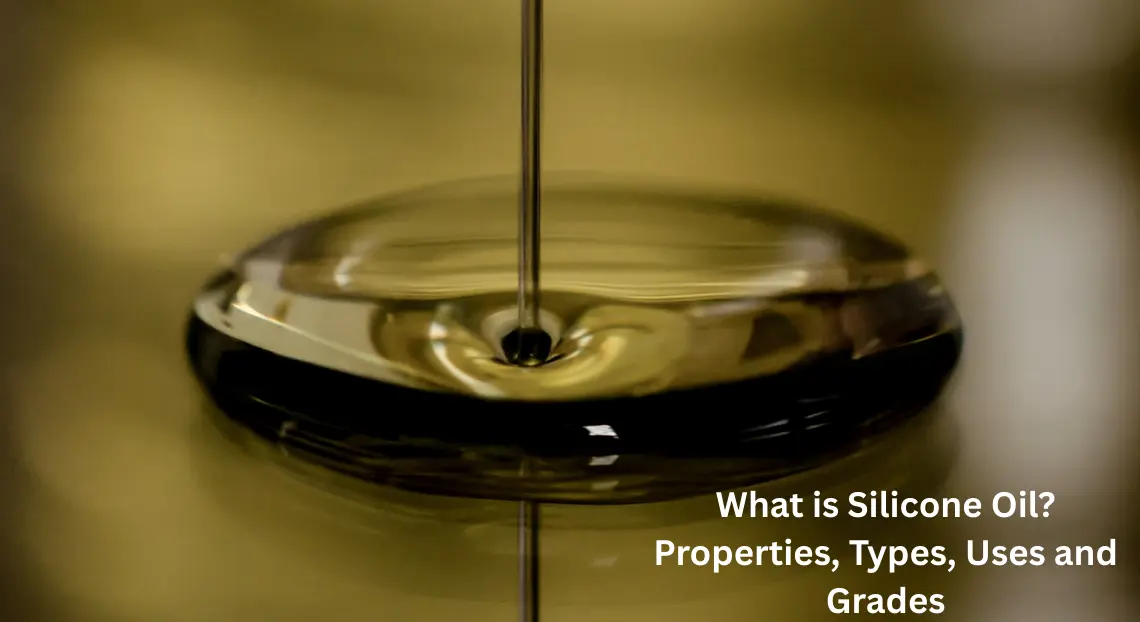
What is Silicone oil?
Silicone oil is a clear, colorless, and odorless synthetic liquid made from silicone (a polymer of silicon, oxygen, carbon, and hydrogen). It’s known for being chemically stable, non-reactive, and slippery, which makes it useful across a lot of industries.
Key Properties of Silicone Oil
Thermal Stability of Silicone Oil
Silicone oil can withstand both high and low temperatures without breaking down. It stays stable and keeps its performance in heat that would damage many other oils. Because of this, silicone oil is used in machines and equipment that operate at very high temperatures. It also remains fluid at low temperatures, making it useful in cold environments.
Viscosity Range of Silicone Oil
Viscosity means how thick or thin a liquid is. Silicone oil comes in many viscosity grades, from very thin to very thick. Thin silicone oil flows easily and is used where smooth movement is needed. Thicker silicone oil is used where more resistance and cushioning are required. The wide viscosity range allows users to select the right type for their specific needs.
Chemical Inertness
Silicone oil does not easily react with other chemicals. It is stable when it comes into contact with most acids, bases, and solvents. This makes it suitable for use in sensitive processes where chemical reactions must be avoided. Its inert nature also reduces the risk of contamination in many applications.
Water Repellency
Silicone oil repels water and does not mix with it. This makes it useful as a protective layer on surfaces that should stay dry. Water repellency also helps protect equipment from moisture damage.
Lubricating Behavior
Silicone oil provides smooth lubrication between moving parts. It reduces friction and wear, helping machines run more efficiently. Its lubricating ability remains effective over long periods, even under pressure or heat.
How Silicone Oil Is Manufactured?
Raw Materials Used in Silicone Oil Production
Silicone oil is made using silicon as the main raw material. Silicon is derived from sand, which is rich in silica. This silicon is combined with organic compounds to create silicone-based materials. The quality of the raw materials plays an important role in the purity and performance of the final oil.
Formation of Siloxane Chains
In the next step, silicon reacts with methyl chloride under controlled conditions. This reaction forms intermediate compounds that are later converted into siloxanes. Siloxanes are the basic building blocks of silicone oil. These compounds create a strong silicon–oxygen backbone, which gives silicone oil its thermal stability and durability.
Polymerization Process
The siloxane compounds are then mixed with water in a controlled process called polymerization. During this stage, siloxane units join together to form long chains. The length of these chains decides whether the final product will be thin or thick. Careful control ensures the product remains a liquid and does not turn into a solid material.
Purification and Viscosity Control
After polymerization, the silicone oil is refined and purified to remove unwanted residues. The oil is then adjusted to specific viscosity grades based on application needs. Final testing ensures consistent quality, stability, and performance before the silicone oil is supplied for industrial, cosmetic, or technical use.
Common Types of Silicone Oil
Dimethyl Silicone Oil
Dimethyl silicone oil is the most widely used type of silicone oil. It has a simple chemical structure with methyl groups attached to the silicone backbone. This type of oil is stable at high and low temperatures, does not react easily with other chemicals, and has good lubricating properties. It is commonly used in industrial applications, cosmetics, and as a heat transfer fluid.
Phenyl Silicone Oil
Phenyl silicone oil contains phenyl groups along with methyl groups in its chemical structure. The addition of phenyl groups improves heat resistance and low-temperature flexibility. Because of this, phenyl silicone oil is suitable for applications where materials must remain stable under extreme temperature changes. It is often used in specialty fluids and coatings that require enhanced thermal performance.
Amino Silicone Oil
Amino silicone oil has amino functional groups attached to the silicone chain. These groups allow it to stick better to surfaces like fabric and hair. This makes amino silicone oil useful in personal care products such as hair conditioners and skin treatments. It also finds use in adhesive and coating applications where improved bonding is needed.
Methyl Hydrogen Silicone Oil
Methyl hydrogen silicone oil contains hydrogen atoms along with methyl groups. This type of oil is used in applications where chemical reactions are needed to form bonds, such as silicone rubber production and cross-linking processes. It helps in curing and strengthening silicone-based materials.
Each type of silicone oil has specific properties that make it suitable for certain uses. Understanding these differences helps in choosing the right silicone oil for any application.
Silicone Oil Grades and Viscosity
Industrial Grade Silicone Oil
Industrial grade silicone oil is designed for use in machines, tools, and manufacturing processes. This grade is strong, stable, and suitable for high temperature or heavy-duty use. It is commonly used as a lubricant, heat transfer fluid, and defoamer in industries such as automotive, plastics, and metalworking. Industrial grade may not meet the purity required for personal care or food applications, but it performs well in technical and mechanical environments.
Cosmetic and Personal Care Grade Silicone Oil
Cosmetic grade silicone oil is made to be safe for skin and hair. It is purified to remove harmful substances and is gentle on the body. This grade is found in products like lotions, hair serums, creams, and makeup. In these products, silicone oil improves smoothness, spreadability, and texture. Because it is stable and non-reactive, it enhances product performance without causing irritation when used properly.
Food and Pharmaceutical Grade Silicone Oil
Food and pharmaceutical grade silicone oil is produced to meet strict safety standards. It must be free from impurities and safe for contact with food or medicines. This grade is used in food processing equipment, pharmaceutical manufacturing, and medical devices. It ensures that there is no contamination while delivering consistent performance in heating, lubrication, or coating.
Understanding Viscosity of Silicone Oil
Viscosity refers to how thick or thin a liquid is. Silicone oil is measured in centistokes (cSt). Lower cSt values indicate thinner oils that flow easily, while higher cSt values mean thicker oils with more resistance to flow. Different applications require specific viscosity levels. For example, thin oils are used for fine lubrication, while thick oils are chosen for shock absorption and heavy lubrication. Viscosity is a key factor when selecting the right silicone oil for any use.
Industrial Applications of Silicone Oil
Use of Silicone Oil for Lubrication and Damping
In industrial settings, silicone oil is widely used for lubrication. It provides smooth movement between parts and reduces friction in machines. Its stability at high and low temperatures makes it reliable for equipment that runs continuously or under heavy loads. Silicone oil also acts as a damping fluid. It helps absorb shock and vibration in precision devices such as measuring instruments and vibration control systems.
Silicone Oil as Heat Transfer Fluid
Silicone oil is used as a heat transfer fluid in many industrial processes. It can carry and distribute heat evenly without breaking down. This property makes it ideal for use in ovens, dryers, and temperature-controlled systems. Many industries, such as plastics and electronics manufacturing, depend on silicone oil to maintain stable process temperatures.
Role of Silicone Oil as Mold Release Agent
In molding and casting operations, silicone oil acts as a release agent. It creates a thin, slippery layer on molds so finished parts can be removed easily. This reduces defects, shortens cycle time, and improves the quality of molded products. Silicone oil works well with materials like rubber, plastic, and metal.
Silicone Oil for Defoaming in Industrial Processes
Silicone oil is effective as a defoamer in processes where foam is a problem. Foam can slow down production and affect product quality in industries like chemical processing, wastewater treatment, and food production. Adding silicone oil helps break foam quickly and reliably, allowing processes to run smoothly. Silicone oil’s chemical stability and compatibility with various liquids make it a preferred choice for defoaming in many industrial applications.
Advantages of Silicone Oil
High Temperature Stability
Silicone oil performs well in both high and low temperatures. It does not break down, burn, or lose its properties when exposed to heat or cold. This makes it suitable for machines, equipment, and systems that operate in extreme temperature conditions for long periods.
Excellent Chemical Resistance
Silicone oil does not react easily with most chemicals, acids, or bases. Because of this, it remains stable even when used in demanding industrial processes. This resistance helps protect equipment and reduces the risk of contamination or product damage.
Long Service Life
One major advantage of silicone oil is its long working life. It resists oxidation and does not degrade quickly when exposed to air or heat. This reduces the need for frequent replacement and lowers maintenance costs over time.
Effective Lubrication Performance
Silicone oil reduces friction between moving parts and allows smooth operation. It helps minimize wear and tear, which improves machine efficiency and extends equipment life. Its lubricating ability remains consistent over long use.
Water Repellent and Moisture Resistant
Silicone oil does not mix with water and forms a protective layer on surfaces. This property helps prevent moisture damage and corrosion, especially in humid or wet environments.
Limitations and Considerations of Silicone Oil
Higher Cost Compared to Some Oils
One limitation of silicone oil is its higher price. Silicone oil typically costs more than many mineral or plant-based oils. For applications where cost is a major concern and extreme performance is not needed, alternative oils may be chosen. The long-term benefits often justify the cost, but initial expenses are still higher.
Not Always Suitable for Every Application
Silicone oil performs very well under specific conditions, but it is not ideal for all uses. For example, in high-pressure gear systems, traditional gear oils may offer better protection. In engines and heavy machinery where additives are required, silicone oil may not provide the same level of performance. It is important to select the right oil based on the exact requirements of the system.
Environmental Considerations
Silicone oil is generally stable and non-toxic, but its environmental impact should be considered. Silicone oils are not biodegradable in the same way as some natural oils. Spills and disposal must follow proper waste management practices. Users should ensure compliance with local environmental regulations when disposing of used silicone oil.
Compatibility with Some Materials
In a few cases, silicone oil may not be compatible with certain plastics or paint coatings. It can cause swelling or softening in specific types of rubber or polymer materials. Before using silicone oil in systems with sensitive components, it is important to check compatibility with all materials involved.
Understanding these limitations helps in choosing silicone oil wisely for the right applications.
Environmental and Safety Aspects of Silicone Oil
Toxicity Profile of Silicone Oil
Silicone oil is generally regarded as low in toxicity when used as intended. Many grades of silicone oil are safe for use in cosmetics, personal care products, and certain medical applications. However, not all silicone oils are safe for direct human contact or ingestion. Industrial grades may contain additives or impurities that make them unsuitable for food or skin use. It is important to choose the correct grade and follow safety guidelines provided by manufacturers.
Biodegradability of Silicone Oil
Silicone oil does not break down easily in the environment. Unlike some natural oils that degrade relatively quickly, silicone oil tends to persist for a longer time. This slow breakdown means that large releases into soil or water can remain in the environment for extended periods. Proper handling and waste management are essential to reduce environmental impact. In controlled waste facilities, silicone oil can be processed responsibly without harming the environment.
Regulatory Considerations for Silicone Oil
Silicone oil use is governed by safety and environmental regulations in many regions. cosmetic and food-grade silicone oils must meet strict standards for purity and safety before they are approved for use. Industrial silicone oils must also comply with safety data sheet (SDS) requirements, including handling, storage, and disposal instructions. Many countries require proper labeling and documentation to ensure safe use and transport. Users should be familiar with local regulations and follow all guidelines to ensure compliance and avoid penalties.
Understanding these environmental and safety aspects helps users handle silicone oil responsibly and choose the right grade for their needs.
How to Choose the Right Silicone Oil?
Selecting Silicone Oil Based on Application
Choosing the right silicone oil starts with understanding how you will use it. Different uses demand different properties. For industrial machines, you need oil that handles heat and reduces friction. In cosmetics, you need oil that is gentle on skin and hair. For food processing or medical devices, you must use food-grade or medical-grade silicone oil that meets safety standards. Knowing the purpose helps narrow down the type of silicone oil that will perform well and avoid problems later.
Considering Viscosity Requirements
Viscosity is one of the most important factors when selecting silicone oil. Viscosity measures how thick or thin the oil is. Low-viscosity silicone oil flows easily and is best for light lubrication and damping. High-viscosity oil is thicker and works well in heavy-duty uses like shock absorption and slow movements. Check the viscosity rating in centistokes (cSt) and match it with the needs of your system. Choosing the right viscosity ensures effective performance and longer life for both the oil and the equipment.
Meeting Industry Standards and Compliance
Different industries have rules and standards that products must meet. Cosmetic and food applications require certified grades that are safe for contact with skin or food. Industrial applications may also require compliance with safety or environmental regulations. Always check that the silicone oil grade meets relevant standards and regulations in your region. This reduces risks and ensures reliable performance. Choosing silicone oil that complies with industry requirements protects both users and products.
Common Questions About Silicone Oil
What is silicone oil mainly used for?
Silicone oil is used for lubrication, heat transfer, damping, mold release, and defoaming. It is also used in cosmetics, medical devices, and electrical systems, depending on the grade.
Is silicone oil safe to use?
Silicone oil is generally safe when the correct grade is used. Cosmetic, food, and medical grades are tested for safety, while industrial grades should only be used for technical applications.
Can silicone oil be used at high temperatures?
Yes, silicone oil performs very well at high temperatures. It remains stable and does not break down easily, which makes it suitable for heat-intensive applications.
Does silicone oil mix with water or other oils?
Silicone oil does not mix with water and usually does not blend well with mineral or synthetic oils. Mixing should be avoided unless compatibility is confirmed.
How long does silicone oil last?
Silicone oil has a long service life. It resists oxidation and does not degrade quickly, even with continuous use or heat exposure.
What does viscosity (cSt) mean in silicone oil?
Viscosity shows how thick or thin the oil is. Lower cSt means thinner oil with easy flow, while higher cSt means thicker oil used for damping or heavy lubrication.
Can silicone oil damage materials?
Silicone oil is compatible with many materials, but it may affect some plastics, rubbers, or painted surfaces. Material compatibility should be checked before use.
Is silicone oil environmentally friendly?
Silicone oil is low in toxicity but not easily biodegradable. Proper handling and disposal are important to reduce environmental impact.
Conclusion
Silicone oil is a reliable and versatile fluid used across many industries because of its stability, performance, and wide range of applications. Its ability to remain stable under extreme temperatures, resist chemical reactions, and provide smooth lubrication makes it suitable for industrial, cosmetic, medical, and electrical uses. With different types, grades, and viscosity options available, silicone oil can be selected to meet specific technical and safety requirements.
Understanding how silicone oil is made, its key properties, and its limitations helps in choosing the right product for the right application. Using the correct grade and viscosity ensures better performance, longer service life, and safer operation. While silicone oil offers many advantages, proper handling, storage, and disposal are important to reduce environmental impact and avoid compatibility issues.
Overall, silicone oil continues to be a preferred choice where consistency, durability, and reliable performance are required. When selected and used correctly, it adds long-term value to both industrial processes and everyday products.