
What is Water Treatment?
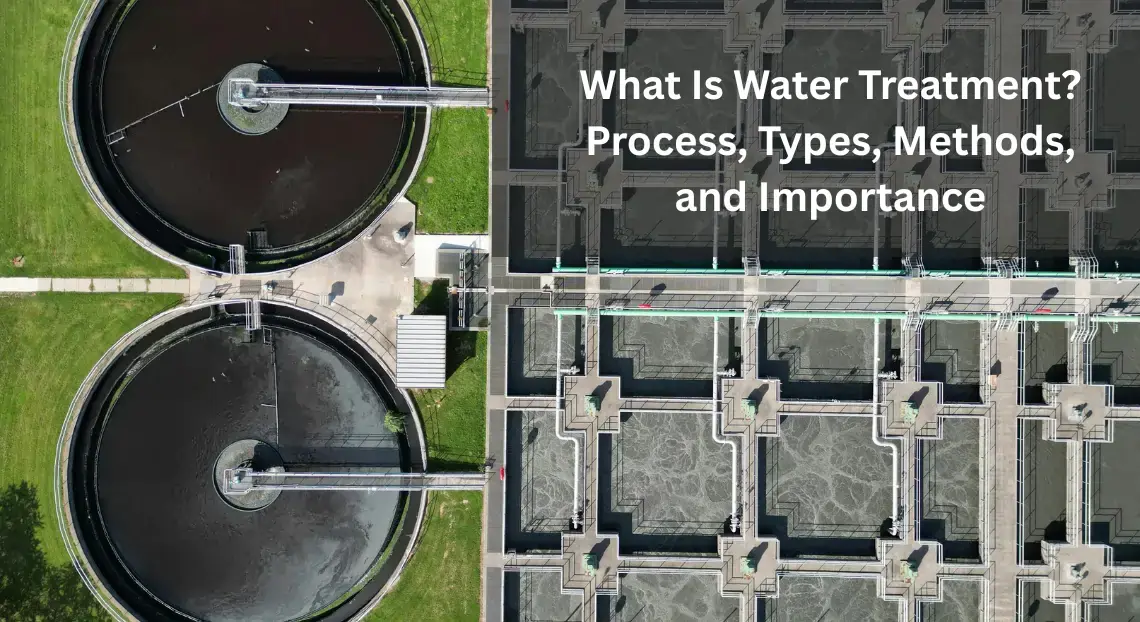
Water treatment is the process of removing unwanted substances from water to make it safe and suitable for a specific use such as drinking, industrial processing, irrigation, or wastewater discharge.
Why Water Treatment Is Important?
Protects Human Health
Clean water is essential for safe drinking, cooking, and daily use. Untreated water can contain bacteria, viruses, parasites, and harmful chemicals. These contaminants can cause serious illnesses such as diarrhea, cholera, and typhoid. Proper treatment removes harmful microorganisms and reduces chemical risks. Disinfection methods like chlorination and UV treatment help make water safe for human consumption. Safe water supply directly improves public health and reduces medical costs.
Prevents Waterborne Diseases
Many diseases spread through contaminated water. Poor sanitation and untreated sewage increase the risk of outbreaks. Effective water treatment removes pathogens before water reaches homes and communities. This lowers the spread of infections and protects vulnerable groups such as children and elderly people. Clean water systems are one of the most important public health measures in any country.
Protects the Environment
Wastewater from homes and industries contains chemicals, organic waste, and pollutants. If released without treatment, it contaminates rivers, lakes, and groundwater. This harms aquatic life and damages ecosystems. Treatment plants remove harmful substances before discharge. This helps maintain water quality, supports biodiversity, and protects natural resources.
Supports Industrial and Commercial Use
Industries require clean and controlled water quality for manufacturing, cooling, and processing. Impurities in water can damage equipment, cause scaling and corrosion, and affect product quality. Water treatment ensures smooth operations and reduces maintenance costs.
Ensures Regulatory Compliance
Governments set water quality standards for drinking and wastewater discharge. Treatment systems help meet these legal requirements. Proper compliance avoids penalties and protects public safety.
Sources of Water That Require Treatment
Surface Water from Rivers, Lakes, and Reservoirs
Surface water is collected from rivers, lakes, and storage reservoirs. This water is directly exposed to the environment. Rainwater runoff carries soil, waste, fertilizers, and chemicals into these sources. Surface water may also contain bacteria, viruses, algae, and suspended particles. Because of this high risk of contamination, proper treatment is required before it is used for drinking or industrial purposes.
Groundwater from Wells and Borewells
Groundwater is stored beneath the earth’s surface and is accessed through wells and borewells. It is naturally filtered through soil and rocks, so it often contains fewer suspended particles. However, groundwater can contain dissolved minerals such as iron, fluoride, arsenic, and salts. In some areas, harmful bacteria may also be present. Treatment is needed to remove excess minerals and make the water safe for use.
Seawater for Desalination
Seawater contains very high levels of salt and dissolved minerals. It is not suitable for drinking or most industrial uses without treatment. Desalination processes remove salt and make seawater usable. This is common in coastal regions where freshwater sources are limited.
Municipal Wastewater from Homes and Cities
Municipal wastewater comes from households, offices, and public facilities. It contains organic waste, detergents, and microorganisms. Treatment removes harmful substances before the water is discharged or reused.
Industrial Wastewater from Factories
Industrial wastewater is generated during manufacturing and processing activities. It may contain chemicals, heavy metals, oils, and toxic substances. Proper treatment prevents environmental pollution and ensures safe disposal or reuse.
Common Contaminants Found in Water
Solid Particles and Sediments
Water from natural sources often carries visible particles such as sand, clay, soil, and organic matter. These are called suspended solids. They make water cloudy and affect its taste and appearance. If not removed, these particles can clog pipes and reduce the effectiveness of disinfection systems. Filtration and sedimentation are used to remove these solids in water treatment.
Bacteria, Viruses, and Microorganisms
Water can contain harmful bacteria, viruses, and other microorganisms. These microbes come from human and animal waste, and they can cause diseases like diarrhea, cholera, and typhoid. Since these organisms are too small to see, water that looks clean may still be unsafe. Disinfection using chlorine, UV light, or ozone is essential to kill these pathogens and make water safe to drink.
Dissolved Salts and Minerals
Water naturally dissolves salts and minerals as it passes through soil and rocks. Common dissolved substances include calcium, magnesium, and sodium. High levels of dissolved salts can affect the taste of water, cause hardness, and lead to scale buildup in pipes and appliances. Treatment processes like softening and reverse osmosis help reduce these dissolved minerals when needed.
Heavy Metals
Heavy metals such as lead, mercury, arsenic, and cadmium can enter water through natural deposits, industrial discharge, or corrosion of pipes. Even at low concentrations, these metals can be harmful to health over time. They can affect the nervous system, kidneys, and other organs. Specialized treatment methods are used to remove heavy metals from water.
Organic and Chemical Pollutants
Organic pollutants include pesticides, herbicides, and industrial waste. Chemical contaminants may include solvents, detergents, and fuel residues. These substances can be toxic and may not be removed by basic filtration. Advanced treatment methods such as activated carbon filtration and advanced oxidation are often required to remove these chemicals and protect health.
Main Objectives of Water Treatment
Removal of Physical Impurities
One of the main goals of water treatment is to remove visible and invisible physical impurities. These include sand, soil, rust, suspended solids, and other particles. Such impurities make water cloudy and can damage pipes, pumps, and equipment. Processes like screening, sedimentation, and filtration help remove these solids. Clear water is easier to disinfect and safer for use in homes and industries.
Elimination of Harmful Microorganisms
Water may contain bacteria, viruses, and parasites that can cause serious diseases. These microorganisms often come from sewage contamination or animal waste. A key objective of treatment is to destroy or remove these harmful pathogens. Disinfection methods such as chlorination, ultraviolet treatment, and ozonation are commonly used. This step is critical to ensure drinking water is safe for human consumption.
Reduction of Chemical Contaminants
Water can contain harmful chemicals from industrial discharge, agricultural runoff, or natural sources. These may include pesticides, heavy metals, nitrates, and other toxic substances. Treatment methods like activated carbon filtration, ion exchange, and membrane systems reduce chemical contamination. Controlling chemical levels protects human health and prevents long-term health problems.
Improvement of Taste, Odor, and Appearance
Even if water is safe, unpleasant taste or odor can make it unsuitable for use. Dissolved gases, organic matter, and excess minerals can affect water quality. Treatment improves clarity, removes bad smells, and enhances taste, making water more acceptable for daily use.
Ensuring Water Is Fit for Its Intended Use
Different uses require different water quality standards. Drinking water, industrial process water, and irrigation water have specific requirements. The final objective of water treatment is to make water suitable and safe for its intended purpose.
Step-by-Step Water Treatment Process
Screening to Remove Large Debris
The water treatment process begins with screening. In this step, water passes through metal screens that trap large objects such as leaves, plastic, sticks, and other debris. This protects pumps and equipment from damage and prevents blockages in later stages. Screening does not remove small particles, but it is an important first step in preparing water for further treatment.
Coagulation and Flocculation for Particle Removal
After screening, chemicals called coagulants are added to the water. These chemicals help small suspended particles stick together. During coagulation, the chemical neutralizes the charge of fine particles. In the flocculation stage, slow mixing allows these small particles to combine and form larger clumps called flocs. Larger flocs are easier to remove in the next stage.
Sedimentation to Settle Heavy Particles
In the sedimentation tank, water is kept still for a certain period. The heavy flocs settle at the bottom due to gravity. The settled material, called sludge, is removed from the tank. This step reduces turbidity and removes most suspended solids from the water.
Filtration for Fine Impurity Removal
After sedimentation, water passes through filters to remove remaining fine particles. Sand filtration removes small suspended solids. Carbon filtration helps remove odor, taste, and some organic chemicals. Membrane filtration, such as ultrafiltration or reverse osmosis, removes very fine particles and dissolved substances.
Disinfection to Kill Harmful Microorganisms
The final step is disinfection. Chlorine, ultraviolet light, or ozone is used to kill bacteria, viruses, and other pathogens. This ensures the treated water is safe for drinking and other uses.
Different Types of Water Treatment Systems
Municipal Drinking Water Treatment Systems
Municipal water treatment systems supply safe drinking water to cities and towns. Water is usually collected from rivers, lakes, or groundwater sources. It goes through screening, coagulation, sedimentation, filtration, and disinfection. The main goal is to meet drinking water standards set by government authorities. These systems operate on a large scale and serve homes, schools, hospitals, and businesses through public water supply networks.
Industrial Water Treatment Systems
Industries require water with controlled quality for different operations. Boiler water treatment prevents scale formation and corrosion inside boilers. Cooling tower water treatment controls mineral buildup, corrosion, and microbial growth. Process water treatment ensures water meets specific quality standards required for manufacturing. Proper treatment improves equipment life, reduces downtime, and maintains product quality.
Wastewater Treatment Systems
Wastewater treatment systems clean used water before discharge or reuse. Primary treatment removes large solids and suspended matter through settling. Secondary treatment uses biological processes to break down organic waste. Tertiary treatment provides advanced purification to remove remaining nutrients, chemicals, and pathogens. This treated water can be safely released into the environment or reused for certain applications.
Desalination Systems
Desalination systems remove salt from seawater or brackish water. Reverse osmosis forces water through a special membrane to separate salt and impurities. Thermal distillation uses heat to evaporate water and leave salt behind. Desalination is widely used in coastal and water-scarce regions where freshwater sources are limited.
Advanced Water Treatment Technologies
Reverse Osmosis for Dissolved Salt Removal
Reverse osmosis is one of the most effective water purification technologies. In this process, water is forced through a semi-permeable membrane under pressure. The membrane allows water molecules to pass but blocks dissolved salts, heavy metals, and many harmful chemicals. Reverse osmosis is widely used in drinking water systems, desalination plants, and industrial processes where very high water purity is required.
Ultrafiltration for Microbial and Particle Removal
Ultrafiltration uses a membrane with very small pores to remove suspended solids, bacteria, and some viruses. It works without adding chemicals and provides consistent water quality. Ultrafiltration is often used as a pre-treatment step before reverse osmosis or as a standalone system for surface water treatment.
Nanofiltration for Selective Contaminant Removal
Nanofiltration is similar to reverse osmosis but operates at lower pressure. It removes divalent salts, hardness minerals, and some organic compounds while allowing certain minerals to remain. This technology is commonly used to reduce water hardness and improve taste without completely removing all dissolved salts.
Ion Exchange for Hardness and Metal Control
Ion exchange is used to remove specific dissolved ions from water. It is widely applied for water softening by replacing calcium and magnesium with sodium or hydrogen ions. It can also remove nitrates and certain heavy metals. The process uses special resins that are regenerated after use.
Activated Carbon for Chemical and Odor Removal
Activated carbon treatment removes chlorine, organic chemicals, pesticides, and unpleasant odors. The porous surface of carbon absorbs contaminants from water. It is commonly used in drinking water systems and as a polishing step in advanced treatment processes.
Chemicals Used in Water Treatment
Coagulants for Particle Removal
Coagulants are chemicals added to water to remove suspended particles. These particles are usually very small and do not settle on their own. Coagulants such as alum and ferric salts help neutralize the charge of these particles. This allows them to stick together and form larger clumps called flocs. The flocs can then be removed by sedimentation and filtration.
Disinfectants for Killing Microorganisms
Disinfectants are used to kill or inactivate harmful bacteria, viruses, and other pathogens. Chlorine is the most commonly used disinfectant in municipal water systems. Other options include chlorine dioxide, ozone, and ultraviolet treatment. Proper disinfection is essential to prevent waterborne diseases and ensure safe drinking water.
pH Adjusters for Water Balance
The pH level of water affects treatment efficiency and pipe safety. Chemicals such as lime, soda ash, or acids are added to adjust pH levels. Maintaining the correct pH helps improve coagulation, reduce corrosion, and protect equipment.
Anti-Scalants and Corrosion Inhibitors
Anti-scalants prevent the formation of mineral scale in pipes, boilers, and membranes. Corrosion inhibitors protect metal surfaces from rust and damage. These chemicals are mainly used in industrial water treatment systems to maintain system efficiency and extend equipment life.
Industrial Applications of Water Treatment
Water Treatment in Power Plants
Power plants require large amounts of water for steam generation and cooling. Boiler feed water must be free from dissolved salts, hardness, and oxygen to prevent scale formation and corrosion. Even small impurities can reduce efficiency and damage equipment. Proper water treatment improves plant performance and extends equipment life.
Water Treatment in the Food and Beverage Industry
In the food and beverage industry, water is used as an ingredient and for cleaning. The water must meet strict quality standards to ensure product safety and taste. Impurities, microorganisms, and unwanted minerals must be removed. Treated water helps maintain hygiene, consistent product quality, and compliance with safety regulations.
Water Treatment in the Pharmaceutical Industry
Pharmaceutical manufacturing requires very high purity water. Water is used in formulations, cleaning, and equipment processing. Contaminants can affect product quality and safety. Advanced treatment systems such as reverse osmosis and deionization are used to produce purified water that meets strict industry standards.
Water Treatment in the Textile Industry
Textile production uses water for dyeing, washing, and finishing fabrics. Water quality affects color consistency and fabric quality. Treatment removes hardness, iron, and other impurities that can interfere with dyeing processes.
Water Treatment in Chemical Manufacturing
Chemical industries use water in reactions, cooling systems, and cleaning. Treated water prevents contamination, scaling, and corrosion. It ensures stable production and protects equipment from damage.
Water Treatment Standards and Regulations
Drinking Water Quality Standards
Drinking water must meet specific quality standards set by governments and health authorities. These standards define acceptable limits for contaminants such as bacteria, chemicals, heavy metals, and turbidity. The purpose of these standards is to protect public health and ensure clean, safe water for consumption. Water treatment facilities regularly test treated water to make sure it meets these limits before it reaches homes and businesses.
Wastewater Discharge Standards
Wastewater discharge standards regulate the quality of water released from treatment plants into rivers, lakes, or seas. These standards set maximum levels for pollutants such as organic matter, suspended solids, nutrients, and toxic substances. Treatment systems must reduce harmful components so that the discharged water does not harm the environment or living organisms. Compliance with discharge standards helps protect water bodies and maintain ecological balance.
Environmental Compliance Requirements
Environmental compliance requirements are legal rules that govern how water treatment systems operate. These rules may be issued by national or regional environmental authorities. Water treatment plants must follow monitoring, reporting, and treatment guidelines to meet these requirements. Regular inspections and audits ensure that facilities operate within permitted conditions. Compliance helps prevent pollution, conserve natural resources, and protect public health and ecosystems.
Major Challenges in Water Treatment
Growing Pollution in Water Sources
One of the biggest challenges in water treatment is rising pollution. Industrial waste, agricultural runoff, and urban sewage add harmful chemicals, plastics, and organic matter into rivers, lakes, and groundwater. These pollutants make treatment more difficult and costly. Some chemicals resist conventional treatment methods, requiring advanced and expensive technologies to remove them.
High Operational and Maintenance Costs
Operating a water treatment plant requires energy, skilled staff, and regular maintenance. Chemicals, power for pumps, and continuous testing add to running costs. Smaller communities and developing regions often struggle to afford these expenses. High costs can limit access to safe water and affect the quality of treatment provided.
Disposal of Treatment Sludge
Treatment processes generate sludge, a mix of removed solids, sediments, and biological matter. Managing and disposing of this sludge safely is a major challenge. Improper disposal can lead to soil and water pollution. Treatment plants must invest in proper sludge handling, drying, and safe disposal methods, which further increases overall costs.
Aging and Limited Infrastructure
Many water treatment systems rely on old and outdated infrastructure. Pipes, pumps, and treatment units may be worn out, leading to leaks, breakdowns, and reduced efficiency. In many regions, the infrastructure was built decades ago and may not meet current demands. Upgrading these systems requires large investments and careful planning, making it a slow and difficult process to improve water treatment capacity.
Conclusion
Water treatment plays a vital role in protecting human health, supporting industries, and preserving the environment. Natural water sources often contain physical impurities, harmful microorganisms, dissolved salts, heavy metals, and chemical pollutants. Without proper treatment, this water is not safe for drinking, industrial use, or discharge into the environment.
The treatment process follows clear and structured steps, including screening, coagulation, sedimentation, filtration, and disinfection. Advanced technologies such as reverse osmosis, ultrafiltration, and ion exchange further improve water quality when higher purity is required. Different systems are designed for municipal supply, industrial operations, wastewater management, and desalination, depending on the intended use.
Chemicals such as coagulants, disinfectants, and corrosion inhibitors help improve efficiency and protect equipment. At the same time, strict standards and regulations ensure treated water meets safety and environmental requirements. However, challenges like increasing pollution, high operational costs, sludge disposal, and aging infrastructure continue to affect the sector.
Effective water treatment is not just a technical process; it is a basic requirement for sustainable development. Clean and safe water supports public health, economic growth, and environmental protection. Proper investment, maintenance, and responsible management are essential to ensure reliable water treatment systems for the future.
Frequently Asked Questions About Water Treatment
1. What is water treatment?
Water treatment is the process of removing impurities, harmful microorganisms, and chemicals from water to make it safe for drinking, industrial use, or discharge into the environment.
2. Why is water treatment necessary?
Untreated water can contain bacteria, viruses, heavy metals, and harmful chemicals. Treatment protects human health, prevents disease, and reduces environmental pollution.
3. What are the main steps in water treatment?
The main steps usually include screening, coagulation, sedimentation, filtration, and disinfection. Each step removes different types of contaminants.
4. What is the difference between water treatment and wastewater treatment?
Water treatment makes raw water safe for use, mainly for drinking or industrial purposes. Wastewater treatment cleans used water before it is released back into the environment or reused.
5. What is reverse osmosis in water treatment?
Reverse osmosis is a membrane process that removes dissolved salts, heavy metals, and other impurities by forcing water through a semi-permeable membrane under pressure.
6. What chemicals are commonly used in water treatment?
Common chemicals include coagulants, disinfectants like chlorine, pH adjusters, anti-scalants, and corrosion inhibitors.
7. How does water treatment protect the environment?
It removes pollutants from wastewater before discharge, preventing contamination of rivers, lakes, and groundwater.
8. Can treated wastewater be reused?
Yes, treated wastewater can be reused for irrigation, industrial processes, and other non-drinking purposes after proper treatment and quality control.