

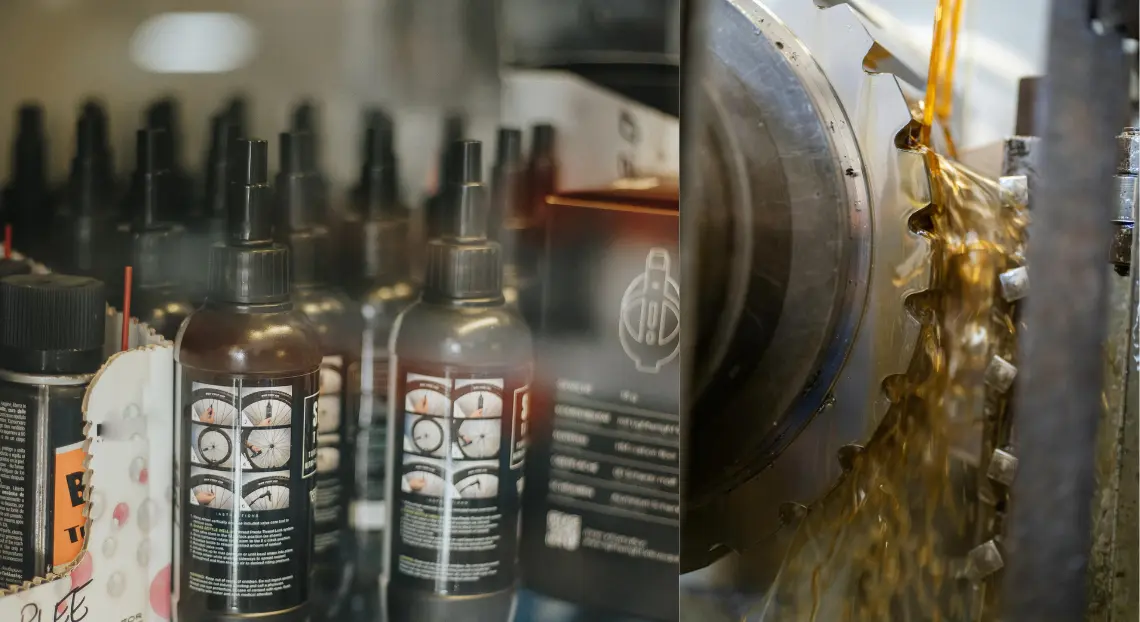
What Are Biodegradable Lubricants?
Definition of Biodegradable Lubricants
Biodegradable lubricants are lubricating oils, greases, and fluids that can break down naturally in the environment through the action of microorganisms such as bacteria and fungi. Unlike conventional petroleum-based lubricants, they are designed to decompose into simpler substances like water, carbon dioxide, and biomass over time, reducing their impact on soil and water ecosystems.
These lubricants are commonly made from vegetable oils, synthetic esters, animal-fat derivatives, or other environmentally friendly base stocks. They are used in applications where accidental leaks or spills may occur and where minimizing environmental damage is important.
How Biodegradable Lubricants Work
Biodegradable lubricants perform the same basic function as conventional lubricants. They create a protective film between moving surfaces, reducing friction, wear, heat generation, and energy loss. This helps machinery and equipment operate more efficiently and extends the life of components.
The key difference lies in what happens after the lubricant enters the environment. When biodegradable lubricants are exposed to soil, water, and naturally occurring microorganisms, their chemical structure allows them to be broken down more easily than traditional mineral oils. As a result, they do not remain in the environment for long periods and are less likely to cause lasting contamination.
Difference Between Biodegradable and Conventional Lubricants
Biodegradable lubricants and conventional lubricants serve the same purpose, but they differ in their composition and environmental behavior. Conventional lubricants are typically produced from petroleum-based mineral oils. While they provide effective lubrication, they break down slowly when released into the environment and can contribute to long-term soil and water pollution.
Biodegradable lubricants are formulated to decompose more quickly under natural conditions. Many are made from renewable or environmentally friendly raw materials and are often less toxic to plants, wildlife, and aquatic organisms. They are commonly preferred in industries such as agriculture, forestry, marine operations, construction, and water management, where environmental protection is a major concern.
Although biodegradable lubricants may cost more than conventional products, advances in lubricant technology have significantly improved their performance, stability, and durability, making them a practical option for a wide range of industrial and commercial applications.
How Biodegradable Lubricants Are Made?
Biodegradable lubricants are made from base oils that can break down naturally in the environment. Manufacturers select raw materials that provide good lubrication while reducing environmental impact. The production process also includes additives that improve performance, stability, and equipment protection. Depending on the application, biodegradable lubricants may be made from vegetable oils, synthetic esters, or animal-based materials.
Vegetable Oil-Based Biodegradable Lubricants
Vegetable oil-based lubricants are produced from plant oils such as soybean, canola, rapeseed, sunflower, and palm oil. These oils contain natural fatty acids that provide excellent lubrication and help reduce friction between moving parts.
Because they come from renewable plant sources, vegetable oil-based lubricants are considered environmentally friendly. They offer high lubricity and good biodegradability. However, they can be less stable when exposed to high temperatures and oxygen for long periods, which is why they are often modified or blended with other ingredients to improve their performance.
Synthetic Ester-Based Biodegradable Lubricants
Synthetic esters are among the most widely used base fluids in modern biodegradable lubricants. They are produced through a chemical process that combines organic acids and alcohols to create a lubricant with specific performance characteristics.
Compared to natural vegetable oils, synthetic esters usually provide better oxidation stability, longer service life, and improved performance in both high and low temperatures. They also maintain excellent biodegradability, making them suitable for demanding industrial, marine, forestry, and hydraulic applications.
Animal Fat-Based Biodegradable Lubricants
Some biodegradable lubricants are made from animal fats and other natural fat-derived materials. These lubricants can provide good lubrication properties and biodegradability. Although they are used less frequently than vegetable oils and synthetic esters, they can serve as an alternative renewable source for certain lubricant formulations.
Additives Used in Biodegradable Lubricants
Additives are added to biodegradable lubricants to improve their performance and durability. They help reduce wear, prevent rust and corrosion, improve oxidation resistance, control foaming, and maintain lubricant stability during operation. Manufacturers carefully choose additives that support both equipment performance and environmental safety, ensuring the final lubricant remains effective while retaining its biodegradable properties.
Key Properties of Biodegradable Lubricants
Biodegradable lubricants are designed to provide effective lubrication while reducing environmental impact. Their performance depends on several important properties that determine how well they protect equipment and how safely they behave when released into the environment. Understanding these properties helps in selecting the right lubricant for specific operating conditions.
Biodegradability and Breakdown in Nature
The most important feature of biodegradable lubricants is their ability to break down naturally through the action of microorganisms such as bacteria and fungi. When these lubricants enter soil or water, their chemical structure allows them to decompose into simpler substances over time. This reduces the risk of long-term environmental contamination and makes them a preferred choice for applications where spills or leaks may occur.
Lubrication and Wear Protection Performance
Like conventional lubricants, biodegradable lubricants reduce friction between moving parts. They form a protective film that helps prevent direct metal-to-metal contact, reducing wear and heat generation. Many biodegradable lubricants, especially those made from vegetable oils and synthetic esters, provide excellent lubricity, helping equipment operate smoothly and efficiently.
Resistance to Oxidation and Degradation
Oxidation stability refers to a lubricant’s ability to resist chemical breakdown when exposed to heat, oxygen, and prolonged use. Good oxidation stability helps maintain lubricant quality and extends service life. Modern biodegradable lubricants, particularly synthetic ester-based products, are formulated to offer improved resistance to oxidation and perform well under demanding operating conditions.
Viscosity and Temperature Performance
Viscosity is a measure of a lubricant’s resistance to flow. A good biodegradable lubricant maintains suitable viscosity across different temperatures to ensure proper lubrication. Stable viscosity helps equipment start smoothly in cold conditions and continue operating effectively at higher temperatures without losing protection.
Environmental Safety and Low Toxicity
Biodegradable lubricants are generally formulated to have lower toxicity than many conventional petroleum-based lubricants. They are often less harmful to plants, animals, and aquatic organisms if accidental releases occur. This property makes them especially valuable in environmentally sensitive areas such as forests, farms, waterways, and marine environments.
Types of Biodegradable Lubricants
Biodegradable lubricants are available in different forms to meet the needs of various machines and industrial processes. Each type is designed for a specific application while offering the environmental benefits of faster natural breakdown and lower ecological impact. Choosing the right type depends on the equipment, operating conditions, and performance requirements.
Biodegradable Hydraulic Fluids
Biodegradable hydraulic fluids are used in hydraulic systems that transfer power through pressurized fluid. These lubricants are commonly used in construction equipment, agricultural machinery, forestry equipment, and marine applications. They provide lubrication, reduce wear, and protect hydraulic components while minimizing environmental damage if leaks or spills occur.
Biodegradable Greases
Biodegradable greases are semi-solid lubricants used in bearings, joints, gears, and other moving parts that require long-lasting lubrication. They help reduce friction, prevent wear, and protect equipment from moisture and corrosion. These greases are often used in environmentally sensitive areas where conventional grease contamination could be a concern.
Biodegradable Gear Oils
Biodegradable gear oils are designed for gear systems that operate under heavy loads and high pressure. They create a protective film between gear surfaces, reducing friction and wear. These lubricants are widely used in industrial gearboxes, wind turbines, agricultural equipment, and marine machinery where both performance and environmental protection are important.
Biodegradable Chain and Saw Oils
Chain and saw oils are commonly used in chainsaws, forestry equipment, and chain-driven machinery. During operation, a portion of the lubricant is often released into the surrounding environment. Biodegradable chain oils help reduce soil and vegetation contamination while providing effective lubrication and wear protection.
Biodegradable Metalworking Fluids
Biodegradable metalworking fluids are used during cutting, grinding, drilling, and machining operations. They help cool tools, reduce friction, and improve surface finish. Their biodegradable nature helps lower the environmental impact of fluid disposal and accidental releases.
Biodegradable Compressor Oils
Biodegradable compressor oils are used in air and gas compressors to reduce friction, control heat, and protect internal components. These lubricants provide reliable performance while offering a more environmentally responsible alternative to conventional compressor oils in industrial and commercial applications.
Benefits of Biodegradable Lubricants
Biodegradable lubricants offer both environmental and performance advantages. They are designed to provide effective lubrication while reducing the impact of lubricant use on soil, water, and living organisms. As industries focus more on sustainability and environmental protection, these lubricants are becoming a preferred choice in many applications.
Reduced Risk of Environmental Pollution
One of the main benefits of biodegradable lubricants is their ability to break down naturally when released into the environment. Conventional petroleum-based lubricants can remain in soil and water for long periods, leading to contamination and costly cleanup efforts. Biodegradable lubricants decompose more quickly through natural biological processes, helping reduce the long-term effects of accidental leaks and spills.
Lower Harm to Plants and Aquatic Life
Many biodegradable lubricants are formulated to have lower toxicity than traditional mineral oil-based products. This means they are generally less harmful to plants, fish, aquatic organisms, and wildlife when they enter natural environments. Because of this, they are widely used in forestry, agriculture, marine operations, and other environmentally sensitive areas where protecting ecosystems is important.
Excellent Lubrication and Wear Protection
Biodegradable lubricants are designed to provide reliable lubrication performance. Many products, especially those based on vegetable oils and synthetic esters, have strong natural lubricity. They form a protective layer between moving surfaces, helping reduce friction, wear, and heat generation. This can improve equipment efficiency and help extend the service life of machinery components.
Made From Renewable Raw Materials
Many biodegradable lubricants are produced from renewable resources such as vegetable oils and natural fats. Unlike petroleum, which is a limited fossil resource, these raw materials can be replenished through agricultural production. This helps reduce dependence on non-renewable resources and supports more sustainable manufacturing practices.
Support for Environmental Regulations
Environmental regulations in many industries require the use of products that reduce pollution risks. Biodegradable lubricants help companies meet these requirements while maintaining equipment performance. Their use can support environmental compliance programs and demonstrate a commitment to responsible industrial operations.
Applications of Biodegradable Lubricants
Biodegradable lubricants are used in many industries where equipment operates close to soil, water, plants, or wildlife. In these environments, even small lubricant leaks can affect natural ecosystems. Because biodegradable lubricants break down more easily than conventional petroleum-based products, they are often chosen for applications where environmental protection is important.
Use in Agricultural Equipment
Agricultural machinery such as tractors, harvesters, sprayers, and irrigation systems often operates directly on farmland. Hydraulic fluid leaks and lubricant spills can contaminate soil and crops. Biodegradable lubricants help reduce environmental impact while providing the lubrication needed for reliable equipment performance.
Use in Forestry and Logging Operations
Forestry equipment works in forests and other natural areas where protecting the environment is a priority. Chainsaws, harvesters, skidders, and other logging machines commonly use biodegradable chain oils, hydraulic fluids, and greases. These lubricants help reduce soil and vegetation contamination caused by accidental releases during operation.
Use in Marine and Offshore Industries
Marine vessels, ports, offshore platforms, and dredging equipment operate in direct contact with water. Lubricant leaks from hydraulic systems, stern tubes, and deck machinery can affect aquatic ecosystems. Biodegradable lubricants are widely used in these applications because they break down more easily and generally have lower environmental impact than conventional oils.
Use in Construction and Mining Equipment
Construction and mining machinery often work in demanding conditions where hydraulic systems, gears, and bearings require constant lubrication. Biodegradable lubricants help protect equipment while reducing the environmental risks associated with leaks and spills on work sites, especially in environmentally sensitive locations.
Use in Hydroelectric and Water Management Systems
Hydroelectric plants, dams, canals, pumps, and water control systems frequently use lubricants in equipment operating near water sources. Biodegradable lubricants help reduce the risk of water contamination while maintaining reliable performance in turbines, gates, and hydraulic systems.
Use in Railways and Transportation Systems
Railway systems use lubricants in tracks, switches, wheel flanges, and maintenance equipment. Biodegradable products help reduce environmental contamination along railway routes and transportation corridors while providing effective lubrication and wear protection for critical components.
Environmental Impact of Biodegradable Lubricants
The environmental impact of lubricants has become an important concern across many industries. Lubricants are widely used in machinery, vehicles, and industrial equipment, and accidental leaks or spills can occur during operation. Biodegradable lubricants are designed to reduce the environmental risks associated with these releases while still providing effective equipment protection.
Environmental Effects of Lubricant Spills
When conventional petroleum-based lubricants leak into soil, rivers, lakes, or oceans, they can remain in the environment for a long time. These oils may contaminate water sources, reduce soil quality, and affect plant growth. In aquatic environments, oil contamination can harm fish, birds, and other wildlife by affecting their habitats and food sources.
Even small lubricant leaks can accumulate over time, especially in industries that operate large amounts of machinery. This makes lubricant management an important part of environmental protection efforts.
How Biodegradable Lubricants Help Reduce Pollution
Biodegradable lubricants are formulated to break down more quickly through natural biological processes. Microorganisms such as bacteria and fungi can convert these lubricants into simpler substances, reducing their persistence in the environment.
Because they degrade faster than many conventional lubricants, the risk of long-term soil and water contamination is lower. Many biodegradable lubricants are also formulated with lower toxicity, which helps reduce potential harm to plants, aquatic organisms, and wildlife in the event of accidental releases.
Contribution to Sustainable Industrial Operations
Many industries are working to reduce their environmental footprint and improve sustainability. Biodegradable lubricants support these goals by offering a more environmentally responsible alternative to traditional mineral oil-based products.
Their use can help reduce pollution risks, support environmental management programs, and contribute to responsible resource use. Industries such as agriculture, forestry, marine transportation, construction, mining, and water management increasingly use biodegradable lubricants as part of their efforts to balance equipment performance with environmental protection.
As environmental regulations continue to evolve, biodegradable lubricants are expected to play an increasingly important role in sustainable industrial practices around the world.
Biodegradable Lubricants vs Conventional Lubricants
Biodegradable lubricants and conventional lubricants perform the same basic function of reducing friction, wear, and heat in machinery. However, they differ in their raw materials, environmental impact, and disposal requirements. Understanding these differences helps businesses choose the most suitable lubricant for their equipment and operating environment.
Difference in Raw Materials
Conventional lubricants are mainly produced from petroleum-based mineral oils obtained through crude oil refining. These lubricants have been used for decades in industrial and automotive applications.
Biodegradable lubricants are commonly made from vegetable oils, synthetic esters, animal fat derivatives, or other environmentally friendly base stocks. Many of these materials come from renewable sources, making them a more sustainable alternative to petroleum-based products.
Environmental Performance Comparison
One of the biggest differences between the two types of lubricants is their behavior in the environment. Conventional lubricants can remain in soil and water for long periods if spilled, increasing the risk of environmental contamination.
Biodegradable lubricants are designed to break down more quickly through natural biological processes. They generally have lower toxicity and are less likely to cause long-term damage to ecosystems. This makes them especially valuable in industries that operate near water, farmland, forests, and other sensitive environments.
Lubrication and Equipment Protection
Both lubricant types can provide effective protection against friction and wear when properly selected for the application. Modern biodegradable lubricants offer excellent lubricity and can perform similarly to conventional products in many operating conditions.
Advanced synthetic ester-based biodegradable lubricants also provide good temperature stability, oxidation resistance, and equipment protection, making them suitable for demanding industrial applications.
Cost and Economic Considerations
Biodegradable lubricants often have a higher purchase price than conventional mineral oil lubricants. This is mainly due to the cost of raw materials and specialized manufacturing processes. However, the higher initial cost may be balanced by reduced environmental risks and lower cleanup expenses in the event of leaks or spills.
Disposal and Waste Management Requirements
Used conventional lubricants require careful handling and disposal because they can contribute to environmental pollution if not managed properly. Biodegradable lubricants may simplify waste management in some applications because they break down more readily. However, used lubricants should still be collected, handled, and disposed of according to local environmental regulations and industry guidelines.
Advantages and Disadvantages of Biodegradable Lubricants
Biodegradable lubricants offer several environmental and performance benefits, making them a popular choice in industries where protecting natural resources is important. At the same time, they also have some limitations that should be considered before selecting them for a specific application. Understanding both the advantages and disadvantages helps users make informed decisions.
Advantages of Biodegradable Lubricants
One of the biggest advantages of biodegradable lubricants is their ability to break down naturally in the environment. If a leak or spill occurs, these lubricants decompose more quickly than many conventional petroleum-based products, helping reduce long-term soil and water contamination.
Another important benefit is their lower environmental toxicity. Many biodegradable lubricants are less harmful to plants, aquatic organisms, and wildlife, making them suitable for use in agriculture, forestry, marine operations, and water management systems.
Biodegradable lubricants also provide excellent lubrication performance. Many products, especially those made from vegetable oils and synthetic esters, have strong natural lubricity. This helps reduce friction, minimize wear, and improve equipment efficiency. In some applications, they can provide wear protection equal to or better than conventional lubricants.
Many biodegradable lubricants are produced from renewable resources such as vegetable oils. This reduces dependence on non-renewable petroleum resources and supports more sustainable industrial practices. Their use can also help organizations meet environmental regulations and sustainability goals.
Disadvantages of Biodegradable Lubricants
Despite their benefits, biodegradable lubricants have some limitations. One of the most common concerns is their higher purchase cost compared to conventional mineral oil lubricants. The use of specialized raw materials and production processes often increases manufacturing costs.
Some biodegradable lubricants, particularly those based on natural vegetable oils, may have lower oxidation stability. Prolonged exposure to heat and oxygen can cause them to degrade more quickly than certain conventional lubricants.
Performance in extreme temperatures can also be a challenge for some formulations. Very low temperatures may affect fluid flow, while high temperatures can reduce lubricant life if the product is not properly formulated. In addition, compatibility with seals, hoses, and existing lubricants should be checked before switching to a biodegradable product.
Factors to Consider When Choosing a Biodegradable Lubricant
Selecting the right biodegradable lubricant is important for both equipment performance and environmental protection. Different lubricants are designed for different applications, and choosing the wrong product can reduce efficiency or shorten equipment life. Several factors should be evaluated before making a selection.
Consider the Operating Conditions
The working environment plays a major role in lubricant selection. Equipment that operates under heavy loads, high pressure, constant movement, or wet conditions may require a lubricant with specific performance characteristics. The lubricant should be able to provide reliable protection against friction, wear, corrosion, and contamination throughout normal operating conditions.
Match the Lubricant to Equipment Requirements
Every machine has specific lubrication requirements recommended by the manufacturer. Hydraulic systems, gearboxes, compressors, chains, and bearings often require different lubricant types and viscosity grades. Using a biodegradable lubricant that meets the equipment manufacturer’s specifications helps ensure proper performance and reduces the risk of mechanical problems.
Evaluate Temperature Performance
Temperature can significantly affect lubricant performance. In cold environments, the lubricant must remain fluid enough to flow properly and provide protection during startup. In high-temperature conditions, it should resist breakdown and maintain its protective properties. Choosing a lubricant with suitable viscosity and thermal stability helps ensure consistent performance across different temperatures.
Check Environmental and Regulatory Requirements
Many industries operate under environmental regulations that limit the use of products that may harm soil, water, or wildlife. In environmentally sensitive areas such as forests, farms, waterways, and marine environments, biodegradable lubricants may be required or strongly recommended. Selecting products that meet relevant environmental standards can help ensure compliance and reduce environmental risks.
Compare Cost and Maintenance Needs
Purchase price is an important consideration, but it should not be the only factor. A higher-quality biodegradable lubricant may offer longer service life, better equipment protection, and reduced maintenance requirements. It is also important to consider lubricant replacement intervals, storage requirements, and compatibility with existing equipment. Evaluating overall operating costs rather than just initial price can help identify the most cost-effective solution.
Common Challenges and Limitations
Biodegradable lubricants provide important environmental benefits, but they also have certain limitations that should be considered before use. Their performance has improved significantly over the years, yet some challenges still exist depending on the lubricant formulation, operating conditions, and equipment requirements. Understanding these limitations helps users select the right product and avoid potential performance issues.
Oxidation Stability and Shelf Life
Some biodegradable lubricants, particularly those made from natural vegetable oils, can be more sensitive to oxidation than conventional mineral oil lubricants. Oxidation occurs when a lubricant reacts with oxygen, especially under high temperatures and long operating periods.
As oxidation progresses, the lubricant may become thicker and lose some of its performance properties. This can affect equipment protection and reduce service life. In addition, biodegradable lubricants may have a shorter storage life if they are not kept under proper conditions. Modern synthetic ester-based products have improved oxidation resistance, but storage and maintenance practices remain important.
Performance in Extreme Temperatures
Temperature can affect the performance of any lubricant, including biodegradable products. Some biodegradable lubricants may become thicker in very cold conditions, which can reduce fluid flow and make equipment startup more difficult.
In extremely high temperatures, certain formulations may break down faster than conventional lubricants if they are not specifically designed for demanding applications. For this reason, selecting a lubricant that matches the expected operating temperature range is essential for reliable performance.
Compatibility With Existing Equipment
Before switching to a biodegradable lubricant, it is important to check compatibility with seals, hoses, gaskets, paints, and other system components. Some older equipment may contain materials that are not fully compatible with certain biodegradable lubricant formulations.
Mixing biodegradable lubricants with conventional lubricants can also affect performance and reduce the expected benefits. Proper system cleaning and manufacturer recommendations should be followed when changing lubricant types.
Higher Initial Purchase Cost
Biodegradable lubricants are often more expensive than conventional mineral oil products. The use of renewable raw materials, specialized base oils, and advanced manufacturing processes contributes to the higher cost. However, the added expense may be offset by environmental benefits, reduced pollution risks, and compliance with environmental regulations in sensitive operating areas.
Conclusion
Biodegradable lubricants provide an environmentally responsible alternative to conventional petroleum-based lubricants. They are designed to reduce friction and wear while breaking down more naturally in the environment. This makes them especially valuable in industries where equipment operates near soil, water, forests, farmland, and other environmentally sensitive areas.
These lubricants are available in several types, including hydraulic fluids, greases, gear oils, chain oils, metalworking fluids, and compressor oils. In addition to reducing environmental pollution, many biodegradable lubricants offer excellent lubrication performance, lower toxicity, and the potential to support sustainability goals and regulatory compliance.
While biodegradable lubricants have some limitations, such as higher initial costs, temperature-related performance challenges, and compatibility considerations, ongoing improvements in lubricant technology continue to address these issues. Modern formulations provide better stability, durability, and equipment protection than ever before.
Choosing the right biodegradable lubricant requires careful consideration of operating conditions, equipment requirements, environmental regulations, and maintenance needs. When properly selected and used, biodegradable lubricants can help protect both machinery and the environment, making them an important part of sustainable industrial operations.
Frequently Asked Questions (FAQs)
What Are Biodegradable Lubricants Used For?
Biodegradable lubricants are used to reduce friction, wear, and heat in machinery while minimizing environmental impact. They are commonly used in agriculture, forestry, marine equipment, construction machinery, mining equipment, and hydraulic systems.
Are Biodegradable Lubricants Environmentally Friendly?
Yes. Biodegradable lubricants are designed to break down naturally through biological processes. They generally have a lower environmental impact than conventional petroleum-based lubricants, especially in the event of leaks or spills.
What Are Biodegradable Lubricants Made From?
Biodegradable lubricants are typically made from vegetable oils, synthetic esters, animal fat derivatives, or other environmentally friendly base oils. Additives are also included to improve performance and equipment protection.
How Long Does It Take Biodegradable Lubricants to Break Down?
The breakdown time depends on the lubricant formulation and environmental conditions. Many readily biodegradable lubricants can achieve significant biodegradation within about 28 days under standardized testing conditions.
Are Biodegradable Lubricants Safe for Marine Environments?
Yes. Many biodegradable lubricants are specifically developed for marine and offshore applications. They are often less toxic to aquatic organisms and reduce the environmental impact of accidental releases into water.
Can Biodegradable Lubricants Replace Conventional Lubricants?
In many applications, yes. Modern biodegradable lubricants can provide performance comparable to conventional lubricants when the correct product is selected for the equipment and operating conditions.
Do Biodegradable Lubricants Perform as Well as Mineral Oils?
Many modern biodegradable lubricants provide excellent lubrication, wear protection, and equipment performance. High-quality synthetic ester-based products can perform similarly to or better than mineral oils in certain applications.
Are Biodegradable Lubricants More Expensive?
Generally, yes. Biodegradable lubricants often cost more than conventional mineral oil lubricants because of their raw materials and manufacturing processes. However, they may help reduce environmental risks and cleanup costs.
What Industries Commonly Use Biodegradable Lubricants?
Biodegradable lubricants are widely used in agriculture, forestry, marine transportation, construction, mining, railways, hydroelectric facilities, and water management systems where environmental protection is important.
How Can You Identify a Biodegradable Lubricant?
You can identify a biodegradable lubricant by checking the product label, technical data sheet, or certification information. Manufacturers often indicate whether the product meets recognized biodegradability standards and environmental requirements.