

What Is Sodium Bicarbonate?
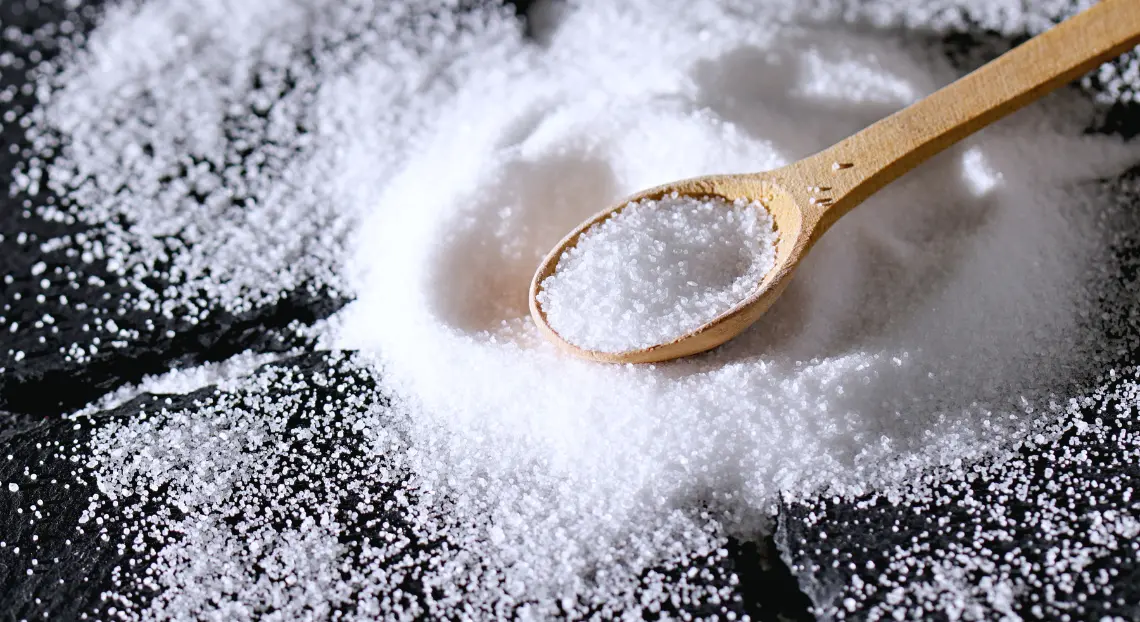
Sodium bicarbonate is a chemical compound commonly known as baking soda. It is a white, crystalline powder that is widely used in households, food preparation, medicine, cleaning products, and industrial applications. Due to its mild alkaline nature, sodium bicarbonate can neutralize acids, making it useful for a wide range of everyday and commercial purposes.
The chemical formula of sodium bicarbonate is NaHCO₃. This formula indicates that the compound is made up of sodium (Na), hydrogen (H), carbon (C), and oxygen (O). It belongs to a group of compounds known as bicarbonates, which contain the bicarbonate ion (HCO₃⁻).
Sodium bicarbonate has a simple chemical composition consisting of sodium ions and bicarbonate ions. When it comes into contact with acids, it undergoes a chemical reaction that releases carbon dioxide gas. This reaction is responsible for many of its practical uses, including helping baked goods rise and neutralizing excess stomach acid.
In nature, sodium bicarbonate occurs as a mineral called nahcolite, which can be found in certain sedimentary rock deposits. Natural deposits are mined in some parts of the world and processed for commercial use. However, much of the sodium bicarbonate used today is produced through industrial manufacturing processes. The most common production method is the Solvay process, which uses readily available raw materials such as salt, limestone, and ammonia to create sodium bicarbonate on a large scale.
Because it is inexpensive, versatile, and generally safe when used correctly, sodium bicarbonate has become one of the most widely used chemical compounds in homes, healthcare settings, and industries around the world.
Key Facts About Sodium Bicarbonate
Understanding the basic facts about sodium bicarbonate helps explain why it is used in so many products and applications. From baking and cleaning to medicine and industry, its unique properties make it one of the most widely used chemical compounds in the world.
Chemical Formula of Sodium Bicarbonate
The chemical formula of sodium bicarbonate is NaHCO₃. This formula shows that the compound contains four elements: sodium (Na), hydrogen (H), carbon (C), and oxygen (O). It consists of one sodium ion and one bicarbonate ion. The bicarbonate ion is responsible for many of the compound’s important chemical reactions, especially its ability to neutralize acids and release carbon dioxide gas.
Molecular Weight of Sodium Bicarbonate
Sodium bicarbonate has a molecular weight of approximately 84.01 grams per mole. This value is calculated by adding the atomic weights of sodium, hydrogen, carbon, and oxygen present in the compound. Molecular weight is an important property in chemistry because it helps determine the amount of a substance needed for chemical reactions and industrial processes.
Appearance and Physical State
At room temperature, sodium bicarbonate appears as a white crystalline powder. It is odorless and has a slightly alkaline taste. The fine powder dissolves easily in water and remains stable under normal storage conditions. Because of its clean appearance and ease of handling, it is commonly used in both household and commercial products.
pH Level and Alkaline Nature
Sodium bicarbonate is a mild alkaline compound. When dissolved in water, it typically produces a solution with a pH of around 8.3. This slightly basic nature allows it to neutralize acids without being as strong or corrosive as many other alkaline substances. This property is one reason it is commonly used as an antacid and cleaning agent.
Solubility in Water
Sodium bicarbonate is moderately soluble in water, meaning it dissolves reasonably well but not as quickly as some other salts. Its solubility increases as the water temperature rises. Once dissolved, it can react more easily with acids, making it useful in many chemical, food, and medical applications.
Common Names of Sodium Bicarbonate
Sodium bicarbonate is known by several common names. The most widely recognized name is baking soda, especially in cooking and household use. It is also called bicarbonate of soda, bread soda, and simply bicarbonate in some regions. Regardless of the name used, all refer to the same chemical compound, NaHCO₃.
How Sodium Bicarbonate Is Made?
Sodium bicarbonate is produced from both natural sources and industrial manufacturing processes. Although it is commonly known as baking soda, the methods used to obtain it involve geology, chemistry, and large-scale production systems. Today, most of the sodium bicarbonate used around the world comes from commercial manufacturing, while some is obtained directly from natural mineral deposits.
Natural Sources of Sodium Bicarbonate
Sodium bicarbonate occurs naturally in the earth as a mineral called nahcolite. This mineral is found in certain sedimentary rock formations that were created millions of years ago through the evaporation of mineral-rich lakes. Large nahcolite deposits have been discovered in several parts of the world and can be mined for commercial use.
After mining, the mineral is processed to remove impurities and produce high-purity sodium bicarbonate. Natural sodium bicarbonate is often used in food, pharmaceutical, and household products. Because it comes directly from mineral deposits, it requires less chemical processing than some manufactured forms.
How the Solvay Process Produces Sodium Bicarbonate?
The Solvay process is the most widely used method for manufacturing sodium bicarbonate and related sodium compounds. This process uses common raw materials such as salt (sodium chloride), limestone (calcium carbonate), ammonia, and water.
During production, carbon dioxide is passed through a solution containing salt and ammonia. This reaction causes sodium bicarbonate to form as a solid. The solid particles are then separated, washed, and dried to produce the final product. The Solvay process is popular because it is efficient, cost-effective, and suitable for large-scale production.
Commercial Manufacturing of Sodium Bicarbonate
Modern manufacturers produce sodium bicarbonate in specialized facilities that follow strict quality and safety standards. Depending on the intended use, the product may be processed further to meet food-grade, pharmaceutical-grade, or industrial-grade specifications.
After production, the sodium bicarbonate is tested for purity and packaged for distribution. It is then supplied to industries that use it in baking products, medicines, cleaning products, agriculture, water treatment, and many other applications. This large-scale manufacturing system helps ensure a steady supply of sodium bicarbonate for consumers and businesses worldwide.
Physical Properties of Sodium Bicarbonate
The physical properties of sodium bicarbonate help explain how it behaves during storage, handling, and everyday use. These characteristics make it suitable for applications in food, medicine, cleaning products, and industrial processes.
Color and Appearance of Sodium Bicarbonate
Sodium bicarbonate is a white crystalline solid that is usually sold as a fine powder. The particles are small, smooth, and free-flowing, making the compound easy to handle and mix with other substances. It has a clean appearance and remains stable under normal storage conditions when kept away from moisture.
Density of Sodium Bicarbonate
The density of sodium bicarbonate is approximately 2.2 grams per cubic centimeter (g/cm³). Density refers to the amount of mass present in a given volume of a substance. This relatively moderate density allows sodium bicarbonate to be easily processed, packaged, transported, and used in both household and industrial products.
Solubility in Water
Sodium bicarbonate is moderately soluble in water. At room temperature, it dissolves readily enough for many practical applications, although it is not as soluble as some other common salts. The solubility increases as the water temperature rises. Once dissolved, sodium bicarbonate forms a mildly alkaline solution that can react with acids and perform its buffering function.
Thermal Stability and Heat Behavior
Sodium bicarbonate is stable at normal temperatures, but it begins to break down when heated. During this process, it decomposes into sodium carbonate, water vapor, and carbon dioxide gas. This release of carbon dioxide is the reason sodium bicarbonate is widely used as a leavening agent in baking. The gas produced during heating helps dough and batter expand, creating a lighter texture in baked foods.
Odor and Taste Characteristics
Sodium bicarbonate is odorless, meaning it does not have any noticeable smell. It has a slightly alkaline and mildly salty taste. Because it is free from strong odors, it is commonly used in food products, personal care products, and odor-control applications without affecting the overall scent of the final product.
Chemical Properties of Sodium Bicarbonate
The chemical properties of sodium bicarbonate determine how it reacts with other substances. These properties are responsible for its use in baking, medicine, cleaning products, fire extinguishers, and many industrial processes. Sodium bicarbonate is a mild alkaline compound that can neutralize acids and help maintain stable pH levels.
Reaction of Sodium Bicarbonate With Acids
One of the most important chemical properties of sodium bicarbonate is its ability to react with acids. When sodium bicarbonate comes into contact with an acid such as vinegar, lemon juice, or hydrochloric acid, a chemical reaction takes place. This reaction produces carbon dioxide gas, water, and a salt.
The release of carbon dioxide creates the bubbling or fizzing effect commonly seen when baking soda is mixed with acidic substances. This reaction is widely used in baking to help dough and batter rise. It is also the reason sodium bicarbonate is used as an antacid to reduce excess stomach acid.
What Happens When Sodium Bicarbonate Is Heated?
Sodium bicarbonate decomposes when exposed to high temperatures. During heating, it breaks down into sodium carbonate, water vapor, and carbon dioxide gas. This process is known as thermal decomposition.
The carbon dioxide released during heating creates air pockets in baked goods, making them lighter and softer. Because of this property, sodium bicarbonate is commonly used in cakes, cookies, breads, and other baked products.
Reaction of Sodium Bicarbonate With Bases
Since sodium bicarbonate is already a weak base, it generally shows limited reaction with other bases under normal conditions. However, when it reacts with strong alkaline substances, it can be converted into sodium carbonate. These reactions are mainly important in chemical manufacturing and laboratory processes rather than everyday household use.
Buffering Action of Sodium Bicarbonate
Sodium bicarbonate acts as an effective buffering agent. A buffer helps maintain a stable pH by reducing sudden changes in acidity or alkalinity. When acids are added, sodium bicarbonate neutralizes some of the excess acid. When conditions become too alkaline, it helps resist large pH changes.
This buffering action is important in medical treatments, water treatment systems, food processing, and many industrial applications where maintaining a stable pH is necessary.
How Sodium Bicarbonate Works?
Sodium bicarbonate works through a combination of chemical reactions that allow it to neutralize acids, release carbon dioxide gas, and help maintain stable pH levels. These properties make it useful in baking, medicine, cleaning products, water treatment, and many industrial applications.
Why Sodium Bicarbonate Is Alkaline?
Sodium bicarbonate is a mildly alkaline, or basic, compound. When it dissolves in water, it releases bicarbonate ions that help increase the pH of the solution. As a result, the solution becomes slightly basic rather than acidic.
Unlike strong bases, sodium bicarbonate is gentle and does not cause rapid changes in pH. This mild alkalinity allows it to be used safely in many food, household, and medical applications where stronger alkaline substances would be too harsh.
How Sodium Bicarbonate Neutralizes Acids?
One of the most important functions of sodium bicarbonate is its ability to neutralize acids. When it comes into contact with an acidic substance, a chemical reaction takes place. During this reaction, the acid is partially neutralized, reducing its acidity.
This property explains why sodium bicarbonate is commonly used as an antacid for temporary relief from heartburn and acid indigestion. It is also useful in cleaning products where it helps neutralize acidic residues and odors.
Carbon Dioxide Production During Reactions
When sodium bicarbonate reacts with acids or is exposed to sufficient heat, it produces carbon dioxide gas. This gas appears as bubbles or fizzing during the reaction.
In baking, the released carbon dioxide becomes trapped in dough or batter. As the gas expands, it creates air pockets that help baked goods rise and develop a light texture. This is why sodium bicarbonate is widely used as a leavening agent in cakes, cookies, muffins, and breads.
Buffering Action and pH Control
Sodium bicarbonate also acts as a buffering agent. A buffer helps keep pH levels relatively stable by reducing sudden changes in acidity or alkalinity. When excess acid is present, sodium bicarbonate helps neutralize part of it. When conditions become too alkaline, it helps resist large pH shifts.
This buffering action is important in the human body, water treatment systems, food processing, and many industrial processes where maintaining a stable pH is necessary for proper performance and safety.
Uses of Sodium Bicarbonate
Sodium bicarbonate is one of the most versatile chemical compounds used today. Its ability to neutralize acids, control odors, release carbon dioxide, and maintain stable pH levels makes it useful in many industries and everyday applications.
Uses in Baking and Food Processing
Sodium bicarbonate is widely used in baking as a leavening agent. When it reacts with acidic ingredients such as yogurt, buttermilk, vinegar, or lemon juice, it releases carbon dioxide gas. This gas forms bubbles in the dough or batter, helping baked goods rise and develop a light texture.
In food processing, sodium bicarbonate is used to regulate acidity, improve texture, and support certain manufacturing processes. It is commonly found in cakes, cookies, breads, crackers, and other baked products.
Medical and Healthcare Uses
Sodium bicarbonate is used in medicine to help neutralize excess stomach acid. It is a common ingredient in antacid products that provide temporary relief from heartburn, acid indigestion, and upset stomach.
In healthcare settings, sodium bicarbonate may also be used to help manage metabolic acidosis, a condition in which body fluids become too acidic. In certain medical emergencies, healthcare professionals may administer sodium bicarbonate under controlled conditions to help restore acid-base balance.
Household Cleaning Applications
Many household cleaning products contain sodium bicarbonate because of its mild abrasive and deodorizing properties. It helps remove dirt, grease, and stains from various surfaces without causing significant damage.
It is also widely used to eliminate unpleasant odors from refrigerators, carpets, trash containers, and other areas. In kitchens and bathrooms, sodium bicarbonate helps clean sinks, countertops, tiles, and appliances.
Personal Care and Hygiene Uses
Sodium bicarbonate is used in several personal care products. It is commonly found in toothpaste and oral care products because it helps remove surface stains and neutralize odor-causing acids in the mouth.
It is also used in some skin care and deodorizing products. Its odor-neutralizing properties make it a popular ingredient in products designed to control body odor.
Industrial Manufacturing Uses
Many industries use sodium bicarbonate in manufacturing processes. It plays a role in chemical production, pH control, and waste treatment. Water treatment facilities use it to adjust acidity levels and maintain water quality.
The textile industry uses sodium bicarbonate during dyeing and fabric processing. In paper production, it helps support chemical processes that improve manufacturing efficiency and product quality.
Agricultural Applications
In agriculture, sodium bicarbonate is used in livestock management and crop production. It may be added to animal feed to help maintain proper digestive conditions in certain animals.
Farmers also use sodium bicarbonate in some crop management practices because it can help manage pH levels and support plant health. Its applications vary depending on the type of crop and farming method being used.
Fire Safety and Fire Suppression Uses
Sodium bicarbonate is an important component in some dry chemical fire extinguishers. When exposed to heat, it releases carbon dioxide, which helps interrupt the combustion process.
Because of this property, sodium bicarbonate is used in fire suppression systems designed to control certain types of fires. Its effectiveness and relatively low cost have made it a valuable material in fire safety equipment for many years.
Benefits of Sodium Bicarbonate
Sodium bicarbonate offers several practical benefits that make it one of the most widely used chemical compounds in homes, healthcare, agriculture, and industry. Its effectiveness, affordability, and versatility have contributed to its popularity for many decades.
A Versatile Compound for Everyday Use
One of the biggest benefits of sodium bicarbonate is its versatility. A single product can be used for many different purposes, including baking, cleaning, personal care, odor control, water treatment, and industrial manufacturing. This wide range of applications comes from its ability to neutralize acids, regulate pH levels, and release carbon dioxide during certain chemical reactions.
Because it serves multiple functions, sodium bicarbonate is commonly found in households, workplaces, healthcare facilities, and manufacturing plants around the world.
An Affordable and Cost-Effective Product
Sodium bicarbonate is inexpensive compared to many specialized products that perform similar tasks. A small amount is often enough to achieve the desired result, whether it is cleaning a surface, removing odors, or supporting a chemical process.
Its low production cost and wide availability make it an economical choice for both consumers and industries. This cost-effectiveness is one reason it remains a popular ingredient in many commercial products.
Environmentally Friendly Characteristics
Sodium bicarbonate is generally considered environmentally friendly when used properly. It breaks down into naturally occurring substances and does not persist in the environment like some synthetic chemicals. It is also commonly used as a safer alternative to certain harsh cleaning agents.
Because of its relatively low environmental impact, sodium bicarbonate is frequently included in household cleaning products and other applications where environmentally responsible ingredients are preferred.
Safe for Most Household Applications
When used as directed, sodium bicarbonate is considered safe for most household purposes. Its mild alkaline nature makes it less harsh than many strong cleaning chemicals. This allows it to be used on a variety of surfaces and in products intended for everyday use.
Its long history of use in food preparation and household cleaning has helped establish its reputation as a practical and reliable compound.
Effective for Neutralizing Acids
Sodium bicarbonate is highly valued for its ability to neutralize acids. This property makes it useful in antacid products, cleaning applications, water treatment systems, and industrial processes. By reducing excess acidity and helping maintain stable pH levels, sodium bicarbonate supports many important functions across different industries and everyday activities.
Sodium Bicarbonate vs Baking Powder
Sodium bicarbonate and baking powder are both used as leavening agents in baking, but they are not the same product. Understanding the difference helps prevent common baking mistakes and improves recipe results.
Key Differences Between Sodium Bicarbonate and Baking Powder
Sodium bicarbonate is a single chemical compound with the formula NaHCO₃. It is commonly sold as baking soda. On its own, it needs an acidic ingredient such as yogurt, buttermilk, lemon juice, vinegar, or cocoa powder to produce carbon dioxide gas.
Baking powder is a prepared mixture that contains sodium bicarbonate plus one or more acid salts and a drying agent, usually starch. Because the acid is already included, baking powder can produce carbon dioxide when mixed with liquid and, in many products, again when heated.
The main difference is simple: baking soda requires an acid in the recipe, while baking powder already contains the acid needed for the reaction.
When to Use Each One?
Use sodium bicarbonate when the recipe includes acidic ingredients. The reaction between the acid and the baking soda creates gas quickly, so the batter or dough should usually be baked soon after mixing.
Use baking powder when the recipe does not contain enough natural acid. Cakes, muffins, pancakes, and quick breads often rely on baking powder for consistent rising. Many commercial baking powders are “double-acting,” meaning they release some gas during mixing and more gas during baking.
Which One Is Better for Baking?
Neither ingredient is universally better. The correct choice depends on the recipe.
Sodium bicarbonate is often preferred when an acidic ingredient is already present because it can provide strong leavening and help browning. Baking powder is preferred when the recipe lacks sufficient acid or when a more predictable rise is needed.
Substituting one for the other without adjusting the recipe can affect texture, flavor, and rise. Too much baking soda may leave a soapy or bitter taste, while too much baking powder can create an unpleasant metallic flavor and an overly coarse texture. :::
Sodium Bicarbonate vs Sodium Carbonate
Sodium bicarbonate and sodium carbonate are closely related chemical compounds, but they have different chemical structures, properties, and uses. While both substances are alkaline and contain sodium, they are not interchangeable in many applications. Understanding the differences helps ensure they are used correctly and safely.
Differences in Chemical Composition
Sodium bicarbonate has the chemical formula NaHCO₃ and is commonly known as baking soda. It contains sodium, hydrogen, carbon, and oxygen. The presence of hydrogen in its structure makes it a bicarbonate compound.
Sodium carbonate has the chemical formula Na₂CO₃ and is commonly known as washing soda or soda ash. It contains sodium, carbon, and oxygen but does not contain hydrogen. In fact, sodium carbonate can be produced by heating sodium bicarbonate, which causes the bicarbonate to release water and carbon dioxide.
Although the two compounds are related, their chemical structures result in different properties and applications.
Difference in Alkalinity and pH
Sodium bicarbonate is a mild alkaline substance. When dissolved in water, it typically produces a solution with a pH of around 8.3. Because it is only mildly basic, it is commonly used in food products, personal care products, and antacid medications.
Sodium carbonate is a much stronger alkaline compound. Its water solution usually has a pH of around 11, making it significantly more basic than sodium bicarbonate. Due to its higher alkalinity, sodium carbonate is more effective for heavy-duty cleaning and industrial applications but is generally not suitable for use as an antacid or baking ingredient.
Common Uses of Each Compound
Sodium bicarbonate is widely used in baking, food processing, healthcare products, odor control, and household cleaning. Its mild nature makes it suitable for applications that involve direct contact with food or the human body.
Sodium carbonate is mainly used in detergent manufacturing, water softening, glass production, textile processing, and industrial cleaning. Its stronger alkaline properties make it effective for removing grease, adjusting water chemistry, and supporting large-scale manufacturing processes.
While both compounds have valuable uses, sodium bicarbonate is generally preferred for everyday household and food-related applications, whereas sodium carbonate is more commonly used in industrial and heavy-cleaning environments.
Potential Side Effects and Risks of Sodium Bicarbonate
Sodium bicarbonate is generally considered safe when used correctly and in appropriate amounts. However, excessive use or improper consumption can lead to unwanted side effects and health risks. Understanding these risks is important, especially when sodium bicarbonate is used for medical or dietary purposes.
Risks of Excessive Sodium Bicarbonate Consumption
Consuming large amounts of sodium bicarbonate can upset the body’s normal acid-base balance. Because it is an alkaline substance, excessive intake may cause a condition known as metabolic alkalosis, where the body’s pH becomes too high.
Common symptoms may include nausea, vomiting, stomach discomfort, muscle twitching, muscle weakness, and confusion. In severe cases, excessive consumption can lead to serious health complications that require medical attention.
Effects of High Sodium Intake
Sodium bicarbonate contains a significant amount of sodium. Regular or excessive consumption can increase total sodium intake, which may not be suitable for everyone.
People with high blood pressure, heart disease, kidney disease, or those following a low-sodium diet should be especially cautious. Too much sodium may contribute to fluid retention, swelling, and increased blood pressure in sensitive individuals.
Possible Drug Interactions
Sodium bicarbonate can affect how certain medications are absorbed and processed by the body. Because it changes the acidity level in the stomach and urine, it may alter the effectiveness of some medicines.
Potential interactions may occur with certain antibiotics, antifungal medications, aspirin, iron supplements, and other prescription drugs. For this reason, individuals taking medications should consult a healthcare professional before using sodium bicarbonate as a supplement or antacid on a regular basis.
Health Complications Associated With Improper Use
Improper or excessive use of sodium bicarbonate can lead to additional health concerns. In some cases, it may cause electrolyte imbalances, including changes in potassium and calcium levels. These imbalances can affect muscle function, nerve activity, and heart rhythm.
People with kidney disorders, heart conditions, or existing metabolic problems may face a higher risk of complications. While sodium bicarbonate has many useful applications, it should be used according to recommended guidelines to minimize potential risks and ensure safe use.
Common Myths About Sodium Bicarbonate
Sodium bicarbonate has been used for many years in food, medicine, cleaning, and personal care products. Because of its widespread use, several myths and misunderstandings have developed around this compound. Knowing the facts can help people use sodium bicarbonate safely and effectively.
Myth: Sodium Bicarbonate and Baking Powder Are the Same
One of the most common misconceptions is that sodium bicarbonate and baking powder are identical. While both are used as leavening agents in baking, they are different products.
Sodium bicarbonate, also known as baking soda, is a single chemical compound with the formula NaHCO₃. Baking powder contains sodium bicarbonate along with one or more acidic ingredients and a drying agent such as starch. Because baking powder already contains acid, it can work in recipes that do not include acidic ingredients.
Although they perform similar functions in baking, they cannot always be substituted for one another without changing the recipe.
Myth: Sodium Bicarbonate Can Cure All Digestive Problems
Another common myth is that sodium bicarbonate can treat every digestive issue. While it can help neutralize stomach acid and provide temporary relief from heartburn, acid indigestion, and sour stomach, it is not a cure for all digestive conditions.
Digestive problems can have many causes, including infections, food intolerances, ulcers, and gastrointestinal disorders. Using sodium bicarbonate may temporarily reduce symptoms related to excess stomach acid, but it does not address the underlying cause of every digestive problem. Persistent digestive symptoms should be evaluated by a healthcare professional.
Myth: More Sodium Bicarbonate Gives Better Results
Some people believe that using larger amounts of sodium bicarbonate will improve its effectiveness. In reality, excessive use can create problems rather than benefits.
Too much sodium bicarbonate in baking can affect flavor and texture. Excessive consumption may also increase sodium intake and disrupt the body’s acid-base balance. Like many substances, sodium bicarbonate works best when used in the recommended amount. Following proper usage guidelines helps achieve the desired results while reducing the risk of unwanted side effects.
Conclusion
Sodium bicarbonate is a versatile chemical compound that plays an important role in everyday life. Commonly known as baking soda, it is widely used in baking, medicine, household cleaning, personal care products, agriculture, and various industrial applications. Its ability to neutralize acids, regulate pH levels, and release carbon dioxide makes it useful for many different purposes.
In addition to its practical uses, sodium bicarbonate offers several benefits, including affordability, ease of use, and a relatively low environmental impact. It is also considered safe for most household applications when used according to recommended guidelines.
However, sodium bicarbonate is not without risks. Excessive consumption can lead to health problems, including high sodium intake and changes in the body’s acid-base balance. Understanding its proper uses, limitations, and safety considerations is essential for getting the best results while minimizing potential risks.
Whether it is used for baking, cleaning, healthcare, or industrial processes, sodium bicarbonate remains one of the most widely used and trusted chemical compounds. Knowing how it works, where it is used, and how to use it safely can help you make informed decisions about this common yet highly useful substance.
Frequently Asked Questions
What Is Sodium Bicarbonate Used For?
Sodium bicarbonate is used in baking, medicine, cleaning products, personal care products, agriculture, water treatment, and industrial manufacturing. It is commonly used as a leavening agent, antacid, deodorizer, and pH regulator.
Is Sodium Bicarbonate the Same as Baking Soda?
Yes. Sodium bicarbonate and baking soda are the same chemical compound with the formula NaHCO₃. Baking soda is simply the common household name for sodium bicarbonate.
Is Sodium Bicarbonate Safe to Consume?
Sodium bicarbonate is generally safe when consumed in appropriate amounts and for its intended purpose. However, excessive consumption may cause side effects and increase sodium intake.
How Does Sodium Bicarbonate Work as an Antacid?
Sodium bicarbonate works as an antacid by neutralizing excess stomach acid. This helps provide temporary relief from heartburn, acid indigestion, and sour stomach.
What Happens When Sodium Bicarbonate Is Heated?
When heated, sodium bicarbonate breaks down into sodium carbonate, water vapor, and carbon dioxide gas. The released carbon dioxide helps baked goods rise during baking.
Can Sodium Bicarbonate Be Used for Cleaning?
Yes. Sodium bicarbonate is commonly used for household cleaning because it helps remove dirt, grease, stains, and odors. Its mild abrasive properties make it suitable for many surfaces.
What Is the Difference Between Sodium Bicarbonate and Sodium Carbonate?
Sodium bicarbonate (NaHCO₃) is a mild alkaline compound commonly used in food and household products. Sodium carbonate (Na₂CO₃) is a stronger alkaline compound mainly used in industrial applications, detergents, and water treatment.
Does Sodium Bicarbonate Expire?
Sodium bicarbonate does not spoil easily, but it can lose effectiveness over time, especially when exposed to moisture. Proper storage in a sealed container helps maintain its quality.
Can Sodium Bicarbonate Remove Odors?
Yes. Sodium bicarbonate can neutralize many unpleasant odors instead of simply masking them. This is why it is often used in refrigerators, carpets, shoes, and trash containers.
Is Sodium Bicarbonate Environmentally Friendly?
Sodium bicarbonate is generally considered environmentally friendly when used properly. It breaks down into naturally occurring substances and has a relatively low environmental impact compared to many harsh chemical products.