


What Are Corrosion Inhibitors?
Corrosion inhibitors are chemicals used to reduce or prevent the corrosion of metals. They are usually added in small amounts to liquids such as water, oil, or process fluids that come into contact with metal equipment.
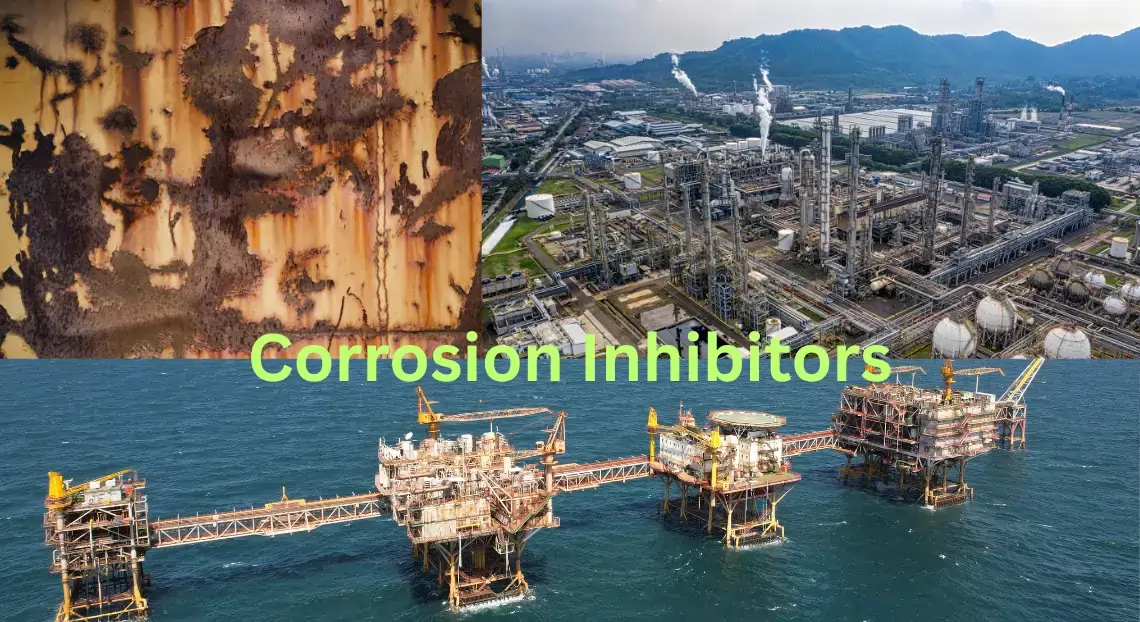
Corrosion happens when metal reacts with oxygen, moisture, salts, or chemicals in the surrounding environment. Over time, this reaction weakens the metal and leads to rust, pitting, or structural damage. Corrosion inhibitors slow down this process and help protect the metal surface.
Most corrosion inhibitors work by forming a thin protective layer on the metal. This layer acts as a barrier that limits contact between the metal and corrosive elements such as water, oxygen, and chemicals. When this contact is reduced, the corrosion reaction slows down.
Some inhibitors also change the chemical reactions that cause corrosion. They may reduce the activity of corrosive substances in the fluid or control the electrochemical reactions that occur on the metal surface.
Because of these properties, corrosion inhibitors are widely used in systems such as pipelines, cooling towers, boilers, storage tanks, and industrial processing equipment. They help extend equipment life, reduce maintenance, and improve system reliability.
Why Corrosion Control Is Important?
Equipment Damage and Failures
Corrosion slowly weakens metal surfaces used in pipelines, tanks, machines, and structural components. As corrosion progresses, the metal becomes thinner and weaker, which can lead to cracks, leaks, or complete equipment failure. Even small corrosion damage can affect the performance of pumps, valves, and other critical parts. If it is not controlled early, equipment may stop working suddenly and cause serious operational problems. In many industries, unexpected failure can interrupt production and damage other connected systems.
Safety Risks
Corrosion is not only a maintenance issue; it is also a safety concern. When metal structures lose strength, they can collapse or break under pressure. This can cause accidents in factories, plants, and construction sites. Corroded pipes and tanks may also leak chemicals, gas, or fuel, which can create fire hazards, environmental damage, or health risks for workers. Because of these dangers, many industries closely monitor corrosion and take preventive steps to reduce risk.
Maintenance and Replacement Costs
Repairing corroded equipment is expensive. Companies often need to replace pipes, machinery parts, or entire systems when corrosion becomes severe. In addition to repair costs, there are also expenses related to inspections, maintenance shutdowns, and spare parts. Studies show that corrosion costs the global economy trillions of dollars each year, showing how serious the issue is for industries.
Impact on Industrial Productivity
Corrosion can reduce efficiency and slow down operations. When equipment is damaged or taken offline for repairs, production may stop or operate below capacity. This leads to delays, financial losses, and lower productivity. By controlling corrosion early, industries can keep systems running smoothly and extend the life of their equipment.
How Metal Corrosion Occurs?
Chemical and Electrochemical Reactions
Corrosion starts when a metal reacts with substances in its environment. In many cases, it is an electrochemical process. Small electrical reactions form on the metal surface when it comes in contact with moisture and air. One part of the metal loses electrons and begins to break down, while another part gains electrons. This reaction slowly changes the metal into oxides or other compounds. Rust on iron is a common example. These reactions may happen slowly, but over time they weaken the metal and damage the surface.
Role of Water, Oxygen, Salts, and Chemicals
Water is one of the main factors that allows corrosion to begin. It acts as a medium that helps chemical reactions take place on the metal surface. Oxygen in the air reacts with metal and forms oxides. When salts are present, such as in seawater or industrial water, corrosion can speed up because salts improve electrical conductivity. Certain chemicals and acids can also attack metals and break down their protective layers. When these elements combine, the corrosion process becomes faster and more severe.
Common Environments Where Corrosion Occurs
Corrosion is common in places where metal is exposed to moisture, air, or chemicals. This includes marine environments, industrial plants, pipelines, cooling towers, storage tanks, and outdoor structures. Areas with high humidity, salt exposure, or chemical processing are especially prone to corrosion. Over time, these conditions can cause serious damage if proper protection methods are not used.
How Corrosion Inhibitors Protect Metal?
Formation of a Protective Barrier on Metal
One of the main ways corrosion inhibitors work is by forming a thin protective layer on the metal surface. When the inhibitor is added to water or another fluid, its molecules move toward the metal and attach to it. This layer acts as a barrier between the metal and harmful elements such as water, oxygen, and dissolved salts. Because the metal surface is covered, these corrosive substances cannot easily reach it. As a result, the corrosion process slows down and the metal stays protected for a longer time.
Reaction with Corrosive Substances
Some corrosion inhibitors protect metal by reacting with substances that cause corrosion. For example, they may react with oxygen, acids, or dissolved minerals in the fluid. This reaction reduces the strength of the corrosive agents and makes the environment less aggressive toward the metal. In water treatment systems, certain inhibitors also help stabilize the water chemistry, which further lowers the risk of corrosion.
Slowing Down Electrochemical Activity
Corrosion is driven by electrochemical reactions that occur on the metal surface. Corrosion inhibitors help slow these reactions. Some reduce the metal’s tendency to lose electrons, while others limit the reactions that occur in the surrounding fluid. When these reactions slow down, the overall corrosion rate also decreases.
Surface Adsorption Protection
Many organic corrosion inhibitors work through adsorption. Their molecules stick to the metal surface and create a protective molecular film. This film blocks active corrosion sites and reduces direct contact between the metal and the surrounding environment. Over time, this protective coverage helps maintain the strength and condition of the metal.
Main Types of Corrosion Inhibitors
Anodic Corrosion Inhibitors
Anodic inhibitors slow down the metal oxidation reaction, which is one of the main steps in corrosion. They work by forming a stable protective film on the metal surface. This film blocks the active areas where corrosion normally begins. These inhibitors are often used in water treatment systems, cooling equipment, and industrial processes. Common examples include compounds based on nitrites, phosphates, and molybdates. When used at the correct level, they provide strong protection, but improper dosage may reduce their effectiveness.
Cathodic Corrosion Inhibitors
Cathodic inhibitors reduce the reaction that occurs on the cathodic part of the metal surface. They slow the chemical processes that allow corrosion to continue. Some of these inhibitors form deposits on the metal, which helps limit the contact between the metal and corrosive elements. Others reduce the amount of oxygen available in the system. Because of this action, the overall corrosion rate becomes lower.
Mixed Corrosion Inhibitors
Mixed inhibitors protect metal by affecting both anodic and cathodic reactions. Instead of targeting only one side of the corrosion process, they control the overall reaction. This balanced protection makes them widely used in many industrial systems. They are often found in cooling water treatments and closed-loop systems where stable performance is required.
Volatile Corrosion Inhibitors (VCI)
Volatile corrosion inhibitors protect metal surfaces in enclosed spaces. These inhibitors slowly release protective vapors that spread through the surrounding air. The vapors settle on metal surfaces and create a thin protective layer. VCIs are commonly used in packaging, storage, shipping, and protection of spare parts.
Organic Corrosion Inhibitors
Organic inhibitors are carbon-based compounds that protect metal mainly through surface adsorption. Their molecules attach to the metal surface and form a protective barrier. Many industries use them in oil and gas systems, fuel storage, and acid cleaning operations.
Inorganic Corrosion Inhibitors
Inorganic inhibitors are mineral-based chemicals that reduce corrosion through chemical reactions or protective film formation. They are widely used in water treatment, cooling towers, and boiler systems because they are stable and effective in many operating conditions.
Common Chemicals Used as Corrosion Inhibitors
Nitrite-Based Corrosion Inhibitors
Nitrites are widely used to protect steel and iron surfaces, especially in closed water systems. They work by supporting the formation of a protective oxide layer on the metal surface. This layer helps stop the metal from reacting with oxygen and moisture. Because of this property, nitrites are commonly used in cooling systems, boilers, and industrial water treatment programs. Proper concentration is important, because low levels may not provide enough protection.
Phosphate Corrosion Inhibitors
Phosphates are commonly used in water treatment to control corrosion and scale. When added to water, they react with metal ions and form a thin protective film on pipes and equipment. This film reduces direct contact between metal and corrosive substances. Phosphate inhibitors are often used in municipal water systems, cooling towers, and boilers because they help protect metal surfaces and improve system stability.
Molybdate-Based Inhibitors
Molybdates are effective corrosion inhibitors often used in cooling water systems and closed-loop systems. They help create a stable protective layer on metal surfaces, which reduces corrosion activity. Molybdates are valued because they provide protection without causing major deposits inside equipment. They are often used in combination with other treatment chemicals to improve overall corrosion control.
Silicate Corrosion Inhibitors
Silicates protect metal surfaces by forming a thin barrier layer that limits contact with oxygen and moisture. They are often used in water systems, automotive cooling fluids, and some industrial processes. Silicates are especially useful for protecting steel and other metal components in systems where water quality changes frequently.
Benzotriazole for Copper Protection
Benzotriazole is commonly used to protect copper and copper alloys from corrosion. It works by forming a stable protective film on the metal surface. This film helps prevent reactions with oxygen and dissolved salts. Because of this property, benzotriazole is widely used in cooling systems, electronics, and industrial water treatment.
Amine-Based Corrosion Inhibitors
Amines are often used in boilers, pipelines, and steam systems. They help neutralize acidic conditions and create a protective layer on metal surfaces. Some amines also protect systems by controlling the pH level of water, which reduces the chance of corrosion developing inside pipes and equipment.
Industrial Applications of Corrosion Inhibitors
Use in Water Treatment Systems
Water treatment is one of the most common areas where corrosion inhibitors are used. Industrial water often contains oxygen, salts, and dissolved minerals that can damage metal pipes and equipment. Corrosion inhibitors are added to control these reactions and protect the system. They help extend the life of pipelines, pumps, and storage tanks while keeping the system running smoothly.
Role in the Oil and Gas Industry
In the oil and gas industry, metal equipment is exposed to water, carbon dioxide, hydrogen sulfide, and other corrosive substances. Pipelines, drilling tools, and storage systems are at constant risk of corrosion. Corrosion inhibitors are injected into these systems to protect internal metal surfaces. This helps reduce leaks, equipment damage, and costly shutdowns.
Protection in Boilers and Cooling Towers
Boilers and cooling towers operate with continuous water flow and high temperatures. These conditions increase the chance of corrosion. Corrosion inhibitors help control water chemistry and form protective layers on metal surfaces. This reduces damage to heat exchangers, pipes, and other components, allowing the system to operate more efficiently.
Application in the Automotive Industry
Vehicles use corrosion inhibitors in engine cooling systems and metal parts. Coolants contain inhibitors that protect radiators, water pumps, and engine components from rust and chemical attack. This protection helps maintain engine performance and extends the life of the cooling system.
Importance in Marine and Shipping
Ships, offshore structures, and marine equipment are constantly exposed to saltwater and humid air. These conditions speed up corrosion. Corrosion inhibitors are used in fuel systems, cooling systems, and protective coatings to reduce metal damage and maintain structural strength.
Use in Construction and Infrastructure
Bridges, pipelines, reinforced concrete, and industrial structures also face corrosion over time. Corrosion inhibitors are added to coatings, concrete, or water systems to protect steel and metal components. This helps improve durability and reduces long-term maintenance costs.
How to Choose the Right Corrosion Inhibitor?
Select an Inhibitor Based on the Metal Type
The first step is to understand the type of metal used in the system. Different metals react differently in corrosive environments. Steel and iron usually rust easily, while copper, aluminum, and alloys may face other forms of corrosion. Because of this, the inhibitor must be compatible with the metal surface to provide proper protection. Choosing the wrong type may reduce protection or even damage certain metals.
Check Water Chemistry and Fluid Composition
Water quality plays a major role in corrosion control. Factors such as pH level, hardness, dissolved oxygen, salts, and minerals can affect how corrosion develops. A proper water analysis helps determine which inhibitor will work best. If the chemistry of the water is not considered, the inhibitor may not perform well or may create other problems in the system.
Consider Temperature and Pressure Conditions
Operating conditions such as temperature and pressure also influence corrosion and inhibitor performance. Higher temperatures often increase corrosion rates because metals react faster with their surroundings. Some inhibitors are designed to work better under certain temperatures or pressure levels, so these conditions must be evaluated before selection.
Evaluate the Operating Environment
The surrounding environment affects how quickly corrosion occurs. High humidity, salt exposure, or chemical contact can make corrosion more aggressive. Systems located near coastal areas, industrial plants, or harsh climates may require stronger corrosion protection. Understanding the working environment helps in choosing a more suitable inhibitor.
Ensure Compatibility With Other Treatment Chemicals
Many industrial systems use several treatment chemicals at the same time. Corrosion inhibitors must work properly with scale inhibitors, biocides, and other additives used in the system. If the chemicals are not compatible, it may reduce efficiency or cause unwanted reactions. Proper testing and monitoring help ensure the treatment program works effectively.
Advantages of Using Corrosion Inhibitors
Longer Service Life of Equipment
Corrosion inhibitors help protect metal surfaces from rust and chemical damage. When corrosion is controlled, pipes, tanks, boilers, and other equipment remain strong for a longer time. The protective layer created by inhibitors reduces direct contact between metal and corrosive substances such as oxygen, water, and salts. Because of this protection, the metal does not weaken quickly. This allows industries to use their equipment for many more years without major damage or early replacement.
Lower Maintenance and Repair Costs
Corrosion can cause leaks, cracks, and failure in industrial systems. Fixing these problems often requires repairs, part replacement, or full equipment shutdown. By using corrosion inhibitors, companies can slow down the corrosion process and reduce the number of repairs needed. Maintenance becomes more planned and controlled instead of urgent and costly. Over time, this helps businesses save money on spare parts, labor, and system inspections.
Better System Performance and Efficiency
When corrosion builds up inside pipes and equipment, it can block flow and reduce heat transfer. This makes systems work harder and consume more energy. Corrosion inhibitors help keep internal surfaces cleaner and smoother. As a result, water, steam, oil, or other fluids can move more easily through the system. This improves overall performance and helps equipment operate at normal efficiency.
Reduced Risk of Operational Downtime
Unexpected corrosion damage can stop production and interrupt operations. Leaking pipes, damaged pumps, or failing equipment may force a system to shut down for repairs. Corrosion inhibitors lower this risk by protecting metal surfaces and slowing damage. With proper corrosion control, systems can run more reliably and avoid unnecessary downtime.
Limitations and Challenges of Corrosion Inhibitors
Problems Caused by Incorrect Dosage
Corrosion inhibitors must be used in the right amount to work properly. If the dosage is too low, the protective layer may not form well and corrosion can continue. If the dosage is too high, it may lead to chemical imbalance, deposits, or unnecessary chemical cost. In some cases, excessive chemicals can also affect water quality or interfere with other treatment processes. Because of this, correct dosing and regular testing are important.
Environmental and Regulatory Concerns
Some corrosion inhibitors contain chemicals that may affect the environment if they are discharged in large amounts. Certain compounds can harm aquatic life or contribute to water pollution. Due to these concerns, many industries must follow environmental rules when using and disposing of treatment chemicals. This has increased the demand for safer and more environmentally friendly corrosion control products.
Compatibility With Other Chemicals
Industrial systems often use multiple treatment chemicals at the same time, such as biocides, scale inhibitors, and cleaning agents. If the corrosion inhibitor is not compatible with these chemicals, it may reduce performance or cause unwanted reactions. In some situations, it may form deposits or reduce the effectiveness of the treatment program.
Need for Regular Monitoring
Corrosion control is not a one-time process. Systems must be monitored regularly to check corrosion levels, chemical concentration, and water quality. Without proper monitoring, problems may go unnoticed and corrosion can return. Regular testing helps maintain effective protection and system stability.
Safety, Handling, and Storage of Corrosion Inhibitors
Safe Handling During Use
Corrosion inhibitors should always be handled with care. Many of these chemicals can cause skin irritation, eye irritation, or breathing problems if they are not handled properly. Workers should read the product safety information before using any chemical. During mixing or dosing, spills and direct contact should be avoided. Using proper equipment and controlled handling helps reduce the risk of accidents and keeps the work area safe.
Proper Storage Conditions
Correct storage is important to keep corrosion inhibitors stable and effective. These chemicals should be stored in sealed containers and kept in a cool, dry, and well-ventilated area. Containers must be clearly labeled to prevent confusion with other chemicals. Exposure to extreme heat, direct sunlight, or moisture can affect chemical quality. It is also important to keep incompatible chemicals stored separately to avoid unwanted reactions.
Worker Protection and Safety Measures
Workers involved in chemical handling should use basic protective equipment such as gloves, safety glasses, and protective clothing. In some cases, face shields or masks may also be required, especially when handling concentrated chemicals. Training employees on chemical safety helps prevent injuries and improper use. Emergency washing stations and clear safety procedures should also be available in areas where these chemicals are used or stored. Proper safety practices help protect both workers and the surrounding environment.
Conclusion
Corrosion is a common problem that affects metal equipment in many industries. If it is not controlled, it can lead to damage, safety risks, high repair costs, and production delays. Corrosion inhibitors help slow down this process by protecting metal surfaces from water, oxygen, and other corrosive substances.
Different types of corrosion inhibitors are used depending on the metal, environment, and operating conditions. When the right inhibitor is selected and used correctly, it can extend equipment life, improve system performance, and reduce maintenance needs. Industries such as water treatment, oil and gas, manufacturing, and construction rely on these chemicals to keep their systems running safely and efficiently.
However, proper selection, correct dosage, and regular monitoring are important for effective corrosion control. Safe handling and responsible use are also necessary to protect workers and the environment.
In simple terms, corrosion inhibitors play an important role in protecting industrial equipment and reducing long-term operational problems. When used as part of a well-planned maintenance program, they help industries save time, reduce costs, and maintain reliable operations.
Frequently Asked Questions About Corrosion Inhibitors
1. What is a corrosion inhibitor?
A corrosion inhibitor is a chemical added to a liquid or system to slow down or prevent metal corrosion. It protects metal surfaces from reacting with water, oxygen, salts, or chemicals.
2. Where are corrosion inhibitors commonly used?
They are widely used in water treatment systems, pipelines, boilers, cooling towers, oil and gas operations, automotive cooling systems, and industrial equipment.
3. How do corrosion inhibitors protect metal?
Most inhibitors form a thin protective layer on the metal surface. This layer blocks corrosive elements and slows the chemical reactions that cause corrosion.
4. Are corrosion inhibitors used in water systems?
Yes. They are commonly added to cooling water, boiler water, and closed-loop systems to protect pipes, pumps, and heat exchangers from rust and damage.
5. Can corrosion inhibitors stop rust completely?
They usually slow down corrosion rather than completely stopping it. Proper treatment, correct dosage, and regular monitoring help keep corrosion under control.
6. Do corrosion inhibitors work for all metals?
No. Different metals require different types of inhibitors. The correct product depends on the metal type and the operating conditions.
7. Are corrosion inhibitors safe to use?
They are safe when handled and used according to safety guidelines. Proper storage, protective equipment, and correct dosing are important.
8. How is the right corrosion inhibitor selected?
Selection depends on several factors such as the type of metal, water chemistry, temperature, system conditions, and compatibility with other treatment chemicals.