


What Is Chlorine?
Chlorine is a chemical element that belongs to the halogen group in the Periodic Table. It has the symbol Cl and atomic number 17. In its natural elemental form, chlorine exists as a yellow-green gas with a strong, sharp odor. It is highly reactive, which means it easily combines with other elements to form compounds.
From a chemistry perspective, chlorine is a powerful oxidizing agent. Because of this property, it can break down organic matter and destroy many microorganisms such as bacteria and viruses. This is the main reason chlorine is widely used for disinfection and sanitation.
From a practical or everyday point of view, chlorine is best known for its role in cleaning and protecting water. It is commonly used to disinfect drinking water, treat swimming pools, and control harmful microbes in sanitation systems. Many household cleaning products and bleaches also contain chlorine-based compounds.
Chlorine is rarely found alone in nature due to its high reactivity. Instead, it is usually present in compounds such as sodium chloride (common salt), which is widely found in seawater and natural mineral deposits. Because of its chemical properties and wide industrial use, chlorine is considered one of the most important elements used in modern industry and public health.
Chemical Formula and CAS Number of Chlorine
Chemical Formula: Cl₂
CAS Number: 7782-50-5
Basic Properties of Chlorine
Chemical Symbol and Atomic Number
Chlorine is a chemical element with the symbol Cl and atomic number 17. This means each chlorine atom contains 17 protons and 17 electrons. It belongs to the halogen group of elements and is placed in group 17 of the periodic table. Chlorine is a non-metal and is known for its strong chemical activity. In its natural state, chlorine usually exists as a molecule made of two atoms, written as Cl₂.
Physical Appearance and Smell
At room temperature, chlorine is a yellow-green gas. It has a strong and sharp smell that many people recognize from bleach or swimming pool water. Chlorine gas is heavier than air and can irritate the eyes and respiratory system if present in high amounts. Because of these properties, chlorine must be handled carefully in industrial and laboratory environments.
Reactivity and Key Characteristics
Chlorine is a highly reactive element and a strong oxidizing agent. It easily reacts with metals, non-metals, and many organic substances. Due to this high reactivity, chlorine forms many useful compounds such as chlorides, disinfectants, and industrial chemicals. Its ability to react and break down microorganisms is one of the main reasons it is widely used in sanitation and water treatment.
Where Chlorine Exists in Nature?
Chlorine is rarely found as a free gas in nature because it reacts quickly with other elements. It is mostly found in the form of compounds, especially sodium chloride, which is common salt. Large amounts of chlorine compounds are present in seawater, underground salt deposits, and natural minerals. Small amounts are also found in living organisms and natural fluids.
How Chlorine Is Produced?
Industrial Production of Chlorine
Chlorine is mainly produced on a large scale in chemical plants. The most common method used today is the electrolysis of salt water, also called brine. In this process, salt is first dissolved in water to form a concentrated solution. This solution is then cleaned to remove impurities such as calcium, magnesium, and iron that can affect the process. After purification, the brine is sent into an electrolytic cell where electricity is passed through it. This breaks the chemical bonds in the solution and releases chlorine gas. Hydrogen gas and sodium hydroxide are also produced during the same process. These chemicals are widely used in many industries.
Chlor-Alkali Process
The main industrial method for producing chlorine is known as the chlor-alkali process. In this process, an electric current passes through a concentrated sodium chloride solution. Chloride ions move toward the anode where they lose electrons and form chlorine gas. At the same time, hydrogen gas forms at the cathode and sodium hydroxide remains in the solution. Because this process produces chlorine and alkali products together, it is called the chlor-alkali process. Today, most of the world’s chlorine is made using this method.
Raw Materials Used in Chlorine Production
The main raw material used to produce chlorine is sodium chloride, commonly known as salt. This salt usually comes from underground rock salt deposits or from seawater. The salt is dissolved in water to create brine before the electrolysis process begins. Electricity is another key requirement because it drives the chemical reaction that separates chlorine from the salt solution. These basic materials make chlorine production possible on a large industrial scale.
Forms of Chlorine Used in Industry
Chlorine Gas
Chlorine gas is the pure form of chlorine used in many large industries. It is a yellow-green gas with a strong smell and high reactivity. This form is commonly used in water treatment plants, chemical manufacturing, and plastic production. Industries use chlorine gas to make many important chemicals such as solvents, disinfectants, and PVC.
Liquid Chlorine
When chlorine gas is cooled and compressed, it becomes liquid chlorine. This form makes storage and transportation easier for industrial use. Liquid chlorine is usually stored in steel cylinders, tanks, or bulk containers. Water treatment facilities and large industrial plants often use liquid chlorine because it can be transported safely and used in controlled amounts.
Sodium Hypochlorite
Sodium hypochlorite is a liquid chlorine compound widely used for disinfection. It is the main ingredient in household bleach and many sanitation products. Water treatment plants, hospitals, and food processing units use it to control bacteria and maintain hygiene. It is easier to handle than chlorine gas and is commonly used for smaller scale applications.
Calcium Hypochlorite and Chlorine Tablets
Calcium hypochlorite is a solid chlorine compound usually available as powder, granules, or tablets. It is widely used for swimming pools, drinking water treatment, and emergency water purification. Chlorine tablets and powders are easy to store, transport, and apply, which makes them useful in many sanitation and maintenance applications.
Major Uses of Chlorine
Water Treatment and Sanitation
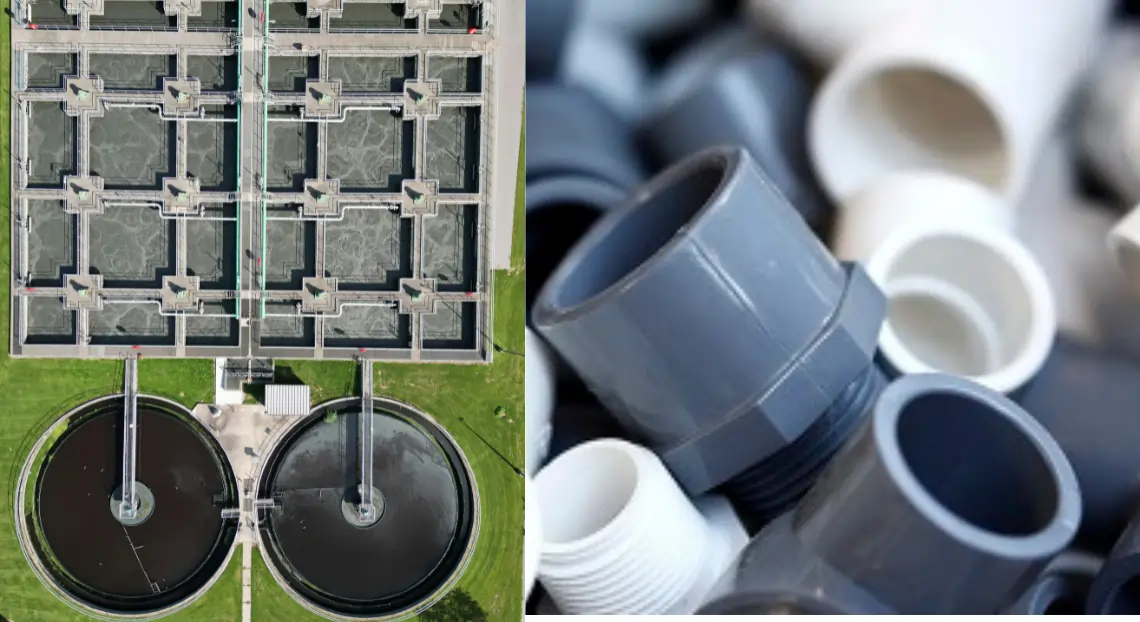
Chlorine is mainly used to disinfect drinking water and wastewater. It kills bacteria, viruses, and other harmful microorganisms that can cause disease. Municipal water treatment plants add controlled amounts of chlorine to make water safe for public use. It is also used in swimming pools to maintain clean and safe water. Because of its strong disinfecting power, chlorine has helped reduce waterborne diseases worldwide.
Household Disinfectants and Bleach
Chlorine compounds are widely used in cleaning and sanitation products. Sodium hypochlorite, the active ingredient in common bleach, is used to disinfect surfaces, remove stains, and whiten fabrics. Homes, hospitals, and food processing units use chlorine-based cleaners to maintain hygiene and control the spread of germs.
Plastics and PVC Production
Chlorine plays an important role in the production of plastics, especially polyvinyl chloride, known as PVC. PVC is used to make pipes, cables, flooring, medical equipment, and construction materials. Chlorine helps improve the strength, durability, and chemical resistance of these products.
Pharmaceutical, Paper, and Textile Industries
In the pharmaceutical industry, chlorine is used to manufacture many medicines and chemical intermediates. It is also used in paper processing to bleach wood pulp and in textile manufacturing to treat and finish fabrics. These applications make chlorine essential in modern industrial production.
Advantages of Using Chlorine
Strong and Effective Disinfection
One of the biggest advantages of chlorine is its strong ability to kill harmful microorganisms. It destroys many types of bacteria, viruses, and algae that can contaminate water. Because of this property, chlorine is widely used in drinking water treatment, wastewater systems, and swimming pools. It works quickly and helps reduce the risk of waterborne diseases.
Cost-Effective for Large-Scale Use
Chlorine is relatively low in cost compared with many other disinfectants. It can treat large volumes of water without requiring expensive equipment or complex systems. This makes it practical for cities, industries, and public utilities. The chemicals used to produce chlorine are also widely available, which helps keep costs stable.
Reliable and Widely Available
Chlorine has been used around the world for many years, so the technology and supply systems are well established. It is produced in large quantities and distributed globally. Water treatment plants, industries, and sanitation services rely on chlorine because it is easy to obtain and simple to apply in controlled amounts.
Long History of Safe and Proven Use
Chlorine has been used for water disinfection for more than a century. Over time, its effectiveness and safety have been well studied and documented. When used properly, it remains one of the most dependable methods for protecting public health and maintaining clean water systems.
Risks and Safety Considerations
Health Risks of Chlorine Exposure
Chlorine is useful but it can be harmful if a person is exposed to high levels. Chlorine gas can irritate the eyes, skin, and lungs. Breathing large amounts may cause coughing, chest tightness, and breathing difficulty. Liquid or concentrated chlorine solutions can also cause skin burns or eye damage. For this reason, chlorine should always be used in controlled amounts and in well-ventilated areas.
Safe Handling Practices
Workers who deal with chlorine must follow proper safety procedures. Protective equipment such as gloves, goggles, and masks helps reduce the risk of contact or inhalation. Equipment used with chlorine should be checked regularly to prevent leaks. Training is also important so workers understand how to handle the chemical and what to do in case of an emergency.
Safe Storage and Transportation
Chlorine must be stored in strong, sealed containers that are designed for chemicals. Cylinders and tanks should be kept in cool, dry, and well-ventilated places away from heat and direct sunlight. During transportation, containers must be secured to prevent damage or leakage. Proper labeling and safety rules help ensure chlorine can be moved and stored without risk to people or the environment.
Environmental Impact of Chlorine
Effects on Water Systems
Chlorine plays an important role in keeping water safe, but its release into natural water bodies must be controlled. High levels of chlorine can harm fish, plants, and other aquatic life. Even small amounts may affect sensitive organisms in rivers and lakes. Because of this, water treatment plants carefully control how much chlorine is added and ensure that treated water meets environmental safety standards before it is released.
By-Products Formed During Chlorination
When chlorine reacts with natural organic matter in water, it can form chemical by-products. Some common examples include trihalomethanes (THMs) and haloacetic acids (HAAs). These substances can appear during drinking water treatment if organic materials are present. For this reason, treatment facilities monitor water quality and adjust chlorine levels to reduce the formation of these compounds while still keeping the water safe from harmful microbes.
Regulations and Safer Use
Many countries have strict guidelines for the use of chlorine in water treatment and industrial processes. Environmental agencies set limits for chlorine discharge and for by-products in drinking water. Modern treatment systems are designed to use chlorine efficiently while reducing environmental impact. Careful handling, proper dosing, and regular monitoring help balance public health protection with environmental safety.
Global Demand and Industrial Importance of Chlorine
Industries That Depend on Chlorine
Chlorine is a key chemical used in many industries around the world. The water treatment industry relies on chlorine to disinfect drinking water and wastewater. The plastics industry uses chlorine to produce polyvinyl chloride (PVC), which is essential for pipes, cables, and construction materials. Pharmaceutical companies use chlorine to manufacture medicines and chemical intermediates. The paper and textile industries also depend on chlorine for bleaching and fabric processing. Because of its versatility, chlorine is considered essential in modern industrial operations.
Role in Modern Infrastructure
Chlorine plays an important role in maintaining public health and supporting infrastructure. Its use in water treatment ensures safe drinking water for cities and towns. PVC and other chlorine-based products are widely used in plumbing, electrical systems, and medical equipment. These applications make chlorine a critical component of modern infrastructure, helping industries and communities function efficiently and safely.
Market Demand
The global demand for chlorine remains high because of its broad applications. Emerging economies and growing urban populations increase the need for clean water, sanitation, and construction materials, driving chlorine production. Industrial growth, especially in chemicals, plastics, and pharmaceuticals, also supports strong market demand. As a result, chlorine continues to be one of the most important and widely used industrial chemicals worldwide.
How Chlorine Is Stored and Transported?
Storage Containers for Chlorine
Chlorine must be stored carefully because it is highly reactive and toxic in concentrated forms. Industrial chlorine is usually kept in strong steel cylinders or bulk tanks designed to hold pressurized gas or liquid. These containers are airtight and resistant to corrosion. For solid chlorine compounds, such as calcium hypochlorite, storage is in dry, sealed containers away from moisture, heat, and sunlight. Proper storage prevents accidental leaks, chemical reactions, or exposure to humans and the environment.
Industrial Safety Standards
Safety standards are strictly followed in facilities that handle chlorine. Workers are trained to handle chlorine safely, use personal protective equipment like gloves, goggles, and respirators, and follow emergency protocols. Facilities are designed with proper ventilation, gas detection systems, and containment measures to minimize risks. Regular inspections ensure that storage tanks, valves, and pipelines are in good condition. These standards reduce the chance of accidents and protect both workers and nearby communities.
Transportation of Chlorine
Transporting chlorine requires strict controls. Chlorine gas or liquid is moved in specialized, pressurized cylinders or tankers. These containers are securely fastened and labeled with warning signs to alert handlers. Transportation routes are planned to avoid populated areas when possible. Drivers and operators are trained in emergency response and safe handling. By following proper procedures, chlorine can be safely transported from production plants to industrial users, water treatment facilities, or storage sites.
Conclusion
Chlorine is one of the most important chemical elements used in modern life. It plays a critical role in water treatment, sanitation, industrial manufacturing, and public health. Its strong disinfecting ability helps keep drinking water and swimming pools safe, while its chemical properties support the production of plastics, pharmaceuticals, paper, and textiles. Chlorine is cost-effective, reliable, and widely available, making it essential for industries and communities worldwide.
At the same time, chlorine must be handled with care. Exposure to high concentrations can be harmful, and improper storage or transportation can pose risks. Environmental impacts, such as by-products formed during water treatment, also require careful monitoring and regulation. By following safety standards, proper storage, and controlled usage, chlorine can be used effectively without causing harm to humans or the environment.
Overall, chlorine remains a vital industrial and public health chemical. Its versatility, effectiveness, and long history of use make it indispensable in ensuring clean water, safe sanitation, and the production of many everyday products. Proper understanding of its properties, uses, and safety measures allows industries and communities to benefit from chlorine while minimizing risks.
Frequently Asked Questions About Chlorine
1. What is chlorine?
Chlorine is a chemical element with the symbol Cl and atomic number 17. It is a yellow-green gas used for disinfection, sanitation, and industrial production.
2. What is chlorine used for?
Chlorine is used to disinfect drinking water, treat swimming pools, make plastics like PVC, produce medicines, bleach paper and fabrics, and in household cleaning products.
3. How is chlorine produced?
Chlorine is mainly produced by the electrolysis of salt water (brine) in the chlor-alkali process. This process also produces sodium hydroxide and hydrogen gas.
4. What are the forms of chlorine?
Chlorine is available as chlorine gas, liquid chlorine, sodium hypochlorite, calcium hypochlorite, and chlorine tablets or powders.
5. Is chlorine safe to use?
Chlorine is safe when used in controlled amounts, such as in drinking water or household bleach. High concentrations or direct contact can be harmful.
6. How should chlorine be stored?
Chlorine should be stored in strong, airtight containers away from heat, sunlight, and moisture. Solid forms must be kept dry, and gas or liquid forms must be under controlled pressure.
7. Can chlorine harm the environment?
Excess chlorine can harm aquatic life. By-products from chlorination may form chemicals like trihalomethanes, so water treatment plants monitor levels carefully.
8. How can chlorine exposure be prevented?
Use protective equipment such as gloves, goggles, and masks when handling chlorine. Ensure proper ventilation and follow industrial safety guidelines.