

What Is Dextrose?
Dextrose is a simple sugar that is chemically identical to glucose, which is the primary source of energy used by the body’s cells. It is a carbohydrate that occurs naturally in plants and is commonly produced from corn starch for use in food, beverages, dietary supplements, and medical products. Because dextrose is a simple sugar, the body can absorb and use it quickly for energy.
The chemical formula of dextrose is C₆H₁₂O₆, the same formula as glucose. It belongs to a group of sugars known as monosaccharides, which are the simplest form of carbohydrates. Unlike complex carbohydrates that must be broken down during digestion, dextrose is readily absorbed into the bloodstream and can be used immediately by the body.
Dextrose and glucose are often used interchangeably because they refer to the same sugar molecule. The term “glucose” is more commonly used in biology and nutrition, while “dextrose” is frequently used in the food manufacturing and pharmaceutical industries. When you see dextrose listed on a food label, it is essentially a form of glucose that has been produced from starch.
The name “dextrose” comes from the Latin word dexter, meaning “right.” It refers to the way the sugar solution rotates polarized light to the right when tested in a laboratory. This characteristic distinguishes it from some other forms of sugar and is the reason the term dextrose became widely used in scientific, food, and medical applications.
Today, dextrose is widely used as a sweetener, an energy source, and an ingredient that helps improve the texture, shelf life, and stability of many products. Its ability to provide quick energy has also made it a common ingredient in sports nutrition products and medical treatments for low blood sugar.
How Is Dextrose Made?
Dextrose is mainly produced from starch-rich crops. Although it occurs naturally in many plants, the dextrose used in food products, medicines, and supplements is usually made through a manufacturing process that converts starch into glucose. This process allows manufacturers to produce large amounts of dextrose with consistent quality and purity.
Common Sources Used to Produce Dextrose
Corn is the most common source of dextrose worldwide. Corn contains a large amount of starch, making it an efficient and cost-effective raw material. In many countries, dextrose is often referred to as corn glucose because it is commonly derived from corn starch.
Wheat is another source used to manufacture dextrose. The starch found in wheat can be broken down into glucose in the same way as corn starch. In some regions, wheat-based dextrose is preferred due to local crop availability.
Rice can also be used to produce dextrose. Rice starch is processed into glucose and may be used in certain food products, especially in markets where rice is a major agricultural crop.
Other starch-rich materials such as potatoes, cassava, and tapioca can also serve as sources of dextrose. The source may vary depending on local resources, production costs, and industry requirements.
How Starch Is Converted Into Dextrose?
The manufacturing process begins by extracting starch from the selected crop. The starch is then mixed with water and treated with enzymes. These enzymes break down the long starch molecules into smaller sugar molecules until they are converted into glucose, which is dextrose.
After conversion, the liquid undergoes several purification steps to remove impurities, unwanted compounds, and excess moisture. The purified dextrose solution may then be concentrated into a syrup or dried into a powder or crystal form.
The final product is a highly purified sugar that can be used in foods, beverages, sports nutrition products, pharmaceutical products, and medical treatments. This controlled production process helps ensure that dextrose meets quality and safety standards before reaching consumers.
Types of Dextrose
Dextrose is available in different forms to meet the needs of various industries. While all types contain glucose, they differ in their physical form, moisture content, and intended use. The three most common types are dextrose monohydrate, anhydrous dextrose, and liquid dextrose. Each type is produced through a controlled manufacturing process and is used in food, beverages, pharmaceuticals, and medical products.
Dextrose Monohydrate
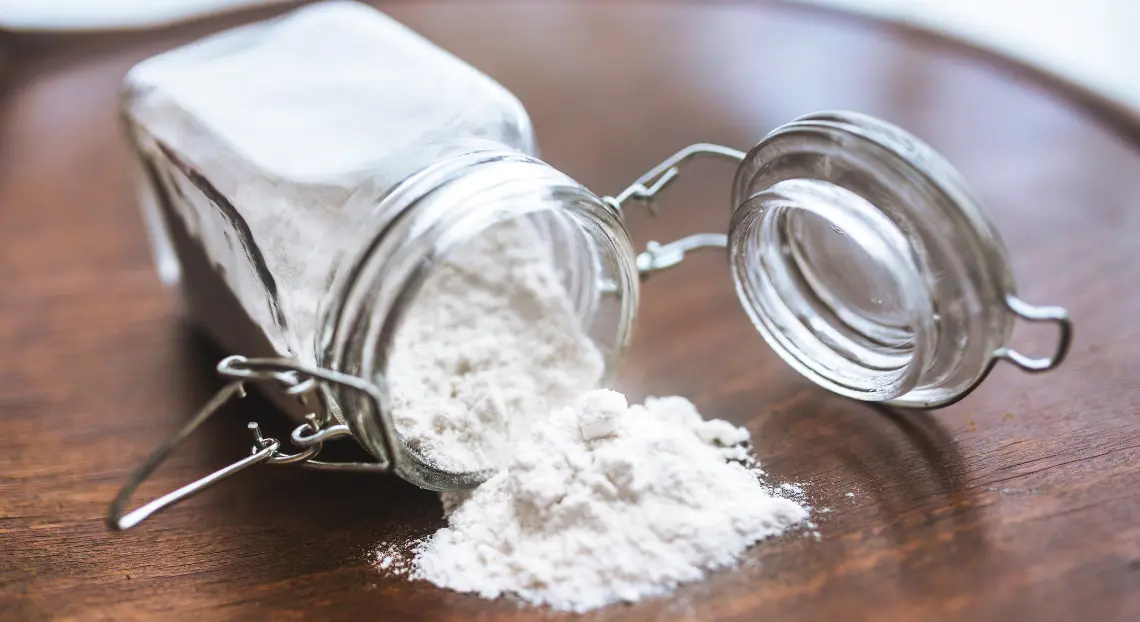
Dextrose monohydrate is the most widely used form of dextrose. It contains one molecule of water attached to each molecule of glucose. This form usually appears as a white crystalline powder with a mildly sweet taste.
Because it dissolves easily and provides quick energy, dextrose monohydrate is commonly used in baked goods, confectionery products, beverages, sports nutrition products, and dietary supplements. It is also used in pharmaceutical formulations where glucose is needed as an ingredient or energy source. Its stability and ease of handling make it a popular choice for many manufacturing applications.
Anhydrous Dextrose
Anhydrous dextrose is dextrose that has had all water removed during processing. As a result, it contains a higher concentration of glucose compared to dextrose monohydrate. It is also available as a white crystalline powder and dissolves quickly in water.
This form is often used when low moisture content is important. Food manufacturers, pharmaceutical companies, and medical product manufacturers use anhydrous dextrose in products that require precise glucose levels and longer shelf life. It is also commonly found in tablets, powdered drink mixes, and certain medical formulations.
Liquid Dextrose
Liquid dextrose is a concentrated glucose syrup produced by converting starch into glucose and keeping it in liquid form. It is widely used in the food and beverage industry because it blends easily with other ingredients.
Manufacturers use liquid dextrose in soft drinks, processed foods, confectionery products, sauces, and bakery items. It helps provide sweetness, improve texture, and maintain product consistency. Since it does not require dissolving before use, liquid dextrose is especially useful in large-scale food production.
How Dextrose Works in the Body?
Dextrose is a simple sugar that the body can use quickly for energy. Since dextrose is chemically the same as glucose, it does not require complex digestion. After consumption, it is rapidly absorbed into the bloodstream and becomes available for use by cells throughout the body. This fast absorption is one reason dextrose is commonly used in foods, sports nutrition products, and medical treatments.
How Dextrose Is Digested and Absorbed?
Unlike complex carbohydrates such as starch, dextrose does not need to be broken down into smaller sugars before absorption. Once it reaches the small intestine, it passes through the intestinal wall and enters the bloodstream as glucose.
Because the body can absorb dextrose quickly, blood glucose levels begin to rise soon after consumption. This rapid absorption makes dextrose a useful source of energy when the body needs glucose immediately, such as during intense physical activity or when treating low blood sugar.
How Dextrose Provides Energy?
After entering the bloodstream, dextrose is transported to cells throughout the body. The hormone insulin helps move glucose from the blood into cells, where it is used to produce energy.
Inside the cells, glucose is broken down through a series of chemical reactions that generate adenosine triphosphate (ATP), the body’s main energy source. This energy supports essential functions such as muscle movement, brain activity, breathing, and maintaining normal body processes. Any excess glucose that is not immediately needed for energy can be stored in the liver and muscles as glycogen for later use.
Effect of Dextrose on Blood Sugar Levels
Dextrose has a high glycemic index, which means it can raise blood sugar levels quickly. For this reason, it is often used in medical settings to treat hypoglycemia, a condition in which blood sugar levels become too low.
While this rapid increase in blood sugar can be beneficial in certain situations, consuming large amounts of dextrose regularly may lead to significant blood sugar spikes. People with diabetes or other blood sugar management concerns should pay close attention to products that contain dextrose and consume them according to medical or dietary advice.
Common Uses of Dextrose
Dextrose is widely used in the food, nutrition, pharmaceutical, and healthcare industries. Since it is a form of glucose, it provides a quick source of energy and serves several important functions in different products. Its ability to dissolve easily, improve taste, and support various manufacturing processes makes it a valuable ingredient in many everyday items.
Dextrose in Food and Beverage Products
One of the most common uses of dextrose is in food and beverages. It is often added as a sweetener, although it is less sweet than table sugar. Manufacturers use it to improve the flavor of baked goods, candies, desserts, processed foods, and soft drinks.
Dextrose also helps improve texture and consistency in many products. In baked foods, it can help create a desirable color and appearance during cooking. In processed foods, it can help maintain product quality and stability. It is also used as a fermentation aid in products such as bread and certain beverages because yeast can easily use dextrose as a source of energy during the fermentation process.
Dextrose in Sports Nutrition Products
Dextrose is commonly found in sports nutrition products because it provides fast-acting energy. Since the body absorbs it quickly, it is often included in energy drinks, workout supplements, and recovery formulas.
Athletes and physically active individuals may consume products containing dextrose before, during, or after exercise to help replenish energy stores. It is especially useful after intense physical activity when the body needs glucose to restore glycogen levels in muscles.
Dextrose in Medical Treatments
In healthcare settings, dextrose plays an important role in patient care. It is commonly used in intravenous (IV) fluids to provide energy and help maintain fluid balance. Doctors may also use dextrose solutions to treat hypoglycemia, a condition caused by low blood sugar levels.
Dextrose can also provide nutritional support for patients who are unable to consume enough food or require additional calories during medical treatment.
Dextrose in Pharmaceutical Products
The pharmaceutical industry uses dextrose in many medicines and healthcare products. It is commonly found in tablets, powders, and liquid syrups. In these products, dextrose may act as a filler, stabilizer, or sweetening ingredient to improve taste and product consistency. Its safety, stability, and easy absorption make it a widely used ingredient in pharmaceutical formulations.
Benefits of Dextrose
Dextrose offers several benefits because it is a form of glucose, the body’s main source of energy. Since it is absorbed quickly into the bloodstream, it can provide fast energy and support important bodily functions. Dextrose is commonly used in food products, sports nutrition, and medical treatments because of its ability to deliver glucose efficiently when it is needed most.
Provides a Fast Source of Energy
One of the main benefits of dextrose is its ability to provide quick energy. Unlike complex carbohydrates that require more time to digest, dextrose is rapidly absorbed into the bloodstream after consumption. This allows the body to use it almost immediately as fuel.
The brain, muscles, and other organs rely on glucose to function properly. Because dextrose enters the bloodstream quickly, it can help supply energy when the body needs it without a lengthy digestion process.
Supports Exercise Recovery
Dextrose is often used in sports nutrition products because it can help restore energy after physical activity. During exercise, the body uses stored glycogen in the muscles as a source of fuel. After a workout, these glycogen stores need to be replenished.
Consuming dextrose after intense exercise can help replace lost glucose and support the recovery process. For this reason, dextrose is commonly included in post-workout drinks and recovery supplements designed for athletes and active individuals.
Helps Raise Low Blood Sugar Levels
Dextrose is widely used to treat low blood sugar, also known as hypoglycemia. Because it is absorbed quickly, it can rapidly increase blood glucose levels when they fall too low.
Medical professionals often use dextrose tablets, gels, drinks, or intravenous solutions to help restore normal blood sugar levels. This quick action makes dextrose an important tool in emergency and healthcare settings.
Supports Medical and Clinical Nutrition
Dextrose also plays an important role in medical nutrition. Hospitals frequently use dextrose in intravenous fluids to provide calories and energy to patients who cannot eat normally. It may also be included in nutritional support programs for individuals recovering from illness, surgery, or certain medical conditions.
Its easy absorption and reliable energy supply make dextrose a valuable ingredient in many healthcare treatments and nutritional products.
Potential Side Effects of Dextrose
Dextrose is generally considered safe when consumed in appropriate amounts and used as intended. However, like other forms of sugar, excessive intake may lead to certain health concerns. Because dextrose is absorbed very quickly by the body, it can affect blood sugar levels and overall health when consumed in large amounts on a regular basis.
Rapid Increase in Blood Sugar Levels
One of the most common concerns associated with dextrose is its effect on blood sugar. Since dextrose is chemically identical to glucose, it enters the bloodstream quickly after consumption. This can cause a rapid rise in blood glucose levels.
For most healthy individuals, the body responds by releasing insulin to help move glucose into cells. However, people with diabetes or impaired glucose control may find it more difficult to manage these sudden increases in blood sugar. Frequent consumption of foods and drinks high in dextrose may make blood sugar management more challenging for some individuals.
Weight Gain From Excess Consumption
Like all sugars, dextrose provides calories. When the body receives more calories than it needs, the excess energy can be stored as fat. Over time, regularly consuming large amounts of dextrose-containing foods and beverages may contribute to weight gain.
This risk is greater when dextrose is consumed through highly processed foods, sugary drinks, or snacks that add calories without providing significant nutritional value. Maintaining a balanced diet can help reduce the risk of excess calorie intake.
Impact on Dental Health
Dextrose can also affect oral health. Bacteria naturally present in the mouth feed on sugars and produce acids as a byproduct. These acids can gradually wear down tooth enamel and increase the risk of cavities.
Frequent consumption of sugary foods and beverages containing dextrose may increase the likelihood of tooth decay, especially when good oral hygiene practices are not followed.
Considerations for Certain Medical Conditions
People with diabetes, insulin resistance, metabolic disorders, or other conditions that affect blood sugar regulation should be cautious with dextrose intake. In some cases, healthcare providers may recommend limiting foods high in rapidly absorbed sugars. Anyone with a medical condition that affects glucose metabolism should follow professional medical advice regarding dextrose consumption.
Who Should Be Careful With Dextrose?
Dextrose is a widely used sugar that can provide quick energy, but it may not be suitable for everyone. Because it is rapidly absorbed into the bloodstream, it can cause a fast rise in blood sugar levels. While this effect can be beneficial in some situations, certain individuals may need to monitor their intake more carefully. Understanding who should be cautious with dextrose can help support better dietary and health decisions.
People With Diabetes
People with diabetes should pay close attention to products that contain dextrose. Since dextrose is a form of glucose, it can increase blood sugar levels quickly after consumption. Individuals with diabetes may have difficulty producing enough insulin or using insulin effectively, which can make blood sugar management more challenging.
Dextrose is sometimes used to treat low blood sugar episodes in people with diabetes. However, outside of these situations, regular consumption of foods and drinks high in dextrose should be monitored as part of an overall diabetes management plan. Following dietary recommendations from a healthcare professional can help maintain healthy blood sugar levels.
People With Insulin Resistance
Individuals with insulin resistance should also be cautious with dextrose intake. Insulin resistance occurs when the body’s cells do not respond properly to insulin, making it harder for glucose to enter cells and be used for energy.
Because dextrose is absorbed quickly, it can lead to rapid increases in blood glucose levels. Frequent consumption of high-sugar foods may place additional strain on the body’s ability to regulate blood sugar. Managing overall sugar intake and choosing balanced meals may help support healthy glucose control.
People Following Low-Carbohydrate Diets
People who follow low-carbohydrate or ketogenic diets may also choose to limit dextrose consumption. Since dextrose is a simple carbohydrate, it can increase daily carbohydrate intake and may interfere with specific dietary goals.
Many low-carbohydrate eating plans focus on reducing sugars and rapidly absorbed carbohydrates. Because dextrose provides quick-digesting glucose, it may not align with the objectives of these diets. Reading ingredient labels can help individuals identify products that contain dextrose and make choices that fit their nutritional preferences.
Dextrose vs Other Sugars
Dextrose is one of several sugars used in foods, beverages, supplements, and medical products. While it shares some similarities with other sugars, there are important differences in their structure, sweetness, digestion, and effects on the body. Understanding these differences can help explain why dextrose is used in specific products and applications.
Dextrose vs Glucose
Dextrose and glucose are essentially the same substance. Both refer to the simple sugar with the chemical formula C₆H₁₂O₆. The main difference is the terminology used. “Glucose” is the term commonly used in nutrition, biology, and medicine, while “dextrose” is often used in the food manufacturing and pharmaceutical industries.
Because they are chemically identical, they provide the same amount of energy and have the same effect on blood sugar levels. In most situations, the terms can be used interchangeably.
Dextrose vs Sucrose
Sucrose, commonly known as table sugar, is different from dextrose in its structure. Sucrose is made of two sugar molecules joined together: glucose and fructose. Before the body can use sucrose, it must first break it down into these simpler sugars.
Dextrose consists of only one glucose molecule, so it is absorbed more quickly. Sucrose is generally sweeter than dextrose, which is why it is commonly used as a household sweetener and in many food products.
Dextrose vs Fructose
Fructose is a naturally occurring sugar found in fruits, honey, and some vegetables. Unlike dextrose, fructose is processed mainly in the liver before it can be used by the body.
Fructose is sweeter than dextrose, meaning smaller amounts can provide the same level of sweetness. Dextrose, however, raises blood sugar levels more rapidly because it enters the bloodstream directly after absorption.
Dextrose vs Maltodextrin
Maltodextrin is a carbohydrate made by breaking down starch into shorter chains of glucose molecules. Unlike dextrose, it is not a single sugar molecule.
Although maltodextrin is not very sweet, the body digests it quickly and converts it into glucose. Both ingredients are often used in sports nutrition products and processed foods, but dextrose provides immediate glucose, while maltodextrin must first be broken down during digestion.
Nutritional Value of Dextrose
Dextrose is a simple carbohydrate that serves as a quick source of energy for the body. Since it is chemically identical to glucose, it is rapidly absorbed and used by cells for normal body functions. From a nutritional standpoint, dextrose mainly provides calories and carbohydrates, with very little else in terms of nutrients.
Calories in Dextrose
Like other digestible carbohydrates, dextrose provides approximately 4 calories per gram. These calories come entirely from carbohydrate content and are used by the body as energy.
Because dextrose is absorbed quickly, the energy it provides becomes available soon after consumption. This is one reason it is commonly used in sports nutrition products, energy drinks, and medical formulations where fast energy delivery is important.
Carbohydrate Content of Dextrose
Dextrose is considered a pure carbohydrate. In its standard form, nearly all of its nutritional content comes from glucose. A serving of dextrose contains carbohydrates but does not provide meaningful amounts of protein, fat, or dietary fiber.
Once consumed, the body converts dextrose directly into usable energy. Any glucose that is not immediately needed may be stored in the liver and muscles as glycogen or converted into fat if consumed in excess.
Vitamins and Minerals in Dextrose
Dextrose is not a significant source of vitamins or minerals. During manufacturing, starch is purified and converted into glucose, leaving very few naturally occurring nutrients behind.
As a result, dextrose is often described as a source of “empty calories.” This means it provides energy but contributes little to overall vitamin, mineral, or micronutrient intake. People should obtain essential nutrients from a balanced diet that includes fruits, vegetables, whole grains, lean proteins, and other nutrient-rich foods.
Glycemic Index of Dextrose
Dextrose has a very high glycemic index (GI), typically close to 100, which is used as a reference value for pure glucose. This means it can raise blood sugar levels very quickly after consumption.
Because of its high GI, dextrose is often used when rapid glucose delivery is needed, such as in sports recovery products or treatments for low blood sugar. However, people who need to manage their blood sugar levels should be mindful of foods and beverages that contain large amounts of dextrose.
How to Identify Dextrose on Food Labels?
Dextrose is a common ingredient in many packaged foods and beverages. If you want to monitor your sugar intake or better understand product ingredients, learning how to identify dextrose on food labels can be helpful. Manufacturers use dextrose for sweetness, texture improvement, preservation, and other food processing purposes.
Names Used for Dextrose on Ingredient Lists
The easiest way to identify dextrose is to look for the word “dextrose” in the ingredient list. In some products, it may also appear as glucose, corn glucose, dextrose monohydrate, or anhydrous dextrose. Since ingredient labeling requirements can vary by country and product type, the exact name may differ.
Ingredients are generally listed in descending order by weight. If dextrose appears near the beginning of the ingredient list, it means the product contains a relatively large amount of it.
Foods and Products That Commonly Contain Dextrose
Dextrose is found in a wide range of processed foods and beverages. It is commonly used in baked goods, candies, chocolates, chewing gum, breakfast cereals, snack foods, sports drinks, soft drinks, and powdered beverage mixes.
It is also frequently added to processed meats, frozen foods, sauces, salad dressings, and packaged desserts. In addition, dextrose can be found in dietary supplements, energy products, and certain pharmaceutical formulations.
Reading ingredient labels carefully is the best way to determine whether a product contains dextrose and how prominently it is used in the formulation.
Conclusion
Dextrose is a simple sugar that is chemically identical to glucose, the body’s primary source of energy. It is widely used in food products, beverages, sports nutrition supplements, pharmaceutical products, and medical treatments because it is easily absorbed and provides quick energy.
While dextrose offers several benefits, including fast energy delivery, exercise recovery support, and treatment for low blood sugar, it should be consumed in moderation as part of a balanced diet. Because it can raise blood sugar levels quickly, people with diabetes, insulin resistance, and certain dietary restrictions may need to monitor their intake more carefully.
Understanding how dextrose is made, the different forms available, its nutritional value, and where it is commonly found can help consumers make informed choices about the products they use and consume. By reading food labels and understanding the role of dextrose in different products, individuals can better manage their dietary needs and overall health.
Whether used in foods, supplements, or healthcare settings, dextrose remains an important ingredient that serves both nutritional and functional purposes across many industries.
Frequently Asked Questions
What is dextrose used for?
Dextrose is used in food products, beverages, sports nutrition supplements, pharmaceutical products, and medical treatments. It is commonly added as a sweetener, energy source, texture enhancer, and ingredient in intravenous (IV) fluids.
Is dextrose the same as glucose?
Yes. Dextrose and glucose are chemically identical. The term “glucose” is commonly used in nutrition and medicine, while “dextrose” is often used in the food and pharmaceutical industries.
Is dextrose safe to consume?
Dextrose is generally safe for most people when consumed in normal amounts. It is approved for use in foods and medical products. However, excessive intake may contribute to blood sugar spikes and weight gain.
Does dextrose raise blood sugar levels?
Yes. Dextrose is rapidly absorbed into the bloodstream and can raise blood sugar levels quickly. This is why it is often used to treat low blood sugar.
Is dextrose a natural or artificial ingredient?
Dextrose is a naturally occurring sugar. Commercial dextrose is usually produced from starch sources such as corn, wheat, rice, or potatoes through a manufacturing process that converts starch into glucose.
Why is dextrose added to processed foods?
Manufacturers add dextrose to improve sweetness, texture, flavor, shelf life, and product consistency. It can also support fermentation in products such as bread and certain beverages.
Can people with diabetes consume dextrose?
People with diabetes can consume dextrose, but they should monitor their intake because it can increase blood sugar levels quickly. It is also commonly used to treat episodes of low blood sugar in people with diabetes.
What foods commonly contain dextrose?
Dextrose is often found in baked goods, candies, chocolates, breakfast cereals, sports drinks, soft drinks, processed meats, snack foods, sauces, and packaged desserts.
Is dextrose suitable for sports nutrition?
Yes. Dextrose is commonly used in sports nutrition products because it provides fast-acting energy and helps replenish glycogen stores after exercise.
What is the difference between dextrose and sugar?
Dextrose is a simple sugar made of a single glucose molecule. Table sugar, also known as sucrose, contains two sugar molecules: glucose and fructose. Dextrose is absorbed more quickly by the body, while sucrose must first be broken down during digestion.