
What Is Polysilicone?
Polysilicone is a type of silicone-based polymer made from repeating units of silicon and oxygen combined with organic compounds such as carbon and hydrogen. It is designed to create smooth, flexible, and durable materials that perform well in cosmetics, personal care products, and industrial applications.
In simple terms, polysilicones are advanced silicone compounds that improve texture, spreadability, softness, water resistance, and product performance. They are widely used in skincare, haircare, makeup, coatings, sealants, and medical products because they remain stable under heat, moisture, and different environmental conditions.
The basic structure of polysilicones is built around a silicon-oxygen backbone. This structure gives them flexibility, stability, and resistance to water and heat. Different chemical groups can be added to change how the polysilicone performs in a product. Some are lightweight and silky, while others create thicker protective films or flexible gel textures.
Polysilicones are made through a chemical polymerization process where smaller silicone units are linked together to form larger chains or networks. Manufacturers can modify these chains to create products with specific properties such as elasticity, shine, softness, or long-lasting wear. This is why there are many types of polysilicones used for different purposes.
Polysilicones are different from regular silicones because they are usually more complex and highly engineered. The term “silicone” is a broad category that includes many materials, while polysilicones refer to polymer-based silicone compounds with larger molecular structures and specialized functions. In cosmetics, polysilicones are often used to improve product feel, create a smooth finish, reduce greasiness, and increase durability.
Key Properties of Polysilicones
Smooth Texture and Soft Feel
One of the main properties of polysilicones is their smooth and silky texture. They help skincare, haircare, and makeup products spread easily on the skin or hair. This creates a soft and lightweight feel without making the product too greasy or sticky. In hair products, polysilicones help make hair smoother, softer, and easier to manage.
Strong Water Resistance
Polysilicones are highly resistant to water and moisture. They form a thin protective layer on the surface of the skin or hair that helps reduce moisture loss. This property is useful in waterproof makeup, sunscreens, hair serums, and protective coatings. It also helps products last longer even in humid conditions.
Excellent Heat Stability
Polysilicones can handle high and low temperatures without breaking down easily. Because of this, they are widely used in heat protectant sprays, industrial coatings, and sealants. In haircare products, they help protect hair from damage caused by blow dryers, straighteners, and other heat styling tools.
Flexible and Elastic Structure
Another important property of polysilicones is flexibility. They can bend and stretch without cracking or losing their shape. This makes them useful in products that need a smooth and flexible finish. In cosmetics, this property helps improve product texture and long-lasting performance.
High Chemical Stability
Polysilicones remain stable when exposed to air, light, moisture, and many chemicals. They do not break down quickly, which helps products maintain their quality and performance for a longer time. This stability is one reason why polysilicones are commonly used in both personal care and industrial applications.
Low Reactivity and Long-Lasting Performance
Polysilicones are generally low-reactive materials, which means they do not easily react with other ingredients. This makes them safe and reliable for many formulations. They also provide long-lasting performance by helping products stay smooth, stable, and effective over time.
Types of Polysilicones
Polysilicone-11 in Cosmetic Products
Polysilicone-11 is a silicone elastomer commonly used in skincare and makeup products. It helps create a smooth, soft, and velvety texture on the skin. This ingredient is often added to primers, foundations, and anti-aging creams because it helps fill uneven skin texture and improve product spreadability. It also helps makeup last longer and gives the skin a matte and silky finish without feeling heavy.
Polysilicone-15 in Sunscreens
Polysilicone-15 is mainly used in sunscreen and sun care products. It works as a UVB filter that helps protect the skin from sun damage caused by ultraviolet rays. This type of polysilicone is valued for its stability and water resistance, which helps sunscreen stay effective for a longer time on the skin. It is commonly found in daily sunscreens, lotions, and protective skincare products.
Silicone Elastomers for Smooth Texture
Silicone elastomers are flexible silicone materials that create a soft and cushion-like feel in cosmetic products. They improve the texture of creams, gels, and makeup products by making them smoother and easier to apply. These elastomers also help reduce greasy feel and give products a lightweight finish. Because of their flexible structure, they are widely used in skincare and beauty formulations.
Dimethicone Crosspolymers in Skincare
Dimethicone crosspolymers are modified silicone compounds used to thicken and stabilize cosmetic products. They help improve product consistency and create a smooth layer on the skin. These ingredients are commonly found in moisturizers, primers, serums, and haircare products. They also help reduce sticky texture and improve the overall feel of formulations.
Water-Dispersible Polysilicones
Water-dispersible polysilicones are designed to mix more easily with water compared to traditional silicones. They provide the smooth feel and protective benefits of silicones while being easier to rinse off. These polysilicones are often used in lightweight haircare and skincare products where reduced buildup and easier cleansing are important.
Common Uses of Polysilicones in Cosmetics
Polysilicones in Skincare Products
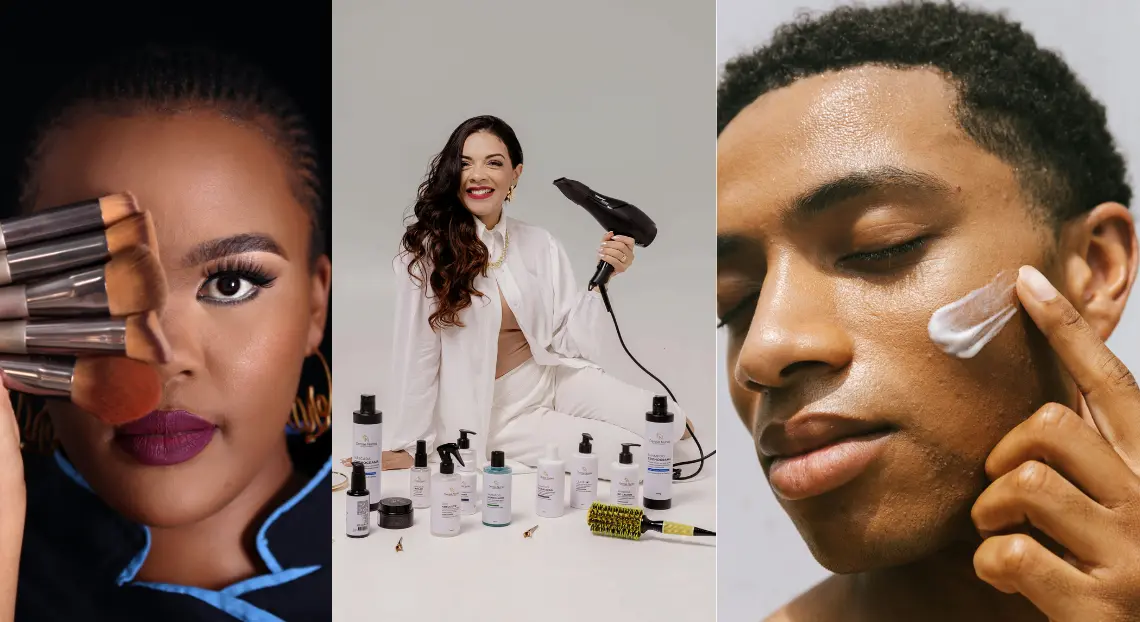
Polysilicones are widely used in skincare products because they improve texture, spreadability, and product performance. In moisturizers, they help create a smooth and soft feel on the skin while reducing greasy texture. They also form a light protective layer that helps reduce moisture loss and keeps the skin feeling hydrated for longer.
In makeup primers, polysilicones help blur uneven skin texture and allow makeup to apply more evenly. They create a silky surface that helps foundation stay in place for a longer time. In sunscreens, polysilicones improve water resistance and help the product spread smoothly across the skin. Many anti-aging creams also use polysilicones to give the skin a softer and smoother appearance while improving the overall feel of the formulation.
Polysilicones in Haircare Products
Haircare products often contain polysilicones because they help improve hair texture and manageability. In shampoos and conditioners, they coat the hair strands with a thin layer that reduces dryness and roughness. This helps hair feel softer, smoother, and easier to comb.
Hair serums use polysilicones to control frizz, add shine, and protect the hair from humidity. Heat protectant sprays also contain polysilicones because they can handle high temperatures and help reduce damage caused by styling tools such as straighteners and blow dryers. These ingredients also help reduce moisture loss from the hair.
Polysilicones in Makeup Products
Polysilicones are common ingredients in many makeup products because they improve texture and long-lasting performance. In foundations, they help create a smooth and even finish on the skin. Lipsticks use polysilicones to improve softness, spreadability, and wear time. Mascaras often contain polysilicones to help the formula apply evenly and resist smudging. Setting products also use these ingredients to improve makeup durability and provide a lightweight feel on the skin.
Industrial and Non-Cosmetic Uses of Polysilicones
Polysilicones in Sealants and Adhesives
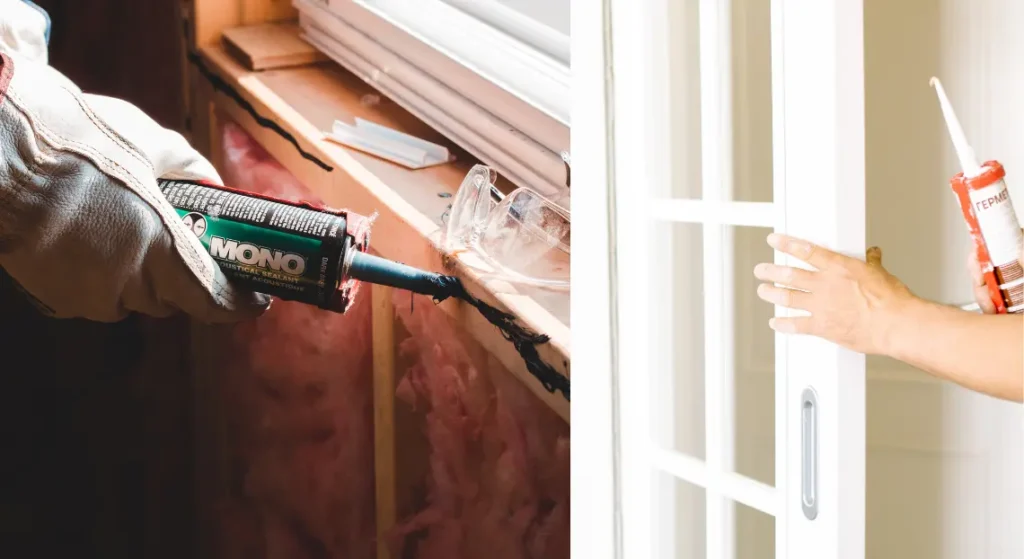
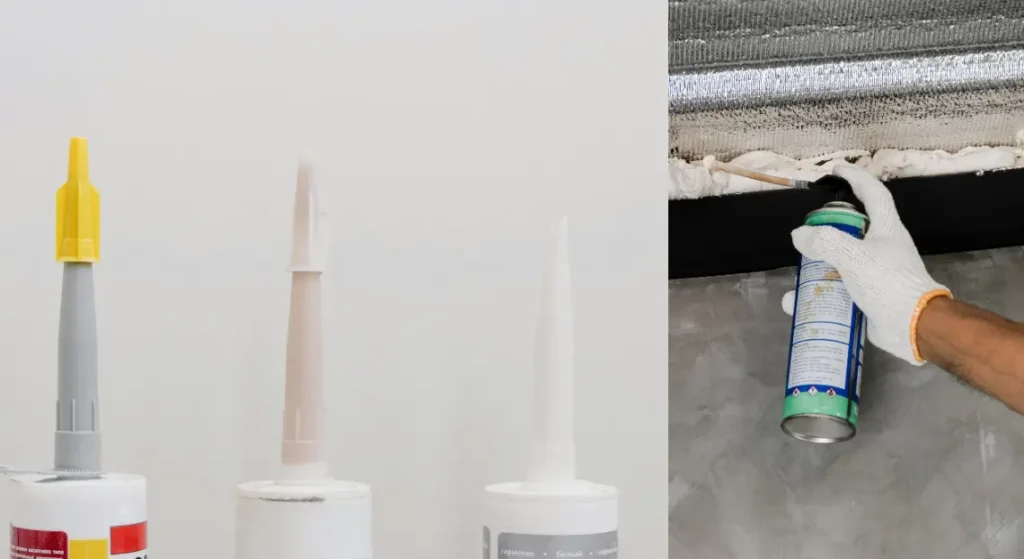
Polysilicones are widely used in sealants and adhesives because they provide strong flexibility and long-lasting durability. They can resist moisture, heat, sunlight, and changing weather conditions without cracking easily. Because of these properties, silicone-based sealants are commonly used in construction, windows, plumbing systems, and industrial equipment. They help create strong seals that prevent water and air leakage.
Use of Polysilicones in Lubricants
Polysilicones are also used in lubricants because they reduce friction between moving surfaces. Silicone-based lubricants remain stable under high and low temperatures, making them useful in machinery, automotive parts, and industrial equipment. They help parts move smoothly while reducing wear and damage over time. These lubricants are also resistant to water and oxidation, which improves their long-term performance.
Waterproof Coatings and Protective Layers
Many industries use polysilicones in waterproof coatings and protective materials. These coatings create a barrier that protects surfaces from water, moisture, dust, and environmental damage. They are commonly applied to fabrics, electronics, building materials, and outdoor equipment. Because polysilicones are flexible and durable, they help maintain surface protection even under harsh weather conditions.
Medical and Healthcare Applications
Polysilicones are widely used in medical and healthcare products because they are stable and generally non-reactive. They are used in medical tubing, wound dressings, scar treatment products, and medical-grade adhesives. Silicone materials are also used in some implants and healthcare devices because they can remain flexible and durable for long periods.
Automotive and Electronics Industry Uses
In the automotive industry, polysilicones are used in gaskets, sealants, coatings, and electrical insulation materials. They help protect vehicle parts from heat, moisture, and vibration. In electronics, polysilicones are used to protect sensitive components from dust, water, and temperature changes. Their heat resistance and insulating properties make them useful in electronic devices and electrical systems.
Polysilicone vs Silicone
Main Difference Between Polysilicone and Silicone
Silicone is a broad term used for a large group of synthetic materials made from silicon, oxygen, carbon, and hydrogen. These materials are used in cosmetics, construction, medical products, electronics, and many other industries. Polysilicone is a more specific type of silicone that contains larger polymer structures designed for specialized performance.
In simple terms, all polysilicones are silicones, but not all silicones are polysilicones. Regular silicones can be simple fluids, oils, or resins, while polysilicones are usually more advanced silicone polymers created to improve texture, flexibility, durability, and product stability.
Performance and Functional Differences
Polysilicones are often designed for better performance in cosmetic and industrial products. They usually provide a smoother feel, improved spreadability, better water resistance, and longer-lasting effects. Many polysilicones are also modified to create lightweight textures or flexible protective layers on the skin and hair.
Regular silicones can also provide softness and protection, but their performance depends on the type used. Some silicones are thin and lightweight, while others are thick and heavy. Polysilicones are generally more engineered for specific functions such as improving makeup wear, reducing greasy feel, controlling frizz, or increasing product durability.
Another difference is structure complexity. Polysilicones often have larger and more complex molecular networks compared to basic silicones. This allows manufacturers to create products with targeted properties for skincare, haircare, medical products, and industrial coatings.
Which Is Better for Cosmetic Products?
Neither polysilicone nor regular silicone is universally better because both serve different purposes. In cosmetics, polysilicones are often preferred in premium formulations because they improve product texture, smoothness, and long-lasting performance. They are commonly used in primers, foundations, hair serums, and sunscreens.
Regular silicones are still widely used because they are effective, stable, and cost-efficient. The best choice depends on the product type, formulation goals, and the texture manufacturers want to achieve.
Polysilicone vs Dimethicone
Main Difference Between Polysilicone and Dimethicone
Polysilicone and dimethicone are both silicone-based ingredients used in cosmetics and personal care products, but they are not exactly the same. Dimethicone is a specific type of silicone polymer, also known as polydimethylsiloxane (PDMS). It is one of the most commonly used silicones in skincare, haircare, and makeup products.
Polysilicone is a broader term used for more advanced silicone polymers that are often modified for specific functions. These ingredients can have more complex molecular structures and are designed to improve texture, flexibility, water resistance, and long-lasting performance in cosmetic products.
Texture and Feel on Skin and Hair
Dimethicone is known for creating a smooth, silky, and protective layer on the skin and hair. It helps reduce moisture loss and improves softness without feeling too oily. Depending on its thickness, dimethicone can feel lightweight or slightly heavy in some products.
Polysilicones are often developed to provide a more refined texture and lighter feel. Many cosmetic formulations use polysilicones to create soft-focus effects, smooth makeup application, and non-greasy finishes. Some polysilicones are also designed to spread more evenly and improve product durability.
Uses in Cosmetic Products
Dimethicone is commonly used in moisturizers, shampoos, conditioners, primers, sunscreens, and hair serums. It works as a conditioning and protective ingredient that helps improve product feel and performance.
Polysilicones are mostly used in advanced skincare and makeup products where smooth texture, flexibility, and long wear are important. They are commonly found in foundations, anti-aging creams, primers, and waterproof formulations.
Which Is Better for Hair and Skin?
Neither ingredient is better in every situation because both serve different purposes. Dimethicone is effective for reducing frizz, sealing moisture, and protecting hair and skin. However, some heavier forms may cause buildup if not cleaned properly.
Polysilicones are often preferred in premium cosmetic products because they can provide a lighter texture, smoother finish, and better long-lasting performance. The best option depends on the product formula, skin type, hair type, and personal preference.
Is Polysilicone Safe?
Cosmetic Safety and Industry Regulations
Polysilicones used in cosmetics are generally considered safe when used in approved amounts. Cosmetic safety organizations and regulatory authorities in many countries allow the use of silicone-based ingredients in skincare, haircare, and makeup products. These ingredients are tested for stability, skin compatibility, and product safety before they are used in commercial formulations.
Different types of polysilicones may have different safety evaluations, but most commonly used cosmetic-grade polysilicones are widely accepted in the personal care industry.
Is Polysilicone Safe for Skin?
Polysilicones are commonly used in skincare because they create a smooth and protective layer on the skin. Most people can use products containing polysilicones without irritation. These ingredients are generally non-comedogenic, which means they are less likely to clog pores compared to heavier oils or waxes.
They also help reduce moisture loss and improve product texture. Because polysilicones sit mostly on the skin surface, they are often used in products made for sensitive or dry skin. However, people with highly sensitive skin may still experience irritation from certain formulations or added ingredients.
Is Polysilicone Safe for Hair?
Polysilicones are widely used in haircare products because they help reduce frizz, improve softness, and protect hair from heat damage. They form a thin coating around the hair strands that helps lock in moisture and improve shine.
For most hair types, polysilicones are considered safe and effective. However, repeated use of some non-water-soluble silicones may cause buildup over time, especially if the hair is not cleaned properly with a clarifying shampoo.
Possible Side Effects and Environmental Concerns
Polysilicones are usually low-reactive materials, but some people may notice product buildup, heaviness, or mild irritation depending on their skin or hair type. These effects are often related to the full product formula rather than the polysilicone itself.
Some environmental concerns also exist because certain silicones do not break down quickly in nature. Because of this, some brands now use modified or more eco-friendly silicone alternatives in their formulations.
How to Identify Polysilicones in Ingredient Lists?
Common Polysilicone Ingredient Names
Polysilicones can appear under many different names on cosmetic and personal care product labels. Most of these ingredients contain words such as “silicone,” “siloxane,” “methicone,” or “dimethicone.” Manufacturers use different silicone compounds depending on the product texture and performance they want to achieve.
Some common polysilicone-related ingredients include Polysilicone-11, Polysilicone-15, Dimethicone, Cyclopentasiloxane, Dimethicone Crosspolymer, Amodimethicone, Phenyl Trimethicone, and Silicone Elastomers. These ingredients are commonly found in moisturizers, primers, sunscreens, hair serums, conditioners, and makeup products.
Different silicone ingredients perform different functions. Some provide a silky and lightweight feel, while others create water resistance, shine, or long-lasting wear. Because of this, ingredient names may vary depending on the product type and formulation.
Terms to Look for on Product Labels
The easiest way to identify polysilicones is by checking the ingredient list carefully. Many silicone-based ingredients end with terms such as “-cone,” “-siloxane,” “-conol,” or “-methicone.” These endings are commonly used in cosmetic ingredient naming.
For example, ingredients like dimethicone, cyclomethicone, amodimethicone, and dimethiconol are all silicone-related compounds. Products that focus on smooth texture, frizz control, waterproof performance, or silky finish often contain these ingredients.
Some brands also mention “silicone-based,” “silicone blend,” or “contains silicones” on product packaging. However, not all products clearly highlight this on the front label, so checking the full ingredient list is the most reliable way to identify polysilicones in a product.
Conclusion
Polysilicones are silicone-based polymers widely used in cosmetics, personal care products, and many industrial applications. They are valued for their smooth texture, water resistance, flexibility, heat stability, and long-lasting performance. In skincare and makeup products, they help improve spreadability, softness, and durability. In haircare products, they help control frizz, add shine, and protect hair from heat and moisture loss.
Different types of polysilicones are designed for different purposes, which is why they are found in products such as moisturizers, primers, sunscreens, shampoos, conditioners, foundations, and industrial coatings. While polysilicones and other silicone ingredients are generally considered safe for skin and hair, some types may cause buildup if used heavily without proper cleansing.
Understanding ingredient labels can help consumers identify silicone-based compounds and choose products that match their skin and hair needs. Overall, polysilicones continue to play an important role in modern cosmetic and industrial formulations because of their versatility, stability, and performance benefits.
Frequently Asked Questions (FAQs)
What does polysilicone do in cosmetics?
Polysilicone improves product texture, spreadability, softness, and long-lasting performance. It also helps create a smooth and silky finish on the skin and hair.
Is polysilicone safe for skin?
Yes, most cosmetic-grade polysilicones are considered safe for skin when used in approved amounts. They are widely used in skincare and makeup products.
Is polysilicone good for hair?
Yes, polysilicones help reduce frizz, improve shine, soften hair, and protect against heat damage from styling tools.
Does polysilicone clog pores?
Most polysilicones are considered non-comedogenic, which means they are less likely to clog pores. However, skin reactions can vary from person to person.
Is polysilicone a silicone?
Yes, polysilicone is a type of silicone polymer made from silicon-oxygen compounds with modified chemical structures.
Can polysilicone cause hair buildup?
Some non-water-soluble polysilicones can build up on hair over time, especially if clarifying shampoos are not used regularly.
Is polysilicone water soluble?
Some modified polysilicones are water-dispersible, but many traditional polysilicones are not fully water soluble.
What is the difference between polysilicone and dimethicone?
Dimethicone is a specific silicone ingredient, while polysilicone is a broader term used for advanced silicone polymers with different functions and structures.
Why is polysilicone used in makeup?
Polysilicone helps makeup apply smoothly, improves wear time, creates a soft finish, and increases water resistance.
Are polysilicones environmentally friendly?
Some polysilicones break down slowly in the environment, which has raised environmental concerns. Because of this, some brands now use modified or more eco-friendly silicone alternatives.