
What is Dipentene?
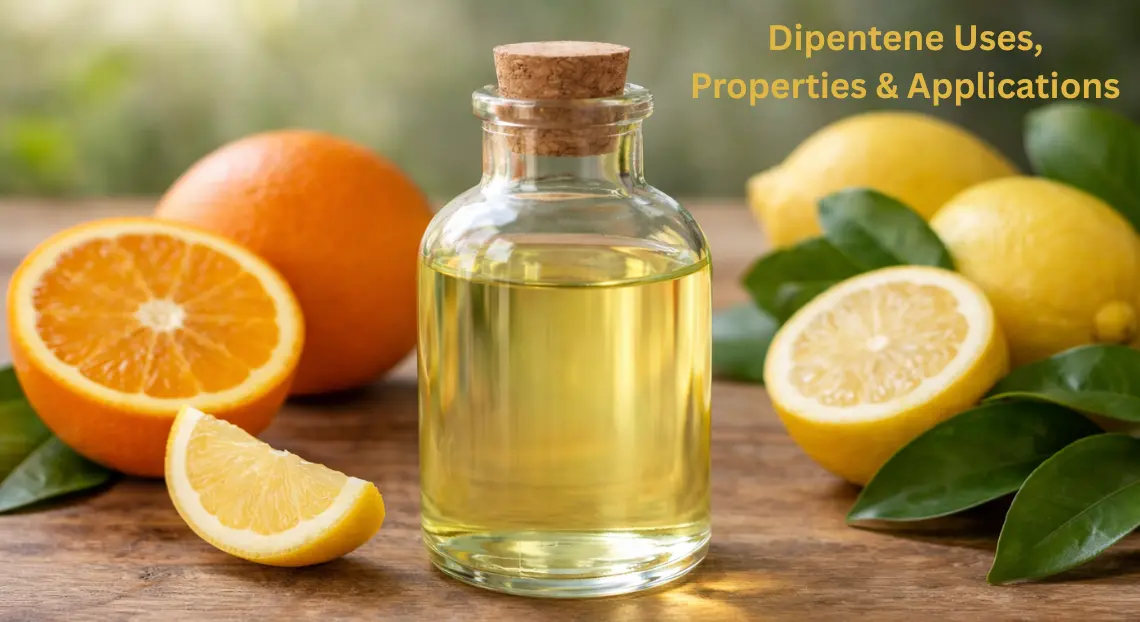
Dipentene is a naturally occurring monoterpene and a major component of citrus oils, including orange, lemon, and grapefruit. It is a clear, colorless to pale yellow liquid with a light, fresh citrus scent. Chemically, dipentene is primarily composed of d-limonene and l-limonene isomers, which give it its characteristic aroma and make it valuable in multiple applications.
This compound is important because of its versatile uses across industries. In food and beverages, it is used as a flavor enhancer, providing a subtle fruity note. In fragrances and personal care products, it acts as a fragrance carrier and solvent, helping to deliver pleasant aromas in perfumes, soaps, and lotions. It is also used in industrial applications as a solvent in coatings, inks, adhesives, and cleaning products due to its ability to dissolve oils and other organic compounds efficiently.
Being naturally derived and biodegradable, dipentene is favored for products where both performance and environmental considerations matter. Its combination of mild odor, solvent power, and functional versatility makes it a widely used ingredient in food, cosmetic, fragrance, and industrial formulations.
Chemical Identity and Basic Information of Dipentene
Chemical Name and Synonyms
Dipentene is a naturally occurring monoterpene hydrocarbon. It is also known as limonene, DL-limonene, p-mentha-1,8-diene, and cinene. The name “dipentene” usually refers to the racemic mixture of its two limonene isomers. These synonyms are commonly used in industrial, fragrance, and chemical contexts.
Molecular Formula and Weight
The molecular formula of dipentene is C₁₀H₁₆, containing ten carbon atoms and sixteen hydrogen atoms. Its molecular weight is approximately 136.23 g/mol. This structure is typical for monoterpenes and gives the compound both its aromatic and solvent properties.
CAS Number and Identification
Dipentene’s CAS number is 138‑86‑3, which is the unique identifier used in chemical databases, safety documents, and regulatory records. The CAS number ensures accurate identification and proper handling in scientific and industrial applications.
Classification and Origin
Dipentene is classified as a terpene, a naturally derived hydrocarbon found in citrus oils such as orange, lemon, and grapefruit. Its simple hydrocarbon structure contributes to its light citrus scent, volatility, and ability to act as a solvent, making it valuable in flavors, fragrances, cosmetics, and industrial products.
Chemical Structure and Composition of Dipentene
Monoterpene Structure and What It Means
Dipentene is a type of monoterpene, which means its structure is made from two isoprene units linked together. This forms a ring‑like hydrocarbon skeleton that contains only carbon and hydrogen atoms. Monoterpenes are common in plant essential oils, especially those from citrus fruits, and their simple hydrocarbon makeup gives them volatility and a strong natural scent.
D‑Limonene and L‑Limonene Isomers
The main components of dipentene are two closely related forms of limonene: D‑limonene and L‑limonene. These are isomers, meaning they share the same molecular formula (C₁₀H₁₆) but differ in how the atoms are arranged in space. D‑limonene is the form most commonly found in citrus peel oils and has a bright, orange‑like aroma, while L‑limonene has a somewhat different scent profile and appears in other plant sources. The racemic mixture of these two forms—equal parts of each—is what is usually referred to as dipentene.
How the Hydrocarbon Structure Affects Properties?
Because dipentene’s structure is made of only carbon and hydrogen in a ring with double bonds, it is non‑polar and hydrophobic. This makes it insoluble in water but soluble in organic solvents and oils. The structure also allows the molecule to evaporate easily at room temperature, which contributes to its fruity aroma and effectiveness as a solvent or fragrance component. The hydrocarbon skeleton also makes dipentene chemically stable under normal conditions but prone to oxidation over time in air.
Physical and Chemical Properties of Dipentene
Appearance and Odor Description
Dipentene is a clear, colorless to pale yellow liquid at room temperature. It has a fresh, citrus‑like odor that resembles lemon or orange, making it easy to recognize by smell. Its scent is a key reason it is used in fragrances and flavor blends.
Boiling Point and Density Information
The boiling point of dipentene ranges from about 170 °C to 180 °C. This relatively high boiling point compared to many solvents means it remains stable in liquid form in moderate heat but will vaporize when heated further. Its density is around 0.84–0.86 g/mL at 20 °C, which is lighter than water. Because of this, dipentene will float on water if spilled.
Solubility and Volatility Behavior
Dipentene is insoluble in water and will not mix with aqueous solutions. It dissolves readily in organic solvents, such as alcohols, ethers, and hydrocarbons, because of its non‑polar hydrocarbon structure. The compound has moderate volatility, meaning it can evaporate at room temperature, especially in open air.
Flammability and Chemical Stability
This compound is flammable and must be handled away from open flames or sparks. Its flash point is around 48 °C (closed cup), indicating that vapors can ignite at relatively low temperatures. Dipentene is chemically stable under normal storage conditions but can form oxidation products if exposed to air and light over time.
These physical and chemical properties—appearance, odor, boiling point, solubility, and flammability—help define how dipentene behaves in industrial formulations, fragrance blends, and solvent applications.
How Dipentene Is Obtained?
Natural Extraction From Citrus Oils
Dipentene is obtained mainly from citrus fruit peels, especially orange, lemon, lime, and grapefruit. When citrus fruits are processed for juice, their peels contain essential oils rich in limonene, which is the major component of dipentene. These essential oils are separated from the fruit material as a by‑product. The most common way to extract these oils is through steam distillation, where steam passes through the peels and vaporizes the oil. The vapors are then cooled and condensed into a liquid that contains limonene along with other terpenes.
Centrifugal and Cold‑Pressed Methods
Another method used in industry is centrifugal separation during citrus juice production. In this approach, the essential oil is separated from the juice and peel material by spinning the mixture at high speed. This process yields oil that is rich in limonene and can be further purified. Some producers also use cold pressing of citrus peels to obtain essential oil without applying heat, preserving natural aroma compounds.
Purification Through Distillation
After initial extraction, the limonene‑rich oil is subjected to fractional distillation to separate dipentene from other components. Fractional distillation uses differences in boiling points to isolate the desired compound. Because limonene is relatively stable, it can be distilled without breaking down, though very high temperatures can cause cracking to form smaller hydrocarbons like isoprene.
Synthetic and By‑Product Sources
In addition to natural extraction, dipentene can also form as a by‑product in chemical processes. For example, heating or acid‑catalyzed isomerization of other terpenes such as α‑pinene can yield dipentene. However, the commercial supply is still primarily from natural citrus sources because of its high limonene content and strong citrus scent.
Key Functional Characteristics of Dipentene
Solvent Strength and Dissolving Ability
Dipentene functions well as a natural organic solvent. It dissolves waxes, resins, rubber, oils, and many non‑polar materials that do not mix with water. Because it is non‑polar and hydrophobic, it is effective in cleaning, degreasing, and formulation work where such materials need to be broken up or dispersed. Its solvent strength makes it a useful alternative to many petroleum‑based solvents in industrial applications.
Evaporation and Volatility Behavior
Dipentene is volatile at room temperature and can evaporate easily. Its moderate boiling range and vapor pressure allow it to release into the air without needing strong heat, which helps it act as a fragrance note in perfumery and scent blends. This volatility also aids quick drying in cleaning and coating products.
Mild Citrus Odor Profile
The compound has a fresh, mild citrus aroma that resembles lemon or orange. This odor is a defining characteristic and is why it is widely used in fragrance compositions, air fresheners, and consumer goods. The scent blends well with other aroma chemicals and adds a natural citrus note.
Compatibility With Other Substances
Dipentene mixes well with many organic solvents and formulation ingredients such as alcohols, ethers, and oils. It cannot dissolve in water but is highly compatible with non‑polar substances. This compatibility allows formulators to include it in complex blends for cleaning products, coatings, and personal care items where a consistent solution is needed.
These functional characteristics—solvent ability, volatility, citrus aroma, and formulation compatibility—define why dipentene is used across industrial, cleaning, fragrance, and consumer product applications.
Industrial Applications of Dipentene
Dipentene is used widely in industrial settings because of its natural solvent power, pleasant aroma, and biodegradability. It serves as a practical alternative to many traditional chemicals and finds roles in multiple manufacturing and processing areas.
Use as a Solvent in Cleaning and Maintenance
One of the main industrial uses of dipentene is as a natural solvent. It dissolves grease, oils, resins, waxes, and adhesives, making it valuable in industrial and household cleaning products. It is often included in degreasers, paint strippers, and surface cleaners where tough residues need to be broken down without harsh chemicals. Being biodegradable and less toxic than many petroleum‑based solvents, dipentene is chosen for environmentally responsible formulations.
Role in Paints, Coatings, and Adhesives
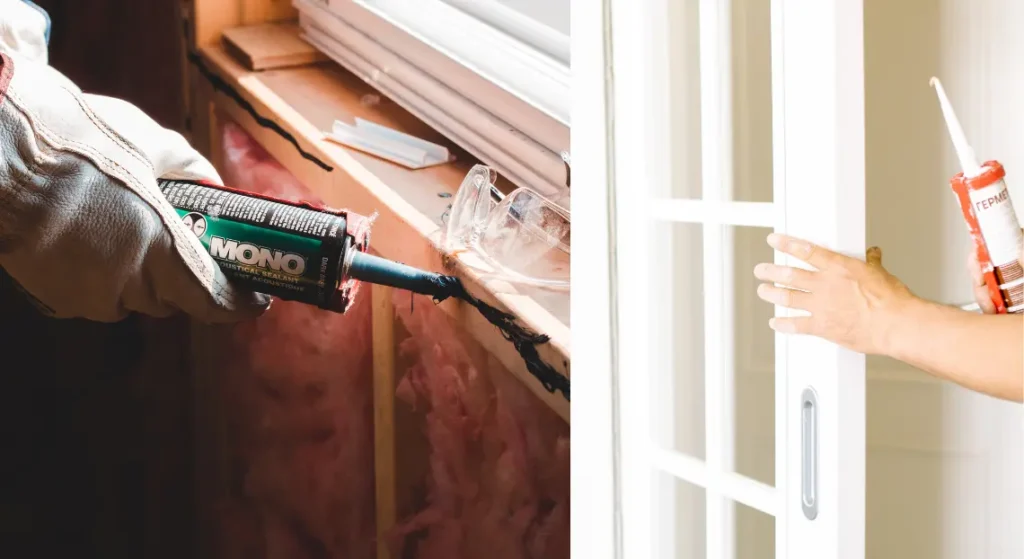
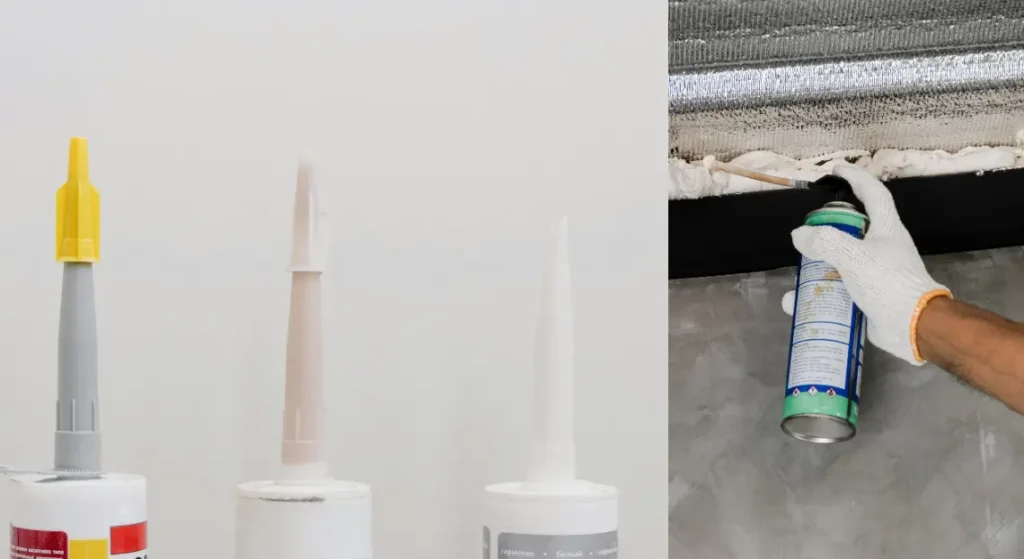
Dipentene is used in the paints and coatings industry as a solvent and dispersing agent. It helps coatings and varnishes flow smoothly, improves drying behavior, and assists in dissolving key formulation components. In adhesives and sealants, its solvent and compatibility traits support uniform application and help maintain performance quality.
Chemical Intermediate and Raw Material
In chemical manufacturing, dipentene serves as a raw material or intermediate. It is used in the synthesis of terpene resins, rubber chemicals, and other specialty compounds. These derivatives are applied in various sectors, including polymer and materials production.
Use in Cleaning and Heavy‑Duty Formulations
Industries such as automotive, construction, and metal fabrication include dipentene in cleaners and degreasers for machinery, tools, and surfaces. Its strong solvency and fresh citrus scent make it useful in formulations that must perform well while also being easier to handle and less harsh than traditional solvents.
These industrial roles show how dipentene’s solvent ability, compatibility, and renewable origin make it a valuable ingredient in a wide range of manufacturing and maintenance applications.
Use of Dipentene in Flavors and Fragrances
Natural Citrus Aroma and Flavor Profile
Dipentene, largely made up of limonene, has a fresh citrus scent and light fruity character. This aroma comes from its presence in the essential oils of oranges, lemons, and other citrus fruits. Because of this scent profile, it is valued in products that aim to deliver bright, fresh notes in both taste and smell.
Use as a Flavor Enhancer in Food and Beverages
As a flavoring component, dipentene’s citrus character can enhance the perception of fruit and beverage flavors. Limonene, a major form of dipentene, is recognized as generally safe to use as a flavoring agent in foods and beverages by international safety reviews. It appears in small amounts in fruit juices, soft drinks, candies, and baked goods. Controlled use ensures the flavor note is pleasant without overpowering the food.
Role in Perfumes, Air Fresheners, and Fragrance Products
In perfumes and air fresheners, dipentene delivers a fresh citrus top note that blends easily with other fragrance ingredients. Its light, natural scent helps create uplifting and vibrant fragrance profiles. A key part of its use in fragrances is its volatility, which allows the scent to be noticeable soon after application and then blend smoothly into other notes.
Regulatory Limits and Safe Usage
Regulatory standards guide how much dipentene or limonene can be used in flavor and fragrance products. In food, limonene is often listed as Generally Recognized as Safe (GRAS) when used at appropriate levels. In fragrances, industry standards such as those from the International Fragrance Association (IFRA) recommend usage practices to minimize sensitization risks and ensure product safety, especially since limonene can oxidize and form sensitizing compounds if not properly managed.
These uses show how dipentene contributes natural citrus aroma and light fruity flavor to foods and fragrances, while also being subject to safety and regulatory guidelines to protect consumers.
Use of Dipentene in Cosmetics and Personal Care Products
Function as a Solvent and Fragrance Carrier
In cosmetics and personal care products, dipentene (mainly limonene) serves as both a solvent and a fragrance ingredient. Its natural citrus aroma helps products smell fresh and clean, while its ability to dissolve oils and other non‑polar substances helps formulate stable creams and lotions. This makes it useful in products like shampoos, soaps, body washes, and bath products, where both scent and ingredient mixing are important.
Benefits in Creams, Lotions, Shampoos, Soaps, and Deodorants
Dipentene adds value to many personal care items. In creams and lotions, it helps fragrances spread evenly and enhances the sensory experience for users. In shampoos and soaps, its light citrus scent improves the overall smell without overpowering other aromatic ingredients. Because it can help dissolve other oil‑based components, it also contributes to uniform texture and appearance in products. In deodorants, it supports fragrance delivery while blending with other functional ingredients.
Typical Product Examples and Safe Concentration Limits
Common products containing dipentene or limonene include fragranced body washes, shampoos, conditioners, moisturizers, lotions, and deodorants. Regulations in many regions require that limonene be listed separately on the ingredient label when it exceeds certain amounts, such as 0.001 % in leave‑on products and 0.01 % in rinse‑off products in the European Union. These guidelines help prevent irritation and ensure safe use in cosmetic formulations.
When used within these safe concentration limits, dipentene supports product performance and appeal while remaining compliant with cosmetic safety standards.
Safety, Handling, and Storage Guidelines for Dipentene
Flammability and Fire Risk
Dipentene is highly flammable and can catch fire easily if exposed to heat, sparks, or open flames. Its vapors can form explosive mixtures with air, especially in confined spaces. Because of this risk, sources of ignition must be kept well away during use, storage, and transfer. Containers should be kept closed when not in use to limit the build‑up of flammable vapors.
Safe Handling and Ventilation Practices
When working with dipentene, always ensure that the area has good ventilation to prevent vapors from accumulating. Avoid breathing the vapors directly and avoid prolonged skin contact. Handling should be done with non‑sparking tools and equipment that is grounded to prevent static discharge, which could ignite vapors. Keep food, drink, and smoking materials away from areas where the chemical is being used.
Proper Storage Conditions
Dipentene should be stored in a cool, dry, well‑ventilated area away from direct sunlight, heat sources, and incompatible materials such as strong oxidizing agents and acids. Containers should be tightly sealed and stored in a fire‑resistant area. Avoid storing it near materials that could react violently with hydrocarbon chemicals. Proper storage reduces the risk of fire or accidental release.
Recommended Personal Protective Equipment
To protect against exposure, wear chemical‑resistant gloves and safety goggles or face shields to prevent skin and eye contact. Clothing that resists chemical splash and flame is recommended for handling larger amounts. If ventilation is inadequate or vapors are present, use a respirator with an organic vapor cartridge to avoid inhalation. Regularly wash hands and exposed skin after handling and before breaks.
These safety measures help ensure that dipentene is handled responsibly and safely in both industrial and laboratory settings.
Health and Environmental Impact of Dipentene
Health Effects of Exposure
Dipentene, which is largely made up of limonene, can irritate the skin and respiratory system at high concentrations. Pure limonene may cause contact dermatitis or a rash if oxidized products form on the skin after exposure to air and light. Oxidation products of limonene are more likely to trigger allergic reactions than the clean compound itself, so avoiding prolonged or repeated contact is important. In occupational settings, exposure to high vapors without ventilation may cause respiratory irritation or discomfort. However, under normal consumer use at low concentrations, the risk is much lower.
Environmental Behavior in Air and Water
Dipentene is a volatile organic compound (VOC) that readily evaporates into the air from both soil and water surfaces due to its high vapor pressure and volatility. Once in the atmosphere, it breaks down relatively quickly through reactions with sunlight and air, reducing its persistence in the environment. In water, it does not mix well with water but can evaporate or bind to sediments or organic matter.
Biodegradability and Persistence
Studies show that limonene and similar compounds like dipentene are readily biodegradable under aerobic conditions. Tests indicate that a significant portion of the compound breaks down over time through microbial activity, meaning it does not persist indefinitely in natural environments. This biodegradability helps reduce long‑term environmental buildup.
Environmental Toxicity
Dipentene can be toxic to aquatic life at moderate concentrations, with effects observed in fish, algae, and small water organisms, indicating the need to prevent spills into waterways. Proper waste management helps limit its release and environmental impact.
Overall, while dipentene is biodegradable and less persistent than many solvents, it should be handled and disposed of responsibly to protect both human health and the environment.
Regulatory Status and Compliance of Dipentene
Food Safety Approvals and Flavor Regulation
Dipentene, largely made up of limonene, is recognized for use as a flavoring agent in food and beverages. In the United States, limonene is classified as Generally Recognized as Safe (GRAS) by the Food and Drug Administration when used in accordance with good manufacturing practices. It is permitted under flavoring and food additive regulations, meaning it can be added to foods and drinks in small, controlled amounts to contribute citrus notes without safety concerns at approved levels.
Cosmetic and Fragrance Regulation
In cosmetics and fragrance products, limonene must be handled under industry safety standards. Regulatory bodies such as the International Fragrance Association (IFRA) provide guidelines and specifications for safe use of fragrance ingredients. IFRA standards address issues like skin sensitization, particularly for oxidation products of limonene, and recommend measures to keep peroxide levels low in fragrance materials. In the European Union, limonene must be listed on product labels if its concentration exceeds certain thresholds in leave‑on or rinse‑off products.
Industrial Safety Standards
For industrial uses, dipentene must comply with safety and classification norms such as those outlined by the Globally Harmonized System (GHS) and regional regulations like the EU’s REACH registration. Its classification typically includes flammable liquid and skin irritant or sensitizer labels, and safety data sheets must reflect these hazards. Employers are required to follow workplace exposure limits and provide hazard communication under applicable laws.
These regulatory frameworks ensure that dipentene is used safely and legally in food, cosmetics, fragrances, and industrial products, with appropriate labeling, usage limits, and risk management practices.
Common Mistakes and Misunderstandings About Dipentene
Confusion With Similar Terpenes
A frequent misunderstanding is confusing dipentene with other terpenes such as pinene or terpineol. Although these compounds are all part of the terpene family, they have different chemical structures, odors, and uses. Dipentene is mainly composed of limonene isomers and has a distinct citrus scent, while others may smell pine‑like or floral. Assuming they are interchangeable can lead to wrong formulations, poor product performance, or unexpected odors in finished goods.
Incorrect Handling and Storage Practices
Another common mistake is improper storage and handling. Dipentene is flammable and volatile, but some users store it near heat sources or in poorly ventilated areas. Storing it in open or loosely sealed containers allows vapors to build up, increasing the risk of fire or inhalation exposure. Correct practice is to store dipentene in cool, well‑ventilated areas, away from sparks or direct heat, and in tightly sealed chemical‑resistant containers.
Misuse in Product Formulations
Some formulators assume that higher amounts of dipentene will improve fragrance or cleaning performance. In reality, using too much can cause skin irritation or overpower a product’s scent. In food and cosmetic applications, dipentene (or limonene) must be used in controlled, safe concentrations as guided by regulatory standards. Overuse can also lead to problems like separation in formulations or reduced product stability, especially when mixed with water‑based systems.
Understanding these mistakes helps ensure that dipentene is used safely and effectively, and that product quality and compliance are maintained.
Frequently Asked Questions About Dipentene
Is Dipentene Safe for Food Use?
Yes, dipentene, mainly composed of limonene, is generally recognized as safe (GRAS) when used in small, controlled amounts as a flavoring agent in foods and beverages. Proper usage ensures that it adds citrus flavor without posing health risks.
Can It Be Used in Cosmetics and Personal Care Products?
Yes, dipentene is widely used in cosmetics and personal care products such as lotions, soaps, shampoos, and deodorants. It functions as a fragrance carrier and solvent. Regulatory guidelines require it to be used within safe concentration limits to avoid skin irritation.
Does It Have a Strong Odor?
Dipentene has a mild to moderate natural citrus aroma, which is refreshing and pleasant. It is noticeable but not overpowering when used in proper concentrations in products. (icco.org)
Is It Environmentally Friendly?
Dipentene is biodegradable and derived from natural sources like citrus peel oil. It breaks down in the environment more easily than many synthetic solvents, making it less persistent and environmentally preferable.
Shelf Life and Storage Stability
Dipentene should be stored in cool, dry, well‑ventilated areas away from heat, sunlight, and oxidizing agents. When stored properly, it maintains chemical stability and aroma for up to 2–3 years. Containers should be tightly sealed to prevent oxidation and loss of volatiles.
Conclusion
Dipentene is a versatile natural compound derived primarily from citrus oils, valued for its citrus aroma, solvent properties, and biodegradability. It plays important roles in industrial applications, including cleaning, paints, coatings, and adhesives, as well as in food, fragrance, and cosmetic products. Its pleasant aroma and light flavor make it suitable for enhancing consumer experiences, while its solvent and carrier properties help maintain product stability and performance.
Although dipentene is generally safe when used according to guidelines, it is important to follow proper handling, storage, and regulatory requirements to minimize flammability risks, skin or respiratory irritation, and environmental impact. Understanding common mistakes, such as confusing it with other terpenes, overusing it in formulations, or improper storage, ensures safe and effective application.
With its renewable origin, biodegradability, and compliance with food and cosmetic regulations, dipentene offers a safe, eco-friendly, and functional solution across multiple industries. When handled responsibly, it enhances products while supporting safety, quality, and environmental responsibility.
Dipentene’s combination of functionality, natural origin, and versatility makes it a key ingredient for industries seeking both performance and sustainability.