
What Are Silicones?
Silicones are man-made materials made by combining silicon, oxygen, carbon, and hydrogen. They are known for their smooth texture, flexibility, and high resistance to heat and moisture. Unlike many common materials, silicones stay stable in both very hot and very cold conditions.
At their core, silicones are built on a silicon–oxygen backbone. This structure is strong and stable, which gives silicones their long-lasting performance. Attached to this backbone are organic groups that control how soft, fluid, or solid the silicone becomes. Because of this, silicones can appear as oils, gels, rubbers, or solid materials, depending on how they are made.
Silicones are different from plastics and rubber in several ways. Plastics are mainly carbon-based and often become brittle under heat. Rubber can lose its shape over time and break down when exposed to weather or chemicals. Silicones, on the other hand, keep their flexibility, resist water, and do not react easily with other substances. This makes them more reliable in demanding conditions.
Because of these qualities, silicones are widely used in personal care products, medical devices, industrial sealants, electronics, and household items where durability and stability are important.
How Silicones Are Made?
Raw Materials Used in Silicone Production
Silicones are made using silica, which comes from sand or quartz. Silica is rich in silicon and is widely available in nature. To start the process, silica is mixed with a carbon source and heated at very high temperatures. This step removes oxygen and produces pure silicon, which is the base material for all silicones.
Conversion of Silicon into Silicone Building Blocks
The pure silicon is then reacted with methyl chloride in the presence of a copper-based catalyst. This reaction forms compounds known as chlorosilanes. These compounds are carefully separated using distillation. One key chlorosilane is selected because it is suitable for making most silicone products.
Formation of Siloxane Chains
In the next step, the selected chlorosilane reacts with water. This process removes chlorine and creates siloxane units, which have a strong silicon–oxygen structure. These units link together to form siloxane chains. This structure is what gives silicones their strength, flexibility, and resistance to heat and moisture.
Final Processing into Silicone Materials
The siloxane chains are further processed to control their length and structure. By adjusting this step, manufacturers can produce silicones as liquids, gels, rubbers, or solid materials. This controlled process turns basic raw materials into reliable silicone products used across many industries.
Types of Silicones
Linear Silicones
Linear silicones are made of straight siloxane chains. They are usually found in liquid form and feel smooth and slippery. These silicones spread easily and help reduce friction. Because of their flowing nature, they are widely used in personal care products, lubricants, and surface treatments where smooth application is needed.
Cyclic Silicones
Cyclic silicones have a ring-shaped structure instead of long chains. They are light and evaporate faster than linear silicones. These properties make them useful as processing materials and in products where a light, non-greasy feel is required. They are commonly used in cosmetics and skincare formulations.
Cross-Linked Silicones
Cross-linked silicones are created when silicone chains are connected together into a network structure. This makes them solid or rubber-like rather than liquid. They are strong, flexible, and resistant to heat and moisture. These silicones are used in sealants, gaskets, medical products, molds, and industrial components that require long-term durability.
Volatile and Non-Volatile Silicones
Silicones can also be grouped by how they behave after use. Volatile silicones evaporate quickly and do not leave residue, making them suitable for lightweight applications. Non-volatile silicones remain on the surface and form a protective layer, providing long-lasting smoothness and resistance. Both types are widely used depending on whether quick evaporation or lasting performance is required.
Key Properties of Silicones
Resistance to Heat and Cold
Silicones can handle very high and very low temperatures without breaking down. They stay stable and keep their performance where many other materials fail. This property makes silicones useful in products exposed to heat, cold, or sudden temperature changes, such as industrial parts, cookware, and electronic components.
Water-Repellent Nature
Silicones naturally repel water. Water does not soak into silicone surfaces, which helps prevent moisture damage. Because of this, silicones are widely used in sealants, coatings, and waterproof applications where long-term protection from moisture is required.
Flexibility and Long-Term Durability
Silicones are flexible and elastic. They can bend, stretch, and return to their original shape without cracking or losing strength. This flexibility stays consistent over time, making silicones reliable for seals, gaskets, and flexible components that are used repeatedly.
Chemical and UV Stability
Silicones resist many chemicals, oxygen, and sunlight. They do not break down easily when exposed to air, UV rays, or common chemicals. This stability helps silicone products last longer in outdoor and industrial environments.
Smooth Feel and Easy Spread
Liquid silicones have a smooth texture and spread evenly over surfaces. This makes them useful in personal care products, coatings, and lubricants where even coverage and a smooth finish are important.
Common Uses of Silicones
Use of Silicones in Personal Care Products
Silicones are widely used in skincare and haircare products because they create a smooth and even finish. They help creams and lotions spread easily and improve the feel of shampoos and conditioners. In hair products, silicones add shine and reduce roughness. In skincare, they help form a light protective layer that reduces moisture loss.
Role of Silicones in Medical and Healthcare
In the medical field, silicones are valued for being safe, stable, and gentle on the body. They are used in medical tubing, wound dressings, implants, and breathing masks. Silicones do not react easily with body tissues, which makes them suitable for long-term medical use.
Industrial and Construction Applications
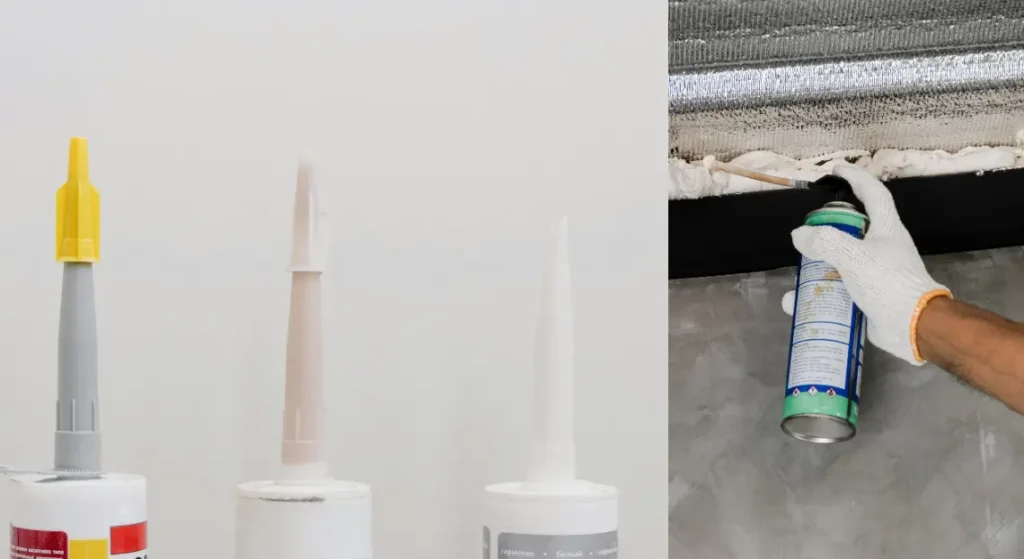
Silicones are commonly used as sealants, adhesives, and coatings in construction and industry. They help seal gaps, joints, and surfaces against water, heat, and weather damage. Their long life and flexibility make them reliable for buildings and heavy-duty equipment.
Use in Electronics and Electrical Systems
In electronics, silicones act as insulators and protective coatings. They protect sensitive parts from heat, moisture, and dust, helping devices work safely and last longer.
Everyday Household and Kitchen Uses
Silicones are also found in cookware, baking molds, spatulas, and storage items. They are heat resistant, easy to clean, and safe for regular household use.
Silicones in Cosmetics and Personal Care
Why Silicones Are Used in Skin and Hair Products?
Silicones are added to many skincare and haircare products because they make products feel smooth and easy to apply. In skincare, silicones help creams and lotions spread evenly over the skin without feeling greasy or heavy. In haircare, silicones help reduce friction between strands, making hair easier to comb and manage. These effects improve the overall sensory experience of using the product.
Benefits of Silicones for Skin and Hair
On the skin, silicones form a thin, flexible layer after application. This film can help reduce the appearance of fine lines by smoothing surface irregularities and can lock in moisture by slowing down water loss. Silicones also help products resist water, which is useful in sunscreens and long-wear makeup. In haircare, silicones coat the hair surface, helping to control frizz, add shine, and protect against heat from styling tools. These benefits make hair look smoother, softer, and healthier.
How Silicones Improve Product Performance?
Silicones improve how products perform in several ways. They enhance spreadability, allowing formulas to glide easily onto skin or hair. This improves user experience and helps other ingredients distribute evenly. Silicones also help products stay on longer during daily activities by making them water-resistant and more stable. Because of these qualities, silicones are widely used in moisturizers, foundations, hair conditioners, sunscreens, and styling products where feel, durability, and performance are important.
Are Silicones Safe to Use?
Safety of Silicones in Cosmetics
Silicones used in skin and hair products have been studied for many years. Scientific review panels and safety committees in Europe and North America have concluded that common silicones used in cosmetics, like cyclomethicone and dimethicone, do not pose a risk to human health when used at normal levels in products such as creams, shampoos, and makeup. These conclusions are based on repeated safety evaluations and research studies.
Silicones do not easily react with the skin, and most dermatologists consider them non-irritating and non-allergenic for general use. Claims that silicones clog pores or cause specific skin problems are not strongly supported by scientific evidence.
Safety in Medical and Food-Contact Products
Silicones used in medical devices and food contact materials must meet strict standards and testing before they are allowed. Medical-grade silicones go through biocompatibility tests to make sure they are safe for contact with human tissue, blood, and internal use. International standards such as ISO 10993 guide these tests to prevent irritation or toxic reactions.
For food contact items like bakeware and utensils, regulations such as FDA standards and NSF certifications ensure silicone materials do not release harmful substances into food. These requirements help protect consumer health.
Regulatory Approvals and Standards
Silicone materials are regulated by safety authorities around the world. In the European Union, the Scientific Committee on Consumer Safety regularly reviews silicone use in cosmetics and finds them safe at approved concentrations. Similar expert panels and regulatory bodies in other regions support these findings when products meet the required standards.
In summary, silicones used in everyday products are generally considered safe when manufactured, tested, and used as intended. Proper certification and quality control help ensure safety in cosmetics, medical devices, and food contact applications.
Environmental Impact of Silicones
Biodegradability of Silicones
One of the main environmental concerns about silicones is that they are not biodegradable. This means silicones do not break down naturally in the environment through microbial action like organic materials do. When silicone products are discarded, they can persist in landfills and natural habitats for many years without decomposing.
Persistence in the Environment
Silicones are designed to be stable and long-lasting, which helps them perform well in products such as cookware, sealants, and medical devices. However, this same stability means that when silicones enter water systems, soil, or other natural environments, they remain for a long time. This persistence can contribute to long-term accumulation in ecosystems.
Comparison With Plastics
Compared to traditional plastics, silicones have both strengths and limitations. Silicones are generally non-toxic and do not leach harmful substances as some plastics can. They also resist breaking down into tiny microplastics that cause widespread pollution. On the other hand, silicones still require energy-intensive production and do not decompose, just like many plastics. The lack of widely available recycling systems for silicones further limits their environmental advantages.
Current Sustainability Concerns
Because silicones are durable and persistent, their end-of-life management is a key sustainability issue. Most silicone products are not accepted in standard recycling programs, and specialized recycling methods are still limited in many regions. Responsible disposal, reuse, and the development of better recycling infrastructure are important to reduce silicone waste.
Overall, silicones offer benefits like durability and lower toxicity, but their long-term environmental persistence and limited recycling options are important factors to consider in sustainability discussions.
Advantages and Limitations of Silicones
Main Benefits of Using Silicones
Silicones offer several strong advantages that make them useful in many products. They are very stable and durable across a wide range of temperatures and weather conditions, so they last longer than many other materials. Silicones resist water, chemicals, oxygen, and UV light, which helps them protect surfaces, seal gaps, and serve in outdoor products. They also have low toxicity and good compatibility with skin and food-contact uses, which is why silicones are common in cookware, personal care, and medical applications. Silicones can be flexible, yet maintain their shape and performance over time. Their smooth texture and ability to form even coatings make them valuable in cosmetics and industrial sealants.
Common Limitations of Silicones
Despite these benefits, silicones also have some drawbacks. They are generally more expensive than many plastic or rubber alternatives due to complex manufacturing. Silicones often have lower mechanical strength and can tear or wear more easily under heavy load or abrasion compared with tougher materials. In some forms, silicones can attract dust and oils, which may require extra cleaning or maintenance. Some silicone products can also change appearance or texture over long-term use. Additionally, silicones do not break down naturally in the environment, which raises sustainability concerns.
Situations Where Silicones May Not Be Suitable
Silicones may not be the best choice in applications where high mechanical strength or very low cost is a priority. For heavy structural parts or high-wear machine components, stronger materials like metals or engineering plastics may perform better. In products where biodegradability and low environmental impact are critical, alternatives to silicone may be preferred. In personal care, some individuals with specific skin or hair types may choose products without silicones if they experience buildup or sensitivity.
How to Identify Silicones in Products?
Recognizing Silicone Ingredients on Labels
Silicones are listed on product packaging using standardized chemical names rather than simple words like “silicone.” Most cosmetics and personal care products follow the International Nomenclature of Cosmetic Ingredients (INCI) system, which uses specific naming patterns to identify each ingredient. When you read the ingredient list on the back of a product, look for words that end in “‑cone,” “‑conol,” “‑siloxane,” or “‑silane.” These endings are strong clues that the ingredient is a silicone compound. Names such as dimethicone, cyclopentasiloxane, amodimethicone, or dimethiconol are common examples of silicones used in skincare and haircare formulas.
How to Read the Ingredient List to Spot Silicones?
Ingredients are listed in descending order of concentration, so those that appear at the top are present in higher amounts. Silicones may appear earlier in products like primers or heavy conditioners, or toward the end in products where they are used in smaller amounts. Simply scanning for the familiar silicone suffixes as you read down the list makes it possible to identify silicones even when the product uses long or complex chemical names.
Because marketing terms like “silicone‑free” are not regulated and may not cover all silicone types, the most reliable method is always to check the full ingredient list on the packaging itself.
Frequently Asked Questions About Silicones
Are Silicones Natural or Synthetic?
Silicones are synthetic materials. They are made from silicon extracted from sand, combined with other elements like oxygen, carbon, and hydrogen. They do not occur naturally in the form used in products.
Do Silicones Clog Pores?
Most silicones used in skincare, like dimethicone, are non-comedogenic, which means they do not clog pores. They form a light barrier on the skin but allow it to breathe.
Are Silicones Safe for Sensitive Skin?
Yes, silicones are generally safe for sensitive skin. They are chemically stable and non-reactive, so they rarely cause irritation or allergic reactions.
Do Silicones Harm Hair Over Time?
Silicones coat the hair, making it smooth and shiny. They do not damage hair directly, but heavy buildup can make hair feel greasy or heavy. Proper washing prevents buildup.
Are Silicones Better Than Natural Alternatives?
Silicones provide long-lasting smoothness, water resistance, and heat protection that many natural alternatives cannot match. However, natural oils may be preferred for biodegradability or a lighter feel.
Conclusion
Silicones are versatile, durable, and widely used materials found in cosmetics, personal care, medical devices, household items, and industrial products. Their unique properties, such as resistance to heat and cold, water repellency, flexibility, chemical stability, and smooth texture, make them suitable for a wide range of applications.
In personal care, silicones improve the feel, spreadability, and performance of products, while in industrial and medical fields, they provide reliability, durability, and protection. Silicones are generally considered safe for skin, hair, medical, and food-contact uses when used as intended.
At the same time, silicones are persistent in the environment and not easily biodegradable. While they are safer than some plastics in terms of chemical release, responsible disposal and recycling are important for sustainability.
Overall, silicones offer long-lasting benefits and practical performance, making them essential in many industries. Understanding their types, properties, uses, and safety considerations helps consumers and manufacturers make informed choices about when and how to use them.