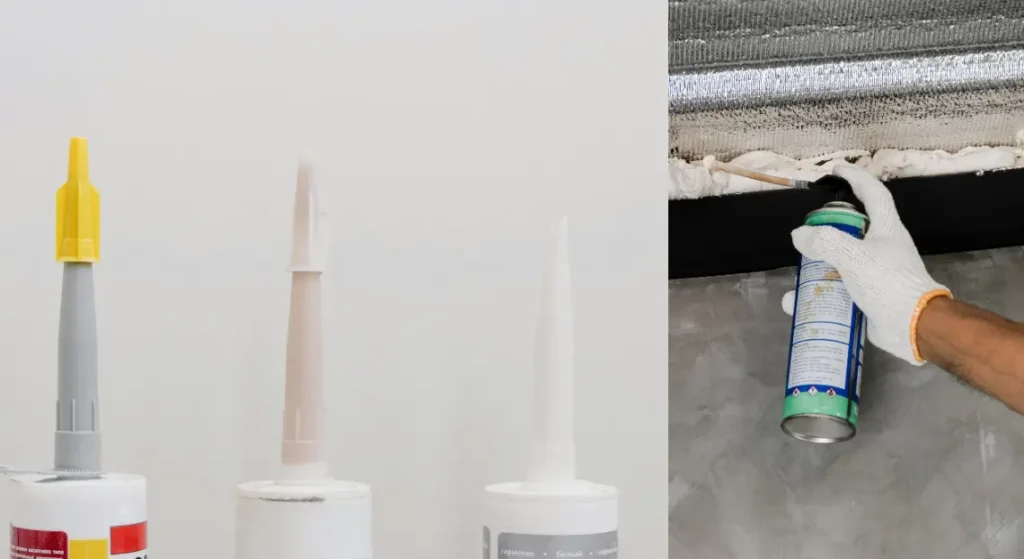


What Are Fillers? Definition and Meaning
Fillers are solid materials added to a base substance to improve its properties, reduce cost, or adjust its performance. They are commonly used in products like plastics, paints, rubber, adhesives, coatings, and construction materials. Fillers do not usually take part in chemical reactions. Instead, they help by improving structure, volume, and physical behavior of the final product.
In simple terms, fillers are added substances that “fill space” and support the main material without changing its basic function.
How fillers differ from active ingredients?
Active ingredients are the main components that give a product its primary function or effect. For example, in paint, the binder and pigments are active parts that provide color and adhesion.
Fillers, on the other hand, do not provide the main function. They are used to support the product by improving strength, texture, stability, or cost efficiency. They are generally less reactive and less expensive than active ingredients.
Role of fillers in material formulation
Fillers play an important role in product formulation by balancing performance and cost. They help control thickness, improve hardness, reduce shrinkage, and enhance durability. In many cases, fillers also improve surface finish and make processing easier during manufacturing.
Overall, fillers are essential for achieving the right balance between quality, performance, and affordability in industrial products.
Why Fillers Are Used in Different Industries?
Fillers Help Reduce Material Cost in Manufacturing
One of the main reasons fillers are used is to lower production cost. In industries like plastics, rubber, paints, and adhesives, raw base materials such as polymers and resins are expensive. By adding fillers, manufacturers replace part of the costly raw material with cheaper mineral powders like calcium carbonate or talc. This helps reduce the overall cost of the final product while still maintaining acceptable quality. Many studies show that fillers are widely used in polymer systems mainly for cost control and material efficiency.
Fillers Improve Physical Strength and Mechanical Properties
Fillers are not only used for cost saving, but also for improving strength and performance. Certain fillers increase stiffness, hardness, and tensile strength of materials. For example, reinforcing fillers help improve wear resistance and structural strength in products like rubber tires, plastic parts, and industrial coatings. This makes the final product more durable and suitable for heavy-duty use.
Fillers Enhance Durability and Long-Term Stability
In many industrial applications, products must withstand heat, pressure, moisture, and environmental exposure. Fillers help improve stability by reducing shrinkage, improving thermal resistance, and increasing dimensional stability. This ensures that products maintain their shape and performance over time. In construction materials and automotive parts, this role is especially important for long service life.
Fillers Help Control Texture, Flow, and Performance
Fillers also play a key role in adjusting how a material behaves during processing and use. They help control thickness, smoothness, and flow properties in paints, adhesives, and coatings. Some fillers improve surface finish, while others help in achieving the right consistency and application performance. This makes manufacturing easier and ensures better final product quality across different industries.
Types of Fillers Used in Industrial Applications
Natural Organic Fillers from Plant and Animal Sources
Organic fillers come from natural sources such as plants and animals. These fillers are carbon-based and are often used where a more eco-friendly option is needed. Common examples include wood flour, starch, and cellulose. They are mainly used in biodegradable plastics, paper products, and some adhesives. Organic fillers are preferred when low cost and sustainability are important, but they may have lower heat and moisture resistance compared to mineral-based options.
Mineral-Based Inorganic Fillers for Industrial Use
Inorganic fillers are the most widely used type in industries. They come from minerals found in the earth and include materials like calcium carbonate, talc, silica, and clay. These fillers are used in plastics, paints, rubber, construction materials, and coatings. Their main role is to improve hardness, reduce cost, and enhance stability. Inorganic fillers are valued for their strength, availability, and consistent performance in large-scale production.
Reinforcing Fillers for Improved Strength and Durability
Reinforcing fillers are specially used to improve mechanical properties of materials. Examples include carbon black and certain types of silica. These fillers are added to rubber, tires, and high-performance plastics to increase tensile strength, abrasion resistance, and overall durability. They help products withstand stress, pressure, and long-term use without breaking down easily, making them important in automotive and industrial applications.
Functional Fillers for Special Performance Needs
Functional fillers are designed to give extra performance beyond basic filling. These fillers can improve thermal resistance, electrical conductivity, or chemical stability. For example, aluminum hydroxide is used for flame resistance, while conductive carbon fillers are used in electronic materials. They are used in specialized products where standard fillers are not enough to meet performance requirements.
Common Mineral and Industrial Fillers Used in Manufacturing
Calcium Carbonate as a Widely Used Cost-Effective Filler
Calcium carbonate is one of the most common fillers used across industries. It is obtained from limestone and marble. It is widely used in plastics, paints, paper, adhesives, and construction materials. This filler helps reduce production cost while improving opacity, smoothness, and stiffness. It also improves surface finish and makes products more stable during processing.
Talc for Smooth Texture and Better Processing
Talc is a soft mineral filler known for its smooth feel and easy dispersion in materials. It is commonly used in plastics, rubber, paints, and cosmetics. In plastic products, talc improves stiffness, heat resistance, and dimensional stability. In paints and coatings, it helps improve smooth application and reduces cracking. Its natural layered structure makes it useful for improving processing performance.
Silica for Strength and Performance Improvement
Silica is a strong and versatile filler used in rubber, coatings, adhesives, and sealants. It improves mechanical strength, wear resistance, and durability. In rubber products like tires, silica helps increase grip and reduces rolling resistance. In coatings, it enhances hardness and scratch resistance. Because of its fine particle size, silica also helps control viscosity and flow.
Clay for Stability and Cost Reduction
Clay is a naturally occurring mineral filler used in ceramics, paints, plastics, and paper. It helps improve body, stability, and thickness of materials. Clay also reduces shrinkage during drying and improves thermal resistance in some applications. It is widely used because of its low cost and easy availability.
Carbon Black for Reinforcement and Durability
Carbon black is a reinforcing filler mainly used in rubber products, especially tires. It significantly improves tensile strength, abrasion resistance, and UV protection. It also enhances electrical conductivity in some applications. Carbon black is one of the most important fillers in the automotive industry due to its strong reinforcement properties and long-term performance benefits.
Applications of Fillers Across Major Industries
Fillers in Plastic Manufacturing for Strength and Cost Efficiency
In the plastics industry, fillers are widely used to reduce cost and improve material performance. They replace a portion of expensive polymers while maintaining required strength and structure. Fillers like calcium carbonate and talc help increase stiffness, reduce shrinkage, and improve processing efficiency. This makes plastic products more stable, durable, and affordable for mass production.
Fillers in Paints and Coatings for Better Coverage and Finish
In paints and coatings, fillers play an important role in improving opacity, texture, and coverage. They help the paint spread evenly on surfaces and reduce the amount of expensive pigments needed. Fillers also improve surface smoothness and help prevent cracking or settling. Materials like silica and calcium carbonate are commonly used to enhance the overall finish and durability of coatings.
Fillers in Rubber Industry for Strength and Wear Resistance
Rubber products depend heavily on fillers to improve strength and long-term performance. Carbon black and silica are widely used to reinforce rubber compounds. These fillers increase tensile strength, improve abrasion resistance, and enhance durability. In products like tires, hoses, and belts, fillers ensure better performance under stress, heat, and continuous use.
Fillers in Construction Materials for Stability and Durability
In construction materials such as cement, adhesives, sealants, and concrete, fillers improve strength and stability. They help control shrinkage, improve workability, and increase resistance to cracks. Fillers also reduce material cost while maintaining structural quality. Clay, limestone powder, and silica are commonly used in this sector for better performance and long service life.
Fillers in Cosmetics and Personal Care for Texture and Stability
In cosmetics and personal care products, fillers help improve texture, spreadability, and product stability. They ensure smooth application and prevent separation of ingredients. Fillers also help control thickness and improve the feel of creams, powders, and lotions. Talc and silica are commonly used to maintain product consistency and improve user experience.
Advantages of Using Fillers in Industrial Products
Cost Savings Through Reduced Raw Material Usage
One of the main advantages of using fillers is lower production cost. Fillers replace a portion of expensive base materials like polymers, resins, or pigments. This reduces the overall material cost without fully affecting product quality. Industries such as plastics, paints, and rubber rely on fillers to make large-scale production more economical while keeping products affordable for end users.
Improved Strength and Mechanical Performance
Fillers can improve the strength and durability of many materials. Reinforcing fillers like silica and carbon black increase stiffness, tensile strength, and wear resistance. This helps products handle stress, pressure, and continuous use more effectively. In rubber products, for example, fillers make tires and belts more durable and long-lasting under tough working conditions.
Better Product Performance and Stability
Fillers help improve overall product performance by enhancing stability and consistency. They reduce shrinkage, improve thermal resistance, and support better processing during manufacturing. In many formulations, fillers also help control viscosity and improve handling. This ensures that the final product performs well under different environmental conditions and maintains its quality over time.
Enhanced Surface Finish and Appearance
Fillers also play an important role in improving surface quality. They help create smoother finishes, better texture, and more uniform appearance in products like paints, coatings, plastics, and cosmetics. In paints, fillers improve coverage and reduce surface defects. In plastics, they help achieve a more stable and visually consistent finish, making the product look better and more refined.
Limitations of Using Fillers in Industrial Materials
Reduced Flexibility in Some Material Applications
One limitation of fillers is that they can reduce flexibility in certain materials. When rigid mineral fillers like calcium carbonate or talc are added in high amounts, the material can become harder but less flexible. This is a concern in products like rubber, plastic films, and sealants where flexibility is important. If the filler content is not balanced properly, the final product may become brittle or lose its natural elasticity.
Performance Issues Due to Excessive Filler Use
Another limitation is that too much filler can negatively affect product performance. While fillers are useful for improving strength and reducing cost, overloading them can weaken bonding between particles in the material. This may lead to lower tensile strength, poor impact resistance, or reduced durability. In coatings and adhesives, excess filler can also affect adhesion and smooth application, making the product less effective in real use conditions.
Variation in Quality and Consistency of Fillers
The performance of a product also depends on the quality of the filler used. Different sources and grades of fillers can vary in particle size, purity, and surface properties. This variation can affect how well the filler mixes with the base material. Poor-quality fillers may lead to uneven texture, processing difficulties, or reduced final performance. That is why industries carefully select filler grades based on required standards.
Need for Proper Balance in Formulation
Fillers must be used in the right proportion to achieve the desired balance between cost and performance. Incorrect formulation can reduce product quality instead of improving it. Manufacturers must test and control filler content carefully to ensure that strength, durability, and usability are not compromised.
How Fillers Affect Product Performance in Industrial Materials?
Impact of Fillers on Mechanical Strength and Durability
Fillers have a direct impact on the mechanical properties of a product. When added in the right amount, they can increase stiffness, hardness, and overall strength. Reinforcing fillers like silica and carbon black improve tensile strength and wear resistance, especially in rubber and plastic products. However, if fillers are added in excess or not properly selected, they can reduce flexibility and make materials more brittle. This balance is important for achieving the required strength without losing usability.
Effect of Fillers on Thermal and Chemical Resistance
Fillers also influence how a material reacts to heat and chemicals. Some mineral fillers help improve heat resistance by increasing the stability of the base material at higher temperatures. This is important in applications like automotive parts, construction materials, and electrical components. Certain fillers can also improve chemical resistance by reducing permeability and slowing down degradation caused by oils, solvents, or moisture. However, not all fillers offer these benefits, so proper selection is necessary based on the application.
Influence of Fillers on Appearance and Surface Quality
Fillers play an important role in shaping the final appearance and texture of products. In paints and coatings, they help control gloss, opacity, and smoothness. In plastics, they improve surface uniformity and reduce defects like shrinkage or warping. Fillers also affect color consistency and finish quality, making products look more stable and refined. In cosmetics, they improve feel and spreadability, giving a smoother texture to creams and powders. Overall, fillers help achieve a more controlled and consistent surface finish across different materials.
Balanced Use for Optimal Performance
The overall effect of fillers depends on their type, quality, and quantity. When used correctly, they improve performance in multiple ways. But improper use can reduce product quality, making proper formulation essential in every industry.
Fillers vs Active Ingredients in Industrial Formulations
Clear Difference Between Fillers and Active Ingredients
Fillers and active ingredients serve different roles in any formulation. Active ingredients are the main components that provide the core function or effect of a product. For example, in paint, pigments give color, and binders provide adhesion. In contrast, fillers do not provide the main function. They are added to support the structure, reduce cost, and improve physical properties. Fillers are usually less reactive and more stable compared to active ingredients.
Functional Comparison in Product Performance
Active ingredients are responsible for performance, while fillers support and enhance that performance. Active ingredients determine how a product works, such as how well a coating protects a surface or how strong an adhesive bonds. Fillers help by improving texture, stability, strength, and processing behavior. For example, in plastics, active resins provide shape and function, while fillers improve stiffness and reduce shrinkage. Both work together but have clearly different roles in the final product.
Why Both Are Important in Formulation Design
Both fillers and active ingredients are needed to create balanced and efficient products. Active ingredients alone can make products expensive and sometimes difficult to process. Fillers help reduce cost and improve handling without affecting the main function. At the same time, active ingredients ensure the product performs its intended job. Without fillers, products may become too costly or unstable. Without active ingredients, products would not serve their main purpose. The right balance between both is essential for achieving quality, performance, and affordability in industrial manufacturing.
Balanced Use for Better Product Quality
A well-designed formulation uses both components in proper proportion. This balance helps manufacturers achieve consistent performance, better durability, and cost-effective production across industries.
Conclusion
Fillers play an important role in many industries, including plastics, paints, rubber, construction, and cosmetics. They are added mainly to reduce cost and improve material properties like strength, stability, and surface quality. Although they do not provide the main function of a product, they support it in many important ways.
Different types of fillers are used based on the need, such as organic, inorganic, reinforcing, and functional fillers. Each type offers specific benefits, from improving durability to enhancing heat resistance or texture. Common fillers like calcium carbonate, talc, silica, clay, and carbon black are widely used in industrial applications because of their performance and availability.
At the same time, fillers must be used in the right balance. Excess use can reduce flexibility or affect overall product performance. This is why proper selection and formulation are important in manufacturing.
In short, fillers help create products that are cost-effective, stable, and high-performing when used correctly.
Frequently Asked Questions (FAQs) About Fillers
What are fillers in simple terms?
Fillers are added materials used in products to improve properties, reduce cost, and adjust performance. They do not provide the main function but support the base material.
Where are fillers commonly used?
Fillers are widely used in plastics, paints, rubber, construction materials, adhesives, and cosmetics to improve strength, texture, and stability.
Are fillers the same as active ingredients?
No. Active ingredients provide the main function of a product, while fillers support the product by improving structure, cost, and physical properties.
Why are fillers added to plastics?
Fillers are added to plastics to reduce cost, increase stiffness, improve strength, and control shrinkage during processing.
Do fillers make materials stronger?
Yes, many fillers improve strength and durability. Reinforcing fillers like silica and carbon black increase wear resistance and toughness.
Can fillers affect product quality?
Yes. When used in the right amount, fillers improve quality. But excess filler can reduce flexibility and overall performance.
What are common examples of fillers?
Common fillers include calcium carbonate, talc, silica, clay, and carbon black, used in different industries for various purposes.
Are fillers safe to use?
Most industrial fillers are safe when used properly in controlled amounts. Safety depends on the type of material and application.
Do fillers change the appearance of products?
Yes, fillers can improve surface finish, texture, opacity, and smoothness in products like paints, plastics, and coatings.
Why are fillers important in manufacturing?
Fillers help reduce production cost, improve material properties, and make products more stable and durable for industrial use.