
What Are Soap Colorants?
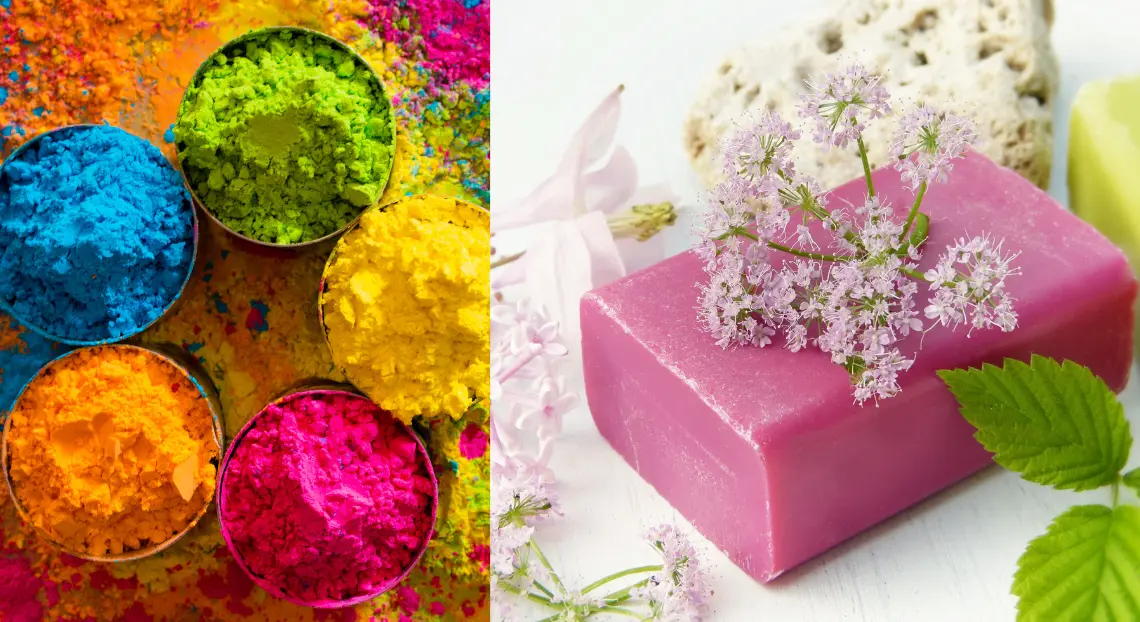
Soap colorants are ingredients used to add color to soap and other personal care products. They help make soaps look more attractive, unique, and visually appealing. Soap colorants can create soft natural shades, bright vibrant colors, earthy tones, swirls, layers, and decorative designs depending on the type used.
These colorants are available in both natural and synthetic forms. Natural soap colorants come from plants, herbs, clays, minerals, and other naturally derived ingredients. Synthetic colorants are specially manufactured pigments and dyes made for stable and long-lasting color performance in soap products.
Soap colorants work by dispersing tiny color particles or dyes throughout the soap mixture. Once mixed properly, the color becomes evenly distributed in the soap base. Some colorants dissolve completely, while others remain as fine pigments suspended in the soap. The final appearance depends on the type of soap, the ingredients used, and the curing process.
Types of Soap Colorants
Soap colorants are available in different types based on their source, appearance, and performance in soap. Some colorants come from natural ingredients, while others are specially made to provide bright and long-lasting colors. Choosing the right type depends on the soap recipe, desired color, and soap-making method.
Natural Soap Colorants for Handmade Soap
Natural soap colorants are made from plant powders, herbs, spices, clays, and natural minerals. These colorants are commonly used in organic and herbal soaps because they give a more natural appearance. Ingredients like turmeric, spirulina, activated charcoal, cocoa powder, and beetroot powder are popular choices. Natural colorants usually create soft and earthy shades instead of very bright colors. Some natural colors may fade over time due to heat, sunlight, or the high pH level of soap.
Synthetic Soap Colorants for Bright Colors
Synthetic soap colorants are lab-made pigments and dyes designed for stable and vibrant colors. These colorants are widely used in commercial and decorative soaps because they offer strong color performance and a wide range of shades. They are often more color-stable than natural options and work well in different soap bases.
Mineral-Based Colorants in Soap
Mineral-based soap colorants are made from natural earth minerals. These include oxides, ultramarines, and clays. They are known for producing rich matte colors and are commonly used in cold process soap. Mineral colorants are stable, long-lasting, and safe when used in cosmetic-grade form.
Liquid Soap Dyes for Easy Mixing
Liquid soap dyes are water-soluble colorants mainly used in melt and pour soaps and liquid soaps. They mix easily into soap bases and create bright transparent colors. However, some liquid dyes may bleed or fade over time.
Mica Powders for Shimmer and Shine
Mica powders are popular soap colorants that add sparkle and shine to soap. They are available in many colors and are widely used in decorative and luxury soaps.
Oxides and Ultramarines for Stable Soap Colors
Oxides and ultramarines are strong pigments used for stable and long-lasting soap colors. They work especially well in cold process and hot process soaps because they resist fading during curing.
Natural vs Synthetic Soap Colorants
Natural and synthetic soap colorants both help improve the appearance of soap, but they work differently in terms of color strength, stability, skin feel, and overall performance. Choosing between them depends on the type of soap being made and the final look required.
Difference in Color Brightness
Natural soap colorants usually create soft, earthy, and muted shades. Ingredients like turmeric, cocoa powder, spirulina, and clays give soap a natural look but may not produce very bright colors. Synthetic soap colorants are known for their strong and vibrant shades. Micas, pigments, and liquid dyes can create bold colors like neon pink, bright blue, and deep purple that are difficult to achieve with natural ingredients.
Difference in Color Stability
Color stability is one of the biggest differences between natural and synthetic colorants. Natural colors can fade, change, or become dull over time due to sunlight, air exposure, and the high pH level of soap. Some herbal powders may also turn brown during curing. Synthetic colorants are usually more stable and keep their original color for a longer time. Oxides and ultramarines are especially known for their long-lasting performance in soap.
Difference in Skin Friendliness
Natural colorants are often preferred in herbal and organic soaps because they come from plant or mineral sources. Many people choose them for gentle skincare products. However, some natural ingredients may still irritate sensitive skin if used in large amounts. Synthetic colorants made for cosmetic use are generally considered safe when used correctly, but low-quality or non-cosmetic dyes should never be added to soap.
Difference in Cost and Availability
Natural soap colorants are sometimes easier to find because many come from common kitchen or herbal ingredients. Synthetic colorants are widely available from soap-making suppliers and offer more color options. Some specialty micas and pigments can cost more than basic natural powders.
Best Colorants for Handmade Soap
Natural colorants are best for herbal, organic, and earthy-looking soaps. Synthetic colorants are better for bright, decorative, and detailed soap designs. Many soap makers use both to balance natural appearance with better color performance.
How to Choose the Right Soap Colorant?
Choosing the right soap colorant is important for getting the desired look, color quality, and performance in soap. Different colorants behave differently depending on the soap type, ingredients, and curing process. A good colorant should provide stable color, mix easily, and remain safe for skin use.
Choose a Colorant Based on Soap Type
The type of soap base plays a major role in color performance. Some colorants work better in cold process soap, while others are more suitable for melt and pour or liquid soap. For example, micas, oxides, and ultramarines usually perform well in cold process soap because they remain stable during curing. Liquid dyes are often preferred in melt and pour soaps because they blend easily and create clear, bright colors. Using the wrong colorant may lead to fading, bleeding, or uneven shades.
Select the Right Color Shade
Different colorants produce different results in soap. Natural colorants usually create soft and earthy shades, while synthetic colorants provide brighter and stronger colors. It is important to test the color in small batches before making a large amount of soap because the final shade can change during the curing process. Some ingredients may also react with fragrance oils or soap additives and affect the final color.
Consider Skin Safety and Sensitivity
Soap colorants should always be cosmetic grade and safe for skin use. People with sensitive skin often prefer natural colorants because they contain fewer artificial ingredients. However, some natural powders and herbs can still cause irritation if used in excess. Choosing high-quality colorants from trusted suppliers helps improve safety and product quality.
Check Color Fading Resistance
Some soap colorants fade faster than others when exposed to sunlight, heat, or air. Natural ingredients like beetroot or spirulina may lose their brightness over time. Mineral pigments, oxides, and ultramarines are usually more color stable and maintain their appearance longer.
Compare Cost and Availability
Natural colorants are often easy to find and may cost less for small batches. Synthetic colorants offer a wider range of shades but can be more expensive depending on the type and quality. Choosing a colorant that fits the soap design and budget helps achieve better results.
Soap Colorants for Different Soap Types
Different types of soap need different colorants because every soap base reacts differently during mixing, heating, and curing. Choosing the right colorant helps improve color quality, stability, and overall appearance. Some colorants work better in cold process soap, while others are more suitable for melt and pour or liquid soap.
Best Colorants for Cold Process Soap
Cold process soap goes through a curing process and has a high pH level, which can affect some colors. Stable colorants are important for this type of soap. Mica powders, oxides, ultramarines, clays, and activated charcoal are commonly used because they hold color well during curing. Natural ingredients like turmeric and spirulina can also be used, but some natural shades may fade or change over time. Powder colorants are usually mixed with oil before adding them to the soap batter to prevent clumping.
Best Colorants for Hot Process Soap
Hot process soap is exposed to heat during cooking, so the colorant must be heat stable. Oxides, ultramarines, clays, and micas are widely used because they can handle high temperatures without losing color quickly. Some delicate natural ingredients may become dull after heating. Since hot process soap has a thicker texture, color blending and detailed designs can be slightly harder compared to cold process soap.
Best Colorants for Melt and Pour Soap
Melt and pour soap works well with many types of colorants because the soap base is already processed. Liquid soap dyes and mica powders are popular choices for this soap type. Liquid dyes mix easily and create bright transparent colors, while micas add shimmer and rich shades. Water-soluble colorants are often preferred because they blend smoothly without leaving specks or uneven patches.
Best Colorants for Liquid Soap
Liquid soap requires water-soluble colorants that dissolve completely in the formula. Liquid dyes are commonly used because they mix evenly and provide clear color without settling at the bottom. Powder pigments and heavy mineral colorants are usually avoided because they may separate or create a cloudy appearance in liquid soap.
Common Problems With Soap Colorants
Soap colorants can sometimes create problems during soap making or curing. Colors may fade, bleed, change shade, or stain skin if the wrong colorant is used or mixed incorrectly. Understanding these common problems helps improve soap quality and color performance.
Why Soap Colors Fade Over Time?
Color fading is one of the most common problems in soap making. Natural colorants like spirulina, beetroot powder, and chlorophyll often lose brightness when exposed to sunlight, heat, air, or the high pH level of soap. Some synthetic dyes can also fade if they are not made for soap use. Cold process soaps may show color changes during curing because the soap continues reacting for several weeks. Stable pigments like oxides and ultramarines usually fade less compared to botanical colorants.
What Causes Color Bleeding in Soap?
Color bleeding happens when one color spreads into another area of the soap. This problem is common with water-soluble dyes and some liquid colorants. It usually appears in layered or swirled soaps where colors slowly mix after curing. Some bright dyes and neon pigments are more likely to bleed compared to mineral pigments. Using soap-safe and non-bleeding colorants helps reduce this issue.
Reasons for Uneven Soap Coloring
Uneven coloring happens when the colorant is not mixed properly into the soap batter. Dry powders added directly into soap can create specks, streaks, or dark spots. Thick soap batter can also make color blending difficult. Most powder colorants should be mixed with oil or water before adding them to soap for smoother color distribution.
Why Soap Changes Color After Curing?
Some soaps become darker, dull, or brown during curing. Fragrance oils containing vanilla or vanillin are a common reason for discoloration. Heat, air exposure, and ingredient reactions can also affect the final color of soap. Certain natural ingredients may turn brown or olive over time because of oxidation.
Why Some Colorants Stain Skin or Towels?
Using too much colorant can cause soap lather to stain skin, washcloths, or towels. Heavy pigments, unstable dyes, and excess mica are common causes. Cosmetic-grade colorants used in proper amounts are less likely to create staining problems.
Are Soap Colorants Safe?
Soap colorants are generally safe when they are made for cosmetic use and used in the correct amount. Safety depends on the type of colorant, ingredient quality, and how it is added to the soap. Using non-cosmetic pigments or excessive amounts can cause skin irritation, staining, or other problems. This is why soap makers should always choose skin-safe colorants from trusted suppliers.
FDA-Approved Colorants for Soap
Many synthetic soap colorants are regulated for cosmetic use. In the United States, the U.S. Food and Drug Administration approves certain color additives for use in soaps, cosmetics, and skincare products. Cosmetic-grade micas, oxides, ultramarines, and approved dyes are commonly considered safe when used correctly. However, not every pigment sold online is suitable for soap or skin contact. Industrial pigments, craft paints, and non-cosmetic powders should never be used in soap making because they may contain harmful substances.
Natural colorants are often considered safer because they come from plants, herbs, and minerals. Ingredients like turmeric, activated charcoal, and clays are widely used in handmade soap. Even natural ingredients should still be tested because some people may react to certain herbs or botanicals.
Skin Reactions and Allergies From Soap Colorants
Some soap colorants can cause skin irritation or allergic reactions, especially in people with sensitive skin. Strong dyes, fragrance oils mixed with colorants, or low-quality pigments may lead to redness, itching, or dryness. Overusing colorants can also increase the chance of irritation. Certain natural ingredients, such as cinnamon or spice powders, may be harsh on delicate skin if used in large amounts.
Patch testing is important when trying a new soap product or colorant. Testing helps identify possible skin reactions before regular use.
Safe Ways to Use Soap Colorants
Using the correct amount of colorant is important for both safety and soap quality. Too much pigment can stain skin, towels, or bath surfaces. Powder colorants should be mixed properly before adding them to soap to avoid clumps and uneven distribution. Soap makers should also follow supplier guidelines and recommended usage rates for every colorant.
Best Soap Colorants for Beginners
Beginners should start with soap colorants that are easy to mix, stable during curing, and safe for skin use. Some colorants are simple to handle and give predictable results, while others may fade, bleed, or change color if not used properly. Choosing beginner-friendly colorants helps reduce common mistakes and makes soap making easier.
Easy Natural Soap Colorants for Beginners
Natural soap colorants are a good starting option for people who want simple and mild colors in handmade soap. Clays, activated charcoal, cocoa powder, turmeric, and spirulina are commonly used because they are easy to find and simple to mix into soap batter. These ingredients usually create soft earthy shades instead of bright colors.
Activated charcoal is one of the easiest natural colorants to use because it gives a stable black or gray shade in most soap types. Clays like kaolin clay, rose clay, and French green clay also work well for beginners because they mix smoothly and rarely cause major color problems. Turmeric can create yellow shades, while cocoa powder produces brown tones. Natural colorants may slightly change shade during curing, but they are generally easy to work with in small batches.
Easy Synthetic Soap Colorants for Beginners
Mica powders are one of the most beginner-friendly synthetic soap colorants. They are widely used because they provide bright colors, mix easily, and work well in cold process, hot process, and melt and pour soap. Many soap makers prefer micas because they offer consistent results and a large range of shades. Cosmetic-grade micas made for soap are usually stable and simple to use when properly dispersed in oil or glycerin before mixing.
Oxides and ultramarines are also good options for beginners because they are stable in high-pH soap and do not fade easily. They create matte colors and are less likely to bleed between soap layers. Liquid dyes can also be easy to use in melt and pour soap, but some dyes may bleed or stain if too much is added.
Popular Soap Color Combinations
Soap color combinations help create attractive and visually balanced soap designs. Different colors are often matched to ingredients, fragrances, themes, or product styles. Some combinations create a clean and modern look, while others give a natural or luxury appearance. Choosing the right color mix can improve the overall appeal of handmade soap.
Black and White Soap Designs
Black and white is one of the most popular soap color combinations because it creates a simple and elegant look. Activated charcoal is commonly used for the black color, while titanium dioxide is used for white shades. This combination is often seen in modern, detox, and minimalist soap designs. Swirls and layered patterns work especially well with black and white soap because the contrast between the two colors is very strong.
Blue and Gold Soap Color Combination
Blue and gold soaps are commonly used in luxury and decorative soap designs. Blue shades are usually created with ultramarines, indigo powder, or blue mica, while gold mica adds shine and sparkle. This combination gives soap a rich and premium appearance. Many ocean-themed, spa, and festive soaps use blue and gold colors together because they create a bright and eye-catching design.
Green Herbal Soap Colors
Green soap is often linked with herbal, natural, and skincare products. Spirulina, French green clay, chromium oxide, and green mica are popular choices for creating green shades in soap. Herbal soaps with ingredients like aloe vera, neem, tea tree, or mint are commonly colored green to match the natural theme. Soft green shades usually create a fresh and calming appearance.
Pink Floral Soap Designs
Pink is widely used in floral and beauty soaps because it gives a soft and gentle look. Rose clay, pink mica, and beetroot powder are common pink soap colorants. Pink soaps are often paired with rose, lavender, cherry blossom, or strawberry fragrances. Light pink and white combinations are especially popular in handmade gift soaps and decorative soap bars.
Earth-Tone Soap Color Combinations
Earth-tone soaps use natural shades like brown, beige, olive, cream, and clay colors. Cocoa powder, clays, charcoal, and herbal powders are often used to create these shades. Earth-tone soap designs are popular in organic and rustic soap collections because they give a simple and natural appearance.
Tips for Making Attractive Colored Soap
Good color combinations and proper soap-making techniques can make handmade soap look cleaner, brighter, and more professional. The right color balance also helps improve the overall appearance of swirls, layers, and decorative patterns. Simple design choices and proper storage can help soap colors stay attractive for a longer time.
Choose Colors That Work Well Together
Using complementary colors helps create balanced and attractive soap designs. Colors that contrast properly often make patterns more visible and improve the overall appearance of the soap bar. Black and white, blue and gold, pink and cream, and green and brown are common soap color combinations because they create a clean and balanced look. Too many bright colors in one soap bar can sometimes make the design look messy or unclear.
Natural soap designs usually look better with soft earthy shades, while decorative soaps often use brighter mica colors. Testing color combinations in small batches can help avoid unwanted results before making larger soap batches.
Use Layers and Swirls Carefully
Soap layers and swirls are popular techniques used to create decorative soap designs. Thin layers can create a clean and modern appearance, while swirls add movement and texture inside the soap. The soap batter should have the correct thickness before adding colors because very thin batter may cause colors to mix too much. Thick batter can also make swirling difficult.
Stable colorants like micas, oxides, and ultramarines usually work better for swirl designs because they hold their color well during curing. Some liquid dyes may bleed into nearby layers over time.
Avoid Using Too Much Colorant
Adding too much colorant can make soap look dull, overly dark, or uneven. Excess colorant may also stain skin, washcloths, or soap lather. Powder colorants should be dispersed properly in oil or water before mixing into soap to prevent clumps and streaks. Small amounts are usually enough to create clear and attractive colors.
Store Soap Properly to Protect Color
Proper storage helps soap colors stay brighter for a longer time. Direct sunlight, heat, air exposure, and moisture can cause fading or discoloration, especially in soaps made with natural colorants. Handmade soap should be stored in a cool, dry, and dark place to reduce color damage and oxidation. UV light can break down pigments and cause soap colors to fade over time.
Conclusion
Soap colorants play an important role in improving the appearance, style, and overall appeal of handmade and commercial soaps. From natural powders and clays to bright synthetic pigments and micas, different colorants create different effects in soap. Choosing the right colorant depends on the soap type, desired color, stability, skin safety, and design goals.
Natural soap colorants are commonly preferred for herbal and organic soaps because they provide soft and earthy shades. Synthetic colorants are widely used for bright, bold, and long-lasting colors. Understanding how each type works helps avoid common problems like fading, bleeding, discoloration, and staining.
Using cosmetic-grade colorants, proper mixing methods, and correct usage levels can improve both soap quality and safety. Simple design techniques like swirls, layers, and balanced color combinations can also make soap look more attractive and professional.
Whether making soap for personal use, gifting, or business, selecting the right soap colorant helps create better-looking and higher-quality soap products.
Frequently Asked Questions (FAQs)
What is the best colorant for soap making?
The best soap colorant depends on the soap type and desired result. Micas, oxides, and clays are popular because they are stable, easy to use, and work well in many soap recipes.
Are natural soap colorants better than synthetic ones?
Natural colorants are preferred for herbal and organic soaps because they come from plant or mineral sources. Synthetic colorants usually provide brighter and longer-lasting colors.
Can food coloring be used in soap?
Regular food coloring is not recommended for soap making. It may fade, bleed, or stain skin because it is not designed for high-pH soap products.
Which soap colorants last the longest?
Oxides, ultramarines, and many cosmetic-grade micas are known for long-lasting and stable colors in soap.
Do soap colorants stain skin?
Some colorants can stain skin or towels if too much is used. Cosmetic-grade colorants used in proper amounts are less likely to cause staining.
What colorant is used to make soap white?
Titanium dioxide is the most common colorant used to make soap white or lighten other soap colors.
Can mica be used in cold process soap?
Yes, mica powders are widely used in cold process soap. They provide bright colors and shimmer when properly mixed into the soap batter.
Why did my soap color change after curing?
Soap colors may change during curing because of heat, air exposure, fragrance oils, or reactions between ingredients and the soap’s pH level.
Are soap colorants safe for sensitive skin?
Most cosmetic-grade soap colorants are safe when used correctly. People with sensitive skin should choose mild colorants and test new products before regular use.
What is the difference between mica and oxide colorants?
Micas usually create shiny and vibrant colors, while oxides produce matte and more natural-looking shades. Oxides are generally more stable in soap.