
What Durability Means in Silicones?
Silicone is known for its long-lasting performance in both indoor and outdoor conditions. Durability in silicones means the material can keep its shape, flexibility, strength, and performance for a long time without breaking down easily. This is one of the main reasons silicone is widely used in construction, automotive parts, electronics, medical products, sealants, and kitchen items.
Resistance to Heat and Cold
One of the biggest durability advantages of silicone is its ability to handle extreme temperatures. Silicone can stay stable in very high heat as well as freezing cold conditions. Many materials become hard, brittle, or cracked when temperatures change, but silicone usually keeps its flexibility and strength. This makes it useful in engine parts, industrial equipment, bakeware, electrical insulation, and outdoor products.
Protection Against Weather and Moisture
Silicone is highly resistant to sunlight, rain, humidity, ozone, and outdoor weather. Unlike many plastics and rubber materials, silicone does not easily crack, fade, or become brittle after long exposure to UV rays. It also repels water and forms strong waterproof seals. Because of this, silicone is commonly used in roofing, windows, outdoor sealants, and electrical protection systems.
Long-Term Flexibility and Stability
A durable silicone material can remain soft and flexible for many years. It can handle repeated bending, stretching, and compression without losing its original shape. This helps silicone products last longer in demanding applications where movement and pressure are common.
Resistance to Chemicals and Aging
Silicone also has good resistance to oxidation, many chemicals, oils, and environmental damage. Its strong silicon-oxygen structure helps slow down aging and material breakdown. This allows silicone products to maintain reliable performance over a long period of time.
Main Durability Properties of Silicones
Heat Resistance in High-Temperature Applications
Silicone is widely known for its excellent heat resistance. It can handle very high temperatures without melting, cracking, or losing its shape. Many silicone materials can work continuously in temperatures above 200°C. Because of this, silicone is commonly used in engines, industrial machinery, electrical equipment, kitchen products, and high-temperature sealants. Even after long heat exposure, silicone usually keeps its flexibility and performance.
Cold Resistance and Low-Temperature Flexibility
Silicone also performs well in freezing temperatures. Many materials become hard and brittle in cold weather, but silicone stays flexible and stable. This makes it useful for outdoor equipment, refrigeration systems, automotive parts, and cold-weather applications. Silicone can continue working properly even in extreme winter conditions.
UV and Sunlight Resistance
One important durability property of silicone is its resistance to UV rays and sunlight. Long exposure to sunlight can damage many plastics and rubber materials, causing fading, cracking, and surface damage. Silicone is much more stable under UV exposure and can maintain its strength and appearance for many years. This is why silicone is often used in outdoor sealants, roofing materials, and exterior construction products.
Water, Weather, and Chemical Resistance
Silicone is naturally water-resistant and forms strong waterproof seals. It can resist humidity, rain, moisture, and harsh weather conditions without breaking down easily. Silicone also has good resistance to ozone, oxidation, oils, cleaners, and many industrial chemicals. However, some strong solvents and fuels may damage certain silicone materials over time.
Flexibility, Electrical Insulation, and Aging Resistance
Silicone can remain soft, flexible, and elastic for a very long time. It does not easily harden, shrink, or become brittle with age. Silicone also provides stable electrical insulation, making it useful in wires, cables, electronics, and electrical systems. Its resistance to oxidation and environmental aging helps silicone products maintain long service life in demanding conditions.
Mechanical Strength of Silicone
Tensile Strength of Silicone Materials
Tensile strength refers to the ability of silicone to stretch without breaking. Silicone can handle pulling and stretching forces while still maintaining its shape and flexibility. High-quality silicone materials are designed to perform well under repeated movement and stress. This property is important in products such as silicone tubing, seals, medical devices, and industrial components where flexibility and strength are both required.
Tear Resistance in Silicone Products
Tear resistance is the ability of silicone to resist cuts and tearing when force is applied. Silicone generally has good tear resistance, especially in thicker and reinforced grades. This helps silicone products last longer in demanding environments. However, silicone can still tear if it comes into contact with sharp objects or excessive force. For this reason, stronger silicone grades are often used in industrial and heavy-duty applications.
Compression Resistance and Shape Retention
Silicone has strong compression resistance, which means it can return to its original shape after being squeezed or compressed for a long time. This property is important for gaskets, seals, and cushioning materials that must maintain a tight fit under pressure. Even after repeated compression, silicone usually keeps its flexibility and sealing performance.
Impact Resistance in Daily and Industrial Use
Silicone can absorb shock and handle moderate impact without cracking or becoming brittle. Its flexible structure allows it to resist damage from vibration, movement, and sudden force. This makes silicone useful in automotive parts, protective covers, electronic components, and industrial equipment where durability is important.
Abrasion Resistance of Silicone
Abrasion resistance refers to how well a material can handle rubbing, friction, and surface wear. Silicone has moderate abrasion resistance compared to some industrial rubbers and plastics. While silicone performs well in many applications, constant friction or rough mechanical contact may wear the surface over time. In high-abrasion environments, special silicone formulations or protective coatings may be required for better durability.
Types of Silicone and Their Durability
Different types of silicone are designed for different applications and working conditions. Each type offers specific durability properties such as heat resistance, flexibility, weather resistance, and long service life. Choosing the correct silicone type is important because durability can vary depending on the environment and usage.
Liquid Silicone Rubber (LSR)
Liquid Silicone Rubber, also called LSR, is known for its high durability, flexibility, and temperature resistance. It can handle both extreme heat and freezing temperatures without losing its shape or strength. LSR also has good resistance to UV rays, moisture, and many chemicals. Because of its durability and precision, LSR is widely used in medical devices, automotive parts, electronics, seals, and food-grade products. It can maintain stable performance even after repeated stretching and compression.
RTV Silicone Durability
RTV silicone stands for Room Temperature Vulcanizing silicone. This type cures at normal room temperature and is commonly used as a sealant, adhesive, and protective coating. RTV silicone has good weather resistance, strong flexibility, and reliable heat stability. It is widely used in construction, automotive repairs, electrical systems, and industrial sealing applications. RTV silicone can also maintain its performance for a long time in outdoor conditions.
High-Temperature Silicone Performance
High-temperature silicone is specially designed for extreme heat conditions. It can resist continuous exposure to very high temperatures while still remaining flexible and durable. This type of silicone is commonly used in engines, industrial ovens, aerospace equipment, and high-heat sealing systems. Many high-temperature silicone materials also provide good UV and ozone resistance, which increases their lifespan in demanding environments.
Durability of Silicone Sealants and Coatings
Silicone sealants, gels, and coatings are valued for their long-lasting waterproof and weather-resistant properties. They help protect surfaces from moisture, sunlight, corrosion, and environmental damage. Silicone coatings are often used on buildings, electronics, industrial equipment, and electrical components because they maintain flexibility and protective performance over time.
Durability of Silicone in Different Industries
Silicone is used in many industries because of its long-lasting performance, flexibility, heat resistance, and weather resistance. It can perform well in harsh conditions where many other materials may fail. Its durability helps reduce maintenance, improve safety, and increase product lifespan.
Silicone Durability in the Construction Industry
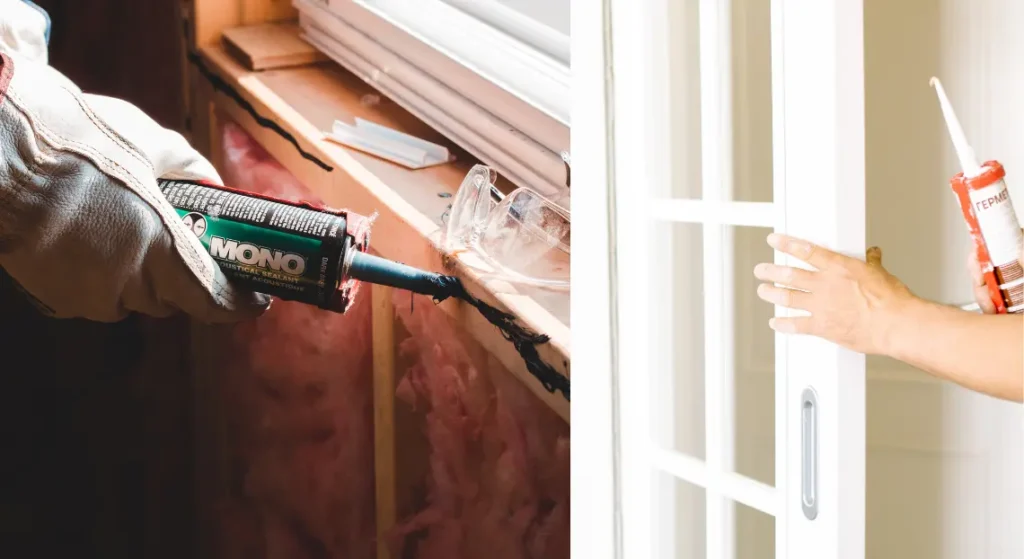
In the construction industry, silicone is widely used for sealants, waterproofing systems, glazing, and expansion joints. Silicone sealants can handle sunlight, rain, moisture, and temperature changes without cracking or shrinking easily. They help create strong waterproof seals around windows, doors, roofs, and glass panels. Because silicone stays flexible for a long time, it is useful in buildings that experience movement and weather exposure.
Silicone Performance in the Automotive Industry
The automotive industry uses silicone in gaskets, hoses, engine seals, spark plug boots, and vibration-resistant components. Silicone can handle high engine temperatures, oil exposure, and constant movement without losing performance. Its ability to remain flexible under heat and cold makes it useful in demanding vehicle environments. Durable silicone parts help improve reliability and reduce replacement needs.
Silicone Protection in the Electronics Industry
Silicone is commonly used in electronics because of its stable electrical insulation and protective properties. Silicone coatings and sealants protect electronic parts from moisture, dust, heat, and environmental damage. It is widely used in wires, cables, circuit boards, connectors, and electrical systems. Silicone helps electronic components maintain safe and stable performance over time.
Silicone Use in Medical and Food Applications
Medical-grade silicone is valued for its durability, flexibility, and resistance to heat and chemicals. It is used in medical tubing, implants, catheters, and healthcare equipment because it can maintain performance after repeated sterilization. In food and kitchen products, silicone is used for bakeware, utensils, molds, and food-grade seals. These products can handle heat, moisture, and repeated use without easily cracking or degrading.
Silicone Durability in Personal Care Products
Silicone is also used in haircare and skincare products because it forms a smooth and protective layer. It helps improve texture, moisture resistance, and product stability. Many silicone-based cosmetic ingredients remain stable even after long storage and repeated exposure to air and moisture.
Limitations of Silicone Durability
Silicone is known for its long-lasting performance, but it also has some limitations. In certain environments, silicone may wear out faster or perform less effectively than other materials. Understanding these limitations helps in choosing the right material for the right application.
Lower Abrasion Resistance
One of the main limitations of silicone is its lower abrasion resistance. Abrasion resistance means the ability to handle rubbing, scraping, and surface wear. Silicone is softer than many industrial rubbers and plastics, so constant friction can damage its surface over time. In high-friction environments such as conveyor systems, rollers, or moving mechanical parts, silicone may wear out faster than materials like polyurethane or nitrile rubber.
Damage From Sharp Objects and Heavy Stress
Silicone can also tear more easily when exposed to sharp edges, cuts, or excessive stretching. Although silicone stays flexible for a long time, its tear strength is lower than some other rubber materials. Heavy mechanical stress, repeated pulling, or rough handling may cause cracks or tearing in silicone products. Because of this, reinforced silicone grades are often used in industrial applications that require better strength and durability.
Higher Material Cost
Another limitation is the higher cost of silicone compared to standard rubber and plastic materials. Silicone manufacturing requires special raw materials and processing methods, which increase production costs. For low-cost or large-scale applications, manufacturers may choose cheaper materials if extreme heat resistance or weather durability is not required.
Swelling in Certain Solvents and Chemicals
Silicone has good resistance to many chemicals, but it does not perform well with some fuels, oils, and strong solvents. Certain petroleum-based liquids and organic solvents can cause silicone to swell, soften, or lose strength over time. This can reduce the lifespan of silicone seals, tubing, and gaskets in chemical-heavy environments.
Factors That Affect Silicone Lifespan
The lifespan of silicone depends on the environment, working conditions, and material quality. Although silicone is known for its durability, certain factors can slowly reduce its strength, flexibility, and overall performance over time.
Effect of Temperature on Silicone Lifespan
Temperature exposure plays a major role in silicone durability. Silicone can handle both high and low temperatures better than many other materials, but continuous exposure to extreme heat may eventually reduce its flexibility and strength. Very high temperatures for long periods can cause hardening, while rapid temperature changes may increase material stress. Using the correct silicone grade for the operating temperature helps improve lifespan.
Impact of UV and Sunlight Exposure
Silicone has strong UV and weather resistance, which makes it suitable for outdoor applications. However, long-term exposure to direct sunlight, ozone, and harsh weather can still slowly affect the material surface over many years. Lower-quality silicone products may fade, weaken, or lose elasticity faster when exposed to constant outdoor conditions.
Mechanical Stress and Physical Damage
Repeated bending, stretching, pressure, vibration, and heavy mechanical stress can reduce the lifespan of silicone products. Silicone can also tear if exposed to sharp edges or rough handling. In industrial applications, continuous friction and movement may cause surface wear over time. Proper product design and correct installation help reduce mechanical damage.
Chemical Exposure and Material Compatibility
Silicone has good resistance to many chemicals, moisture, and oxidation, but some strong solvents, fuels, oils, and acids can damage the material. Chemical exposure may cause swelling, softening, or reduced strength in certain silicone products. Choosing a silicone material that is compatible with the working environment is important for long-term durability.
Importance of Silicone Quality and Proper Installation
The quality of silicone material greatly affects its lifespan. High-grade silicone usually offers better heat resistance, flexibility, and aging stability. Poor installation, incorrect curing, or improper usage can also reduce durability. Proper installation methods, regular inspection, and suitable maintenance help silicone products last longer and perform more reliably.
How to Increase the Lifespan of Silicone Products?
Silicone products are known for their long-lasting performance, but proper usage and maintenance are important for maximum durability. Heat, chemicals, friction, and poor handling can reduce the lifespan of silicone over time. Following the right practices can help silicone products stay flexible, stable, and effective for many years.
Choose the Right Silicone Grade
Different silicone grades are designed for different environments and applications. Some silicone materials are made for high temperatures, while others are designed for chemical resistance, medical use, or food contact. Using the wrong silicone grade can reduce durability and cause early damage. Selecting a silicone product that matches the working conditions helps improve long-term performance and reliability.
Prevent Mechanical Damage
Silicone is flexible and durable, but sharp objects, excessive stretching, and heavy friction can still damage the material. Repeated mechanical stress may cause tearing, cuts, or surface wear over time. Avoiding rough handling and protecting silicone products from sharp edges can help maintain their strength and flexibility for a longer period.
Use Safe Cleaning Methods
Proper cleaning helps silicone products maintain their condition and performance. Mild soap, warm water, and non-abrasive cleaning materials are usually safe for most silicone products. Strong solvents, harsh chemicals, and rough scrubbing tools may damage the silicone surface and reduce its lifespan. Cleaning silicone regularly also helps prevent dirt buildup and contamination.
Inspect Silicone Products Regularly
Regular inspection helps identify early signs of damage such as cracks, swelling, discoloration, hardening, or surface wear. Small problems can become larger if ignored for a long time. Checking silicone seals, tubing, gaskets, and coatings regularly helps maintain safe and reliable performance.
Follow Manufacturer Recommendations
Manufacturers usually provide instructions for temperature limits, chemical compatibility, installation, and maintenance. Following these guidelines helps silicone products perform properly under the correct conditions. Proper installation, storage, and usage can significantly increase the lifespan and durability of silicone materials.
Common Durable Silicone Products
Silicone is used in many products because of its long-lasting performance, flexibility, heat resistance, and weather resistance. Durable silicone products are widely used in homes, industries, construction, automotive systems, and electronics because they can handle harsh conditions without breaking down easily.
Silicone Sealants for Long-Lasting Sealing
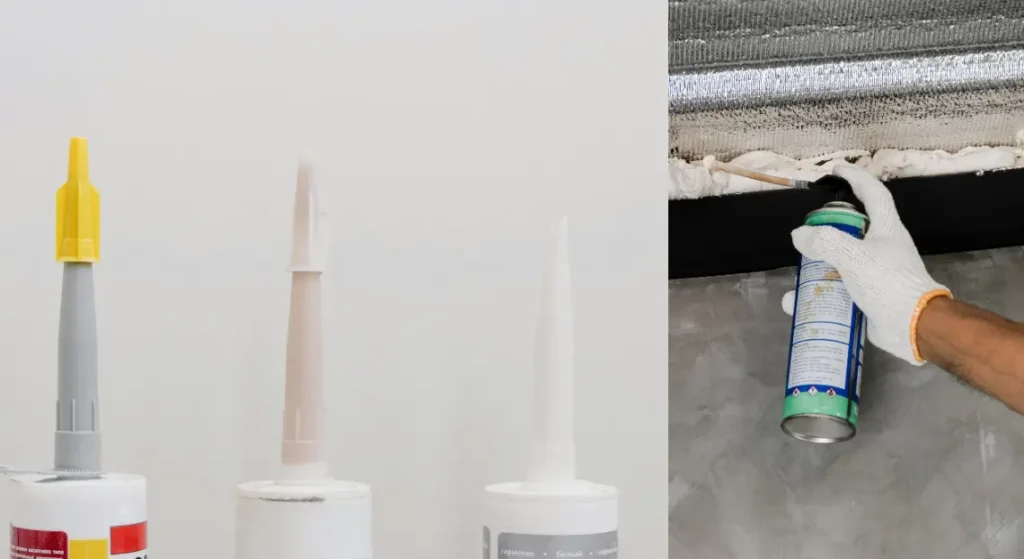
Silicone sealants are commonly used for waterproofing and gap sealing in kitchens, bathrooms, windows, roofs, and construction joints. They remain flexible for many years and can resist moisture, sunlight, temperature changes, and weather exposure. High-quality silicone sealants are widely preferred for outdoor and high-moisture applications because they do not crack or shrink easily over time.
Durable Silicone Gaskets and Seals
Silicone gaskets are designed to create tight and reliable seals in machinery, vehicles, food equipment, and industrial systems. They can handle high temperatures, pressure, UV exposure, and moisture while maintaining their shape and elasticity. In many applications, silicone gaskets can last for 10 to 20 years or more when used under proper conditions.
Silicone Tubing for Industrial and Medical Use
Silicone tubing is widely used in medical devices, food processing systems, laboratories, and industrial equipment. It offers good flexibility, chemical resistance, and temperature stability. Silicone tubing can handle repeated bending and sterilization without becoming brittle or damaged easily. Food-grade and medical-grade silicone tubing are especially valued for their durability and safety.
Silicone Adhesives and Protective Coatings
Silicone adhesives and coatings are used to protect surfaces from heat, moisture, corrosion, and environmental damage. They are commonly applied in electronics, construction materials, and industrial equipment. Silicone coatings can maintain strong protective performance even after long outdoor exposure.
Durable Silicone Kitchenware Products
Silicone kitchenware includes bakeware, spatulas, molds, mats, and cooking utensils. These products are popular because they can resist heat, moisture, stains, and repeated washing. High-quality silicone kitchen products usually remain flexible and durable even after years of regular use.
Conclusion
Silicones are known for their excellent durability, flexibility, and resistance to heat, moisture, sunlight, and aging. These properties make silicone a reliable material for many industries, including construction, automotive, electronics, medical equipment, personal care products, and kitchenware. Silicone products can maintain their performance for a long time even in harsh working conditions.
Different types of silicone are designed for different applications, and choosing the correct silicone grade is important for better durability and longer lifespan. Proper installation, regular maintenance, safe cleaning methods, and protection from excessive mechanical damage can also help silicone products last longer.
Although silicone has some limitations such as lower abrasion resistance and higher cost compared to certain materials, it still remains one of the most dependable materials for high-performance and long-term applications. Its ability to stay flexible, stable, and weather-resistant makes silicone a preferred choice in both industrial and everyday products.
Frequently Asked Questions (FAQs)
How durable is silicone?
Silicone is highly durable and can last for many years without cracking, hardening, or losing flexibility. It performs well in heat, cold, moisture, and outdoor conditions.
How long does silicone usually last?
The lifespan of silicone depends on the application and environment. In many cases, silicone products can last 10 to 20 years or even longer with proper use and maintenance.
Is silicone resistant to high temperatures?
Yes, silicone has excellent heat resistance. Many silicone materials can handle temperatures above 200°C without melting or losing performance.
Does silicone crack in sunlight?
Silicone has strong UV resistance and does not easily crack or fade in sunlight. This makes it suitable for outdoor applications.
Is silicone waterproof?
Yes, silicone is naturally water-resistant and forms strong waterproof seals. It is widely used in bathrooms, kitchens, roofing, and outdoor sealing applications.
Can silicone handle freezing temperatures?
Yes, silicone remains flexible even in very cold temperatures. It does not become brittle as quickly as many other materials.
What can damage silicone materials?
Sharp objects, constant friction, strong solvents, certain oils, and excessive mechanical stress can damage silicone over time.
Is silicone stronger than rubber?
Silicone performs better than many rubbers in heat resistance, weather resistance, and flexibility. However, some rubber materials may offer better abrasion and tear resistance.
Why is silicone commonly used outdoors?
Silicone is used outdoors because it can resist sunlight, rain, moisture, ozone, and temperature changes for long periods without breaking down easily.
Does silicone lose flexibility with age?
High-quality silicone usually stays flexible for many years. However, poor-quality silicone or extreme working conditions may slowly reduce flexibility over time.