

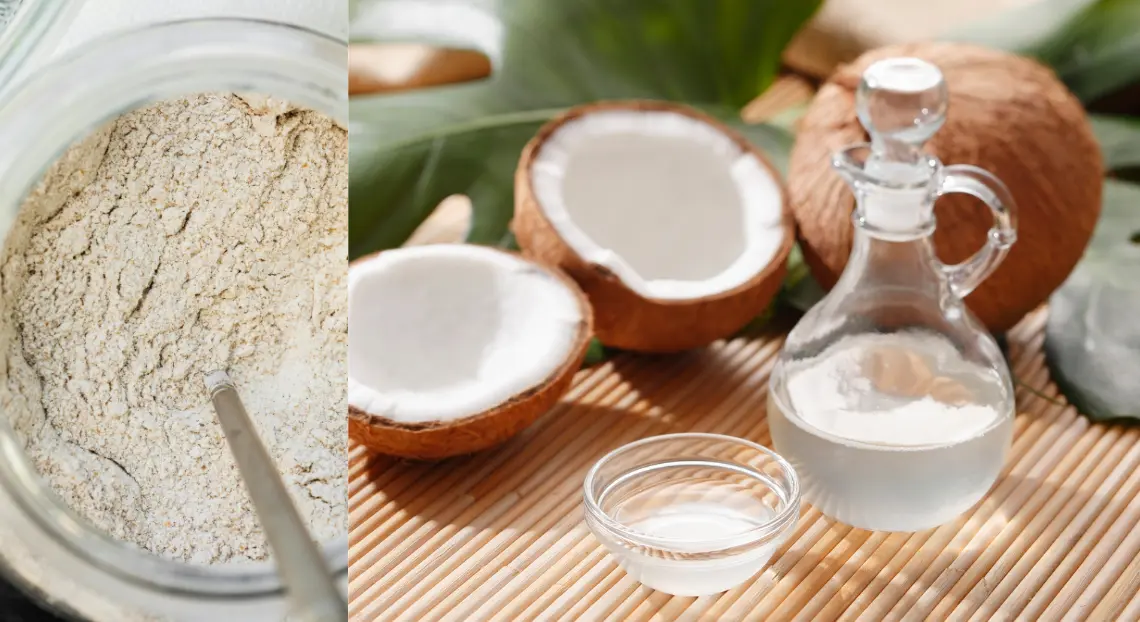
What Is Cocoate?
Cocoate is a cleansing and conditioning ingredient made from coconut oil. It is commonly used in soaps, shampoos, face cleansers, body washes, and other personal care products. The ingredient is created by processing the fatty acids found in coconut oil into forms that work well in cosmetic formulations.
Cocoate helps products clean the skin and hair by removing dirt, oil, and impurities. It is also valued for its ability to create rich foam and improve the texture of cleansing products. Depending on the type used, cocoate can also provide mild moisturizing and skin-softening benefits.
Cocoate is not the same as raw coconut oil. Coconut oil is a natural oil taken directly from coconuts, while cocoate is a processed ingredient made from the fatty acids of coconut oil. During manufacturing, coconut oil goes through a chemical reaction that converts it into ingredients such as sodium cocoate, potassium cocoate, or glyceryl cocoate. Each type has a different function in skincare and haircare products.
Cosmetic and personal care brands use cocoate because it works as an effective cleanser while also helping products feel smooth and easy to apply. It is widely used in both traditional and plant-based formulations because it comes from a vegetable source and performs well in soap and cleansing products.
How Cocoate Is Made?
How Coconut Oil Is Extracted?
The process of making cocoate starts with coconut oil extraction. Coconut oil is taken from fresh or dried coconut meat. The oil contains natural fatty acids that are widely used in skincare, haircare, and soap products. These fatty acids are the main reason coconut oil works well in cleansing formulas.
After extraction, the oil is cleaned and prepared for further processing. Cosmetic manufacturers use this processed coconut oil to create different cocoate ingredients used in soaps, shampoos, cleansers, and body washes.
How Coconut Fatty Acids Are Converted Into Cocoate?
Cocoate is made by changing coconut oil fatty acids into cleansing ingredients through a chemical reaction. Different types of cocoate are produced depending on the ingredients used during processing.
For example, sodium cocoate is made when coconut oil reacts with sodium hydroxide during soap making. Potassium cocoate is created using potassium hydroxide instead. These reactions turn the oil into soap-based cleansing agents that help remove dirt, sweat, and excess oil from the skin and hair.
The fatty acids from coconut oil also help products create rich foam and improve cleansing performance. This is why cocoate ingredients are commonly used in personal care and cosmetic products.
Difference Between Coconut Oil and Cocoate
Coconut oil and cocoate are not the same ingredient. Coconut oil is a natural oil mainly used for moisturizing and softening the skin and hair. Cocoate is a processed ingredient made from coconut oil fatty acids and is mainly used for cleansing purposes.
Raw coconut oil feels oily and works as a moisturizer, while cocoate ingredients are designed to create foam and clean the skin. Because of this difference, both ingredients are used in different ways in skincare and haircare products.
Types of Cocoate Used in Cosmetics
Sodium Cocoate in Soap Products
Sodium cocoate is one of the most common cocoate ingredients used in cosmetics and personal care products. It is made by mixing coconut oil with sodium hydroxide during soap making. This ingredient is mainly found in bar soaps and cleansing products because it creates strong cleansing action and rich foam. Sodium cocoate helps remove dirt, oil, and impurities from the skin. It also helps make soap bars hard and long-lasting.
Potassium Cocoate in Liquid Cleansers
Potassium cocoate is made from coconut oil and potassium hydroxide. It is commonly used in liquid soaps, hand washes, and some shampoos. Compared to sodium cocoate, it creates a softer and more liquid formula. It also produces good foam and helps clean the skin effectively. Many liquid cleansing products use potassium cocoate because it mixes well with water and gives a smooth texture.
Glyceryl Cocoate for Skin Conditioning
Glyceryl cocoate is mainly used as a skin-conditioning ingredient. It is added to shampoos, body washes, and skincare products to help soften the skin and hair. Unlike soap-based cocoates, glyceryl cocoate is valued more for its moisturizing and smoothing properties. It can also help reduce the dry feeling that strong cleansers sometimes cause.
TEA-Cocoate in Personal Care Products
TEA-cocoate, also called triethanolamine cocoate, is used as a cleansing and foam-boosting ingredient in cosmetic products. It is commonly found in face cleansers, bubble baths, and body washes. This ingredient helps improve product texture and supports stable foam production during use.
Other Cocoate Ingredients Used in Cosmetics
Other cocoate ingredients may also appear in cosmetic formulas depending on the product type. These ingredients are mainly used for cleansing, conditioning, thickening, or improving product texture. Most cocoate ingredients are derived from coconut oil and are widely used in skincare and haircare products because of their cleansing and foaming abilities.
What Does Cocoate Do in Skincare and Haircare?
How Cocoate Cleans the Skin and Hair?
Cocoate is mainly used in skincare and haircare products for its cleansing properties. It helps remove dirt, sweat, oil, and product buildup from the skin and hair. Cocoate works by mixing with oil and impurities so they can be washed away easily with water.
Because of its strong cleansing ability, cocoate is commonly found in soaps, shampoos, face cleansers, and body washes. It helps keep the skin and scalp clean without leaving heavy residue behind. Different types of cocoate are used depending on how strong or gentle the product needs to be.
How Cocoate Creates Foam and Lather?
One of the main reasons cocoate is used in cosmetic products is its ability to create foam and rich lather. When mixed with water, cocoate helps produce bubbles that improve the feel and performance of cleansers and soaps.
Foam does not always increase cleaning power, but it helps spread the product evenly across the skin and hair. Many people also prefer products that create a rich and creamy lather because they feel smoother and easier to use during washing.
How Cocoate Helps Soften Skin and Hair?
Some cocoate ingredients also provide conditioning and softening effects. Ingredients such as glyceryl cocoate are added to products to help reduce dryness after cleansing. They help the skin feel smoother and can improve the softness of the hair.
This is important because strong cleansing ingredients can sometimes remove too much natural oil from the skin and scalp. Conditioning forms of cocoate help balance the formula and improve comfort after washing.
How Cocoate Improves Product Texture?
Cocoate also helps improve the texture and consistency of skincare and haircare products. It can make products feel smoother, thicker, and easier to apply. In shampoos and cleansers, cocoate helps create a stable formula that spreads evenly and rinses off properly. This improves the overall feel and performance of the product during use.
Common Products That Contain Cocoate
Cocoate in Bar Soaps
Bar soaps are one of the most common products that contain cocoate. Ingredients such as sodium cocoate are widely used in soap making because they create strong cleansing action and rich foam. Cocoate also helps make soap bars firm and long-lasting. Many traditional and natural soaps use coconut-based cocoate ingredients to improve cleaning performance and lather quality.
Cocoate in Liquid Hand Soaps
Liquid hand soaps often contain potassium cocoate or similar coconut-derived cleansing ingredients. These ingredients help remove dirt, oil, and germs from the skin while creating a smooth and foamy texture. Cocoate is commonly used in hand washes because it mixes well with water and helps the product rinse off easily without leaving heavy residue.
Cocoate in Face Cleansers and Body Washes
Many face cleansers and body washes use cocoate ingredients for gentle cleansing and foam production. Cocoate helps clean the skin by removing excess oil, sweat, makeup, and daily impurities. In facial cleansers, milder forms of cocoate are often combined with moisturizing ingredients to reduce dryness after washing.
Body washes also use cocoate to improve texture and create a rich lather during bathing. It helps products spread evenly across the skin and provides a clean feeling after rinsing.
Cocoate in Shampoos
Cocoate is commonly used in shampoos because it helps clean the scalp and hair effectively. It removes excess oil, dirt, sweat, and product buildup from the hair. Some cocoate ingredients also improve foam quality, making shampoos easier to apply and rinse out. Conditioning forms of cocoate may also help reduce dryness and improve hair softness.
Cocoate in Lotions and Creams
Certain forms of cocoate, such as glyceryl cocoate, are used in lotions and creams for their conditioning properties. These ingredients help improve product texture and make the skin feel softer and smoother. In moisturizing products, cocoate is mainly used to support skin conditioning rather than strong cleansing.
Benefits of Cocoate
Strong Cleansing Performance
One of the main benefits of cocoate is its strong cleansing ability. Cocoate helps remove dirt, sweat, oil, and product buildup from the skin and hair. This is why it is widely used in soaps, shampoos, face cleansers, and body washes. It helps products clean effectively while leaving the skin and scalp feeling fresh.
Cocoate ingredients made from coconut oil fatty acids are especially valued for their ability to break down excess oil and impurities during washing. This makes them useful in daily cleansing products.
Rich Foam and Lather
Cocoate is also known for creating rich foam and creamy lather. When mixed with water, cocoate helps cleansing products produce bubbles that improve the washing experience. Many people prefer products with good foam because they spread more easily and feel smoother during use.
In soaps and shampoos, foam also helps distribute the product evenly across the skin and hair. This improves product performance and makes rinsing easier.
Plant-Based Ingredient Source
Most cocoate ingredients are made from coconut oil, which is a plant-based source. Because of this, cocoate is commonly used in vegan and plant-based skincare and haircare products. Many natural and herbal product brands use cocoate as an alternative to some synthetic cleansing ingredients.
Its coconut-derived origin also makes it popular in products marketed as natural or naturally inspired.
Helps Improve Skin and Hair Softness
Some forms of cocoate help improve softness and smoothness in skincare and haircare products. Ingredients such as glyceryl cocoate are used to reduce dryness and improve the feel of the skin and hair after cleansing.
These conditioning effects help balance the formula, especially in products that contain strong cleansing agents.
Commonly Used in Natural Soap Making
Cocoate is widely used in natural and handmade soap making because it creates hard soap bars with strong cleansing properties and stable foam. Soap makers often use coconut-based cocoate ingredients to improve lather quality and make soaps last longer during regular use.
Possible Side Effects of Cocoate
Cocoate May Cause Dryness on Sensitive Skin
Cocoate is known for its strong cleansing ability, but in some cases, it may make the skin feel dry. This mainly happens in people with sensitive or naturally dry skin. Some cocoate ingredients can remove too much natural oil from the skin, especially when used in strong soaps or cleansers.
When the skin loses too much moisture, it may feel tight, rough, or uncomfortable after washing. This effect is more common with frequent use of harsh cleansing products that contain high amounts of soap-based cocoate ingredients such as sodium cocoate.
Skin Irritation Can Happen in Some Products
Some people may experience mild skin irritation from products that contain cocoate. This can include redness, itching, or dryness, especially if the product also contains fragrances, alcohol, or other strong ingredients.
The irritation is not always caused by cocoate alone. In many cases, the overall product formula plays a bigger role. People with eczema, sensitive skin, or skin allergies may notice irritation more easily when using strong cleansing products.
Patch testing a new product before regular use can help reduce the risk of unwanted skin reactions.
Over-Cleansing May Affect the Skin Barrier
Using strong cocoate-based cleansers too often may lead to over-cleansing. This happens when the skin’s natural protective oils are removed faster than the skin can replace them.
Over-cleansing can weaken the skin barrier and may cause dryness, irritation, or increased sensitivity. In some people, it can also lead to excess oil production because the skin tries to balance the lost moisture.
Using gentle cleansers and avoiding excessive washing can help prevent these problems.
Product Formulation Makes a Big Difference
Not all cocoate products affect the skin in the same way. The final product formula is very important. Many modern skincare and haircare products combine cocoate with moisturizing and conditioning ingredients to reduce dryness and improve comfort during use.
Is Cocoate Safe for Skin?
Cocoate Is Commonly Used in Cosmetic Products
Cocoate is generally considered safe for use in skincare and cosmetic products. It is widely used in soaps, shampoos, face cleansers, body washes, and other personal care items. Most cocoate ingredients are made from coconut oil fatty acids and are approved for cosmetic use in many countries.
Cosmetic manufacturers use cocoate because it works well as a cleansing and foaming ingredient. When used in properly balanced formulas, cocoate is safe for most skin types and is commonly found in everyday cleansing products.
Skin Compatibility Depends on the Formula
The safety of cocoate also depends on the overall product formula. Some cocoate ingredients provide strong cleansing action, which may feel drying on very sensitive or dry skin. However, many skincare brands combine cocoate with moisturizing and conditioning ingredients to make products gentler and more comfortable to use.
People with normal, oily, or combination skin usually tolerate cocoate-based products well. Those with dry or sensitive skin may prefer milder formulations with added moisturizers.
Skin reactions are more likely to happen when products contain harsh fragrances, alcohol, or other irritating ingredients along with cocoate.
Cocoate in Sensitive Skin Products
Some forms of cocoate are used in products made for sensitive skin. Mild cocoate ingredients and balanced formulas can help cleanse the skin without causing too much dryness. Products designed for sensitive skin often include soothing ingredients that help protect the skin barrier during cleansing.
Even though cocoate is safe for most people, individuals with eczema, allergies, or highly reactive skin may still need to check ingredient labels carefully before using new products.
What Dermatologists and Cosmetic Experts Say?
Dermatologists and cosmetic formulators generally consider cocoate safe when used in appropriate amounts. Experts often explain that the ingredient itself is not usually the main problem. Instead, the strength of the cleanser and the full product formulation have a bigger effect on how the skin reacts.
Choosing a well-formulated product that matches your skin type is the best way to avoid dryness or irritation.
Is Cocoate Natural?
Cocoate Comes From Coconut Oil
Cocoate is mainly made from coconut oil, which is a plant-based natural ingredient. The fatty acids found in coconut oil are processed and converted into different cocoate ingredients used in skincare, haircare, and soap products. Because of its coconut origin, cocoate is often considered a naturally derived ingredient.
Many cosmetic brands use cocoate in products that focus on plant-based or coconut-based formulations. Its natural source is one reason why it is widely used in soaps, cleansers, and shampoos.
Cocoate Is Natural but Also Processed
Although cocoate comes from coconut oil, it is not the same as raw or pure coconut oil. Cocoate is a processed ingredient created through chemical reactions used in cosmetic manufacturing. For example, sodium cocoate and potassium cocoate are made during soap-making processes.
This means cocoate is better described as a naturally derived ingredient rather than a completely natural raw ingredient. The processing changes the structure of coconut oil so it can work as a cleanser, foaming agent, or conditioner in personal care products.
Even with processing, cocoate is still commonly accepted in many natural skincare and soap formulations because its main source is vegetable-based coconut oil.
Cocoate in Natural and Organic Products
Cocoate is widely used in natural soaps, herbal cleansers, and plant-based cosmetic products. Many brands choose cocoate because it provides strong cleansing and rich foam without using some petroleum-based ingredients.
In organic or natural beauty products, cocoate is often combined with plant oils, botanical extracts, and natural moisturizers to create gentle cleansing formulas.
Is Cocoate Vegan and Cruelty-Free?
Cocoate Is Usually Vegan
Most cocoate ingredients are considered vegan because they are made from coconut oil and other plant-based sources. They do not normally contain animal-derived ingredients. This makes cocoate suitable for many vegan skincare, haircare, and soap products.
Cruelty-Free Status Depends on the Brand
Cocoate itself is not an animal ingredient, but cruelty-free status depends on the cosmetic brand and its testing policies. Some brands avoid animal testing, while others may still test products where required by law. Checking cruelty-free certifications can help consumers choose suitable products.
Is Cocoate Good for Hair?
Cocoate Helps Clean the Scalp and Hair
Cocoate is commonly used in shampoos and hair cleansers because it helps remove dirt, sweat, oil, and product buildup from the scalp and hair. It works as a cleansing ingredient that mixes with oil and impurities so they can be washed away with water.
People with oily hair or oily scalp often benefit from cocoate-based shampoos because these products can clean excess oil effectively. This helps the scalp feel fresher and less greasy after washing. Cocoate is also useful for removing heavy styling products and buildup caused by hair oils and sprays.
Cocoate Improves Foam and Rinsing
One of the main reasons cocoate is added to shampoos is its ability to create rich foam and lather. Many people prefer shampoos that foam well because they spread easily through the hair and give a cleaner feeling during washing.
Cocoate also helps shampoos rinse out properly without leaving a heavy or sticky layer on the hair. This can make the hair feel lighter and cleaner after use. In many shampoo formulas, cocoate improves both product texture and washing performance.
Cocoate May Feel Drying for Some Hair Types
Although cocoate works well for cleansing, some strong cocoate-based shampoos may feel drying on certain hair types. People with dry, curly, damaged, or chemically treated hair may notice roughness or dryness if the shampoo removes too much natural oil from the hair.
Curly hair naturally needs more moisture because scalp oils do not spread easily through curls. Strong cleansing ingredients may increase frizz or dryness if used too often.
Because of this, many modern shampoos combine cocoate with conditioning ingredients that help balance moisture and improve softness. Choosing a shampoo based on your hair type is important. People with oily hair may prefer stronger cleansing formulas, while those with dry or curly hair may benefit from gentler and more moisturizing products.
Is Cocoate Bad for Acne or Oily Skin?
Does Cocoate Clog Pores?
Cocoate is generally used as a cleansing ingredient, so it is not usually known for heavily clogging pores. In soaps and face cleansers, cocoate helps remove excess oil, dirt, sweat, and impurities from the skin. Because of this cleansing action, many cocoate-based products are used by people with oily skin.
However, not all cocoate ingredients work the same way. Some conditioning forms of cocoate may feel heavier in certain skincare products. The final effect depends on the full formula and the other ingredients used in the product.
Understanding Cocoate and Comedogenicity
Comedogenicity refers to how likely an ingredient is to block pores and contribute to acne breakouts. Raw coconut oil is often considered moderately comedogenic for some skin types because it can feel heavy on oily or acne-prone skin.
Cocoate is different from raw coconut oil because it is processed and mainly used for cleansing purposes. Many cocoate ingredients are washed off the skin during cleansing, which lowers the chance of pore blockage compared to leave-on oils and creams.
Still, some people with highly acne-prone skin may react differently depending on the product formula. Fragrances, heavy oils, or thick moisturizers added to the product may increase the risk of clogged pores more than cocoate itself.
Cocoate Can Work Well for Oily Skin
Cocoate-based cleansers are often suitable for oily and combination skin because they help remove excess sebum and provide a deep-clean feeling. The strong cleansing action can help reduce greasy buildup on the skin surface.
People with oily skin usually prefer cleansers that foam well and rinse clean, which is one reason cocoate is commonly used in face washes and soaps for oily skin types.
Choosing the Right Cocoate Product for Your Skin
The best cocoate product depends on your skin type. Oily skin may benefit from stronger cleansing formulas, while dry or sensitive skin may need gentler products with added moisturizing ingredients. Checking the full ingredient list and choosing non-comedogenic formulas can help reduce the risk of irritation or breakouts.
How to Identify Cocoate on Ingredient Labels?
Common Cocoate Ingredient Names
Cocoate can appear on cosmetic and personal care product labels under different names. The exact name depends on the type of cocoate used in the formula. Some of the most common names include sodium cocoate, potassium cocoate, glyceryl cocoate, and TEA-cocoate.
Sodium cocoate is usually found in bar soaps, while potassium cocoate is more common in liquid soaps and cleansers. Glyceryl cocoate is often used in shampoos, conditioners, lotions, and body washes because of its conditioning properties.
Many coconut-derived ingredients contain the word “cocoate,” which makes them easier to identify on product labels.
Where Cocoate Appears on Product Labels?
Cocoate is usually listed in the ingredient section found on the back or side of cosmetic packaging. In soaps and cleansers, cocoate ingredients often appear near the top of the ingredient list because they are used in larger amounts for cleansing and foam production.
In lotions, creams, and conditioning products, cocoate may appear lower on the list because smaller amounts are used for texture and softness. The position of the ingredient often depends on how much of it is included in the product formula.
Many skincare and haircare brands follow standard cosmetic labeling rules, so ingredients are usually listed in descending order based on concentration.
How to Understand Cosmetic Ingredient Lists?
Reading cosmetic ingredient labels can help you understand what a product contains and how it may work on your skin or hair. Ingredients with longer chemical names may sound complex, but many are simply processed forms of natural sources like coconut oil.
When looking for cocoate ingredients, checking for words such as “cocoate” or “coconut-derived” can help identify plant-based cleansing agents. It is also important to look at the full ingredient list instead of focusing on a single ingredient alone.
The overall product formula, including moisturizers, fragrances, and preservatives, plays a major role in how the product performs on the skin and hair.
Who Should Use Products With Cocoate?
Cocoate Products Work Well for Oily and Normal Skin
Products with cocoate are often suitable for people with oily, combination, or normal skin. Cocoate has strong cleansing properties that help remove excess oil, sweat, dirt, and product buildup from the skin and scalp. Because of this, cocoate-based cleansers, soaps, and shampoos are commonly used by people who prefer a deep-clean feeling.
People with oily scalp may also benefit from shampoos that contain cocoate because these products help reduce greasy buildup and leave the hair feeling fresh and clean.
Some Skin and Hair Types May Need Extra Care
Although cocoate works well for many people, some individuals may need to use it carefully. People with very dry, sensitive, or eczema-prone skin may notice dryness or irritation from strong cocoate-based cleansers. This happens because some forms of cocoate can remove too much natural oil from the skin.
People with dry, curly, damaged, or chemically treated hair may also find some cocoate shampoos too strong if they are used too often. In these cases, gentler products with added moisturizing ingredients may work better.
Sensitive skin does not always react badly to cocoate, but choosing mild formulas is important. Products with strong fragrances, alcohol, or harsh cleansing agents may increase irritation risk more than cocoate itself.
Choosing the Right Cocoate Formula
The quality and balance of the full product formula are very important. Many modern skincare and haircare products combine cocoate with moisturizing and conditioning ingredients to reduce dryness and improve comfort.
People with oily skin or scalp may prefer stronger cleansing products, while those with dry or sensitive skin should look for gentle cleansers with hydrating ingredients. Reading ingredient labels and checking the product purpose can help in choosing the right formula.
It is also helpful to test new products slowly, especially if you have sensitive skin or scalp. Using products that match your skin and hair type can help you get the benefits of cocoate without causing unnecessary dryness or irritation.
Conclusion
Cocoate is a coconut-derived ingredient widely used in skincare, haircare, soaps, and cosmetic products. It is mainly valued for its cleansing ability, rich foam production, and ability to improve product texture. Different forms of cocoate, such as sodium cocoate, potassium cocoate, and glyceryl cocoate, are used for different purposes in personal care products.
For many people, cocoate-based products work well for removing dirt, oil, sweat, and buildup from the skin and hair. It is especially common in soaps, shampoos, body washes, and face cleansers because of its strong cleansing performance. Some forms of cocoate also help improve softness and conditioning in skincare and haircare formulas.
Although cocoate is generally considered safe, the effect on the skin and hair depends on the full product formula and individual skin type. People with oily or normal skin often tolerate cocoate well, while those with dry or sensitive skin may prefer gentler formulations with added moisturizers.
Understanding how cocoate works and how it appears on ingredient labels can help you choose products that match your skin and hair needs. When used in a balanced formula, cocoate can be an effective and useful ingredient in daily personal care products.
Frequently Asked Questions (FAQs)
What is cocoate used for?
Cocoate is mainly used in soaps, shampoos, face cleansers, and body washes. It helps clean the skin and hair by removing dirt, oil, and buildup. It is also used to create foam and improve product texture.
Is cocoate safe for skin?
Yes, cocoate is generally considered safe for skin when used in properly formulated cosmetic products. Some people with very sensitive or dry skin may experience mild dryness from strong cleansing formulas.
Is cocoate derived from coconut oil?
Yes, cocoate is made from coconut oil fatty acids. It is a processed ingredient created from coconut-derived oils used in skincare and haircare products.
Does cocoate clog pores?
Cocoate is not usually known for heavily clogging pores because it is mainly used in wash-off cleansing products. However, reactions can vary depending on the full product formula and individual skin type.
Is sodium cocoate natural?
Sodium cocoate is considered a naturally derived ingredient because it comes from coconut oil. However, it is processed during soap making, so it is not the same as raw natural coconut oil.
Can cocoate dry out the skin?
Some cocoate-based cleansers may dry out the skin if they remove too much natural oil. This is more common in strong soaps or products used too frequently.
Is cocoate good for hair?
Cocoate can work well in shampoos because it helps clean the scalp and remove excess oil and buildup. Some strong formulas may feel drying on very dry or curly hair.
Is cocoate vegan?
Most cocoate ingredients are vegan because they are made from plant-based coconut oil and do not normally contain animal-derived ingredients.
What is the difference between cocoate and coconut oil?
Coconut oil is a natural moisturizing oil, while cocoate is a processed ingredient mainly used for cleansing and foam production in cosmetic products.
Why is cocoate used in soap?
Cocoate is used in soap because it creates strong cleansing action, rich foam, and hard soap bars that last longer during regular use.